


Artificial Plants – natural decoration without maintenance effort
Artificial plants are a practical way to permanently enhance living and commercial spaces with natural greenery. Modern artificial plants now look very realistic and can visually come remarkably close to real plants. At the same time, they require neither water nor regular repotting or a specific location. Whether as a decorative houseplant in the living room, as greenery in the office, or as a stylish element in the entrance area – artificial plants can be used flexibly and remain attractive regardless of lighting conditions and season.
What are the advantages of artificial plants?
Artificial plants combine decorative effect with particularly low maintenance effort. They do not need to be watered, fertilized, or regularly pruned, making them suitable for rooms where real plants would struggle to thrive. At the same time, they can remain permanently in their designated place and provide consistent greenery there.
- no watering necessary
- no fertilizing or repotting required
- independent of lighting conditions
- decorative all year round
- low maintenance effort
- long service life with good quality
- flexible use in living and commercial spaces
How realistic are modern artificial plants?
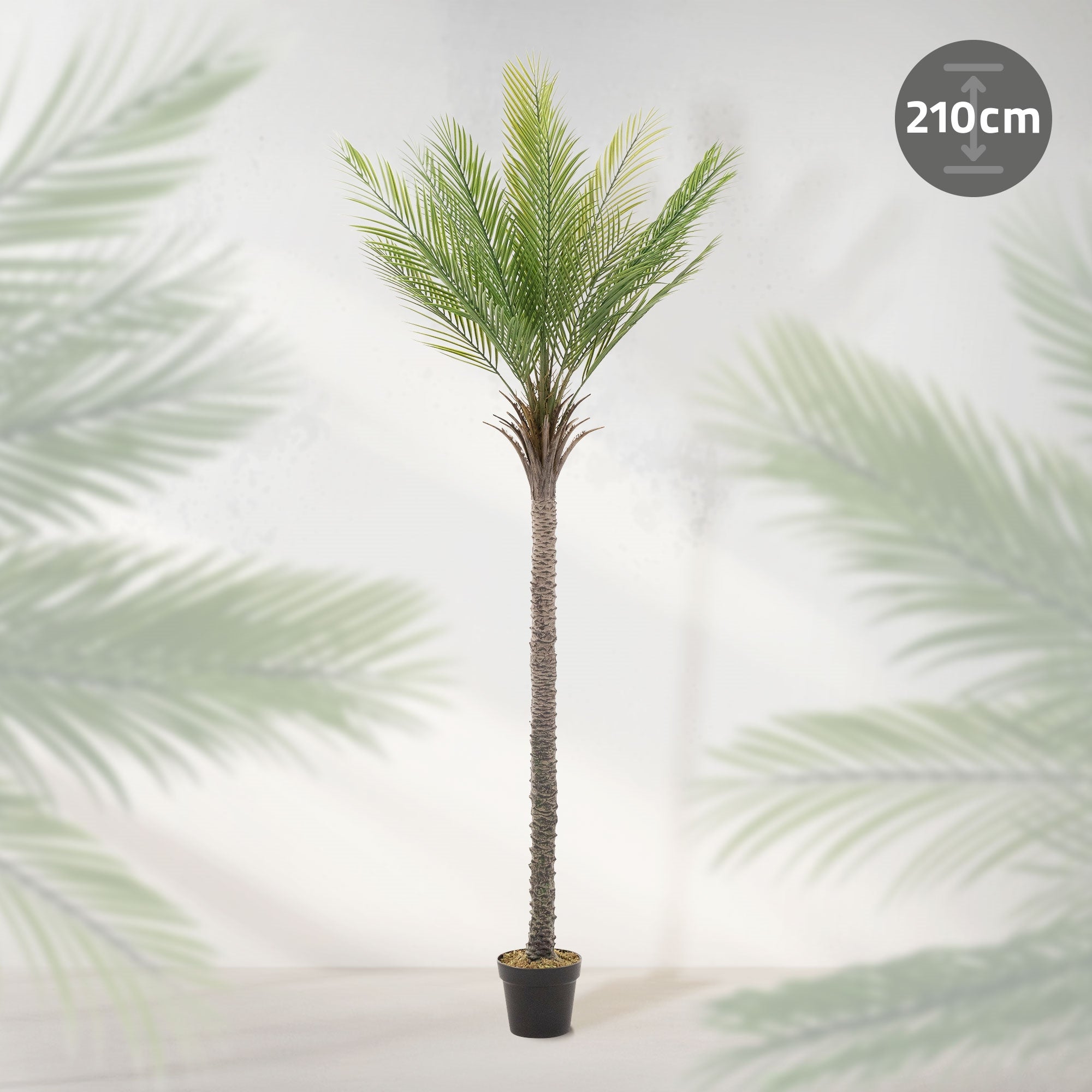
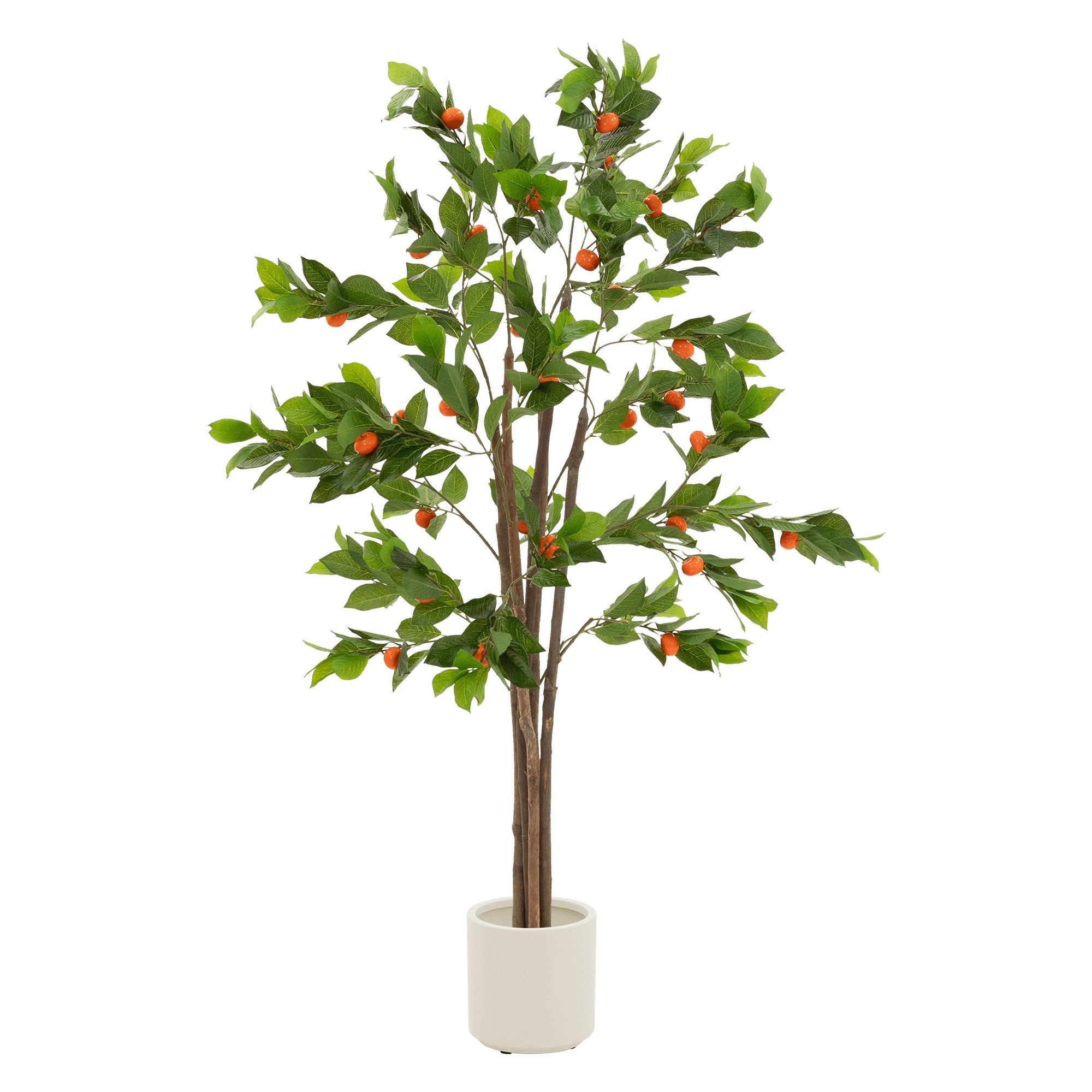
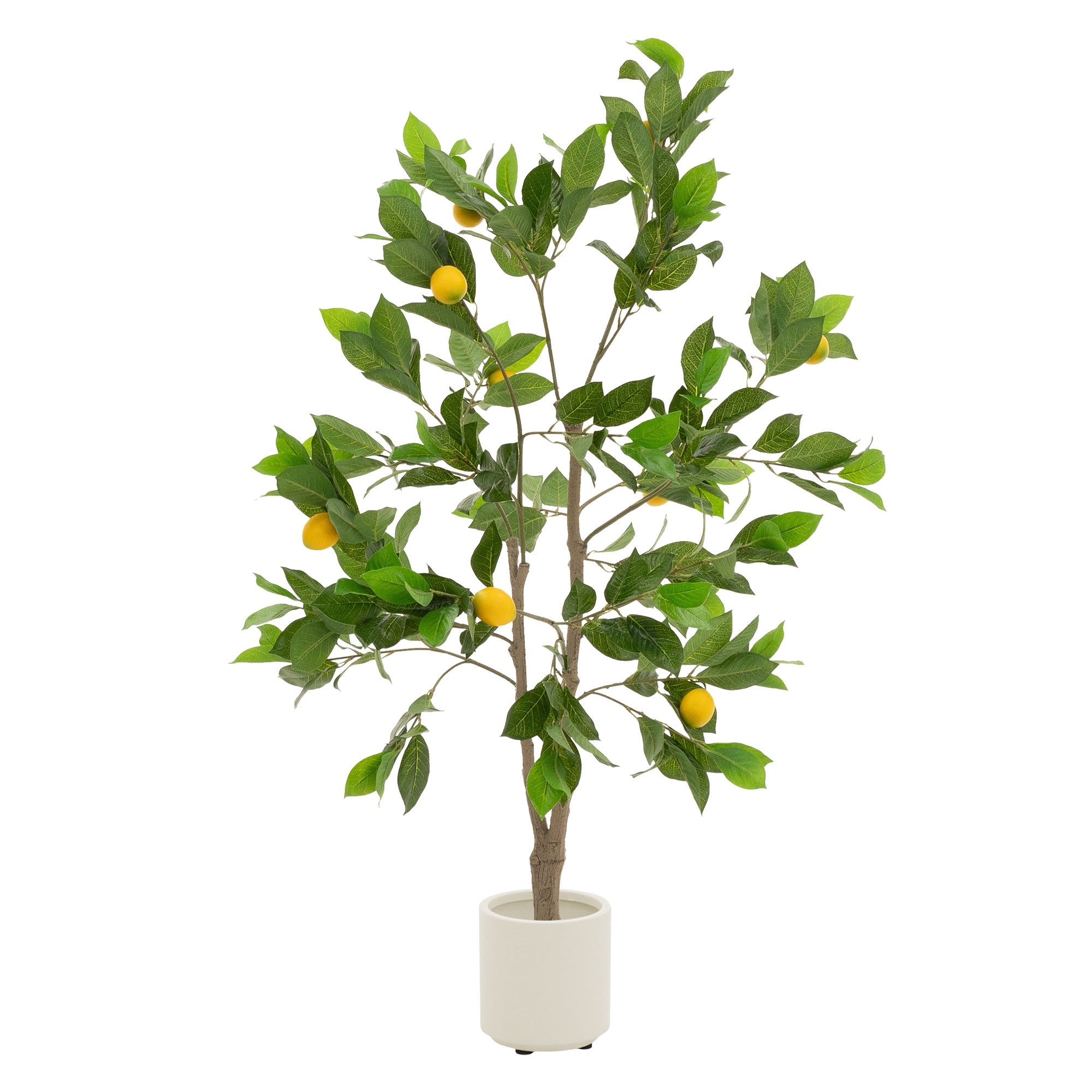
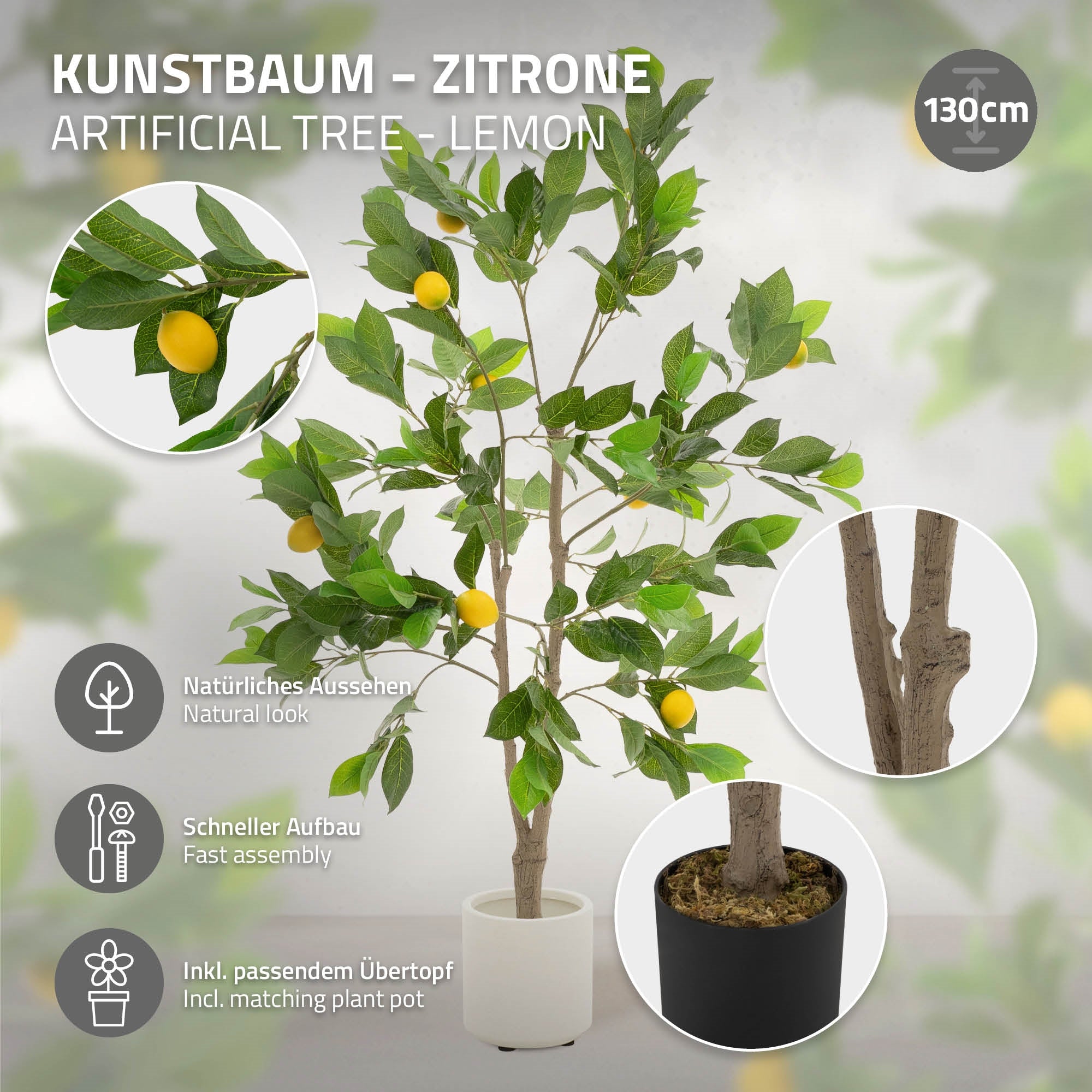
The natural appearance of an artificial plant strongly depends on the material, workmanship, color, leaf structure, and level of detail. High-quality models often closely resemble natural plants and feature differently colored leaves, textured surfaces, and natural growth forms. This allows them to harmoniously integrate into the decor without being immediately recognizable as artificial plants at first glance.
How can you recognize a high-quality artificial plant?
When selecting, attention should not only be paid to the price but especially to the workmanship and visual effect. High-quality artificial plants are often characterized by intricately crafted leaves, natural color transitions, and a realistic growth pattern. The stability of the stem and the quality of the pot can also make a difference, especially if the plant is to be permanently displayed.
- realistic leaf and stem structures
- natural color transitions
- detailed workmanship
- realistic growth form
- stable construction
- high-quality plant pot or stand
- appropriate proportions between plant and pot
Which artificial plants are suitable for different rooms?
The suitable artificial plant should match both the size of the room and the existing interior style. Large plants can be used as eye-catchers in spacious living areas or entryways, while smaller models work well on sideboards, shelves, or side tables. Low-maintenance artificial plants are also suitable for offices, waiting areas, sales rooms, and other commercially used spaces.
- Living room: large or striking artificial plants as decorative eye-catchers
- Bedroom: subtle plants for a calm room design
- Hallway: narrow or compact models for limited space
- Home office: low-maintenance greenery at the workplace
- Office: larger plants for a friendly room effect
- Commercial spaces: decorative greenery for reception and sales areas
- Gastronomy: plants as a complementary design element
Which artificial plants match which interior style?
Artificial plants can complement different interior styles and do not necessarily have to look like a real houseplant. While large, lush plants can fit particularly well with natural or modern living concepts, smaller and clearly shaped models tend to be more understated. The decisive factors are primarily leaf shape, size, color, and the design of the plant pot.
- modern: clear shapes and understated green tones
- Scandinavian: light pots and natural plant shapes
- Industrial: striking plants in simple or dark containers
- classic: elegant plants with decorative plant containers
- natural: lush leaf shapes and organic growth forms
- minimalistic: individual plants as a targeted accent
Artificial plants for dark rooms
A major advantage of artificial plants is that they do not require natural light conditions. This allows them to be used in darker hallways, interior areas, windowless commercial spaces, or other areas where real plants would only grow with limitations. The plant remains permanently green and decorative regardless of the location.
Artificial plants as an alternative to real plants
For those who like the look of plants but want to spend little time on their care, artificial plants offer a straightforward alternative. While real plants require regular water, light, fertilizer, and care depending on the species, the effort for artificial plants mainly involves occasional dust removal. This makes them particularly suitable for people who desire a permanently green room design.
How to care for and clean artificial plants?
Even though artificial plants do not require traditional plant care, they should be cleaned occasionally. Over time, dust can settle on leaves and stems, affecting their natural appearance. In most cases, it is sufficient to gently wipe the plant with a soft cloth, a duster, or a suitable cleaning cloth.
- regularly remove dust from leaves and stems
- use soft cloths or dusters
- carefully clean sensitive leaves
- only use cleaning agents that are suitable for the material
- avoid strong friction on sensitive surfaces
How large should an artificial plant be?
The appropriate size mainly depends on the intended location and the desired effect. A large artificial plant can create a strong focal point in a spacious living room or entrance area, while compact models are better suited for shelves, dressers, or smaller rooms. Therefore, both the available floor space and the room height should be considered before purchasing.
Artificial plants in pots or without planting containers?
Depending on the model, artificial plants may already come with a suitable pot or be intended for use in a separate container. An integrated pot makes setup easier and provides a ready-to-use overall appearance. Those who want to customize the design more individually can use a separate planting container and thus determine the color, shape, and material of the pot themselves.
Artificial plants for offices and commercial spaces
Even in commercially used areas, artificial plants can provide a straightforward way to add greenery. In offices, reception areas, waiting zones, sales rooms, or hotels, they create decorative accents without the need for regular staff to be scheduled for plant care. Especially in high-traffic areas, the low-maintenance and durable greenery can be practical.
Artificial plants as decoration for small spaces
Even with limited space, decorative greenery does not have to be sacrificed. Small artificial plants can be placed on shelves, windowsills, sideboards, or side tables. Particularly narrow models or plants with an upright growth form can be interesting when minimal floor space is required.
Artificial plants and spatial effect
Green plants can add more liveliness and a natural effect to a room. Artificial plants allow for this effect regardless of the season and location. Large plants can visually structure a room or serve as a focal point, while smaller models can specifically complement individual areas. By combining different sizes and shapes, a varied greenery can be created.
Are artificial plants suitable for outdoor use?
Whether an artificial plant is suitable for a balcony, terrace, or garden depends on the respective material and construction. Not every model is designed for permanent weather exposure. Therefore, when using it outdoors, the specifications of the respective product should be considered. Particularly UV radiation, moisture, wind, and temperature fluctuations can put more strain on the materials than indoors.
What materials are used for artificial plants?
Artificial plants are made from different synthetic materials depending on the model. Plastics and textile materials are often used to realistically replicate leaves, stems, and other plant parts. The choice of material affects not only the appearance but also the flexibility, durability, and care properties of the plant.
What should one pay attention to when buying an artificial plant?
Before purchasing, it should first be determined where the artificial plant will be placed and what visual effect is desired. In addition to size and design, the quality of workmanship, stability, and the material used are particularly relevant. Those who want to achieve a natural effect should also pay attention to realistic colors, leaf structures, and a natural growth form.
- Size and height
- Leaf and growth form
- Color and level of detail
- Material and workmanship
- Stability
- Quality of the plant pot
- Location and available space
- Care and cleaning effort
- Suitability for indoor or outdoor use
- UV and weather resistance for outdoor models
- Design and furnishing style
- Price-performance ratio
Artificial plants by ML-Design
With artificial plants from ML-Design, different living and working areas can be easily greened. The low-maintenance decorative elements can be used regardless of natural light conditions, offering a variety of design possibilities. Whether as a single eye-catcher, a subtle addition, or greening larger areas – suitable artificial plants can be flexibly integrated into various furnishing concepts.
Conclusion: Permanently stylish greening with artificial plants
Artificial plants offer a low-maintenance way to permanently decorate living and commercial spaces with greenery. Modern models can appear particularly authentic due to realistic colors, detailed leaf structures, and natural growth forms. When selecting, size, quality, material, location, and desired room effect should be considered, especially. For outdoor areas, UV resistance and weather suitability are also important.
Discover the artificial plants from ML-Design now and find a suitable solution to stylishly, easily, and without elaborate plant care green your home, office, or business with permanent greenery.

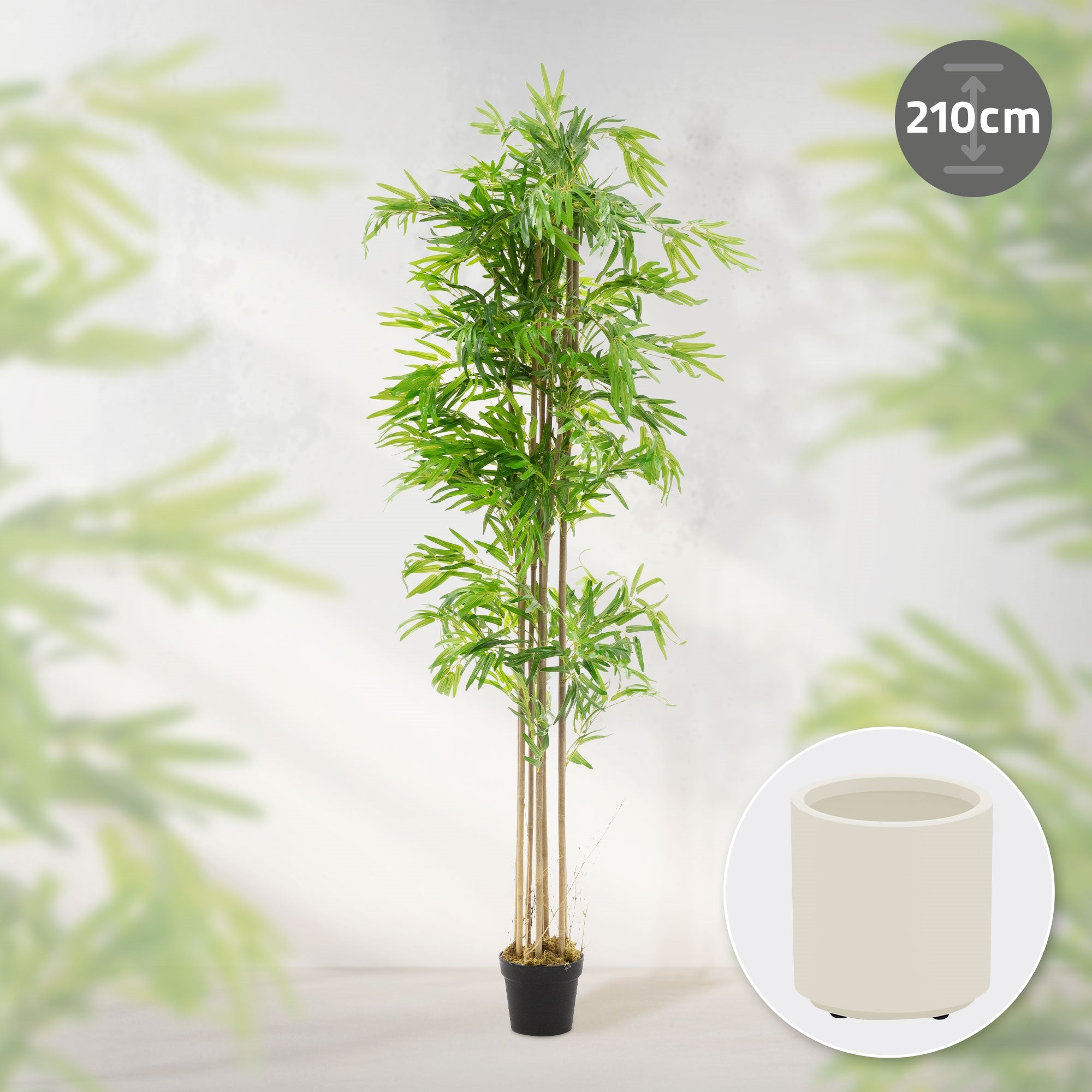
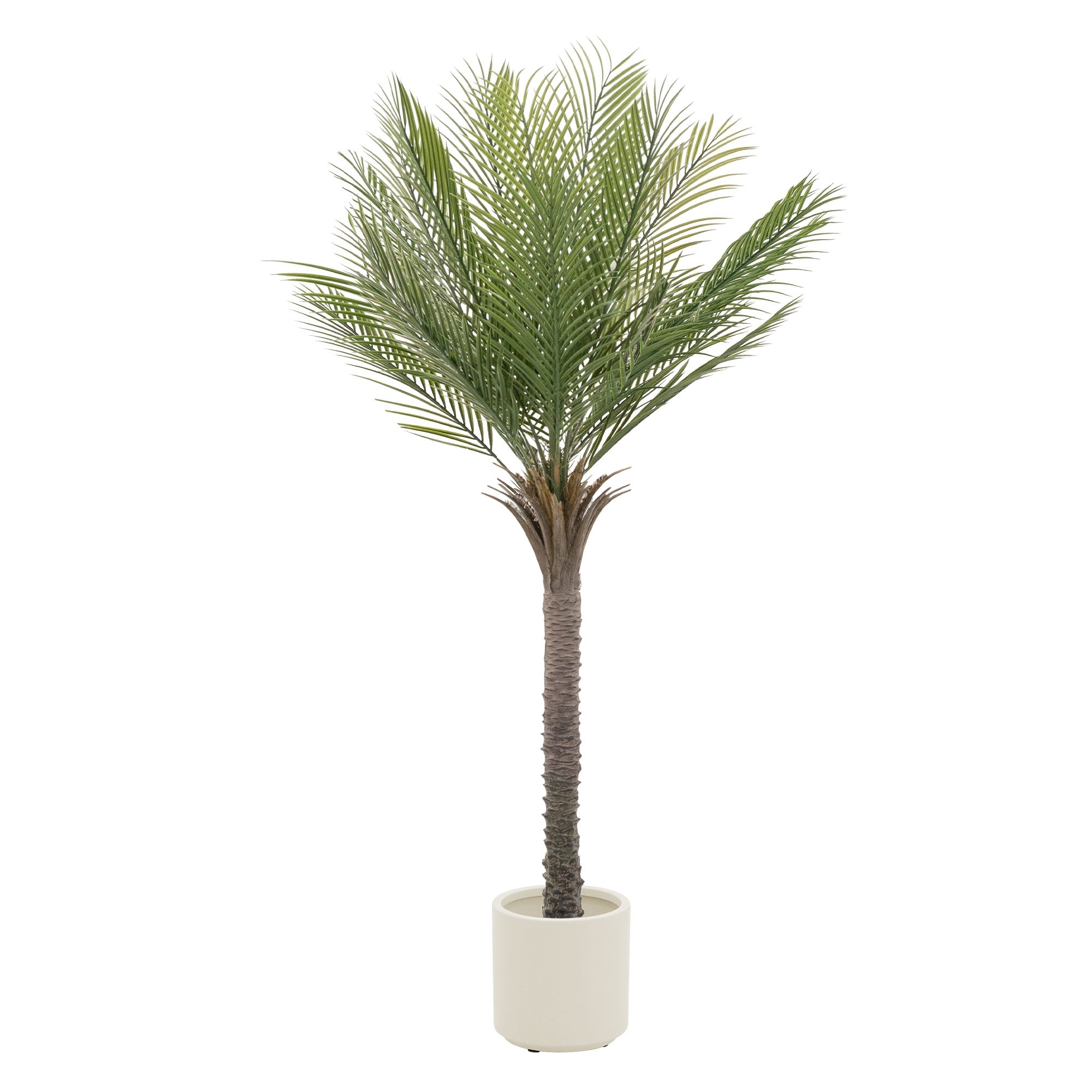
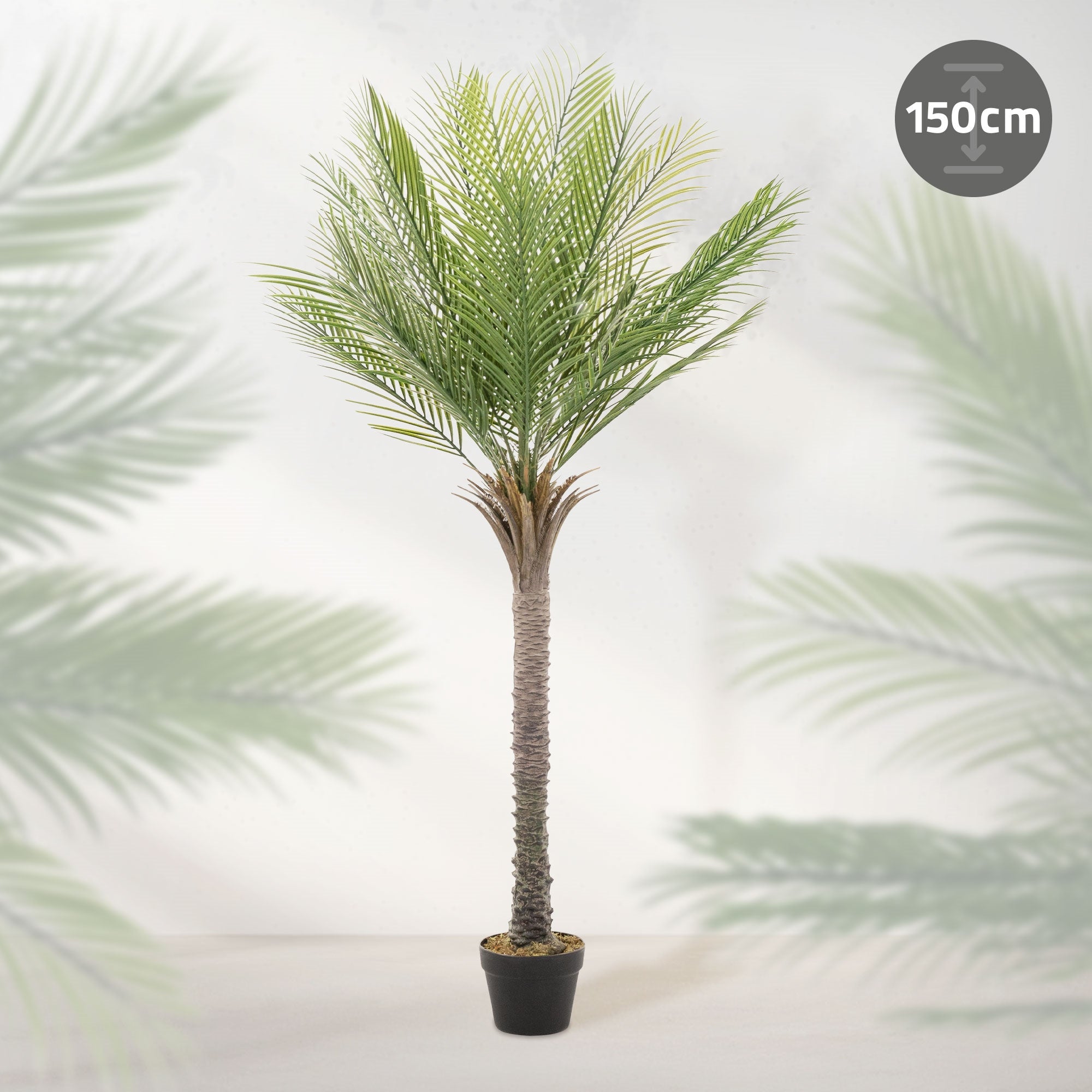

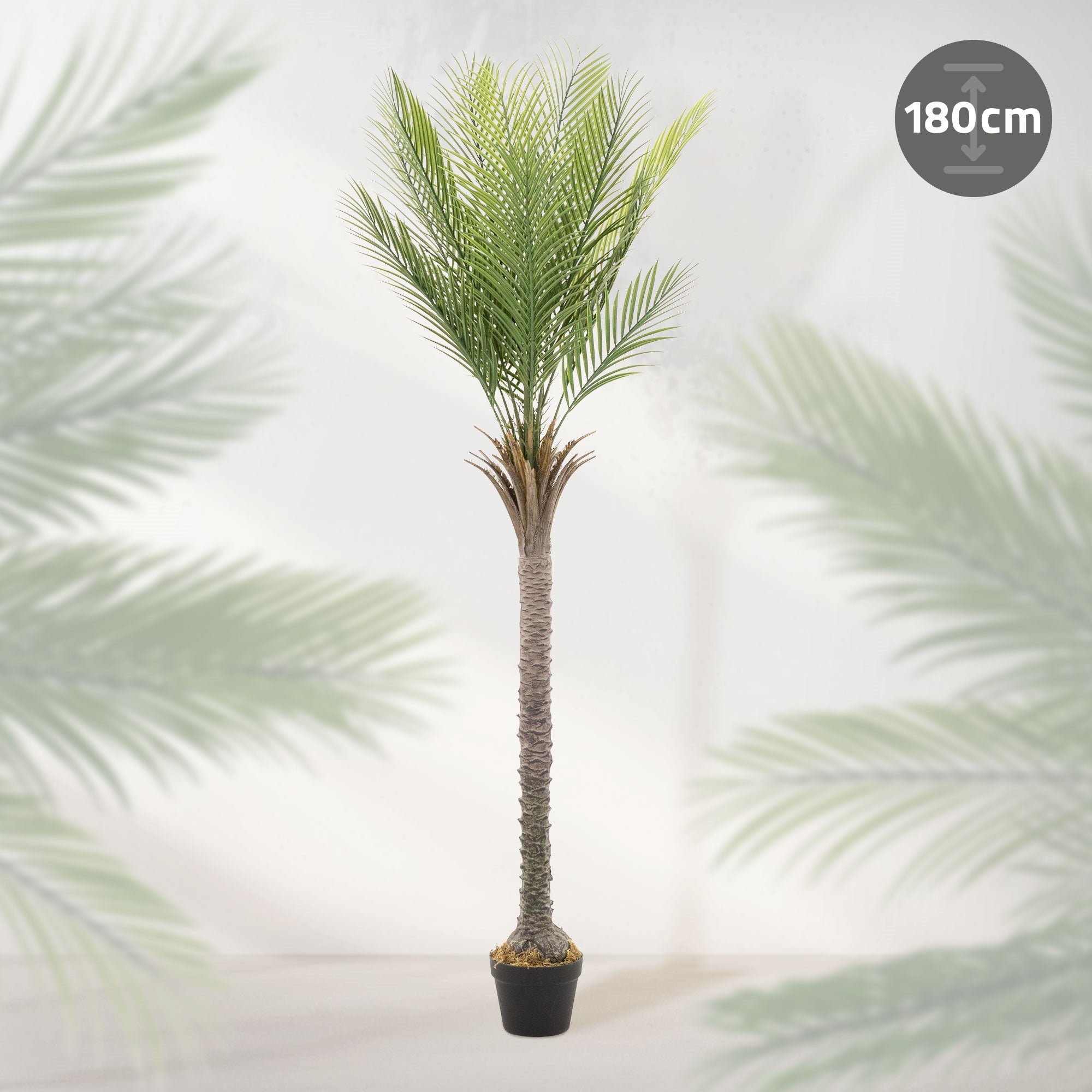






Artificial Plants – natural decoration without maintenance effort
Artificial plants are a practical way to permanently enhance living and commercial spaces with natural greenery. Modern artificial plants now look very realistic and can visually come remarkably close to real plants. At the same time, they require neither water nor regular repotting or a specific location. Whether as a decorative houseplant in the living room, as greenery in the office, or as a stylish element in the entrance area – artificial plants can be used flexibly and remain attractive regardless of lighting conditions and season.
What are the advantages of artificial plants?
Artificial plants combine decorative effect with particularly low maintenance effort. They do not need to be watered, fertilized, or regularly pruned, making them suitable for rooms where real plants would struggle to thrive. At the same time, they can remain permanently in their designated place and provide consistent greenery there.
- no watering necessary
- no fertilizing or repotting required
- independent of lighting conditions
- decorative all year round
- low maintenance effort
- long service life with good quality
- flexible use in living and commercial spaces
How realistic are modern artificial plants?
The natural appearance of an artificial plant strongly depends on the material, workmanship, color, leaf structure, and level of detail. High-quality models often closely resemble natural plants and feature differently colored leaves, textured surfaces, and natural growth forms. This allows them to harmoniously integrate into the decor without being immediately recognizable as artificial plants at first glance.
How can you recognize a high-quality artificial plant?
When selecting, attention should not only be paid to the price but especially to the workmanship and visual effect. High-quality artificial plants are often characterized by intricately crafted leaves, natural color transitions, and a realistic growth pattern. The stability of the stem and the quality of the pot can also make a difference, especially if the plant is to be permanently displayed.
- realistic leaf and stem structures
- natural color transitions
- detailed workmanship
- realistic growth form
- stable construction
- high-quality plant pot or stand
- appropriate proportions between plant and pot
Which artificial plants are suitable for different rooms?
The suitable artificial plant should match both the size of the room and the existing interior style. Large plants can be used as eye-catchers in spacious living areas or entryways, while smaller models work well on sideboards, shelves, or side tables. Low-maintenance artificial plants are also suitable for offices, waiting areas, sales rooms, and other commercially used spaces.
- Living room: large or striking artificial plants as decorative eye-catchers
- Bedroom: subtle plants for a calm room design
- Hallway: narrow or compact models for limited space
- Home office: low-maintenance greenery at the workplace
- Office: larger plants for a friendly room effect
- Commercial spaces: decorative greenery for reception and sales areas
- Gastronomy: plants as a complementary design element
Which artificial plants match which interior style?
Artificial plants can complement different interior styles and do not necessarily have to look like a real houseplant. While large, lush plants can fit particularly well with natural or modern living concepts, smaller and clearly shaped models tend to be more understated. The decisive factors are primarily leaf shape, size, color, and the design of the plant pot.
- modern: clear shapes and understated green tones
- Scandinavian: light pots and natural plant shapes
- Industrial: striking plants in simple or dark containers
- classic: elegant plants with decorative plant containers
- natural: lush leaf shapes and organic growth forms
- minimalistic: individual plants as a targeted accent
Artificial plants for dark rooms
A major advantage of artificial plants is that they do not require natural light conditions. This allows them to be used in darker hallways, interior areas, windowless commercial spaces, or other areas where real plants would only grow with limitations. The plant remains permanently green and decorative regardless of the location.
Artificial plants as an alternative to real plants
For those who like the look of plants but want to spend little time on their care, artificial plants offer a straightforward alternative. While real plants require regular water, light, fertilizer, and care depending on the species, the effort for artificial plants mainly involves occasional dust removal. This makes them particularly suitable for people who desire a permanently green room design.
How to care for and clean artificial plants?
Even though artificial plants do not require traditional plant care, they should be cleaned occasionally. Over time, dust can settle on leaves and stems, affecting their natural appearance. In most cases, it is sufficient to gently wipe the plant with a soft cloth, a duster, or a suitable cleaning cloth.
- regularly remove dust from leaves and stems
- use soft cloths or dusters
- carefully clean sensitive leaves
- only use cleaning agents that are suitable for the material
- avoid strong friction on sensitive surfaces
How large should an artificial plant be?
The appropriate size mainly depends on the intended location and the desired effect. A large artificial plant can create a strong focal point in a spacious living room or entrance area, while compact models are better suited for shelves, dressers, or smaller rooms. Therefore, both the available floor space and the room height should be considered before purchasing.
Artificial plants in pots or without planting containers?
Depending on the model, artificial plants may already come with a suitable pot or be intended for use in a separate container. An integrated pot makes setup easier and provides a ready-to-use overall appearance. Those who want to customize the design more individually can use a separate planting container and thus determine the color, shape, and material of the pot themselves.
Artificial plants for offices and commercial spaces
Even in commercially used areas, artificial plants can provide a straightforward way to add greenery. In offices, reception areas, waiting zones, sales rooms, or hotels, they create decorative accents without the need for regular staff to be scheduled for plant care. Especially in high-traffic areas, the low-maintenance and durable greenery can be practical.
Artificial plants as decoration for small spaces
Even with limited space, decorative greenery does not have to be sacrificed. Small artificial plants can be placed on shelves, windowsills, sideboards, or side tables. Particularly narrow models or plants with an upright growth form can be interesting when minimal floor space is required.
Artificial plants and spatial effect
Green plants can add more liveliness and a natural effect to a room. Artificial plants allow for this effect regardless of the season and location. Large plants can visually structure a room or serve as a focal point, while smaller models can specifically complement individual areas. By combining different sizes and shapes, a varied greenery can be created.
Are artificial plants suitable for outdoor use?
Whether an artificial plant is suitable for a balcony, terrace, or garden depends on the respective material and construction. Not every model is designed for permanent weather exposure. Therefore, when using it outdoors, the specifications of the respective product should be considered. Particularly UV radiation, moisture, wind, and temperature fluctuations can put more strain on the materials than indoors.
What materials are used for artificial plants?
Artificial plants are made from different synthetic materials depending on the model. Plastics and textile materials are often used to realistically replicate leaves, stems, and other plant parts. The choice of material affects not only the appearance but also the flexibility, durability, and care properties of the plant.
What should one pay attention to when buying an artificial plant?
Before purchasing, it should first be determined where the artificial plant will be placed and what visual effect is desired. In addition to size and design, the quality of workmanship, stability, and the material used are particularly relevant. Those who want to achieve a natural effect should also pay attention to realistic colors, leaf structures, and a natural growth form.
- Size and height
- Leaf and growth form
- Color and level of detail
- Material and workmanship
- Stability
- Quality of the plant pot
- Location and available space
- Care and cleaning effort
- Suitability for indoor or outdoor use
- UV and weather resistance for outdoor models
- Design and furnishing style
- Price-performance ratio
Artificial plants by ML-Design
With artificial plants from ML-Design, different living and working areas can be easily greened. The low-maintenance decorative elements can be used regardless of natural light conditions, offering a variety of design possibilities. Whether as a single eye-catcher, a subtle addition, or greening larger areas – suitable artificial plants can be flexibly integrated into various furnishing concepts.
Conclusion: Permanently stylish greening with artificial plants
Artificial plants offer a low-maintenance way to permanently decorate living and commercial spaces with greenery. Modern models can appear particularly authentic due to realistic colors, detailed leaf structures, and natural growth forms. When selecting, size, quality, material, location, and desired room effect should be considered, especially. For outdoor areas, UV resistance and weather suitability are also important.
Discover the artificial plants from ML-Design now and find a suitable solution to stylishly, easily, and without elaborate plant care green your home, office, or business with permanent greenery.
Find even more among our top sellers








Popular categories


