


Garden & Work Gloves – Protection and Comfort for Gardening, Crafts and Work
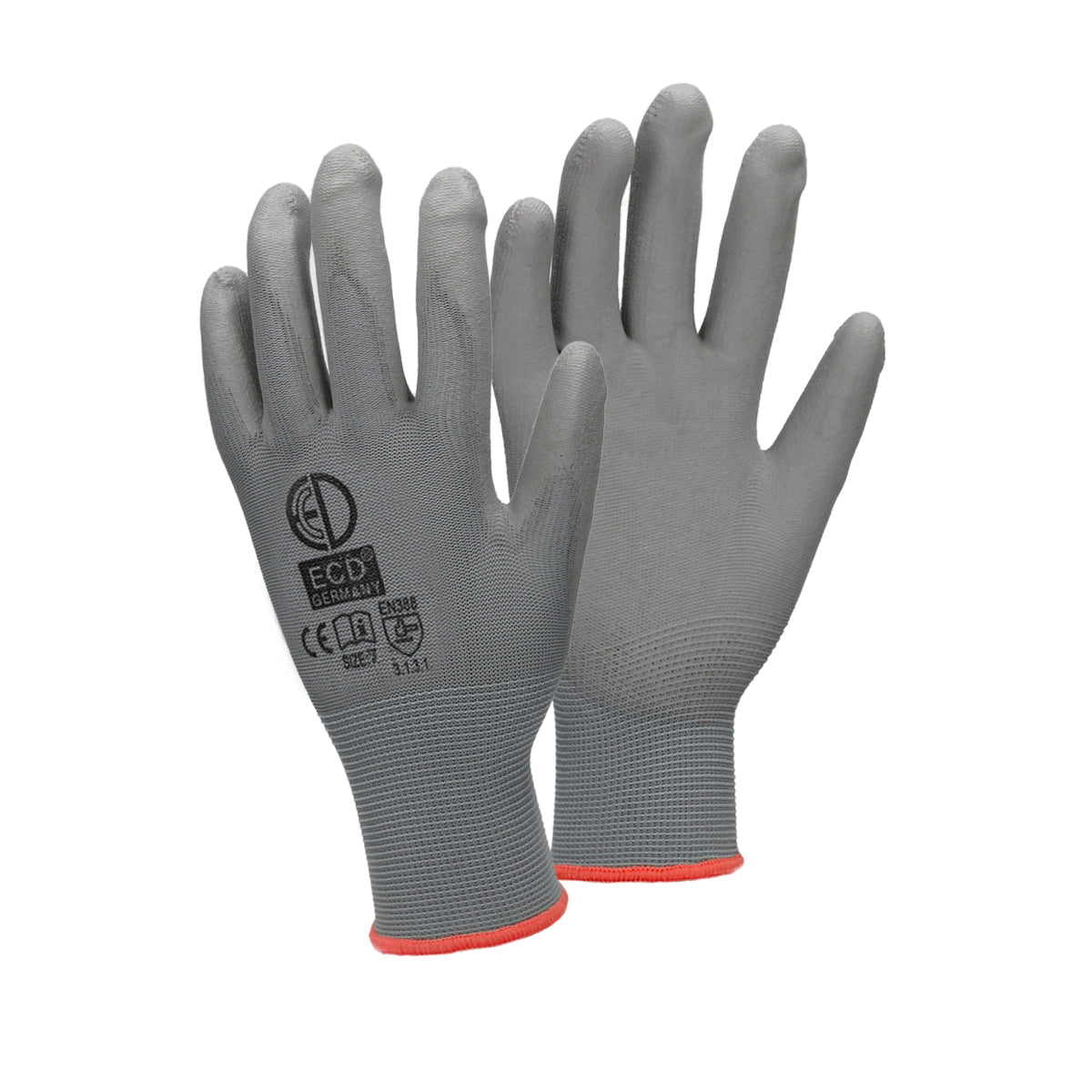
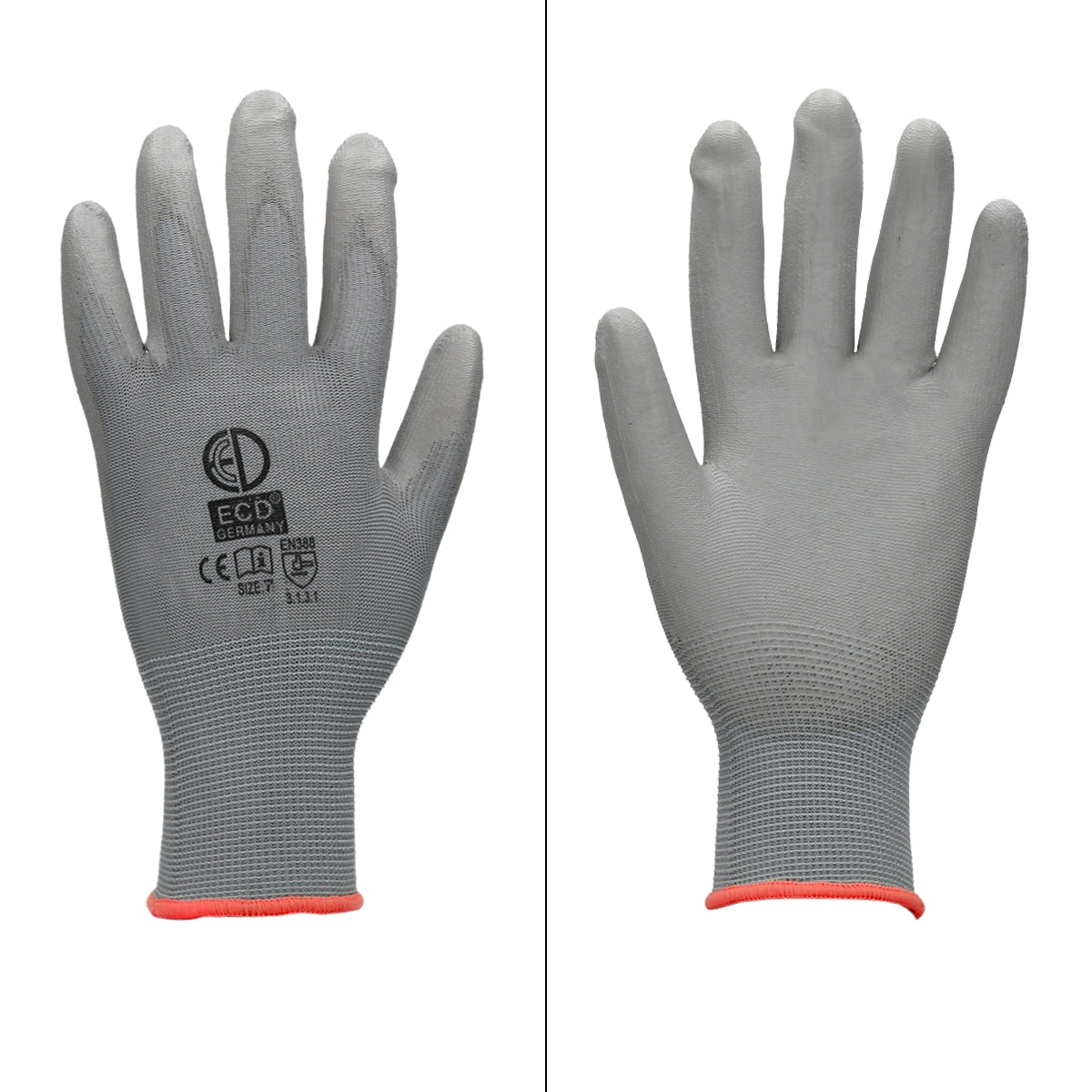
Garden and work gloves protect your hands from dirt, moisture, injuries and mechanical stress during a wide range of tasks. Whether planting, pruning, DIY projects or professional work, the right gloves provide greater safety and comfort.
Garden and work gloves vary considerably depending on their intended use. Lightweight models are suitable for simple gardening tasks, while sturdy versions with reinforced palms or coatings are designed for more demanding work. Material, fit, grip and level of protection also play an important role in choosing the right pair.
In this guide, you’ll learn which gloves are suitable for different tasks and what to look for when buying them.
Why are garden and work gloves important?
During gardening, craft and assembly work, hands are exposed to numerous hazards. Soil, moisture, thorns, sharp edges and rough materials can cause dirt and injuries. Suitable gloves form a protective barrier while also improving your grip on tools.
Depending on the model, they provide protection from:
- Dirt and moisture
- Abrasion and mechanical stress
- Thorns and minor injuries
- Cold or wet conditions
- Slipping tools and materials
Which features are important always depends on the task at hand.
What types of gardening gloves are available?
For light tasks such as planting, weeding or working with soil, thin and flexible gardening gloves are usually sufficient. They protect against dirt and minor hazards while allowing plenty of freedom of movement.
For more demanding tasks such as hedge trimming, woodworking or handling thorny plants, sturdier models are suitable. Reinforced areas or longer cuffs can provide additional protection for the hands and wrists.
Which work gloves are suitable for which tasks?
Work gloves should be selected to suit the task at hand. Flexible models with a good grip are practical for assembly and workshop tasks, while particularly durable gloves are suitable for construction work, transport or handling rough materials.
Special cut-resistant models may be required when working with sharp objects. Material, coating, fit and protection class also play an important role in industry and skilled trades.
What materials are used?
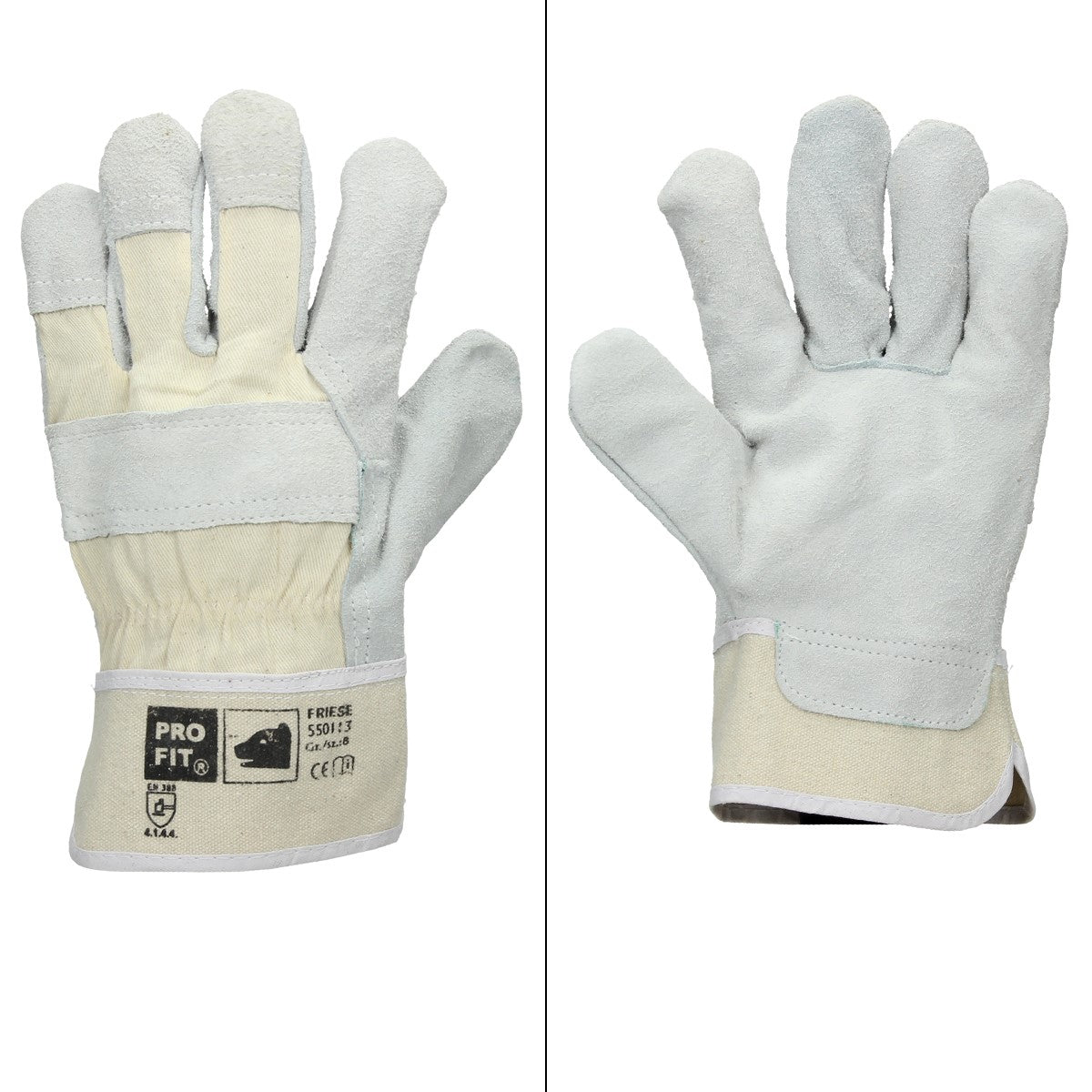
Various materials are used for garden and work gloves. Nylon and polyester are lightweight, flexible, and comfortable to wear. Leather and durable synthetic fibers, on the other hand, are particularly suitable for gloves subject to heavier wear.
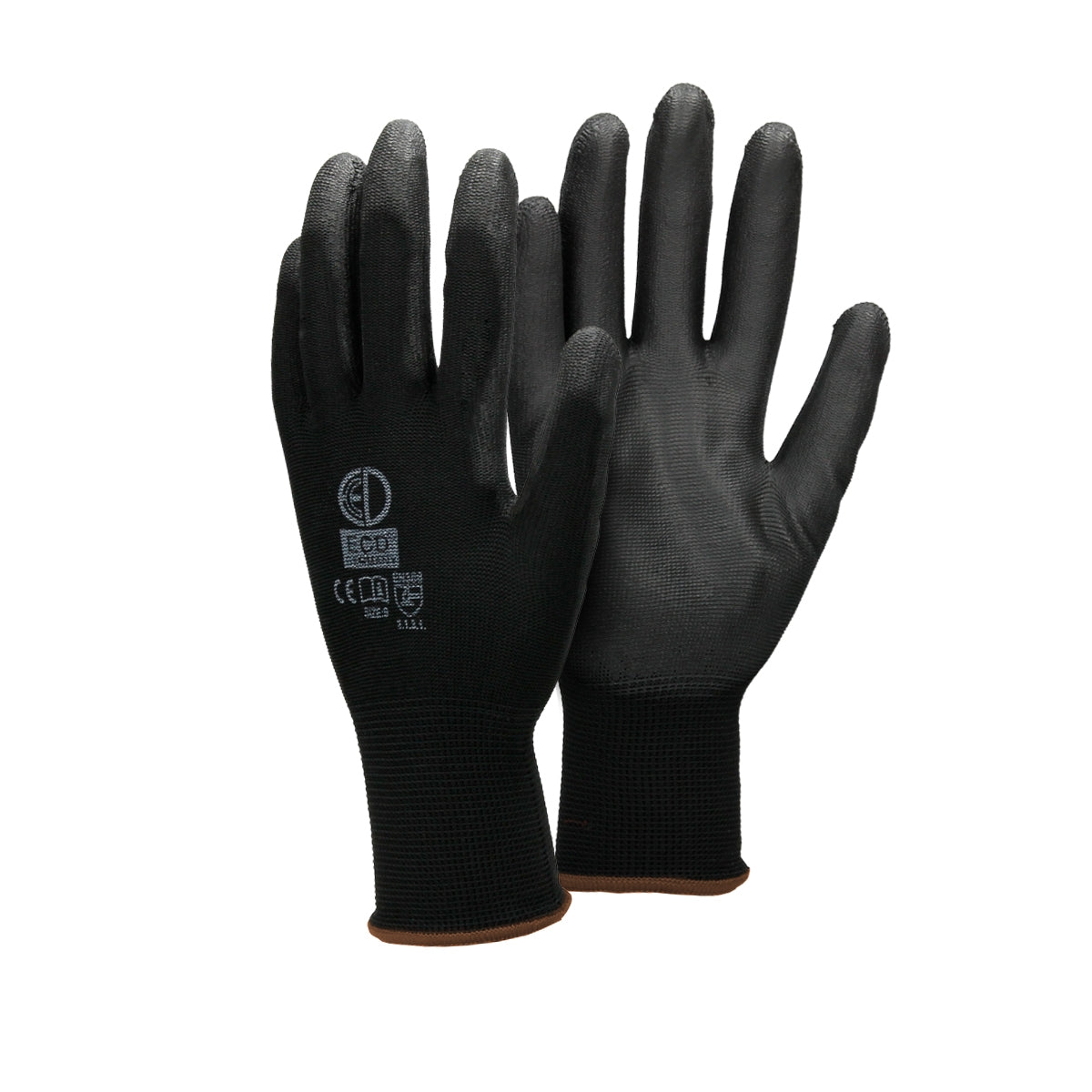
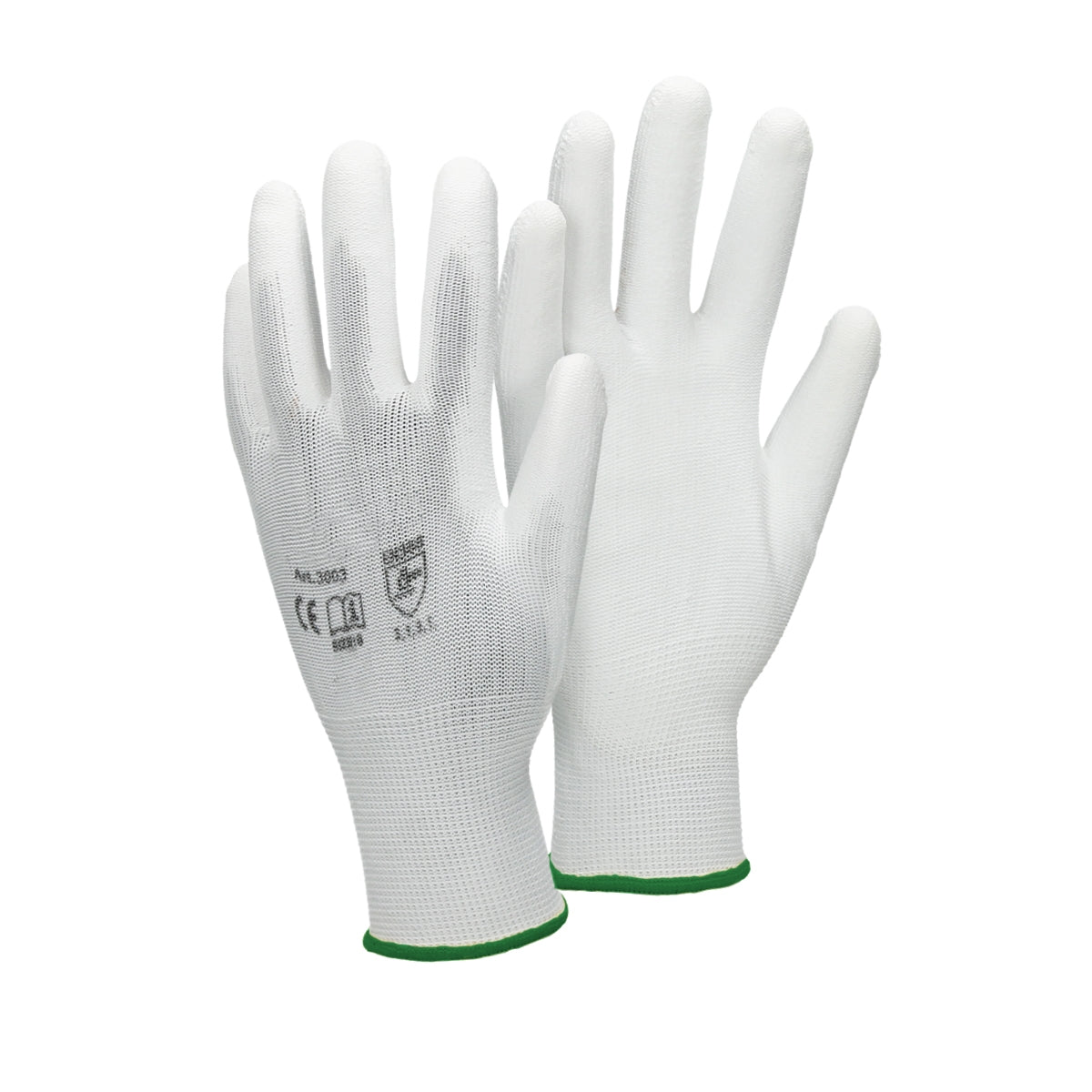
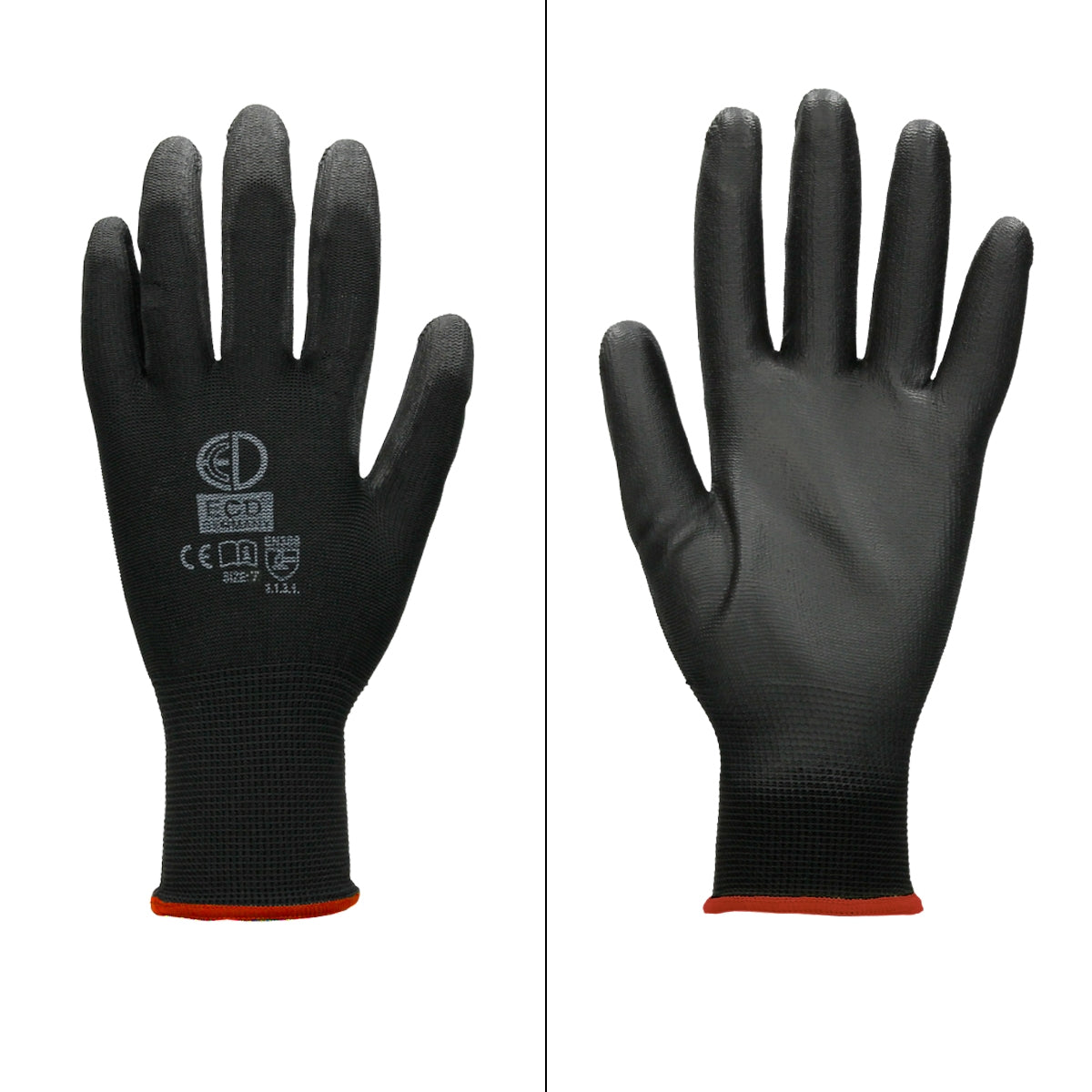
Many work gloves also feature a coating made of nitrile, latex, or polyurethane. This can improve grip and provide additional protection.
Garden Gloves for Summer and Winter
Lightweight and breathable gloves are particularly comfortable on warm days. In cooler weather, lined or water-repellent models offer additional comfort.
Those who work in the garden regularly can therefore benefit from having different gloves for different seasons.
What to Look for When Buying
Before buying, consider what tasks the gloves will be used for. You can then choose the material, level of protection, and features accordingly.
Important criteria include:
- intended use and level of protection
- suitable size and fit
- material and workmanship
- grip
- breathability
- weather and moisture resistance
- value for money
A basic model is often sufficient for occasional tasks. If you use them regularly, it is worth investing in durable, comfortable gloves.
Why Choose Garden and Work Gloves from ECD Germany?
With garden and work gloves from ECD Germany, you can find practical solutions for the garden, workshop, home, and trade work. Different styles make it easy to choose the right gloves for various activities and requirements.
Our advantages:
- various styles for different applications
- durable, high-quality materials
- comfortable fits
- good grip
- reliable workmanship
- attractive value for money
Conclusion: The right gardening and work gloves for every task
Good gardening and work gloves protect your hands, improve your grip, and make many tasks more comfortable. The key factors are protection, material, fit, and intended use.
Whether gardening, DIY, workshop tasks, or professional work – at ECD Germany, you'll find suitable gloves for a range of requirements and great value for money.









Garden & Work Gloves – Protection and Comfort for Gardening, Crafts and Work
Garden and work gloves protect your hands from dirt, moisture, injuries and mechanical stress during a wide range of tasks. Whether planting, pruning, DIY projects or professional work, the right gloves provide greater safety and comfort.
Garden and work gloves vary considerably depending on their intended use. Lightweight models are suitable for simple gardening tasks, while sturdy versions with reinforced palms or coatings are designed for more demanding work. Material, fit, grip and level of protection also play an important role in choosing the right pair.
In this guide, you’ll learn which gloves are suitable for different tasks and what to look for when buying them.
Why are garden and work gloves important?
During gardening, craft and assembly work, hands are exposed to numerous hazards. Soil, moisture, thorns, sharp edges and rough materials can cause dirt and injuries. Suitable gloves form a protective barrier while also improving your grip on tools.
Depending on the model, they provide protection from:
- Dirt and moisture
- Abrasion and mechanical stress
- Thorns and minor injuries
- Cold or wet conditions
- Slipping tools and materials
Which features are important always depends on the task at hand.
What types of gardening gloves are available?
For light tasks such as planting, weeding or working with soil, thin and flexible gardening gloves are usually sufficient. They protect against dirt and minor hazards while allowing plenty of freedom of movement.
For more demanding tasks such as hedge trimming, woodworking or handling thorny plants, sturdier models are suitable. Reinforced areas or longer cuffs can provide additional protection for the hands and wrists.
Which work gloves are suitable for which tasks?
Work gloves should be selected to suit the task at hand. Flexible models with a good grip are practical for assembly and workshop tasks, while particularly durable gloves are suitable for construction work, transport or handling rough materials.
Special cut-resistant models may be required when working with sharp objects. Material, coating, fit and protection class also play an important role in industry and skilled trades.
What materials are used?
Various materials are used for garden and work gloves. Nylon and polyester are lightweight, flexible, and comfortable to wear. Leather and durable synthetic fibers, on the other hand, are particularly suitable for gloves subject to heavier wear.
Many work gloves also feature a coating made of nitrile, latex, or polyurethane. This can improve grip and provide additional protection.
Garden Gloves for Summer and Winter
Lightweight and breathable gloves are particularly comfortable on warm days. In cooler weather, lined or water-repellent models offer additional comfort.
Those who work in the garden regularly can therefore benefit from having different gloves for different seasons.
What to Look for When Buying
Before buying, consider what tasks the gloves will be used for. You can then choose the material, level of protection, and features accordingly.
Important criteria include:
- intended use and level of protection
- suitable size and fit
- material and workmanship
- grip
- breathability
- weather and moisture resistance
- value for money
A basic model is often sufficient for occasional tasks. If you use them regularly, it is worth investing in durable, comfortable gloves.
Why Choose Garden and Work Gloves from ECD Germany?
With garden and work gloves from ECD Germany, you can find practical solutions for the garden, workshop, home, and trade work. Different styles make it easy to choose the right gloves for various activities and requirements.
Our advantages:
- various styles for different applications
- durable, high-quality materials
- comfortable fits
- good grip
- reliable workmanship
- attractive value for money
Conclusion: The right gardening and work gloves for every task
Good gardening and work gloves protect your hands, improve your grip, and make many tasks more comfortable. The key factors are protection, material, fit, and intended use.
Whether gardening, DIY, workshop tasks, or professional work – at ECD Germany, you'll find suitable gloves for a range of requirements and great value for money.
Find even more among our top sellers









Popular categories


