


Sun protection – comfortable shade for the garden, patio and balcony
Sunshine is simply part of summer—but on hot days in particular, a shady spot is worth its weight in gold. The right sun protection can make outdoor spaces much more comfortable to use. Whether you choose a classic parasol, a large cantilever parasol or a sturdy parasol base, there are suitable options for gardens, patios and balconies to meet a range of space requirements and preferences. Alongside appearance, the main factors to consider when choosing are size, stability, material and UV protection. Good sun protection should not only provide ample shade but also stand securely and be easy to use. ML-Design models combine practical features with modern designs, making them ideal for stylishly complementing outdoor seating and living areas.
Parasol or cantilever parasol – which option is right for you?

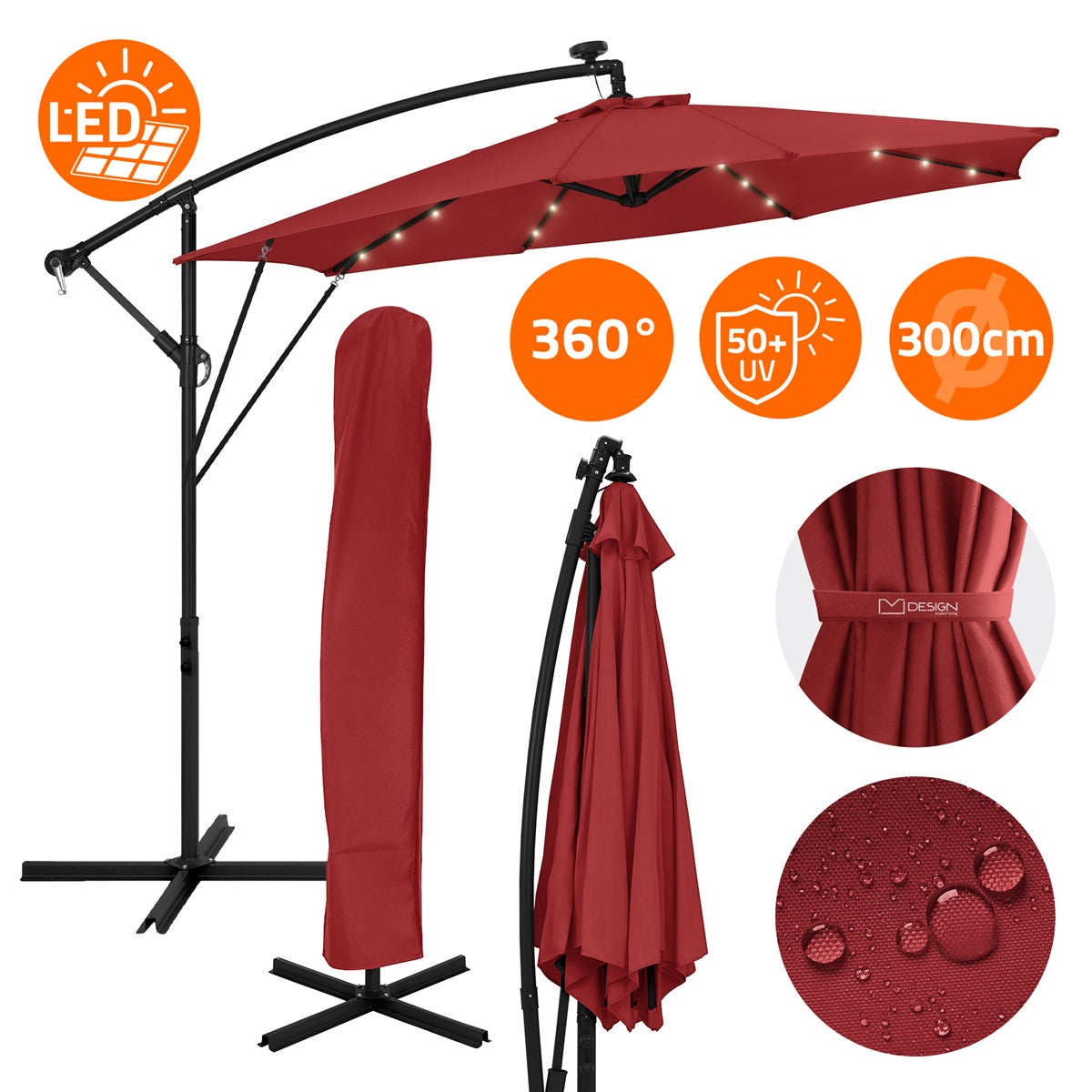
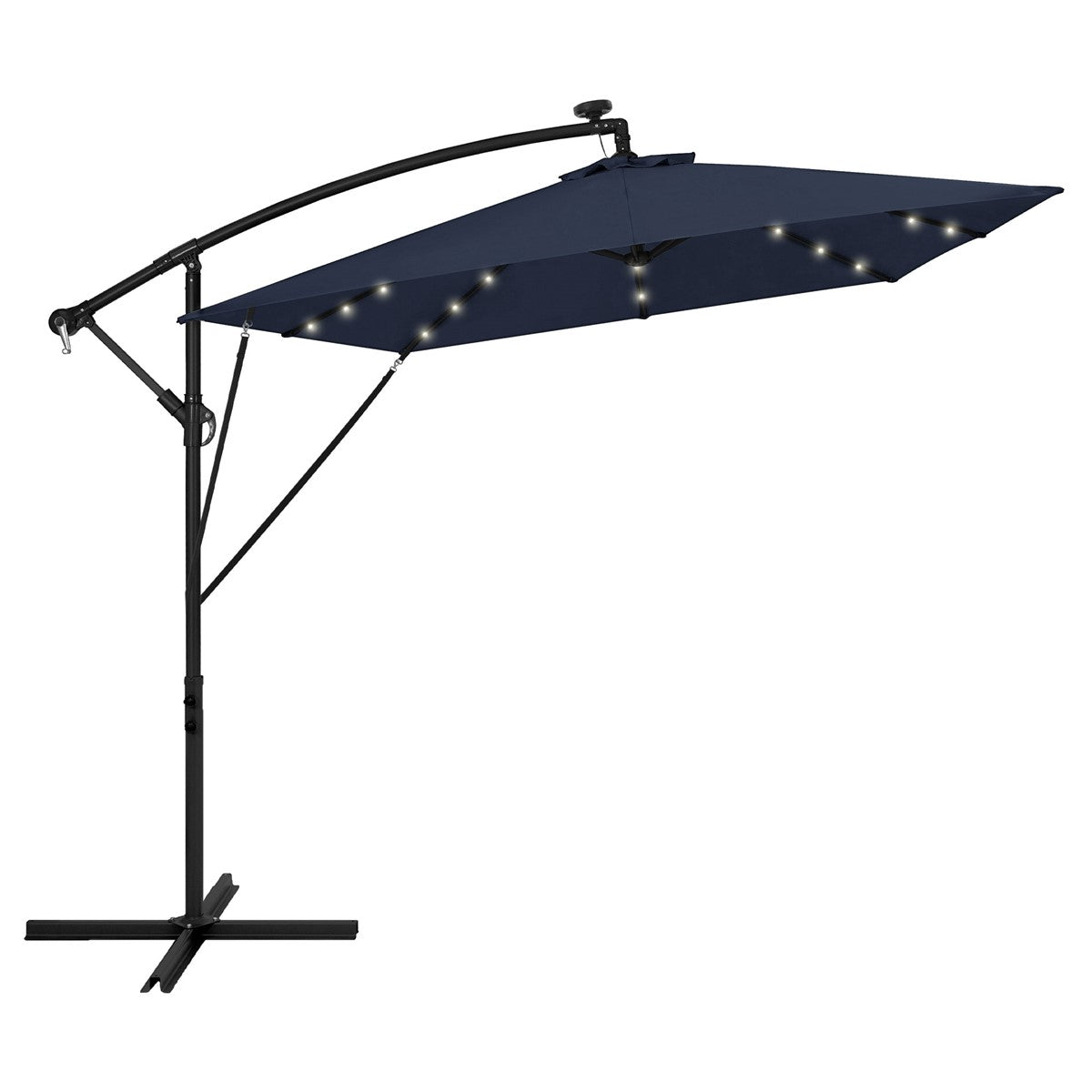
Not every parasol is equally suitable for every outdoor space. The first key question is whether you prefer a classic parasol or a cantilever parasol. With a classic parasol, the pole is positioned in the middle, beneath the canopy. This makes it especially practical for garden tables with a built-in parasol hole. These models are also often compact and easy to set up. A cantilever parasol, by contrast, has a pole positioned to the side. The canopy is supported by an arm, leaving the space beneath it unobstructed. This is especially practical for lounge furniture, seating groups or larger patio areas.
- Classic parasol: ideal for garden tables
- Classic parasol: a compact and convenient option
- Classic parasol: available in a range of sizes and shapes
- Classic parasol: often easy to set up and store away
- Cantilever parasol: side pole
- Cantilever parasol: a large, unobstructed shaded area
- Cantilever parasol: no obstructive pole in the middle of the seating area
- Cantilever parasol: especially suitable for lounge and seating groups
Sun protection for the garden, patio and balcony

The ideal sun protection should suit the space available. A balcony usually offers very little floor space. Compact parasols are a practical choice here, as they can easily be closed or stored away when needed. On a patio, however, you can opt for more generous shade. Large parasols or cantilever parasols can cover an entire seating group, creating a comfortable area to relax. There are plenty of options in the garden, too. For example, a parasol can be set up right next to a seating group, garden table or sun lounger. If you want greater flexibility, you can reposition the parasol depending on the sun’s position or how you’re using the space.
How heavy should a parasol base be?

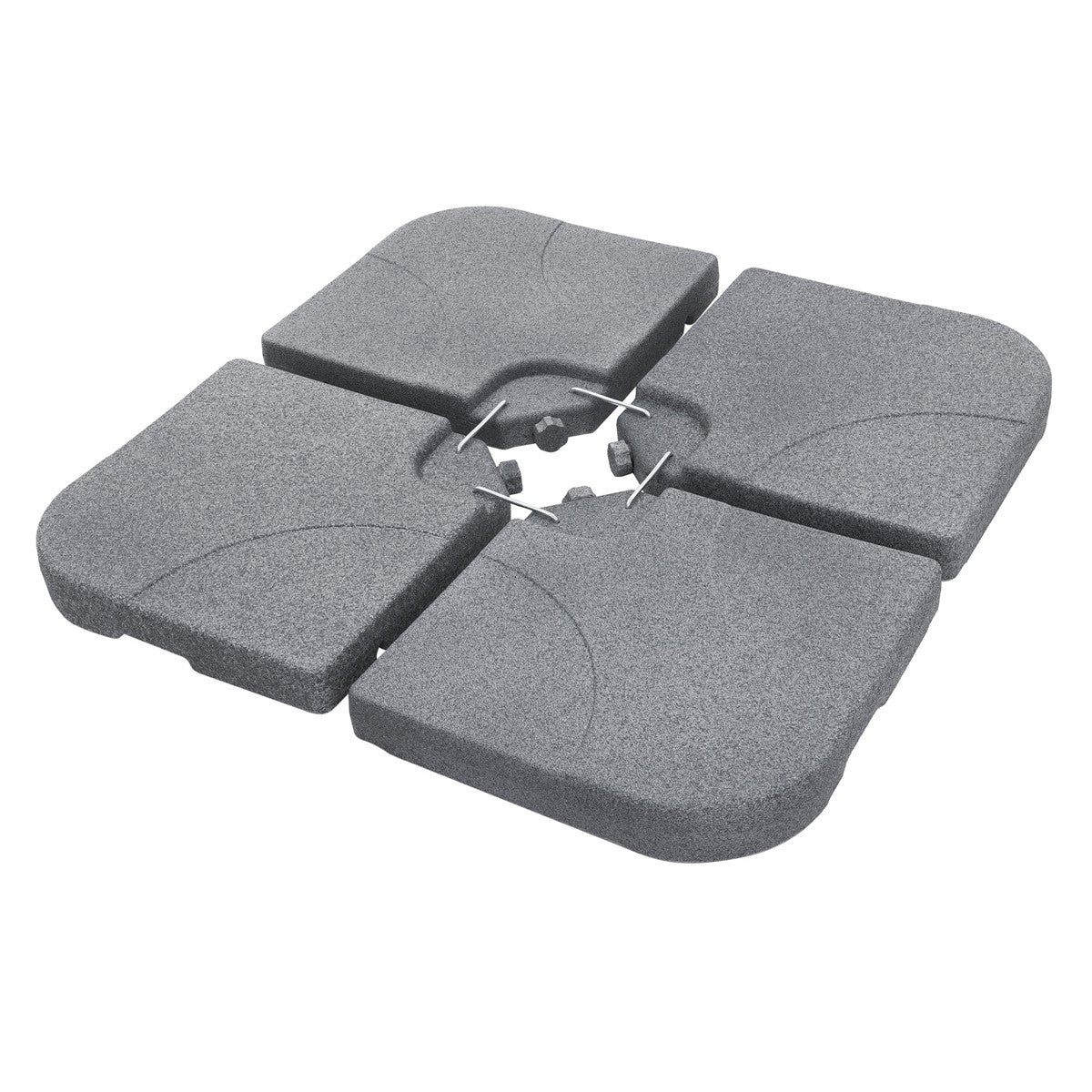
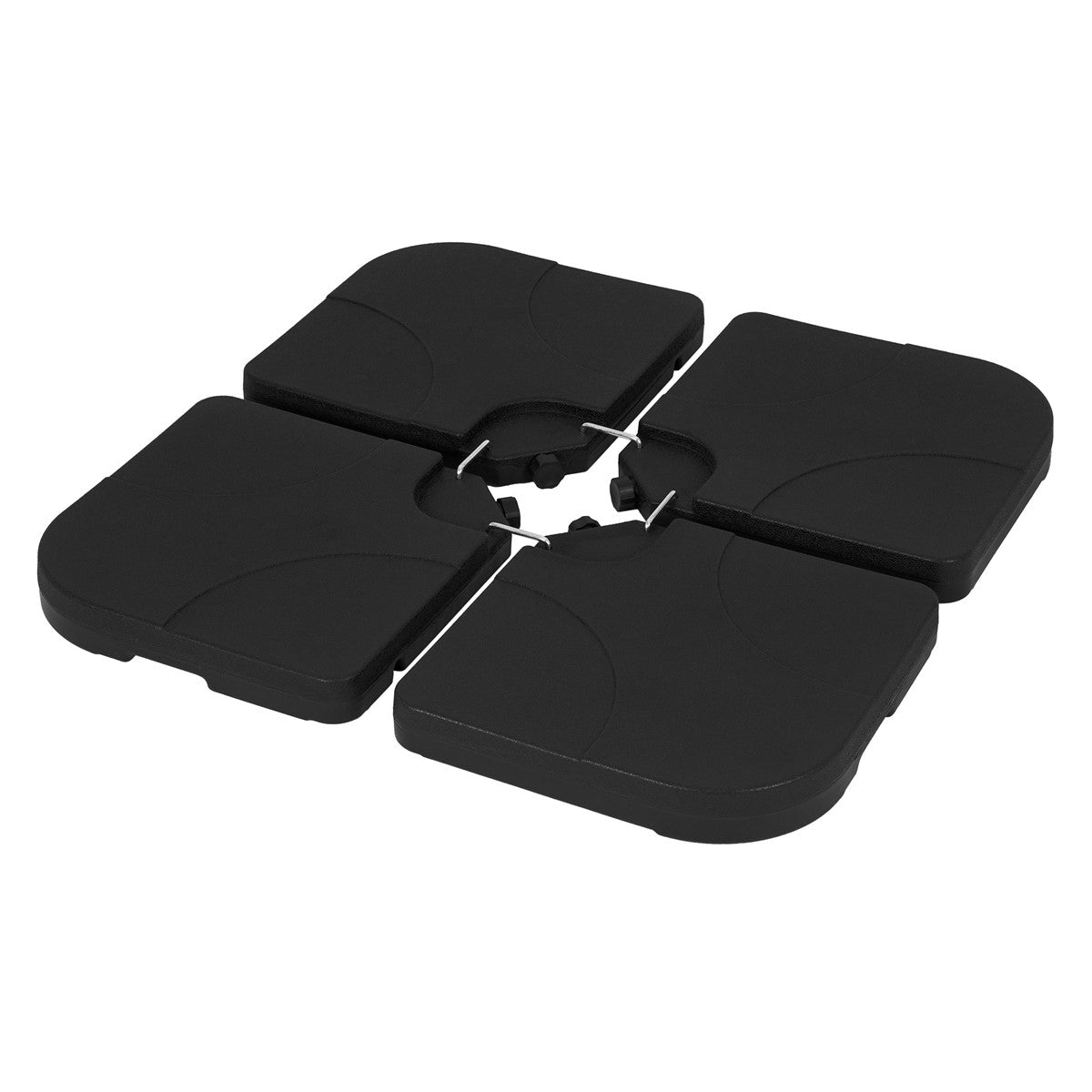
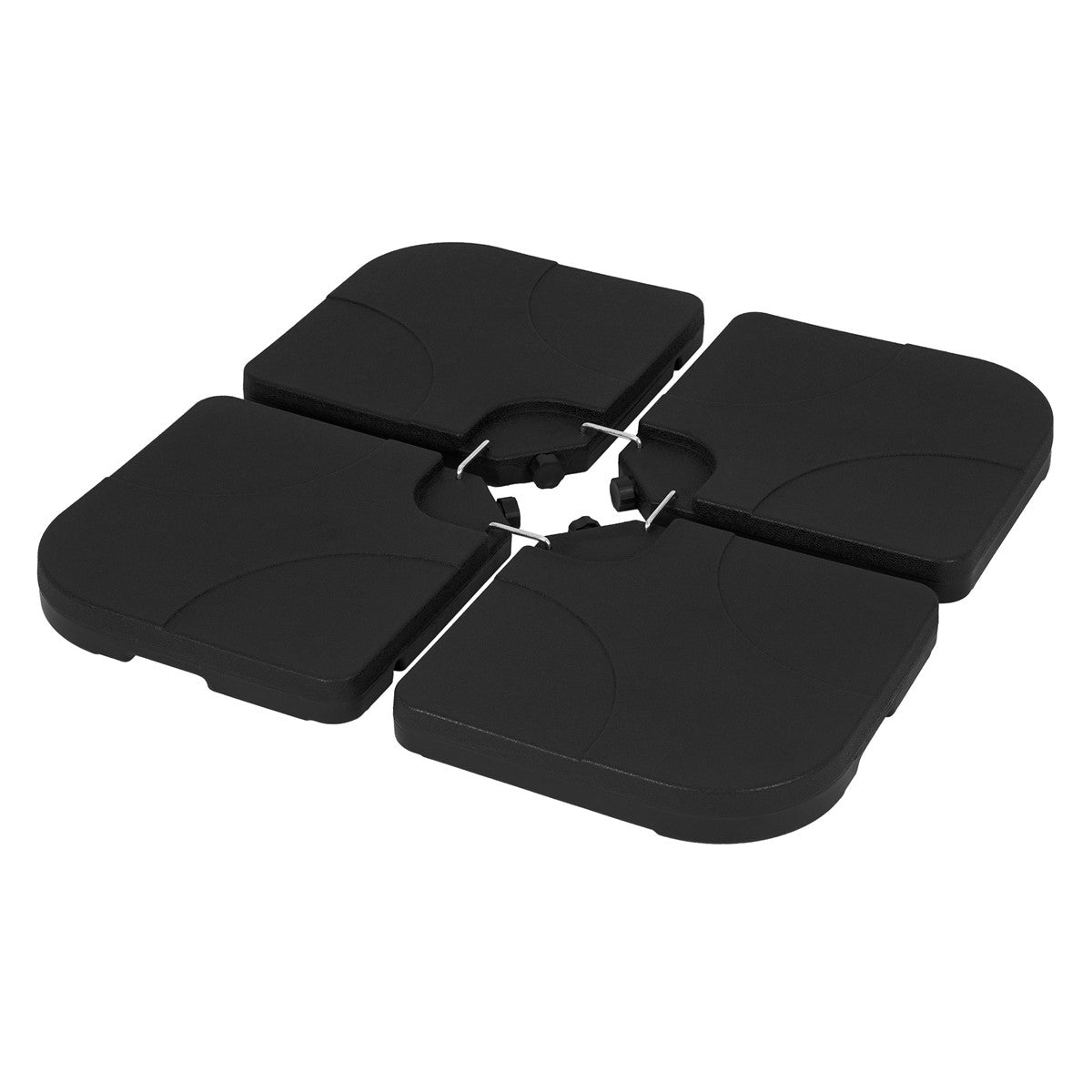
The right weight for a parasol base depends mainly on the size and design of the parasol. The larger the canopy, the more wind and other external forces can affect the structure. As a rough guide, small parasols up to around 2 m can often be paired with a parasol base weighing about 15–25 kg. Parasols around 2.5–3 m often require about 25–40 kg, while larger parasols may need about 40–60 kg or more. Large cantilever parasols often require 50 kg or more, or a suitably weighted base. These figures are only guidelines, as the parasol’s height and design, its location and wind conditions also play an important role.
- Small parasols up to approx. 2 m: about 15–25 kg
- Parasols approx. 2.5–3 m: about 25–40 kg
- Larger parasols: about 40–60 kg or more
- Large cantilever parasols: often 50 kg or more, or a suitably weighted base
Which is better—a dark or a light parasol?
Choosing between a dark and a light parasol is not just a matter of personal taste. Light colors look friendly and airy, and are particularly well suited to summer garden and patio designs. Dark shades such as gray or anthracite, on the other hand, often look more modern and create a stronger contrast with light garden furniture. However, color alone is not what determines how much sun protection a parasol provides. Material, fabric density and the stated UV protection are far more important. So if protection from UV radiation is a particular priority, check the technical specifications of the parasol in question rather than relying on its color alone.
UV protection from a parasol
A parasol is primarily intended to provide shade and can also reduce direct exposure to UV radiation. How effectively the canopy blocks UV radiation depends, among other things, on the material, weave density and construction. When the sun is particularly strong, it is worth checking the stated UV protection when buying a parasol. For children and longer periods outdoors, comprehensive sun protection with suitable clothing and sunscreen remains important as well.
What is the difference between a parasol and a cantilever parasol?
The main difference between the two types is the position of the pole. A traditional parasol has a pole in the center, beneath the canopy. A cantilever parasol, by contrast, has a pole to the side that supports the canopy on an arm. This gives a cantilever parasol a key advantage: the entire area beneath the canopy can be used without a pole in the middle of the seating area. A traditional parasol, on the other hand, is often the simpler, more space-saving option and is particularly well suited to garden tables.
Sun protection and wind—what should you bear in mind?
Wind is one of the biggest hazards for parasols. A large canopy presents a correspondingly large surface to the wind, so even a heavy parasol base cannot guarantee complete protection against the parasol tipping over or being damaged. The parasol should therefore be closed in stronger winds. If severe weather is forecast or you will be away for an extended period, it is sensible to take down larger models completely and store them in a sheltered place. With large cantilever parasols in particular, follow the manufacturer's instructions for safe use.
Care and storage of parasols
A parasol will stay looking good and working properly for longer if it is maintained regularly. Dust, leaves and other dirt can often be removed with a soft brush or a damp cloth. Proper storage is also important. If the parasol will not be needed for an extended period, it should be stored dry and, if possible, in a sheltered place. The canopy must be completely dry before storage. This helps prevent trapped moisture from causing unpleasant odors or mold.
Which sun protection is right for your outdoor space?
The right choice depends on the size of your outdoor space and your personal needs. Compact parasols are ideal for balconies when space is limited and you want flexible sun protection. A traditional parasol is particularly well suited to a garden table if the table has a suitable hole for the pole. A cantilever parasol provides a generous shaded area for lounge furniture without a pole in the middle of the seating area. Large cantilever parasols or several parasols can be used on large patios to provide pleasant shade over larger areas.
Sun protection to suit your style
A parasol is no longer just a practical accessory. Its color, shape and material can make it an important part of your garden or patio design. For example, a modern anthracite cantilever parasol can complement a minimalist lounge beautifully, while a traditional parasol with a light-colored canopy creates a bright, summery atmosphere. ML-Design parasols and cantilever parasols can therefore be integrated into a range of outdoor spaces in a way that is both practical and visually appealing.
Conclusion: Find the right sun protection for your garden, patio and balcony
The right sun protection makes gardens, balconies and patios much more comfortable on hot days. Whether you choose a classic parasol, a flexible cantilever parasol or a suitable parasol base, the key factors are the right size, adequate UV protection, high-quality materials and a stable footing. A classic parasol is often a simple, practical solution for a garden table. If, on the other hand, you want to shade a larger area while keeping the space beneath the parasol clear, a cantilever parasol is a good choice. In any case, it is important to choose a parasol base that suits the size and design of the parasol. With the right products from ML-Design, you can shade your outdoor space functionally while enhancing its appearance.




Sun protection – comfortable shade for the garden, patio and balcony
Sunshine is simply part of summer—but on hot days in particular, a shady spot is worth its weight in gold. The right sun protection can make outdoor spaces much more comfortable to use. Whether you choose a classic parasol, a large cantilever parasol or a sturdy parasol base, there are suitable options for gardens, patios and balconies to meet a range of space requirements and preferences. Alongside appearance, the main factors to consider when choosing are size, stability, material and UV protection. Good sun protection should not only provide ample shade but also stand securely and be easy to use. ML-Design models combine practical features with modern designs, making them ideal for stylishly complementing outdoor seating and living areas.
Parasol or cantilever parasol – which option is right for you?
Not every parasol is equally suitable for every outdoor space. The first key question is whether you prefer a classic parasol or a cantilever parasol. With a classic parasol, the pole is positioned in the middle, beneath the canopy. This makes it especially practical for garden tables with a built-in parasol hole. These models are also often compact and easy to set up. A cantilever parasol, by contrast, has a pole positioned to the side. The canopy is supported by an arm, leaving the space beneath it unobstructed. This is especially practical for lounge furniture, seating groups or larger patio areas.
- Classic parasol: ideal for garden tables
- Classic parasol: a compact and convenient option
- Classic parasol: available in a range of sizes and shapes
- Classic parasol: often easy to set up and store away
- Cantilever parasol: side pole
- Cantilever parasol: a large, unobstructed shaded area
- Cantilever parasol: no obstructive pole in the middle of the seating area
- Cantilever parasol: especially suitable for lounge and seating groups
Sun protection for the garden, patio and balcony
The ideal sun protection should suit the space available. A balcony usually offers very little floor space. Compact parasols are a practical choice here, as they can easily be closed or stored away when needed. On a patio, however, you can opt for more generous shade. Large parasols or cantilever parasols can cover an entire seating group, creating a comfortable area to relax. There are plenty of options in the garden, too. For example, a parasol can be set up right next to a seating group, garden table or sun lounger. If you want greater flexibility, you can reposition the parasol depending on the sun’s position or how you’re using the space.
How heavy should a parasol base be?
The right weight for a parasol base depends mainly on the size and design of the parasol. The larger the canopy, the more wind and other external forces can affect the structure. As a rough guide, small parasols up to around 2 m can often be paired with a parasol base weighing about 15–25 kg. Parasols around 2.5–3 m often require about 25–40 kg, while larger parasols may need about 40–60 kg or more. Large cantilever parasols often require 50 kg or more, or a suitably weighted base. These figures are only guidelines, as the parasol’s height and design, its location and wind conditions also play an important role.
- Small parasols up to approx. 2 m: about 15–25 kg
- Parasols approx. 2.5–3 m: about 25–40 kg
- Larger parasols: about 40–60 kg or more
- Large cantilever parasols: often 50 kg or more, or a suitably weighted base
Which is better—a dark or a light parasol?
Choosing between a dark and a light parasol is not just a matter of personal taste. Light colors look friendly and airy, and are particularly well suited to summer garden and patio designs. Dark shades such as gray or anthracite, on the other hand, often look more modern and create a stronger contrast with light garden furniture. However, color alone is not what determines how much sun protection a parasol provides. Material, fabric density and the stated UV protection are far more important. So if protection from UV radiation is a particular priority, check the technical specifications of the parasol in question rather than relying on its color alone.
UV protection from a parasol
A parasol is primarily intended to provide shade and can also reduce direct exposure to UV radiation. How effectively the canopy blocks UV radiation depends, among other things, on the material, weave density and construction. When the sun is particularly strong, it is worth checking the stated UV protection when buying a parasol. For children and longer periods outdoors, comprehensive sun protection with suitable clothing and sunscreen remains important as well.
What is the difference between a parasol and a cantilever parasol?
The main difference between the two types is the position of the pole. A traditional parasol has a pole in the center, beneath the canopy. A cantilever parasol, by contrast, has a pole to the side that supports the canopy on an arm. This gives a cantilever parasol a key advantage: the entire area beneath the canopy can be used without a pole in the middle of the seating area. A traditional parasol, on the other hand, is often the simpler, more space-saving option and is particularly well suited to garden tables.
Sun protection and wind—what should you bear in mind?
Wind is one of the biggest hazards for parasols. A large canopy presents a correspondingly large surface to the wind, so even a heavy parasol base cannot guarantee complete protection against the parasol tipping over or being damaged. The parasol should therefore be closed in stronger winds. If severe weather is forecast or you will be away for an extended period, it is sensible to take down larger models completely and store them in a sheltered place. With large cantilever parasols in particular, follow the manufacturer's instructions for safe use.
Care and storage of parasols
A parasol will stay looking good and working properly for longer if it is maintained regularly. Dust, leaves and other dirt can often be removed with a soft brush or a damp cloth. Proper storage is also important. If the parasol will not be needed for an extended period, it should be stored dry and, if possible, in a sheltered place. The canopy must be completely dry before storage. This helps prevent trapped moisture from causing unpleasant odors or mold.
Which sun protection is right for your outdoor space?
The right choice depends on the size of your outdoor space and your personal needs. Compact parasols are ideal for balconies when space is limited and you want flexible sun protection. A traditional parasol is particularly well suited to a garden table if the table has a suitable hole for the pole. A cantilever parasol provides a generous shaded area for lounge furniture without a pole in the middle of the seating area. Large cantilever parasols or several parasols can be used on large patios to provide pleasant shade over larger areas.
Sun protection to suit your style
A parasol is no longer just a practical accessory. Its color, shape and material can make it an important part of your garden or patio design. For example, a modern anthracite cantilever parasol can complement a minimalist lounge beautifully, while a traditional parasol with a light-colored canopy creates a bright, summery atmosphere. ML-Design parasols and cantilever parasols can therefore be integrated into a range of outdoor spaces in a way that is both practical and visually appealing.
Conclusion: Find the right sun protection for your garden, patio and balcony
The right sun protection makes gardens, balconies and patios much more comfortable on hot days. Whether you choose a classic parasol, a flexible cantilever parasol or a suitable parasol base, the key factors are the right size, adequate UV protection, high-quality materials and a stable footing. A classic parasol is often a simple, practical solution for a garden table. If, on the other hand, you want to shade a larger area while keeping the space beneath the parasol clear, a cantilever parasol is a good choice. In any case, it is important to choose a parasol base that suits the size and design of the parasol. With the right products from ML-Design, you can shade your outdoor space functionally while enhancing its appearance.
Find even more among our top sellers






Popular categories


