


Lamps & Lanterns – stylish lighting for home and garden
The right lighting can significantly change a room. Lamps provide functional light in everyday life, while decorative light sources like lanterns primarily create a cozy and atmospheric environment. Depending on the location, furnishing style, and desired light effect, different models are suitable.
Whether modern LED lamp for the living room, decorative light for the bedroom, or a glass lantern for the terrace and balcony – design, material, light color, size, and application area play an important role in the selection.
With the right lamps and lanterns from ECD-Germany, living spaces and outdoor areas can be designed both practically and decoratively.
Which lamp is suitable for which room?
Not every lamp serves the same purpose. While bright and as uniform light as possible is required in work areas, the lighting in the living room or bedroom can be significantly warmer and cozier.
In the living room, for example, ceiling lights are suitable as basic lighting, while floor or table lamps can create additional light islands.
In the bedroom, warm, rather subdued light is pleasant. Bedside lamps or small decorative lights can create a cozy atmosphere.
In the kitchen, good illumination of the work surfaces is particularly important. Here, the light should be bright enough and create as little shadow as possible.
In the study or home office, the lighting should illuminate the workspace well without causing glare. A desk lamp can sensibly complement the general room lighting.
For hallways and entryways, space-saving ceiling, wall, or pendant lights are suitable. Here, a uniform orientation is usually the priority.
What types of lamps are there?
Lamps differ not only in their design but also in their function and application area. The most common variants include:
- Ceiling lamps
- Pendant lights
- Floor lamps
- Table lamps
- Wall lights
- Desk lamps
- Decorative lights
- LED lamps
- Solar lights for outdoor use
Ceiling lamps are usually suitable as general lighting, while table and floor lamps can specifically highlight individual areas. A combination of different light sources is often particularly effective. This way, a room can be illuminated both functionally and atmospherically.
What are the advantages of LED lamps?
LED lamps have established themselves as a modern lighting solution in many households. They offer high energy efficiency and can achieve a long lifespan with appropriate quality.
Another advantage is the wide selection of light colors. Depending on the model, warm white, neutral white, or cooler white light can be chosen.
LED technology also allows for very different designs. This means that LED lamps can be used for both functional lighting and decorative lights.
Other advantages may include:
- low energy consumption
- long lifespan
- low heat generation
- different light colors
- compact designs
- quick full brightness
- varied designs
When selecting, one should not only look at the wattage. For the actual brightness, the luminous flux in lumens is particularly relevant.
How much light does a room need?
The amount of light needed depends on the room size, usage, and personal preferences. For example, a living room requires different lighting than a workspace.
For a rough orientation, the required amount of light can be considered based on the room size and the desired level of illumination. Wall colors, furniture, and the amount of natural light available also play a role.
Bright rooms with large windows often require less artificial lighting than dark rooms. For work surfaces, however, it is important to ensure sufficient bright and preferably glare-free light.
Instead of using a single extremely bright lamp, it may be more sensible to distribute several light sources throughout the room. This creates different light areas and often makes the room feel more pleasant.
Warm white, neutral white, or cool white?
In addition to brightness, the color of the light also influences the atmosphere of a room.
Warm white light creates a cozy atmosphere and is particularly suitable for living rooms, bedrooms, or decorative lighting.
Neutral white light appears more factual and is suitable, for example, for kitchens, bathrooms, or work areas.
Cool white light appears particularly clear and bright and can be interesting for certain work areas.
For cozy living areas, warm white light is often preferred, while functional areas can benefit from a more neutral light color.
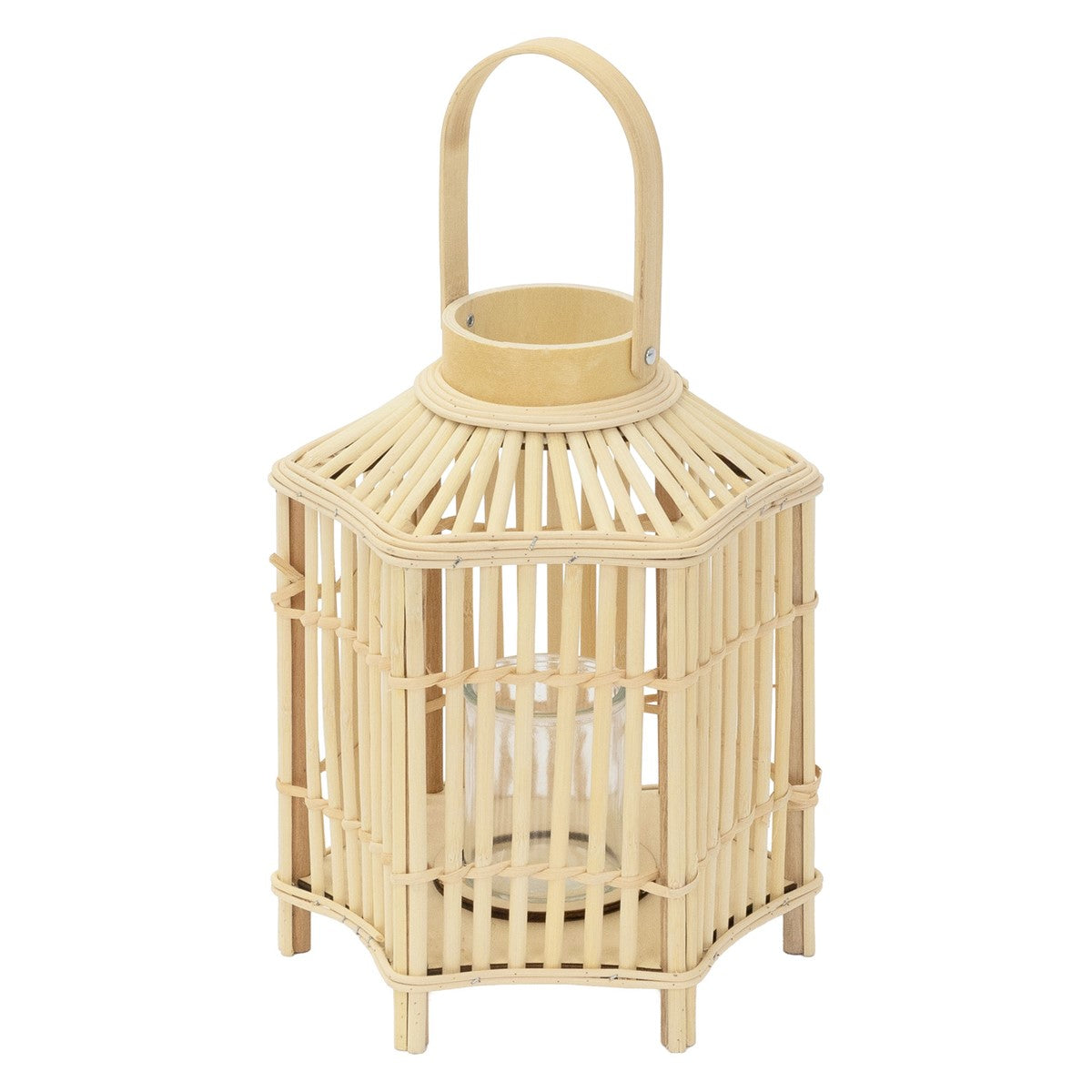
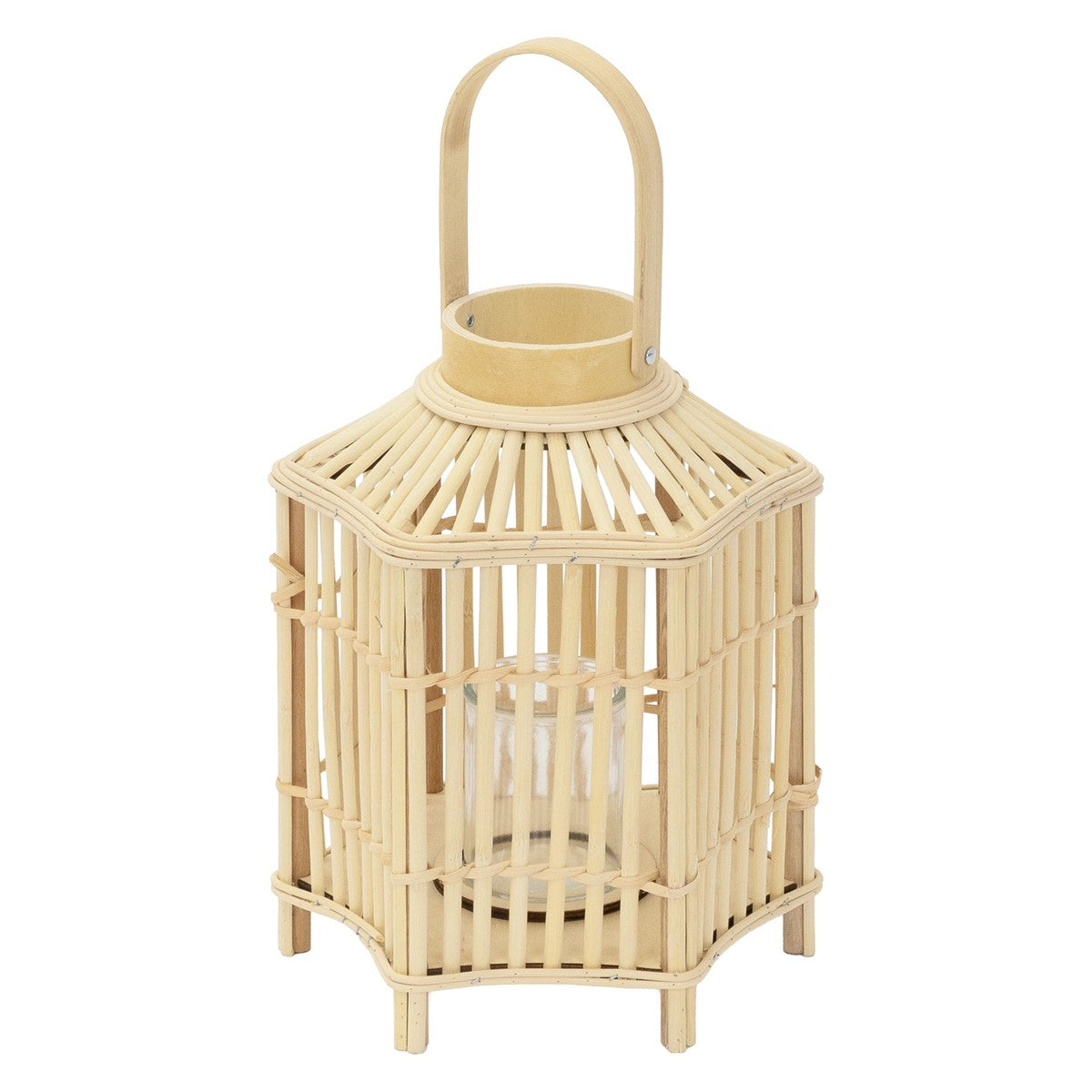
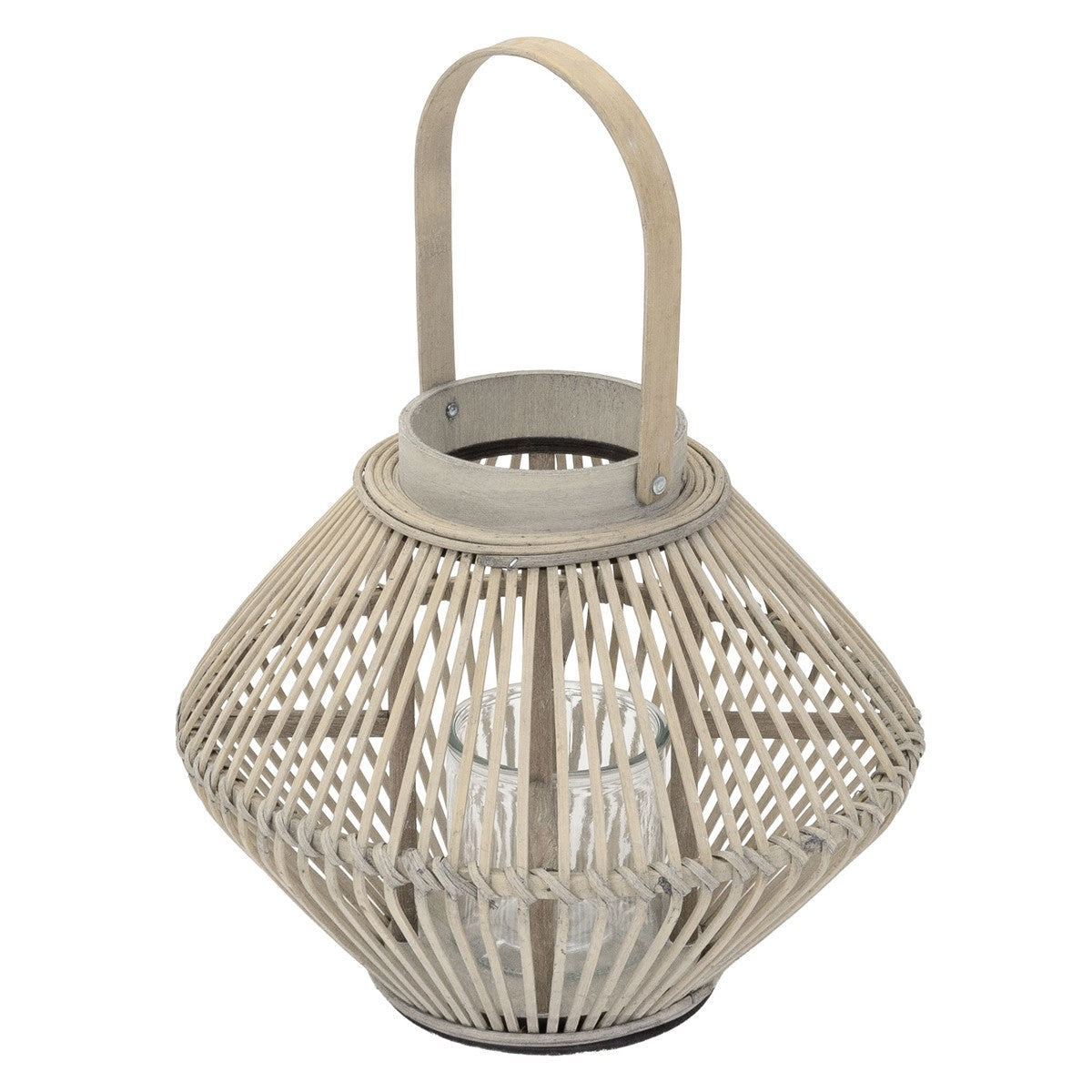
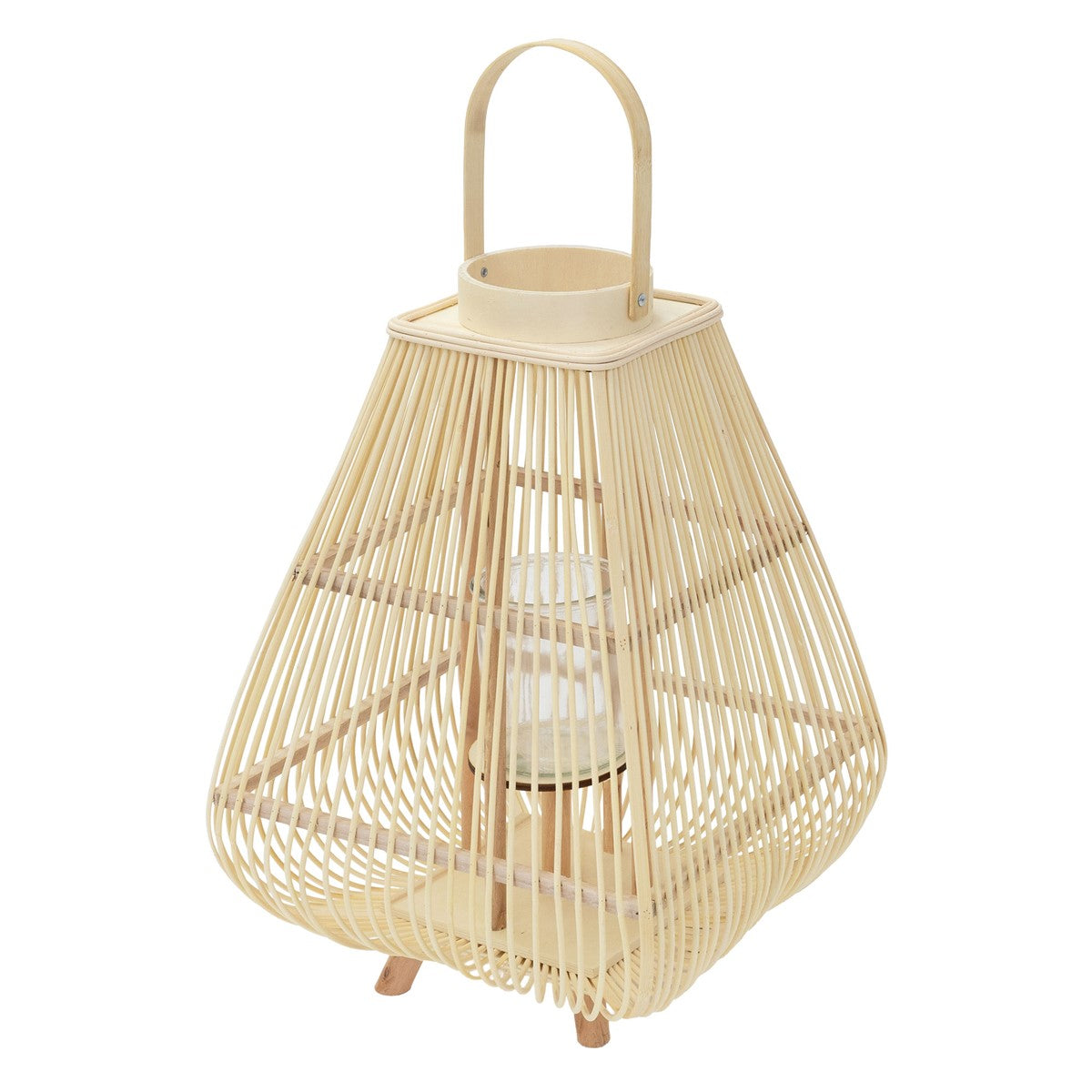
Lanterns – cozy light sources for indoors and outdoors
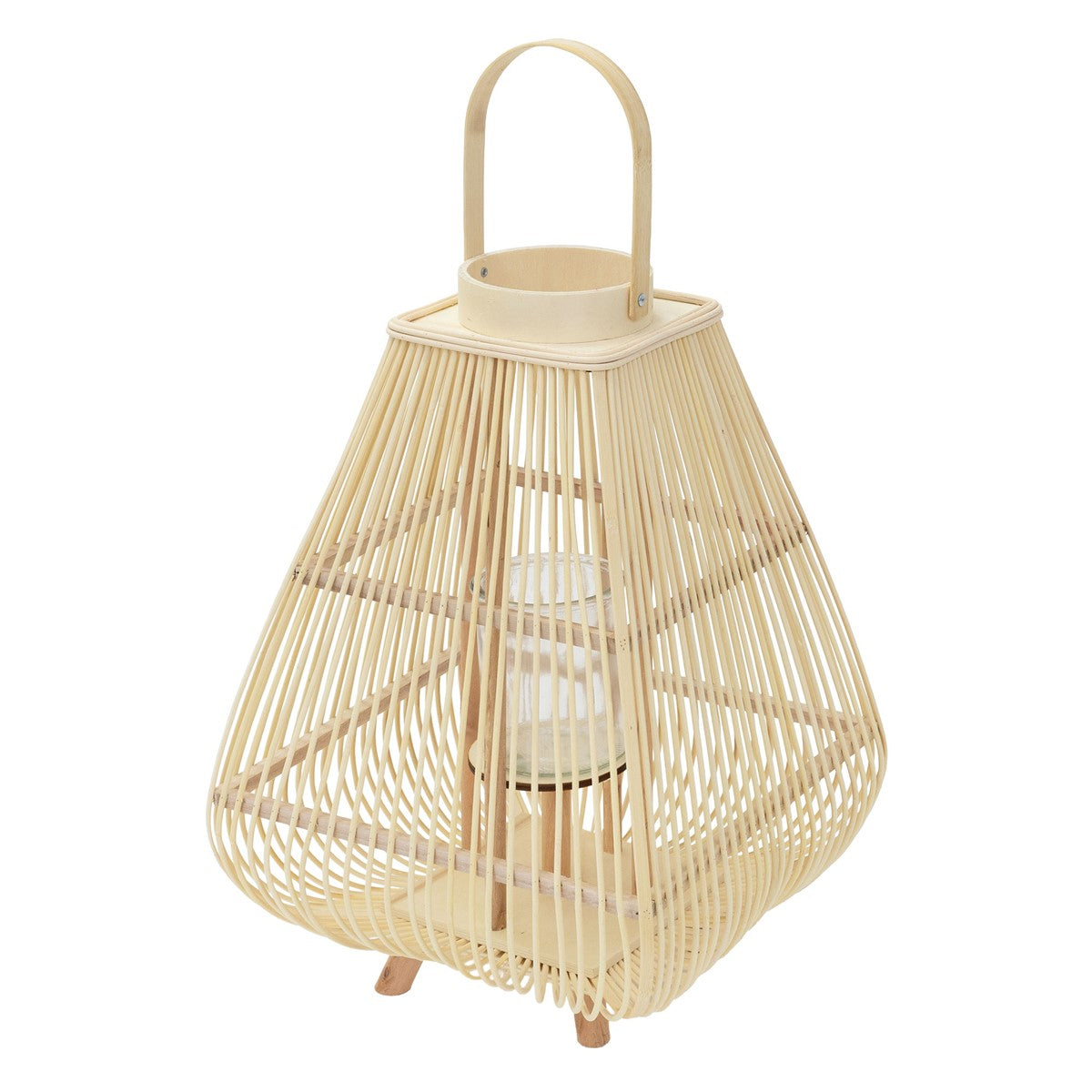
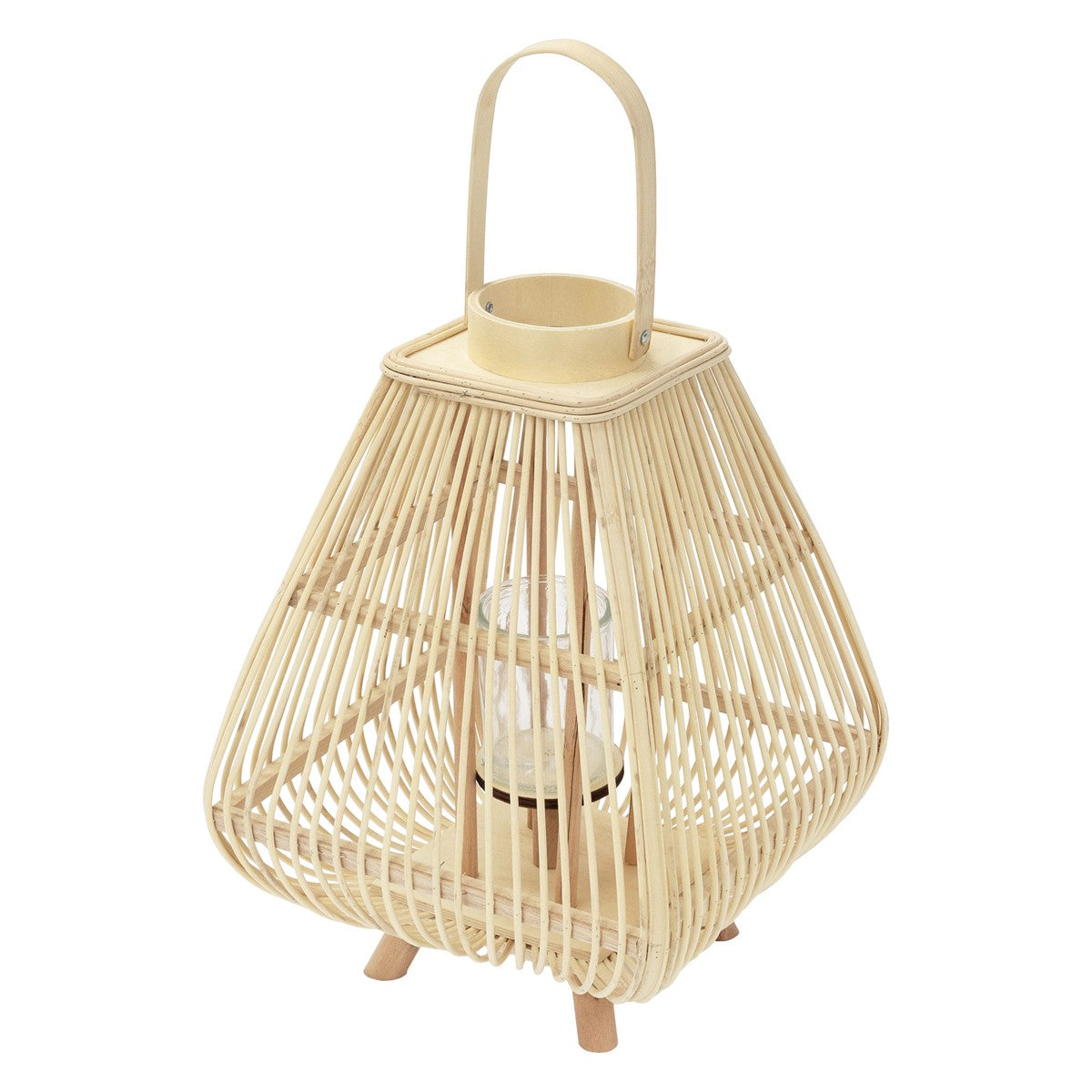
A lantern differs from a classic lamp mainly due to its decorative function. A candle or a suitable light source creates a warm, flickering light that generates a cozy atmosphere, especially in the evening.
Lanterns can be placed on tables, windowsills, sideboards, or terraces, for example.
Multiple lanterns in different sizes can create a particularly varied light mood.
Are glass lanterns suitable for outdoor use?
Glass lanterns can generally also be used outdoors. However, their suitability depends on the specific model, material, and construction.
Outdoors, lanterns should stand as stable as possible and be protected from strong winds. In strong winds, an open flame can quickly become problematic.
Extreme temperature fluctuations should also be taken into account. Depending on the type of glass and processing, a sudden temperature change can pose a risk.
For balconies, terraces, or gardens, it should always be checked whether the respective lantern is intended for outdoor use.
Glass lantern – elegant and versatile
Glass lanterns are particularly popular because glass makes the light of a candle visible while also creating an elegant appearance.
Transparent glass makes the candlelight appear particularly direct. Tinted or textured glass, on the other hand, can create a softer and more diffuse light effect.
The shape of the glass also influences the appearance. Simple cylindrical models appear modern and understated, while decorative shapes are perceived more as standalone home accessories.
Glasses for lanterns
Individual glasses for lanterns can also be used to showcase candles decoratively. Depending on the design, they can be placed individually or in groups.
The combination of different sizes is particularly interesting. Small glasses can be arranged together with larger lanterns, for example.
It is important that the vessel used is suitable for the intended purpose. With open flames, there should be sufficient distance from flammable materials.
Materials of lamps and lanterns
Many different materials are used in lamps and lanterns.
Metal is robust and allows for both modern and industrial designs. It can be used, for example, in lamp frames or decorative lanterns.
Glass looks elegant and allows light to shine particularly well. It is often used for lanterns, lampshades, and decorative lights.
Wood brings a natural and warm look to the room. It fits particularly well with Scandinavian, rustic, or natural interior styles.
Combinations of metal, glass, and wood are also popular and can create interesting contrasts.
Lamps and lanterns for outdoor use
For gardens, terraces, and balconies, different requirements apply than for indoor spaces. Outdoor lights must cope with moisture, dust, temperature fluctuations, and sometimes direct weather, depending on the model.
For electric lamps, attention should therefore be paid to the corresponding protection class or IP rating. This indicates how well a product is protected against the ingress of dust and water, among other things.
Decorative lanterns do not require an electrical protection class, but should stand stable and be suitable for the candle or light source used.
How do you create a cozy lighting atmosphere?
A cozy atmosphere rarely arises from a single light source. Often, a combination of general lighting, indirect light, and decorative light sources appears more harmonious.
For example, a ceiling lamp, a floor lamp, and several small lanterns can be combined.
The position also plays a role. Light sources at different heights create more depth and make a room appear more varied.
Especially in the evening, lanterns can be used as small islands of light.
Lamps and lanterns to match the living style
Lighting should not only be practical but can also represent an important part of the decor.
In a modern living style clear shapes, subtle colors, and reduced lighting fixtures are suitable.
An Industrial look can be complemented, for example, by metal, dark surfaces, and striking shapes.
For a natural or Scandinavian style materials such as wood, glass, and light colors are suitable.
Those who prefer a more classic or elegant style can set accents with decorative glass lanterns, warm light, and eye-catching fixtures.
What should you pay attention to when buying?
Before purchasing a lamp or lantern, the desired area of use should first be determined. Important criteria are:
- Location
- Size
- Light source
- Brightness
- Light color
- Material
- Design
- Energy efficiency
- Protection class for outdoor lights
- Stability
- Maintenance effort
- Price-performance ratio
When it comes to lamps, it should also be noted whether the light source is replaceable or permanently integrated. For lanterns, the size of the candle, stability, and suitability for outdoor use are relevant.
Lamps & lanterns from ECD-Germany
With the lamps and lanterns from ECD-Germanydifferent lighting concepts can be implemented. Functional lamps can provide the necessary basic or workplace lighting, while lanterns can set targeted decorative light accents.
By combining different light sources, both practical and cozy areas can be created – from the living room to the bedroom to the balcony, terrace, and garden.
Conclusion: Combine functional light with decorative atmosphere
Lamps and lanterns serve different purposes but can complement each other excellently. While lamps provide targeted and reliable lighting, lanterns create a particularly warm and decorative atmosphere.
When selecting, attention should be paid not only to the design but especially to application area, material, light effect, size, and qualityFor outdoor use, weather resistance and the appropriate protection class for electrical lights are also important.
Discover now lamps and lanterns from ECD-Germanyand combine functional lighting with stylish light accents for your home or outdoor area.








Lamps & Lanterns – stylish lighting for home and garden
The right lighting can significantly change a room. Lamps provide functional light in everyday life, while decorative light sources like lanterns primarily create a cozy and atmospheric environment. Depending on the location, furnishing style, and desired light effect, different models are suitable.
Whether modern LED lamp for the living room, decorative light for the bedroom, or a glass lantern for the terrace and balcony – design, material, light color, size, and application area play an important role in the selection.
With the right lamps and lanterns from ECD-Germany, living spaces and outdoor areas can be designed both practically and decoratively.
Which lamp is suitable for which room?
Not every lamp serves the same purpose. While bright and as uniform light as possible is required in work areas, the lighting in the living room or bedroom can be significantly warmer and cozier.
In the living room, for example, ceiling lights are suitable as basic lighting, while floor or table lamps can create additional light islands.
In the bedroom, warm, rather subdued light is pleasant. Bedside lamps or small decorative lights can create a cozy atmosphere.
In the kitchen, good illumination of the work surfaces is particularly important. Here, the light should be bright enough and create as little shadow as possible.
In the study or home office, the lighting should illuminate the workspace well without causing glare. A desk lamp can sensibly complement the general room lighting.
For hallways and entryways, space-saving ceiling, wall, or pendant lights are suitable. Here, a uniform orientation is usually the priority.
What types of lamps are there?
Lamps differ not only in their design but also in their function and application area. The most common variants include:
- Ceiling lamps
- Pendant lights
- Floor lamps
- Table lamps
- Wall lights
- Desk lamps
- Decorative lights
- LED lamps
- Solar lights for outdoor use
Ceiling lamps are usually suitable as general lighting, while table and floor lamps can specifically highlight individual areas. A combination of different light sources is often particularly effective. This way, a room can be illuminated both functionally and atmospherically.
What are the advantages of LED lamps?
LED lamps have established themselves as a modern lighting solution in many households. They offer high energy efficiency and can achieve a long lifespan with appropriate quality.
Another advantage is the wide selection of light colors. Depending on the model, warm white, neutral white, or cooler white light can be chosen.
LED technology also allows for very different designs. This means that LED lamps can be used for both functional lighting and decorative lights.
Other advantages may include:
- low energy consumption
- long lifespan
- low heat generation
- different light colors
- compact designs
- quick full brightness
- varied designs
When selecting, one should not only look at the wattage. For the actual brightness, the luminous flux in lumens is particularly relevant.
How much light does a room need?
The amount of light needed depends on the room size, usage, and personal preferences. For example, a living room requires different lighting than a workspace.
For a rough orientation, the required amount of light can be considered based on the room size and the desired level of illumination. Wall colors, furniture, and the amount of natural light available also play a role.
Bright rooms with large windows often require less artificial lighting than dark rooms. For work surfaces, however, it is important to ensure sufficient bright and preferably glare-free light.
Instead of using a single extremely bright lamp, it may be more sensible to distribute several light sources throughout the room. This creates different light areas and often makes the room feel more pleasant.
Warm white, neutral white, or cool white?
In addition to brightness, the color of the light also influences the atmosphere of a room.
Warm white light creates a cozy atmosphere and is particularly suitable for living rooms, bedrooms, or decorative lighting.
Neutral white light appears more factual and is suitable, for example, for kitchens, bathrooms, or work areas.
Cool white light appears particularly clear and bright and can be interesting for certain work areas.
For cozy living areas, warm white light is often preferred, while functional areas can benefit from a more neutral light color.
Lanterns – cozy light sources for indoors and outdoors
A lantern differs from a classic lamp mainly due to its decorative function. A candle or a suitable light source creates a warm, flickering light that generates a cozy atmosphere, especially in the evening.
Lanterns can be placed on tables, windowsills, sideboards, or terraces, for example.
Multiple lanterns in different sizes can create a particularly varied light mood.
Are glass lanterns suitable for outdoor use?
Glass lanterns can generally also be used outdoors. However, their suitability depends on the specific model, material, and construction.
Outdoors, lanterns should stand as stable as possible and be protected from strong winds. In strong winds, an open flame can quickly become problematic.
Extreme temperature fluctuations should also be taken into account. Depending on the type of glass and processing, a sudden temperature change can pose a risk.
For balconies, terraces, or gardens, it should always be checked whether the respective lantern is intended for outdoor use.
Glass lantern – elegant and versatile
Glass lanterns are particularly popular because glass makes the light of a candle visible while also creating an elegant appearance.
Transparent glass makes the candlelight appear particularly direct. Tinted or textured glass, on the other hand, can create a softer and more diffuse light effect.
The shape of the glass also influences the appearance. Simple cylindrical models appear modern and understated, while decorative shapes are perceived more as standalone home accessories.
Glasses for lanterns
Individual glasses for lanterns can also be used to showcase candles decoratively. Depending on the design, they can be placed individually or in groups.
The combination of different sizes is particularly interesting. Small glasses can be arranged together with larger lanterns, for example.
It is important that the vessel used is suitable for the intended purpose. With open flames, there should be sufficient distance from flammable materials.
Materials of lamps and lanterns
Many different materials are used in lamps and lanterns.
Metal is robust and allows for both modern and industrial designs. It can be used, for example, in lamp frames or decorative lanterns.
Glass looks elegant and allows light to shine particularly well. It is often used for lanterns, lampshades, and decorative lights.
Wood brings a natural and warm look to the room. It fits particularly well with Scandinavian, rustic, or natural interior styles.
Combinations of metal, glass, and wood are also popular and can create interesting contrasts.
Lamps and lanterns for outdoor use
For gardens, terraces, and balconies, different requirements apply than for indoor spaces. Outdoor lights must cope with moisture, dust, temperature fluctuations, and sometimes direct weather, depending on the model.
For electric lamps, attention should therefore be paid to the corresponding protection class or IP rating. This indicates how well a product is protected against the ingress of dust and water, among other things.
Decorative lanterns do not require an electrical protection class, but should stand stable and be suitable for the candle or light source used.
How do you create a cozy lighting atmosphere?
A cozy atmosphere rarely arises from a single light source. Often, a combination of general lighting, indirect light, and decorative light sources appears more harmonious.
For example, a ceiling lamp, a floor lamp, and several small lanterns can be combined.
The position also plays a role. Light sources at different heights create more depth and make a room appear more varied.
Especially in the evening, lanterns can be used as small islands of light.
Lamps and lanterns to match the living style
Lighting should not only be practical but can also represent an important part of the decor.
In a modern living style clear shapes, subtle colors, and reduced lighting fixtures are suitable.
An Industrial look can be complemented, for example, by metal, dark surfaces, and striking shapes.
For a natural or Scandinavian style materials such as wood, glass, and light colors are suitable.
Those who prefer a more classic or elegant style can set accents with decorative glass lanterns, warm light, and eye-catching fixtures.
What should you pay attention to when buying?
Before purchasing a lamp or lantern, the desired area of use should first be determined. Important criteria are:
- Location
- Size
- Light source
- Brightness
- Light color
- Material
- Design
- Energy efficiency
- Protection class for outdoor lights
- Stability
- Maintenance effort
- Price-performance ratio
When it comes to lamps, it should also be noted whether the light source is replaceable or permanently integrated. For lanterns, the size of the candle, stability, and suitability for outdoor use are relevant.
Lamps & lanterns from ECD-Germany
With the lamps and lanterns from ECD-Germanydifferent lighting concepts can be implemented. Functional lamps can provide the necessary basic or workplace lighting, while lanterns can set targeted decorative light accents.
By combining different light sources, both practical and cozy areas can be created – from the living room to the bedroom to the balcony, terrace, and garden.
Conclusion: Combine functional light with decorative atmosphere
Lamps and lanterns serve different purposes but can complement each other excellently. While lamps provide targeted and reliable lighting, lanterns create a particularly warm and decorative atmosphere.
When selecting, attention should be paid not only to the design but especially to application area, material, light effect, size, and qualityFor outdoor use, weather resistance and the appropriate protection class for electrical lights are also important.
Discover now lamps and lanterns from ECD-Germanyand combine functional lighting with stylish light accents for your home or outdoor area.
Find even more among our top sellers







Popular categories


