


Greenhouses & garden beds – get more out of your garden
Having your own garden offers countless opportunities to grow fruit, vegetables, herbs and flowers yourself. With the right greenhouse and suitable garden beds, you can extend the gardening season, protect delicate plants more effectively and create a productive growing space even in a small area.
Whether it’s tomatoes, cucumbers and peppers in a sheltered greenhouse or lettuce, strawberries and herbs in a raised bed, the right solution depends primarily on the space available, the plants you want to grow and how much time you’re willing to spend on care.
The following questions, among others, play a role in planning:
- How much space is available in the garden?
- Which plants do you want to grow?
- Would you like to start sowing as early in the year as possible?
- How much care and watering are you willing to provide?
- Should the garden bed be at ground level, raised or mobile?
- How much space is needed for a greenhouse?
With a carefully planned combination of a greenhouse and garden beds, you can make the most of your garden and create your own small growing space.
Greenhouse – protected growing for a longer gardening season

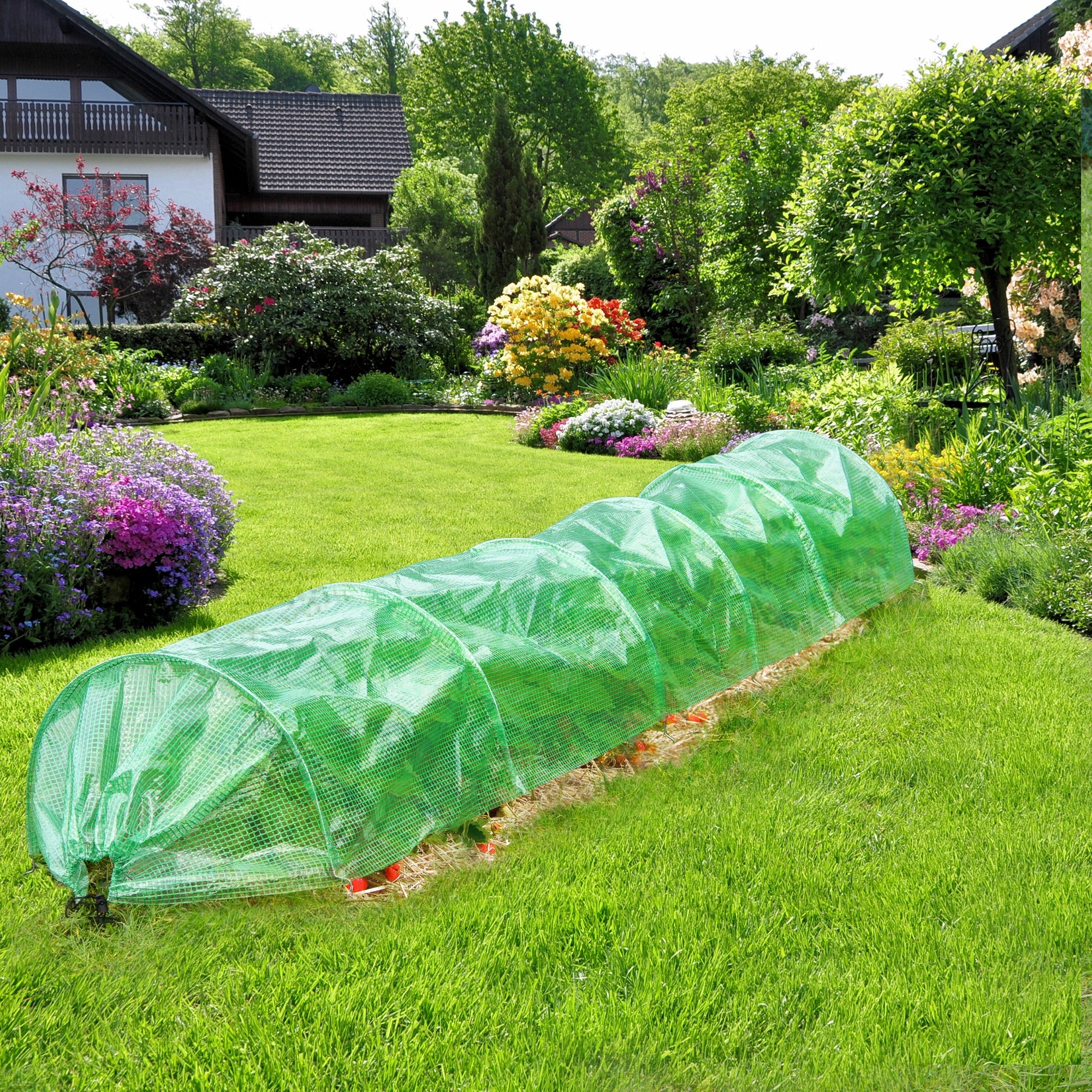
A greenhouse creates conditions that allow many plants to be sown much earlier and grown for longer. Its transparent structure lets sunlight in while also protecting plants from wind, rain and, to some extent, low temperatures. Greenhouses are especially popular for heat-loving plants such as tomatoes, cucumbers, peppers and chillies. A greenhouse is also ideal for raising young plants.
As well as the size, you should pay particular attention to the construction and materials used when buying a greenhouse. A sturdy frame, durable glazing or panels, and adequate ventilation all help ensure that you can enjoy your greenhouse for years to come.
Which greenhouses are the best?

The best greenhouse is always the model that suits your garden, your plants and your requirements. A compact greenhouse may be all you need if you’re a beginner or have a small garden. If you regularly grow larger quantities of vegetables, however, you should plan for more space and enough room to move around. The following features are especially important:
- sturdy frame construction
- light-transmitting glazing or panels
- adequate ventilation
- suitable floor area and height
- weather-resistant materials
- easy access and practical doors
Orientation also plays a role. A location that gets as much sun as possible helps plants grow. At the same time, the greenhouse should not be unnecessarily shaded by buildings or large trees.
Who can benefit from a greenhouse?

A greenhouse is worthwhile not only for passionate hobby gardeners. Beginners can also benefit if they enjoy growing their own vegetables and want to extend the gardening season. It is especially appealing to anyone who wants to grow their own vegetables, cultivate heat-loving plants, start growing plants earlier in the year, or protect their plants from wind and weather.
For families, a greenhouse can also be an exciting way to teach children about growing vegetables and the natural cycle from sowing to harvest. However, anyone who only wants to grow a few herbs or lettuce now and then does not necessarily need a large greenhouse. Compact models or sheltered beds may be a more practical solution for smaller projects.
What is the minimum size for a greenhouse?
When choosing the size, you should not base your decision solely on how many plants you currently want to grow. A little extra space quickly pays off, as there needs to be enough room between the plants for care, watering, and harvesting. The following sizes can serve as a rough guide:
- 2–4 m²: suitable for beginners and small growing projects
- 4–8 m²: a good size for growing a variety of vegetables
- 8 m² and up: ideal for larger harvests and several types of plants
In addition to the floor area, height is also crucial. Adequate headroom makes plant care much more comfortable and gives tall-growing plants more space. As a general rule, if space allows, a slightly larger greenhouse is often a better investment than a model that is just barely large enough.
Which materials are suitable for greenhouses?
Greenhouses can be made from a range of materials. Aluminum, steel, or plastic are commonly used for the frame, while glass or plastic panels are often used for the transparent exterior.
Aluminum – lightweight and low-maintenance
Aluminum is especially popular because it is lightweight and relatively low-maintenance. It is easy to work with and is a practical solution for many private greenhouses.
Steel – sturdy and durable
Steel offers a high level of stability and is particularly suitable for structures that require a robust frame. However, steel is usually heavier than aluminum.
Glass – classic and lets in plenty of light
Glass is the traditional material for greenhouses and lets plenty of light inside. A glass greenhouse also has a high-quality appearance. However, depending on the type of glass, its resistance to breakage should be taken into account.
Plastic panels – lightweight and practical
Plastic panels such as polycarbonate are a popular alternative to glass. They are lightweight, durable, and especially suitable for modern greenhouse structures.
Garden beds – the right foundation for vegetables, herbs, and flowers
Not every plant needs a greenhouse. With the right garden bed, you can create excellent growing conditions outdoors, too. It’s not just about size: height, location, soil conditions, and accessibility also affect how comfortable and successful gardening will be.
A well-planned garden bed should provide enough space for the plants while also being laid out so you can easily sow, tend, and harvest them.
What types of garden beds are there?
From classic ground-level beds to convenient raised beds, there are various ways to design your garden.
Classic garden bed
A classic garden bed is created directly in the existing garden soil. It is particularly well suited to larger areas and can be planted in a flexible way.
- large growing area possible
- natural connection to the garden soil
- ideal for vegetables, herbs, and flowers
- relatively little material required
Raised bed
Raised beds are one of the most popular options for hobby gardeners. The elevated growing area is easier on your back and makes gardening more comfortable. At the same time, you can tailor the soil to the plants’ needs. Raised beds are especially practical for vegetables, herbs, lettuce, strawberries, and smaller crops.
The elevated position can also help the soil warm up faster, making it possible to start the gardening season earlier.
Cold frame
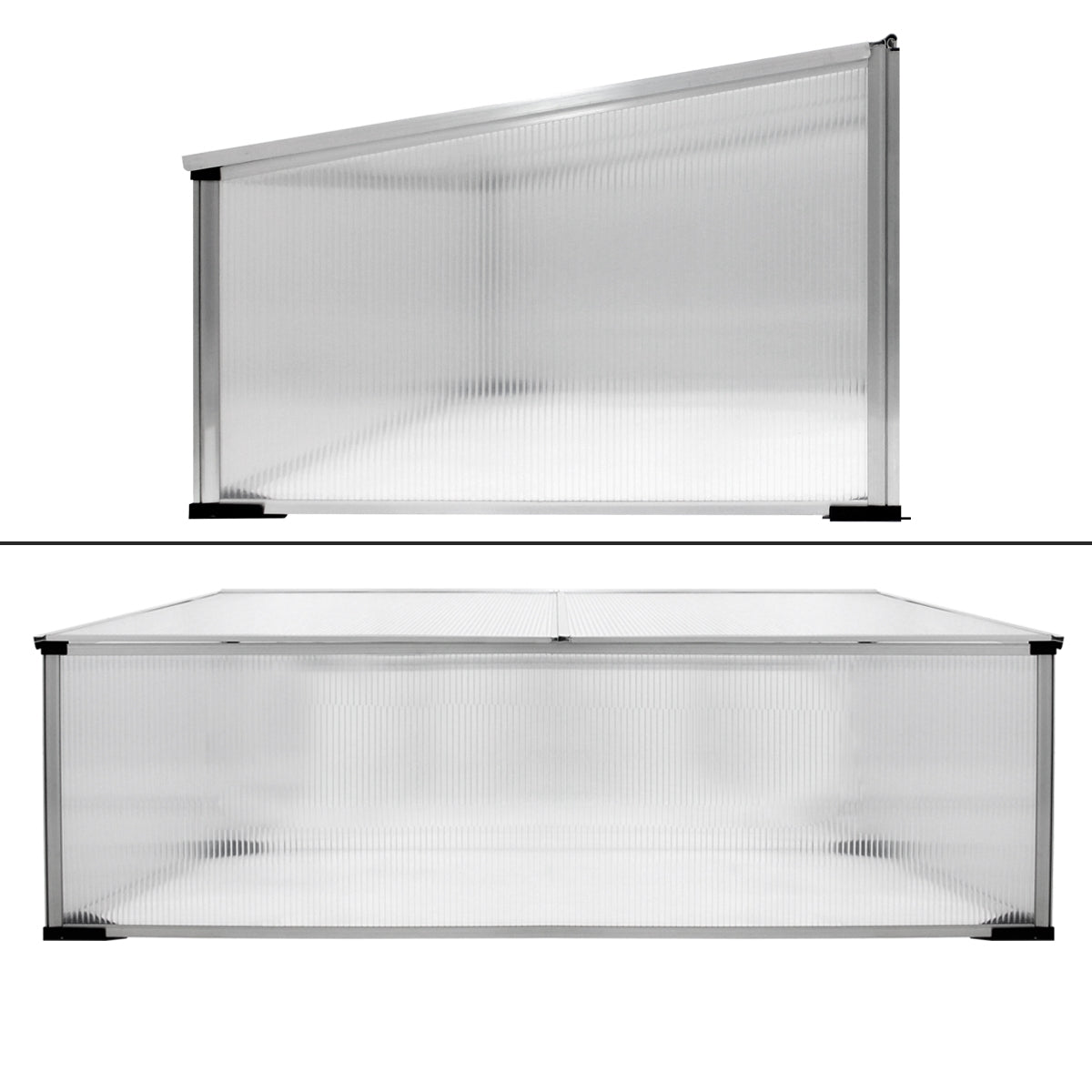
A cold frame works much like a small greenhouse. A transparent cover protects the plants and creates a more favorable microclimate. It is ideal for starting lettuce, herbs, and vegetables early.
Planting beds and decorative beds
If you care about your garden’s appearance as well as growing useful plants, you can dedicate beds to flowers, perennials, or ornamental plants. This lets you combine functional growing areas with attractive garden design.
The right location for a greenhouse and garden bed
A good location is crucial to how well plants grow. Vegetables such as tomatoes, peppers and cucumbers in particular need plenty of light and benefit from a sunny spot. So when setting up a greenhouse, you should choose a bright, sunny location if possible. At the same time, the structure should be secure and provide enough space for the doors and for tending the area around the greenhouse.
Good planning is worthwhile for garden beds, too. Paths between the individual growing areas make them easier to care for and prevent you from having to walk through the beds every time you need to work.
Plan watering and care properly
It can get hot quickly in a greenhouse, especially on warm days. Regular ventilation and an adequate water supply are therefore important. For garden beds, water requirements depend more on the location, soil and type of plant. Mulch can help retain moisture in the soil for longer while also reducing weed growth.
For easy garden maintenance, it is worth planning short routes between the water supply, garden bed and greenhouse from the outset.
Conclusion: More harvests and more possibilities in your own garden
A greenhouse creates sheltered conditions for heat-loving plants and can significantly extend the gardening season. Garden beds and raised beds, on the other hand, offer flexible options for growing vegetables, herbs, lettuce and flowers—from traditional cultivation to comfortable gardening at a convenient height.
The biggest or most expensive solution is not necessarily the best choice. What matters much more is that the size, material, location and features suit your own gardening plans. With a suitable greenhouse and well-planned beds, you can make efficient use of your garden and create a versatile growing area for the entire season.




Greenhouses & garden beds – get more out of your garden
Having your own garden offers countless opportunities to grow fruit, vegetables, herbs and flowers yourself. With the right greenhouse and suitable garden beds, you can extend the gardening season, protect delicate plants more effectively and create a productive growing space even in a small area.
Whether it’s tomatoes, cucumbers and peppers in a sheltered greenhouse or lettuce, strawberries and herbs in a raised bed, the right solution depends primarily on the space available, the plants you want to grow and how much time you’re willing to spend on care.
The following questions, among others, play a role in planning:
- How much space is available in the garden?
- Which plants do you want to grow?
- Would you like to start sowing as early in the year as possible?
- How much care and watering are you willing to provide?
- Should the garden bed be at ground level, raised or mobile?
- How much space is needed for a greenhouse?
With a carefully planned combination of a greenhouse and garden beds, you can make the most of your garden and create your own small growing space.
Greenhouse – protected growing for a longer gardening season
A greenhouse creates conditions that allow many plants to be sown much earlier and grown for longer. Its transparent structure lets sunlight in while also protecting plants from wind, rain and, to some extent, low temperatures. Greenhouses are especially popular for heat-loving plants such as tomatoes, cucumbers, peppers and chillies. A greenhouse is also ideal for raising young plants.
As well as the size, you should pay particular attention to the construction and materials used when buying a greenhouse. A sturdy frame, durable glazing or panels, and adequate ventilation all help ensure that you can enjoy your greenhouse for years to come.
Which greenhouses are the best?
The best greenhouse is always the model that suits your garden, your plants and your requirements. A compact greenhouse may be all you need if you’re a beginner or have a small garden. If you regularly grow larger quantities of vegetables, however, you should plan for more space and enough room to move around. The following features are especially important:
- sturdy frame construction
- light-transmitting glazing or panels
- adequate ventilation
- suitable floor area and height
- weather-resistant materials
- easy access and practical doors
Orientation also plays a role. A location that gets as much sun as possible helps plants grow. At the same time, the greenhouse should not be unnecessarily shaded by buildings or large trees.
Who can benefit from a greenhouse?
A greenhouse is worthwhile not only for passionate hobby gardeners. Beginners can also benefit if they enjoy growing their own vegetables and want to extend the gardening season. It is especially appealing to anyone who wants to grow their own vegetables, cultivate heat-loving plants, start growing plants earlier in the year, or protect their plants from wind and weather.
For families, a greenhouse can also be an exciting way to teach children about growing vegetables and the natural cycle from sowing to harvest. However, anyone who only wants to grow a few herbs or lettuce now and then does not necessarily need a large greenhouse. Compact models or sheltered beds may be a more practical solution for smaller projects.
What is the minimum size for a greenhouse?
When choosing the size, you should not base your decision solely on how many plants you currently want to grow. A little extra space quickly pays off, as there needs to be enough room between the plants for care, watering, and harvesting. The following sizes can serve as a rough guide:
- 2–4 m²: suitable for beginners and small growing projects
- 4–8 m²: a good size for growing a variety of vegetables
- 8 m² and up: ideal for larger harvests and several types of plants
In addition to the floor area, height is also crucial. Adequate headroom makes plant care much more comfortable and gives tall-growing plants more space. As a general rule, if space allows, a slightly larger greenhouse is often a better investment than a model that is just barely large enough.
Which materials are suitable for greenhouses?
Greenhouses can be made from a range of materials. Aluminum, steel, or plastic are commonly used for the frame, while glass or plastic panels are often used for the transparent exterior.
Aluminum – lightweight and low-maintenance
Aluminum is especially popular because it is lightweight and relatively low-maintenance. It is easy to work with and is a practical solution for many private greenhouses.
Steel – sturdy and durable
Steel offers a high level of stability and is particularly suitable for structures that require a robust frame. However, steel is usually heavier than aluminum.
Glass – classic and lets in plenty of light
Glass is the traditional material for greenhouses and lets plenty of light inside. A glass greenhouse also has a high-quality appearance. However, depending on the type of glass, its resistance to breakage should be taken into account.
Plastic panels – lightweight and practical
Plastic panels such as polycarbonate are a popular alternative to glass. They are lightweight, durable, and especially suitable for modern greenhouse structures.
Garden beds – the right foundation for vegetables, herbs, and flowers
Not every plant needs a greenhouse. With the right garden bed, you can create excellent growing conditions outdoors, too. It’s not just about size: height, location, soil conditions, and accessibility also affect how comfortable and successful gardening will be.
A well-planned garden bed should provide enough space for the plants while also being laid out so you can easily sow, tend, and harvest them.
What types of garden beds are there?
From classic ground-level beds to convenient raised beds, there are various ways to design your garden.
Classic garden bed
A classic garden bed is created directly in the existing garden soil. It is particularly well suited to larger areas and can be planted in a flexible way.
- large growing area possible
- natural connection to the garden soil
- ideal for vegetables, herbs, and flowers
- relatively little material required
Raised bed
Raised beds are one of the most popular options for hobby gardeners. The elevated growing area is easier on your back and makes gardening more comfortable. At the same time, you can tailor the soil to the plants’ needs. Raised beds are especially practical for vegetables, herbs, lettuce, strawberries, and smaller crops.
The elevated position can also help the soil warm up faster, making it possible to start the gardening season earlier.
Cold frame
A cold frame works much like a small greenhouse. A transparent cover protects the plants and creates a more favorable microclimate. It is ideal for starting lettuce, herbs, and vegetables early.
Planting beds and decorative beds
If you care about your garden’s appearance as well as growing useful plants, you can dedicate beds to flowers, perennials, or ornamental plants. This lets you combine functional growing areas with attractive garden design.
The right location for a greenhouse and garden bed
A good location is crucial to how well plants grow. Vegetables such as tomatoes, peppers and cucumbers in particular need plenty of light and benefit from a sunny spot. So when setting up a greenhouse, you should choose a bright, sunny location if possible. At the same time, the structure should be secure and provide enough space for the doors and for tending the area around the greenhouse.
Good planning is worthwhile for garden beds, too. Paths between the individual growing areas make them easier to care for and prevent you from having to walk through the beds every time you need to work.
Plan watering and care properly
It can get hot quickly in a greenhouse, especially on warm days. Regular ventilation and an adequate water supply are therefore important. For garden beds, water requirements depend more on the location, soil and type of plant. Mulch can help retain moisture in the soil for longer while also reducing weed growth.
For easy garden maintenance, it is worth planning short routes between the water supply, garden bed and greenhouse from the outset.
Conclusion: More harvests and more possibilities in your own garden
A greenhouse creates sheltered conditions for heat-loving plants and can significantly extend the gardening season. Garden beds and raised beds, on the other hand, offer flexible options for growing vegetables, herbs, lettuce and flowers—from traditional cultivation to comfortable gardening at a convenient height.
The biggest or most expensive solution is not necessarily the best choice. What matters much more is that the size, material, location and features suit your own gardening plans. With a suitable greenhouse and well-planned beds, you can make efficient use of your garden and create a versatile growing area for the entire season.
Find even more among our top sellers








Popular categories


