


Health and disposable masks – protection and proper use
Disposable masks can serve as an additional hygiene measure in everyday life, in medical settings, or during close contact with others. They can help reduce the spread of droplets and aerosols. Which mask is suitable depends on the desired level of protection and the specific area of use. A proper size, a good fit, and correct application are particularly important.
How do disposable masks protect against viruses and bacteria?
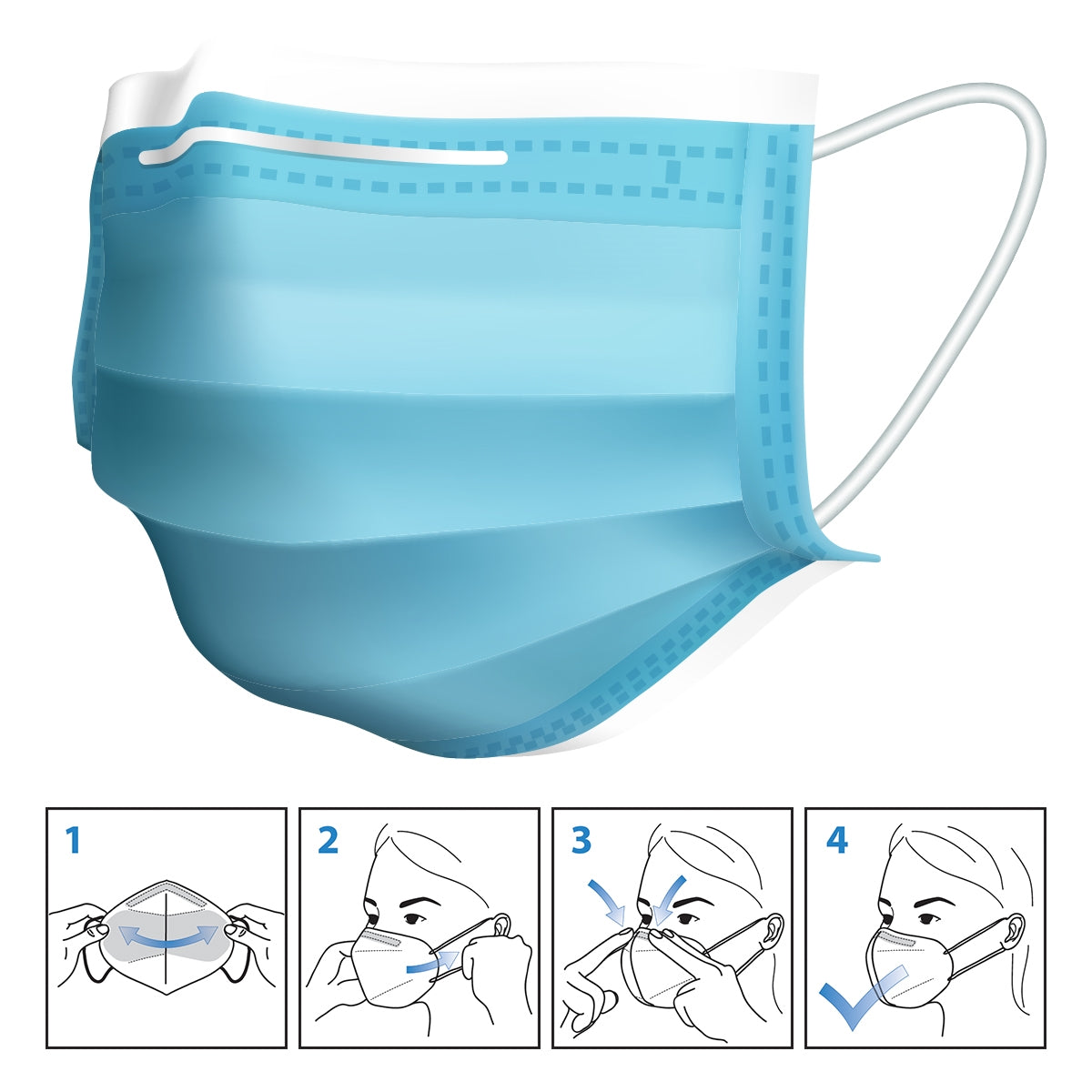
Disposable masks create a barrier between the mouth, nose, and the environment. Depending on the type of mask, they can help reduce the spread of droplets and particles when speaking, coughing, or sneezing. However, it is important to note: Not every disposable mask offers the same level of protection. The protective effect depends, among other things, on the type of mask, the filter performance, and the fit on the face. Medical masks, such as surgical masks, are primarily designed to protect the environment from expelled droplets. FFP2 masks, on the other hand, are designed to filter inhaled air more effectively when properly fitted.
What is the difference between surgical masks and FFP2 masks?
Surgical masks are medical face masks and are primarily used to reduce the release of droplets from the mouth and nose. They do not usually fit completely snug against the face. FFP2 masks belong to the category of particle-filtering respiratory masks. They can provide a higher level of protection against inhaling certain particles when properly fitted. Which mask is appropriate depends on the specific area of use and the applicable recommendations.
How long can you wear a disposable mask?
Disposable masks are generally intended for single use. How long a mask should be worn at a time depends on the type of mask and the manufacturer's instructions. A mask should be changed sooner if it becomes damp, soiled, or damaged. Prolonged use can also lead to moisture from exhaled air, which can affect comfort. For medical masks and FFP2 masks, the manufacturer's instructions and any applicable guidelines for the area of use should always be followed.
How do you wear a disposable mask correctly?
For a mask to work as effectively as possible, it should completely cover the mouth and nose and fit well to the face. When using it, one should:
- clean hands before putting it on
- only touch the mask by the designated straps
- completely cover the mouth and nose
- touch the mask as little as possible
- replace a damp or dirty mask
- dispose of the used disposable mask hygienically afterwards
What should one pay attention to with disposable masks?
When purchasing, in addition to the price, the type of mask, standards or labeling, fit, material, and quality of workmanship should be considered. Depending on the intended use, different masks may be appropriate. Different requirements apply in the medical field compared to general hygiene protection in everyday life. The right size also plays a role: a mask should fit well without causing discomfort.
Disposable masks from ECD Germany
ECD Germany offers various products for household, everyday use, and practical applications. When it comes to disposable masks, regardless of the provider, it should always be ensured that the product is suitable for the intended use and that the relevant specifications for design and use are observed.
Conclusion
Disposable masks can be a sensible addition to general hygiene measures. Surgical masks and FFP2 masks differ significantly in terms of structure and protective function. For optimal effectiveness, the right type of mask, a good fit, correct application, and timely replacement are crucial.

Health and disposable masks – protection and proper use
Disposable masks can serve as an additional hygiene measure in everyday life, in medical settings, or during close contact with others. They can help reduce the spread of droplets and aerosols. Which mask is suitable depends on the desired level of protection and the specific area of use. A proper size, a good fit, and correct application are particularly important.
How do disposable masks protect against viruses and bacteria?
Disposable masks create a barrier between the mouth, nose, and the environment. Depending on the type of mask, they can help reduce the spread of droplets and particles when speaking, coughing, or sneezing. However, it is important to note: Not every disposable mask offers the same level of protection. The protective effect depends, among other things, on the type of mask, the filter performance, and the fit on the face. Medical masks, such as surgical masks, are primarily designed to protect the environment from expelled droplets. FFP2 masks, on the other hand, are designed to filter inhaled air more effectively when properly fitted.
What is the difference between surgical masks and FFP2 masks?
Surgical masks are medical face masks and are primarily used to reduce the release of droplets from the mouth and nose. They do not usually fit completely snug against the face. FFP2 masks belong to the category of particle-filtering respiratory masks. They can provide a higher level of protection against inhaling certain particles when properly fitted. Which mask is appropriate depends on the specific area of use and the applicable recommendations.
How long can you wear a disposable mask?
Disposable masks are generally intended for single use. How long a mask should be worn at a time depends on the type of mask and the manufacturer's instructions. A mask should be changed sooner if it becomes damp, soiled, or damaged. Prolonged use can also lead to moisture from exhaled air, which can affect comfort. For medical masks and FFP2 masks, the manufacturer's instructions and any applicable guidelines for the area of use should always be followed.
How do you wear a disposable mask correctly?
For a mask to work as effectively as possible, it should completely cover the mouth and nose and fit well to the face. When using it, one should:
- clean hands before putting it on
- only touch the mask by the designated straps
- completely cover the mouth and nose
- touch the mask as little as possible
- replace a damp or dirty mask
- dispose of the used disposable mask hygienically afterwards
What should one pay attention to with disposable masks?
When purchasing, in addition to the price, the type of mask, standards or labeling, fit, material, and quality of workmanship should be considered. Depending on the intended use, different masks may be appropriate. Different requirements apply in the medical field compared to general hygiene protection in everyday life. The right size also plays a role: a mask should fit well without causing discomfort.
Disposable masks from ECD Germany
ECD Germany offers various products for household, everyday use, and practical applications. When it comes to disposable masks, regardless of the provider, it should always be ensured that the product is suitable for the intended use and that the relevant specifications for design and use are observed.
Conclusion
Disposable masks can be a sensible addition to general hygiene measures. Surgical masks and FFP2 masks differ significantly in terms of structure and protective function. For optimal effectiveness, the right type of mask, a good fit, correct application, and timely replacement are crucial.
Find even more among our top sellers











Popular categories


