


Heating rods for efficient hot water preparation and smart PV self-consumption
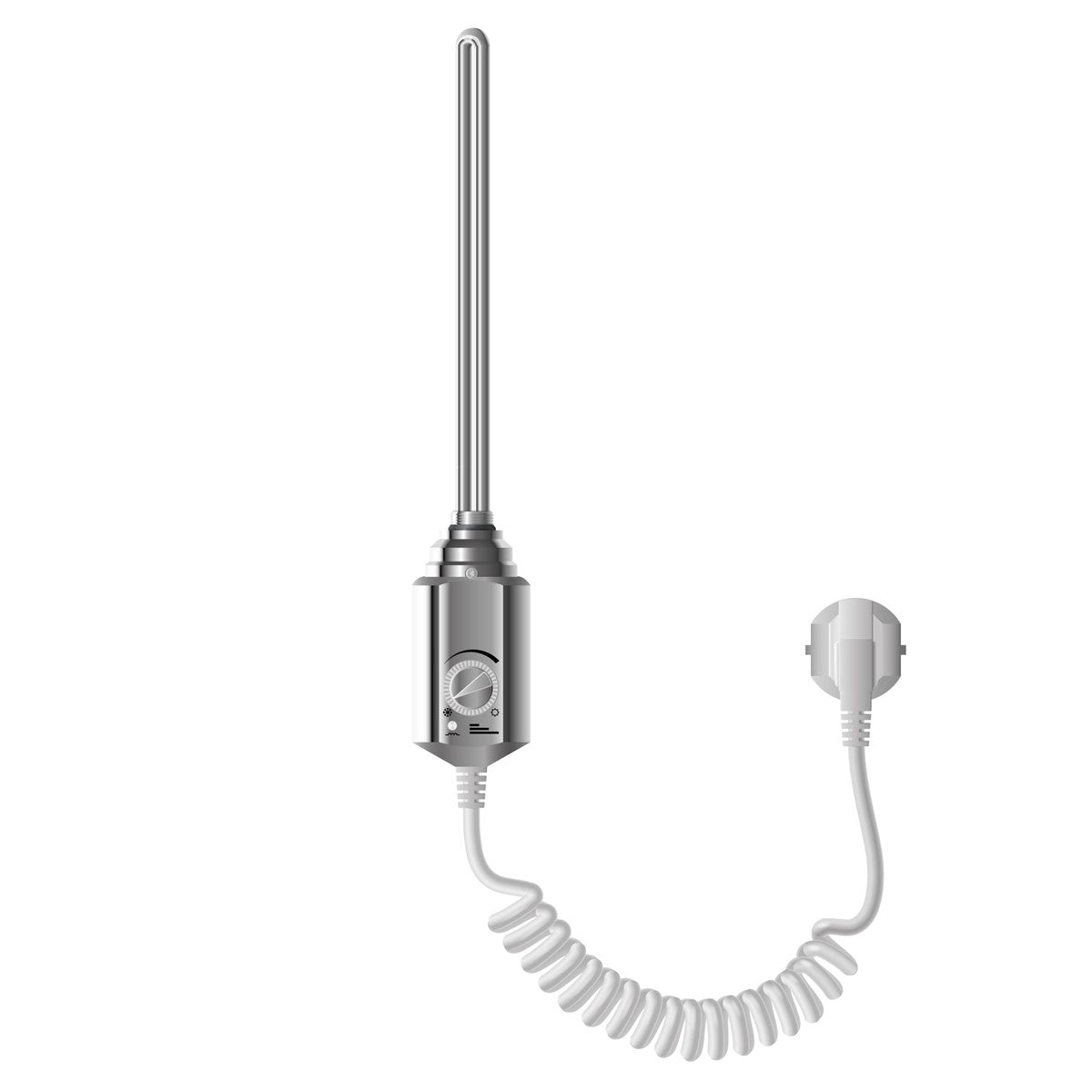
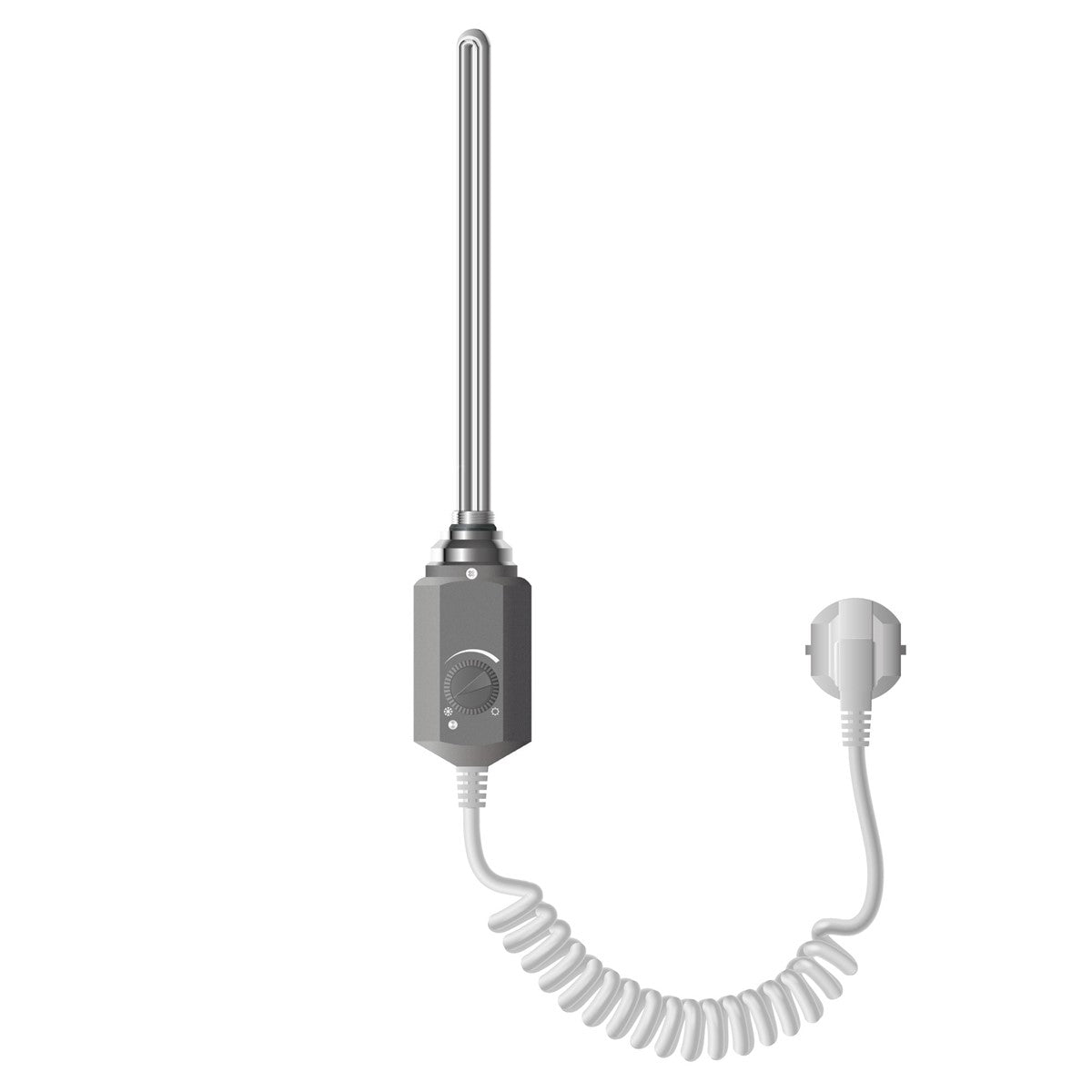
A modern heating rod is a flexible solution for electric heat generation and can be easily integrated into existing heating and storage systems. It is particularly interesting for use in hot water preparation or for utilizing excess electricity from a photovoltaic system. The heating rod converts electrical energy directly into heat and can thus support, for example, a buffer storage tank, drinking water storage, or bathroom radiators. This allows existing building technology to be sensibly supplemented without the need for extensive piping or complicated renovation work.
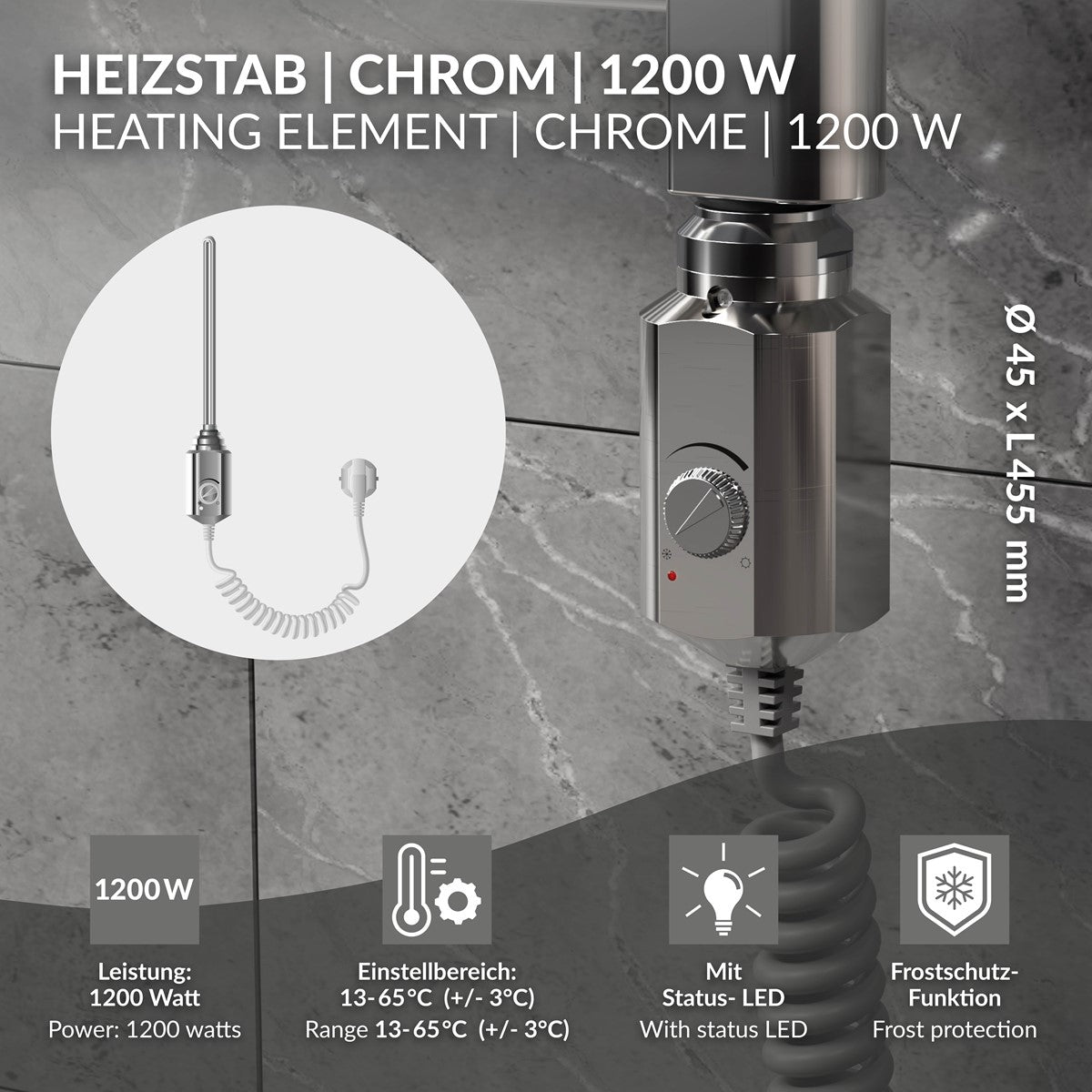
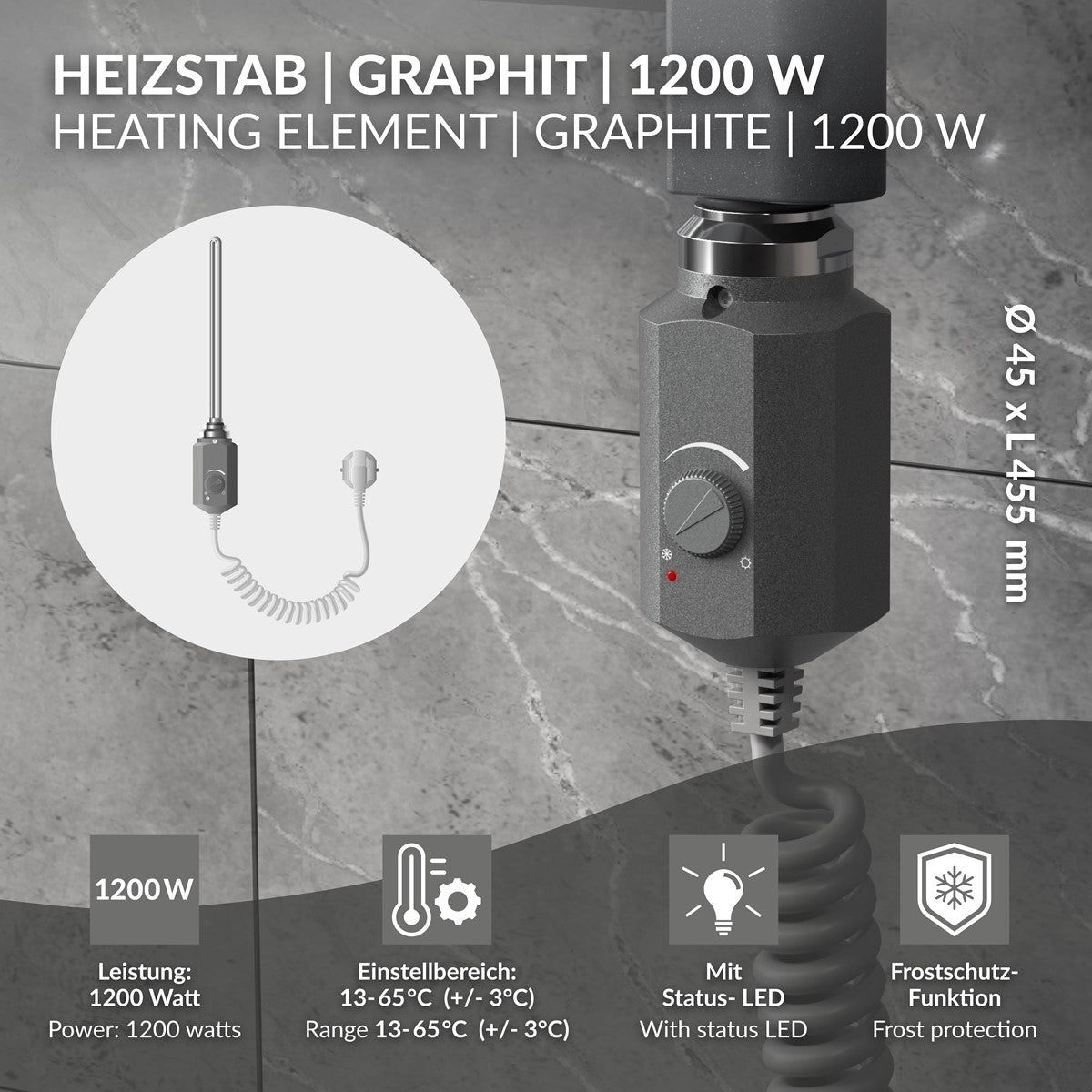
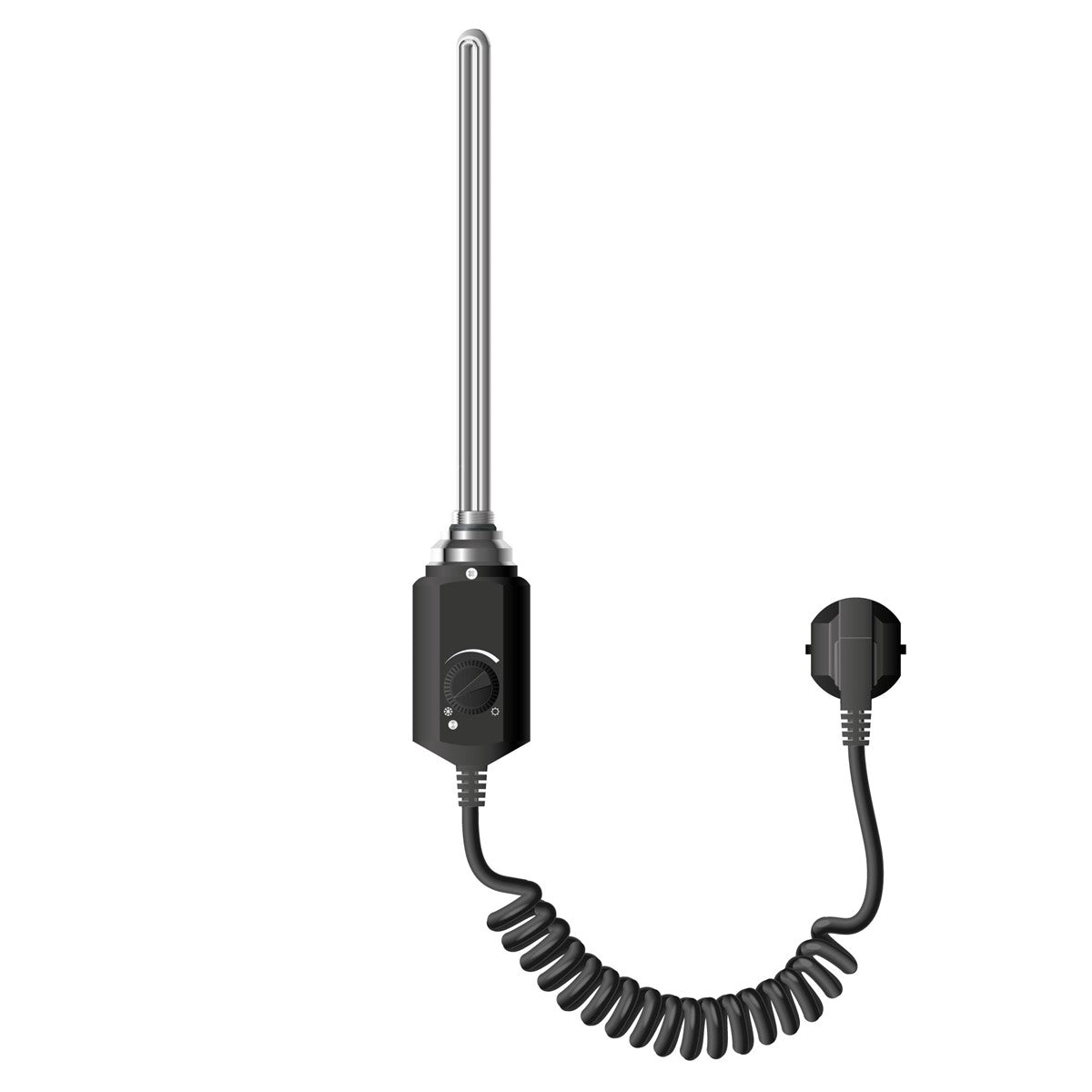
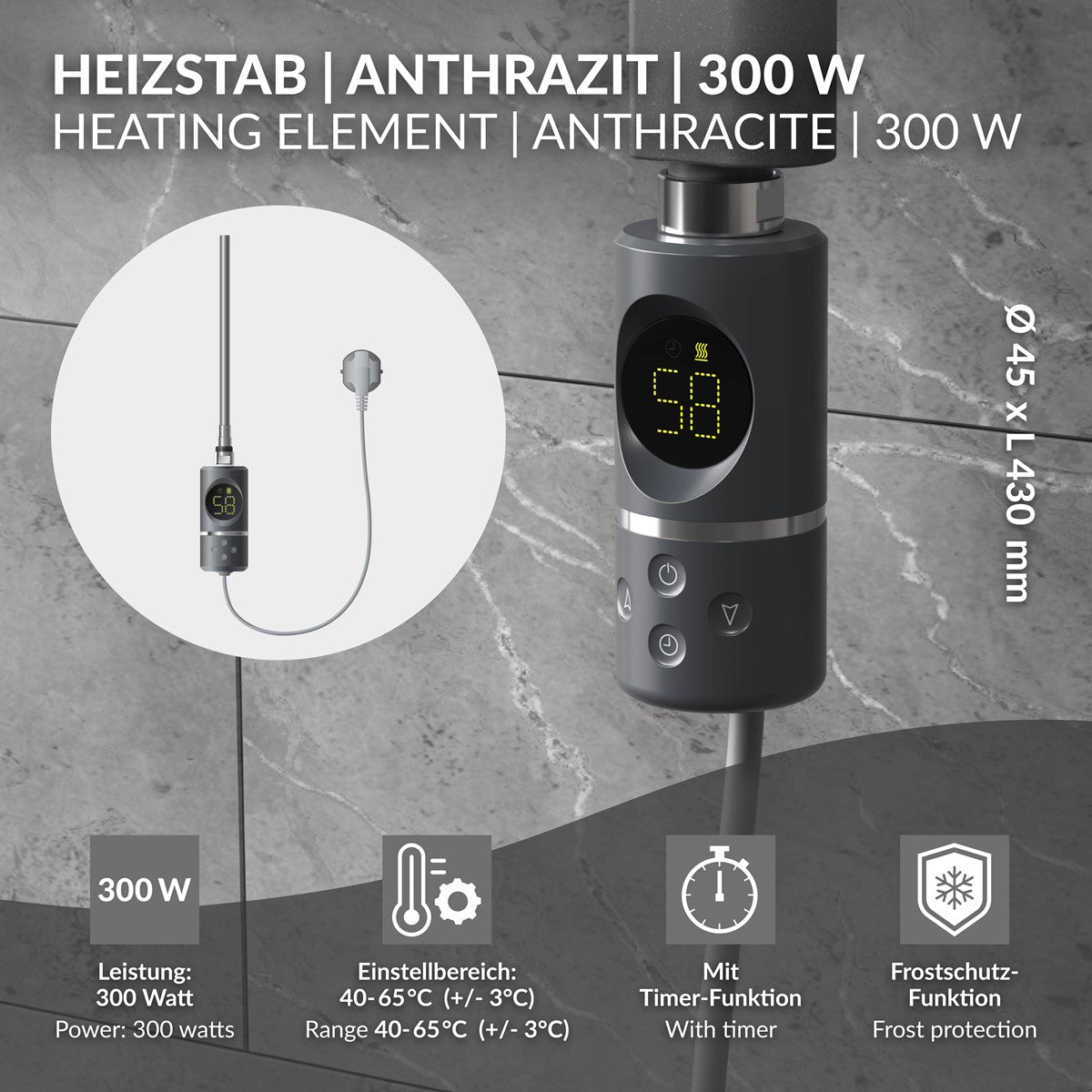
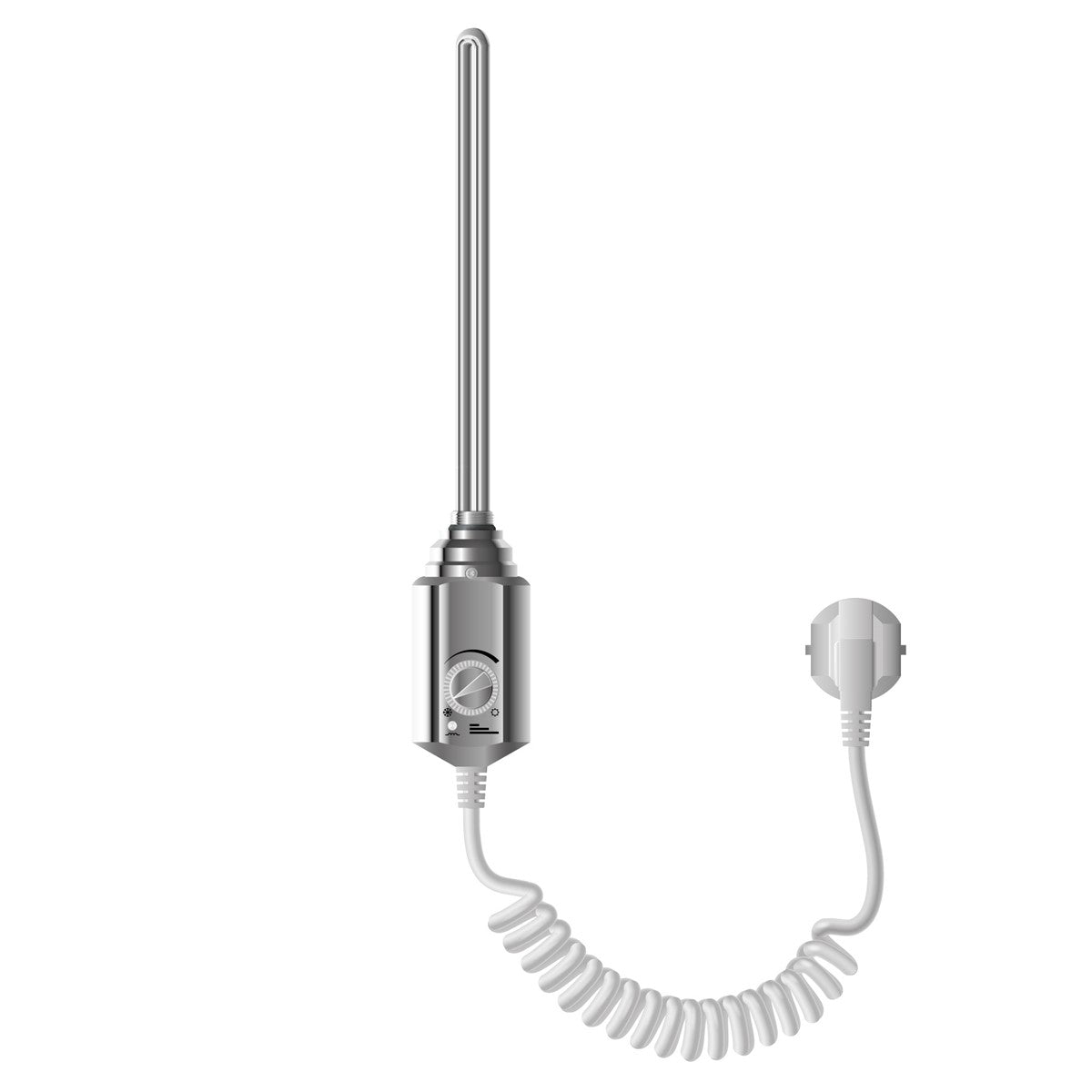
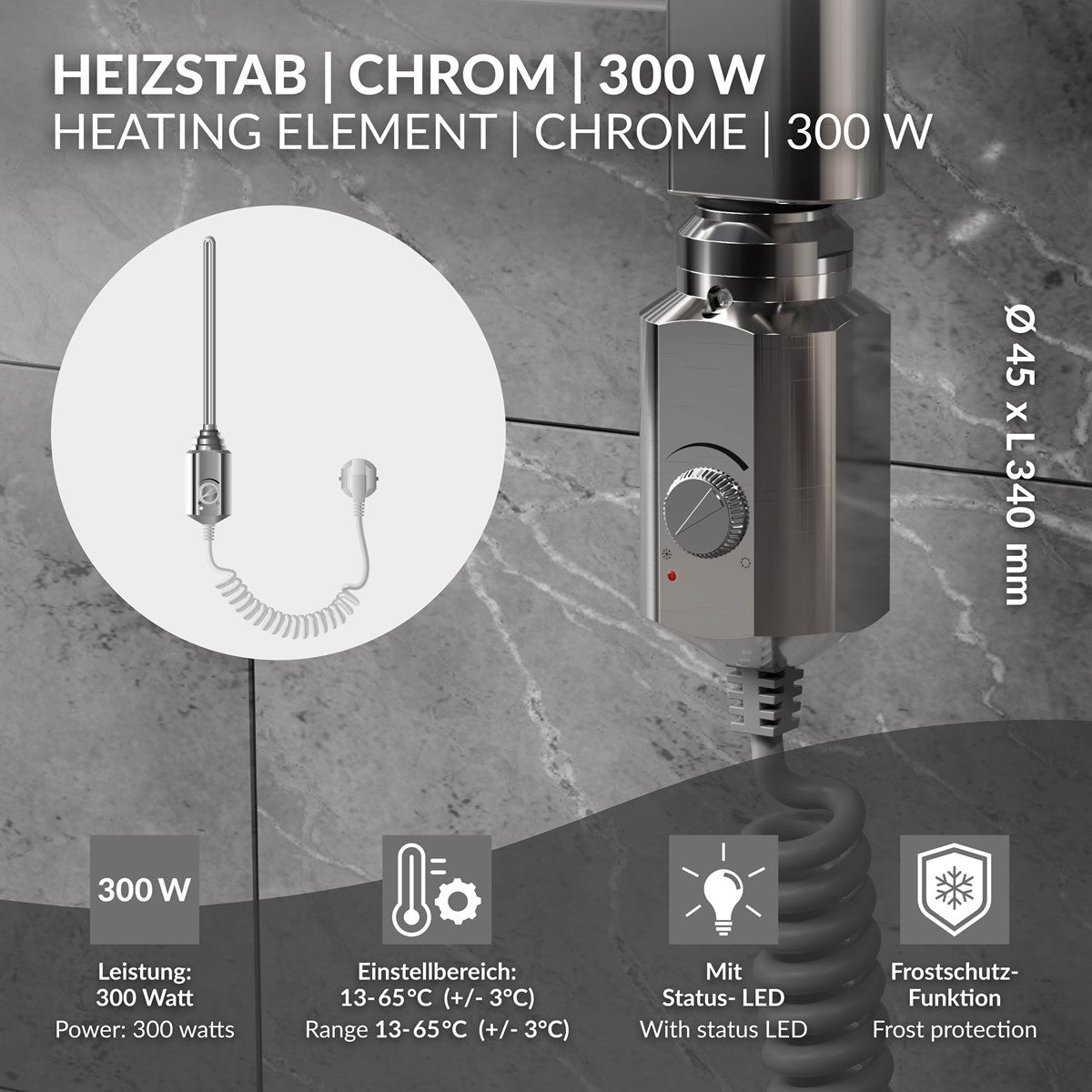
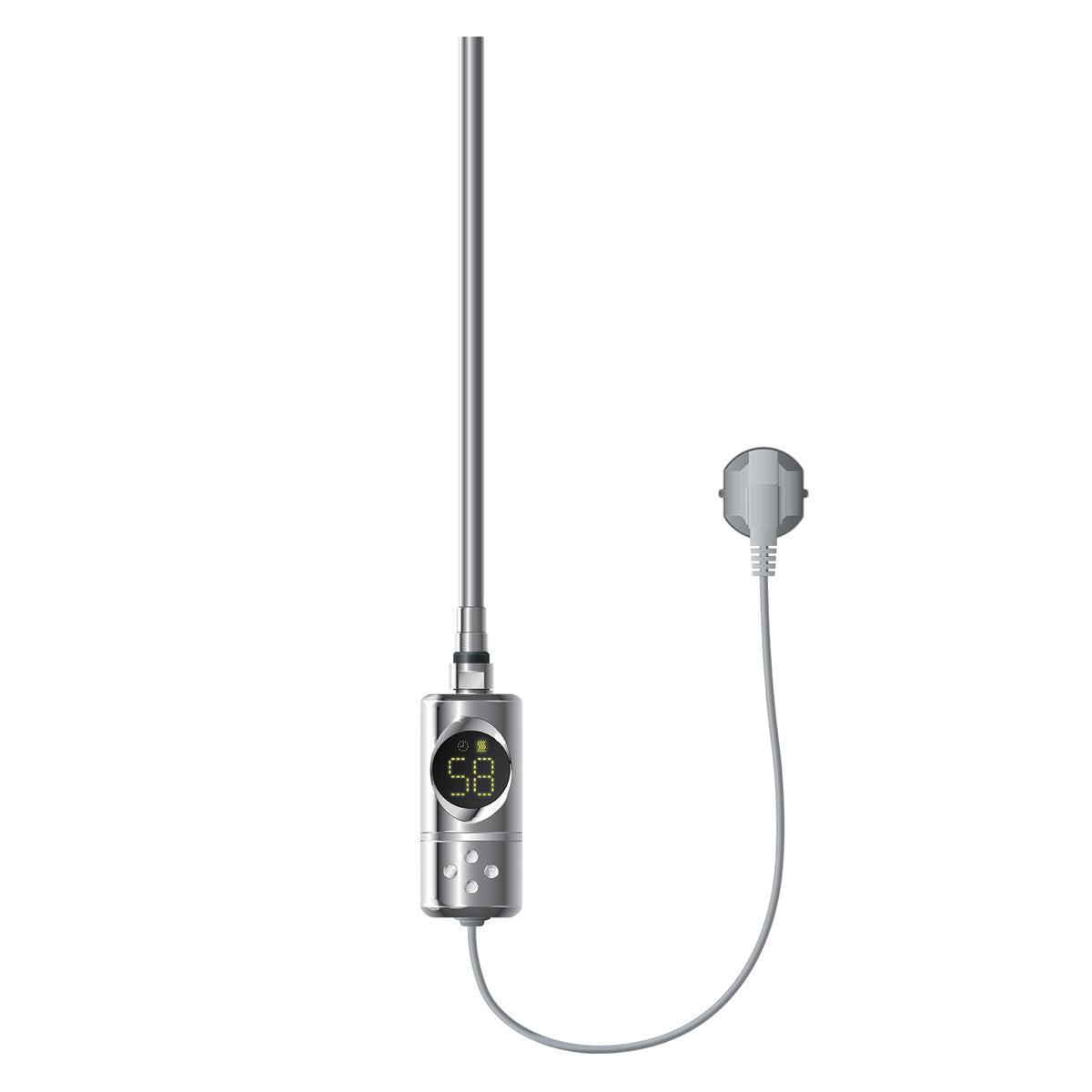
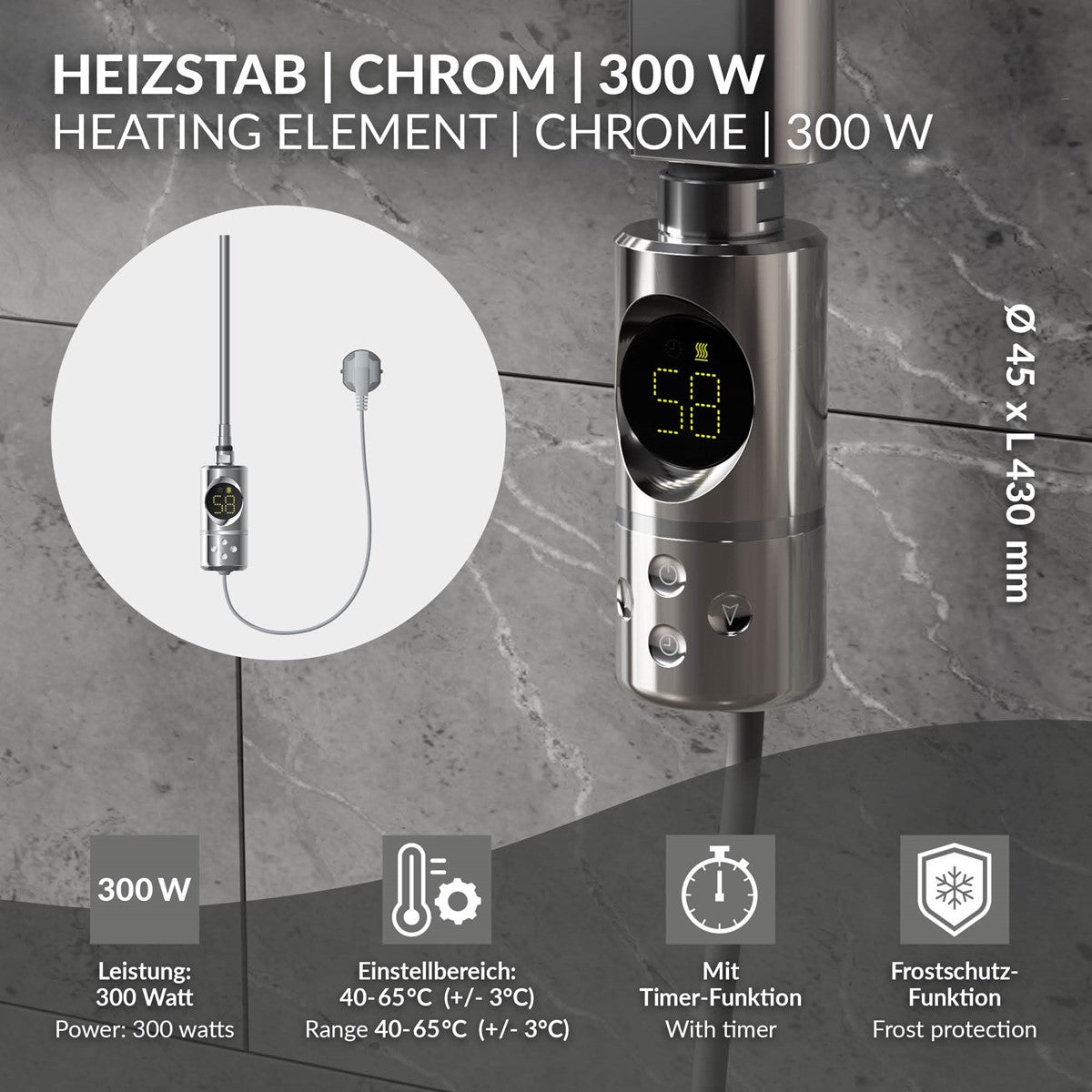
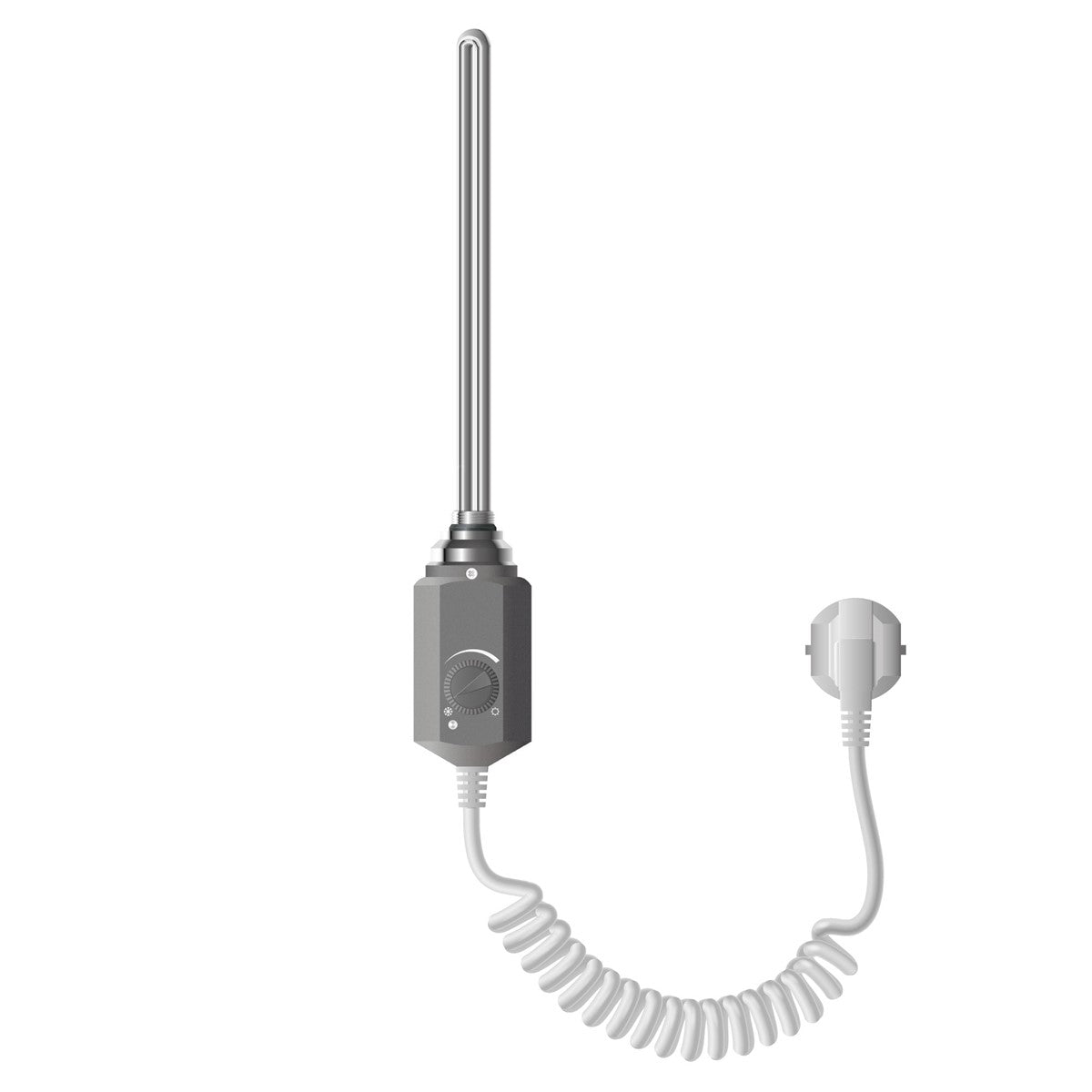
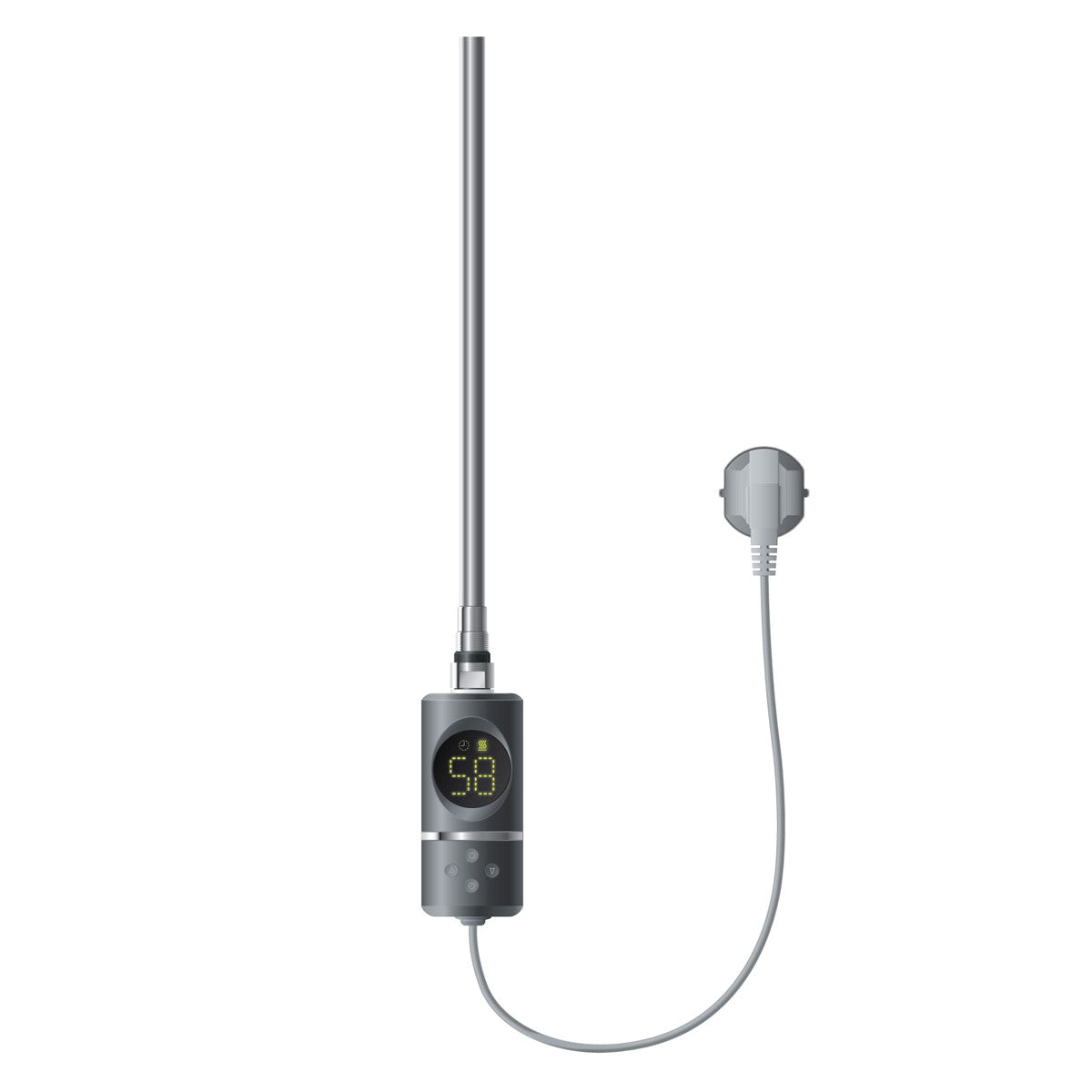
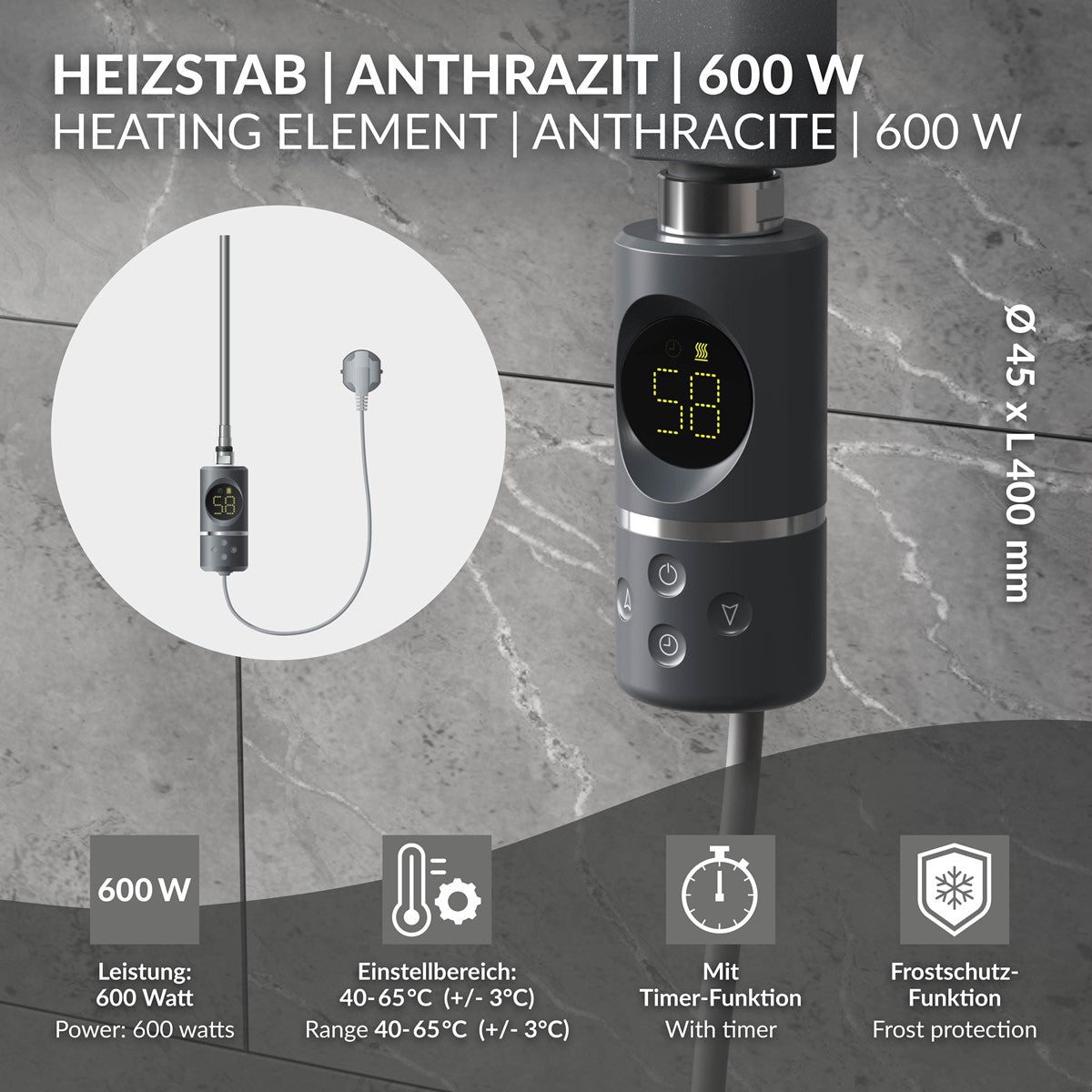
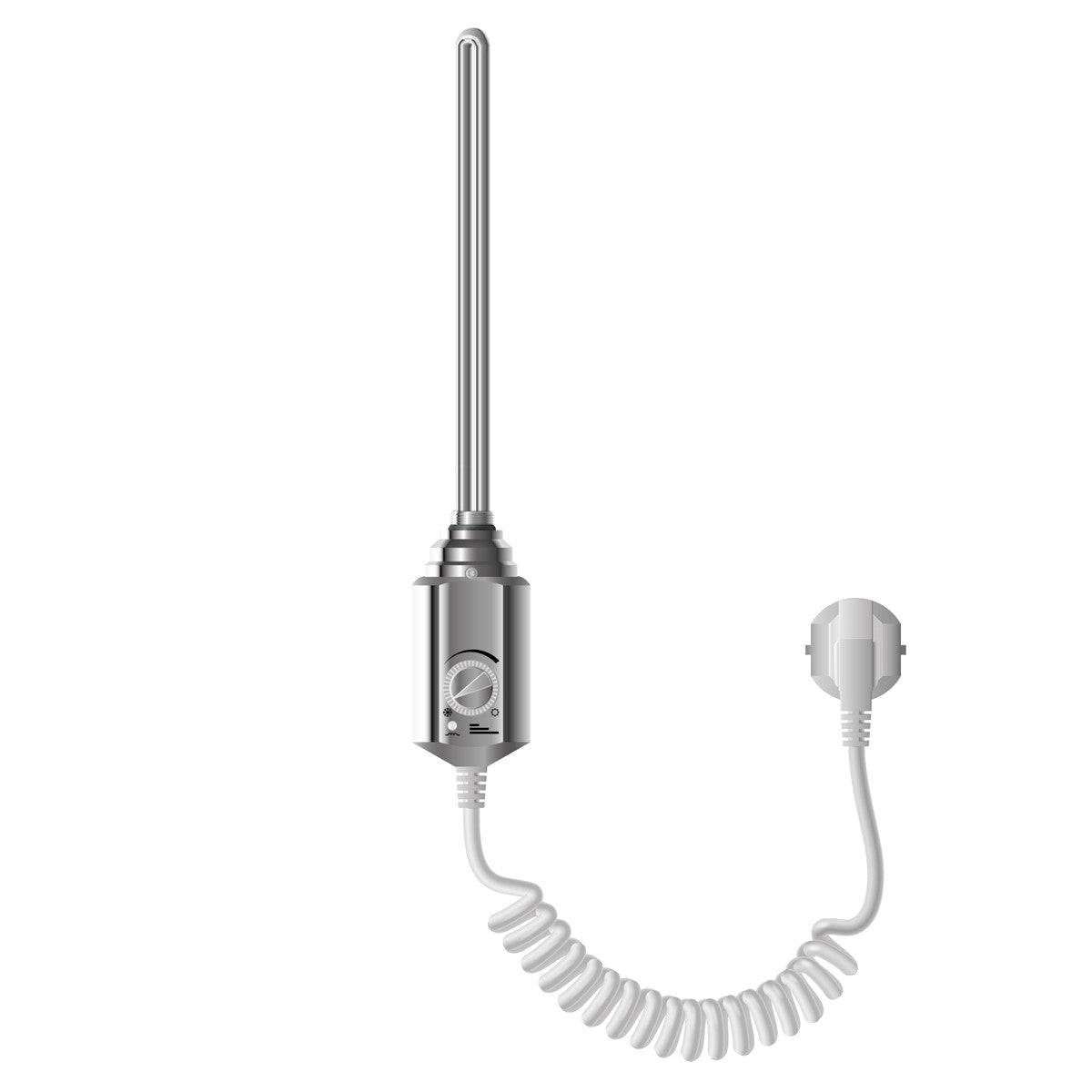
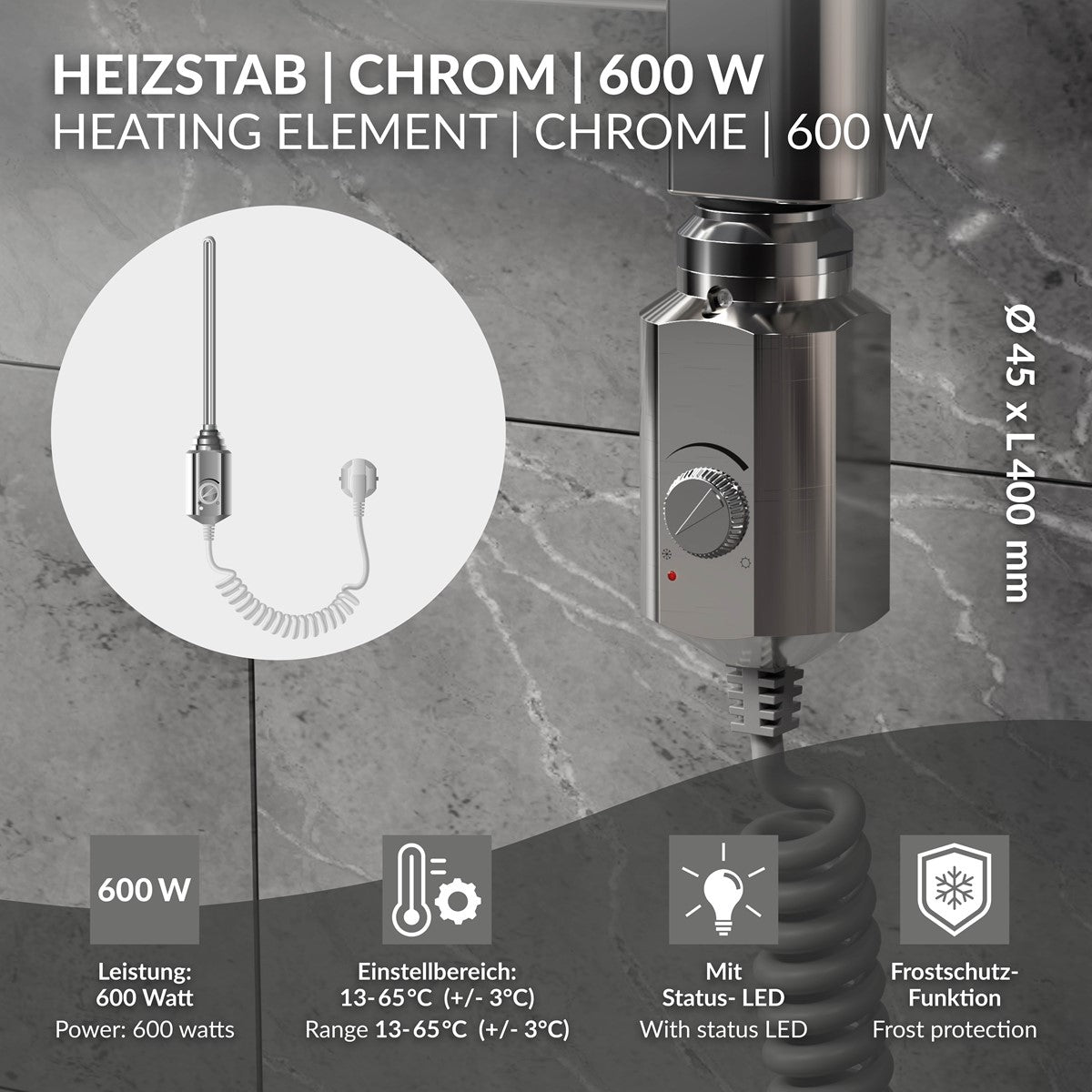
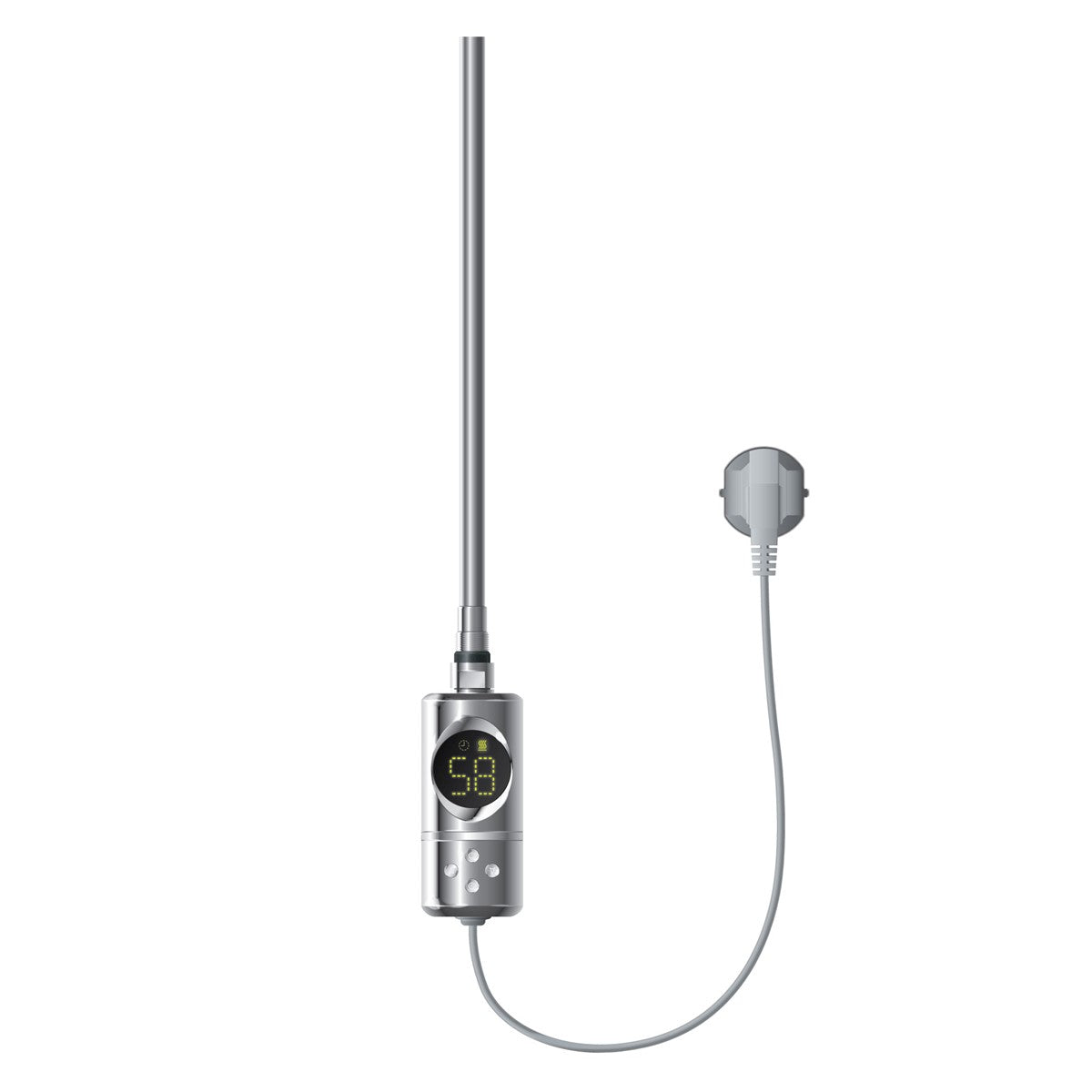
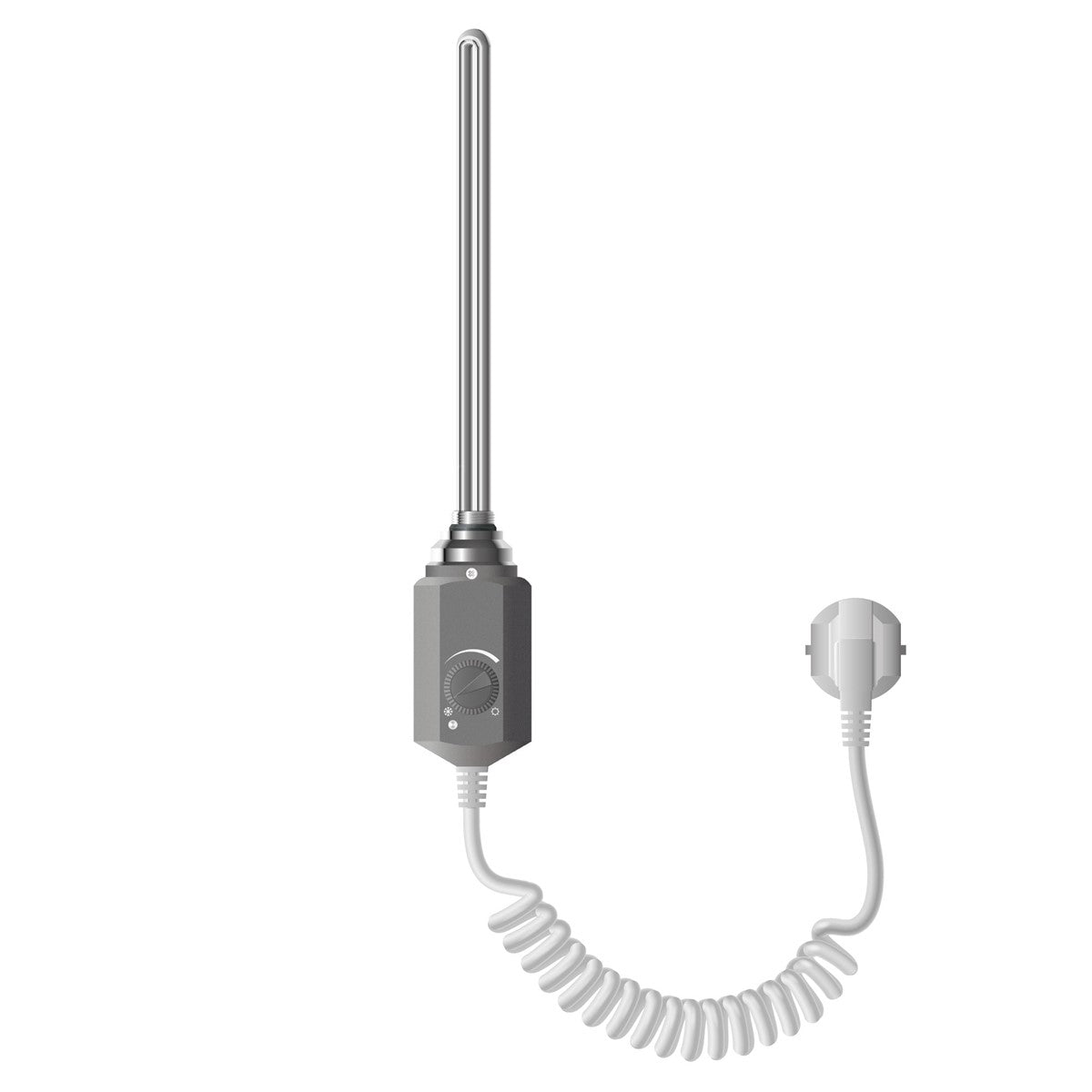
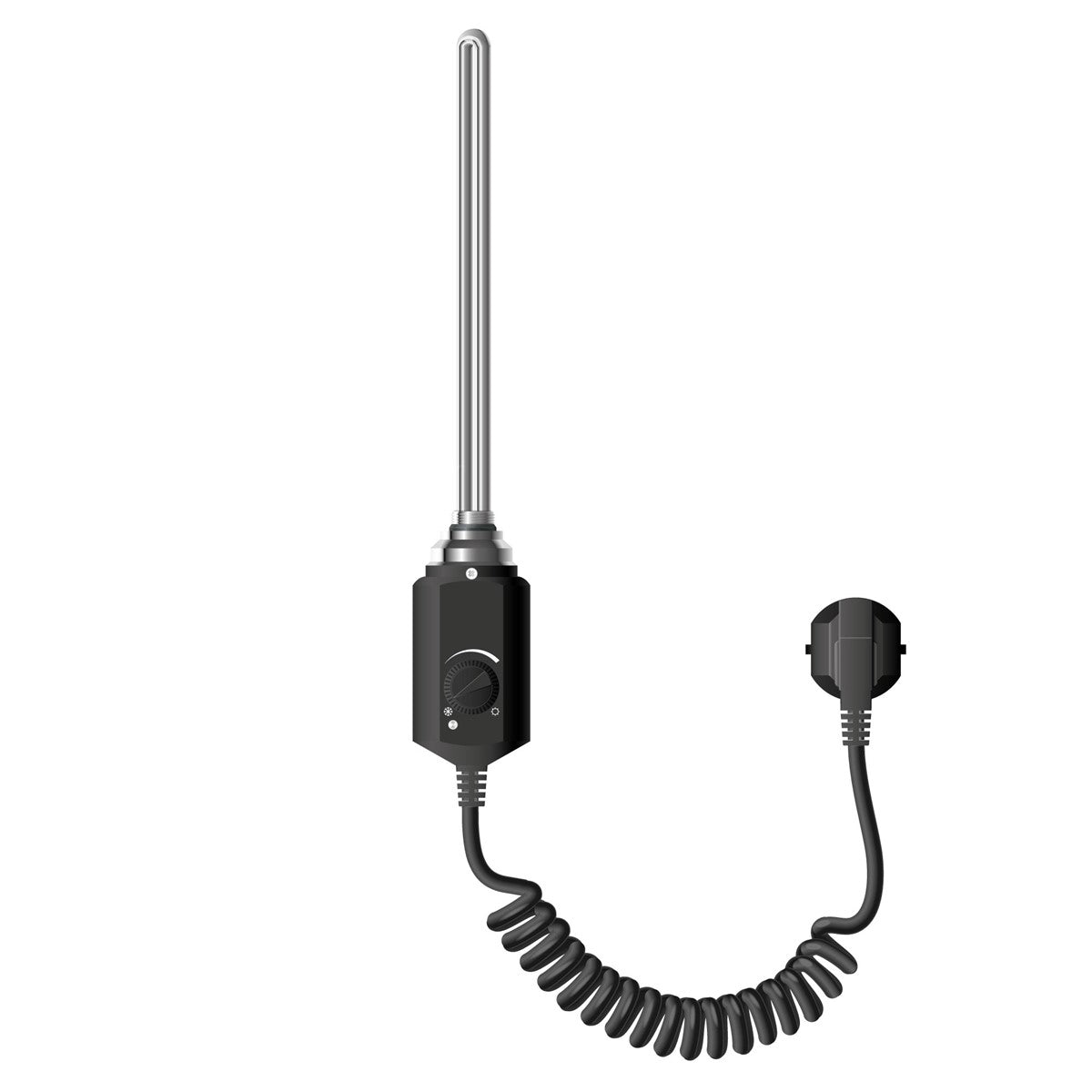
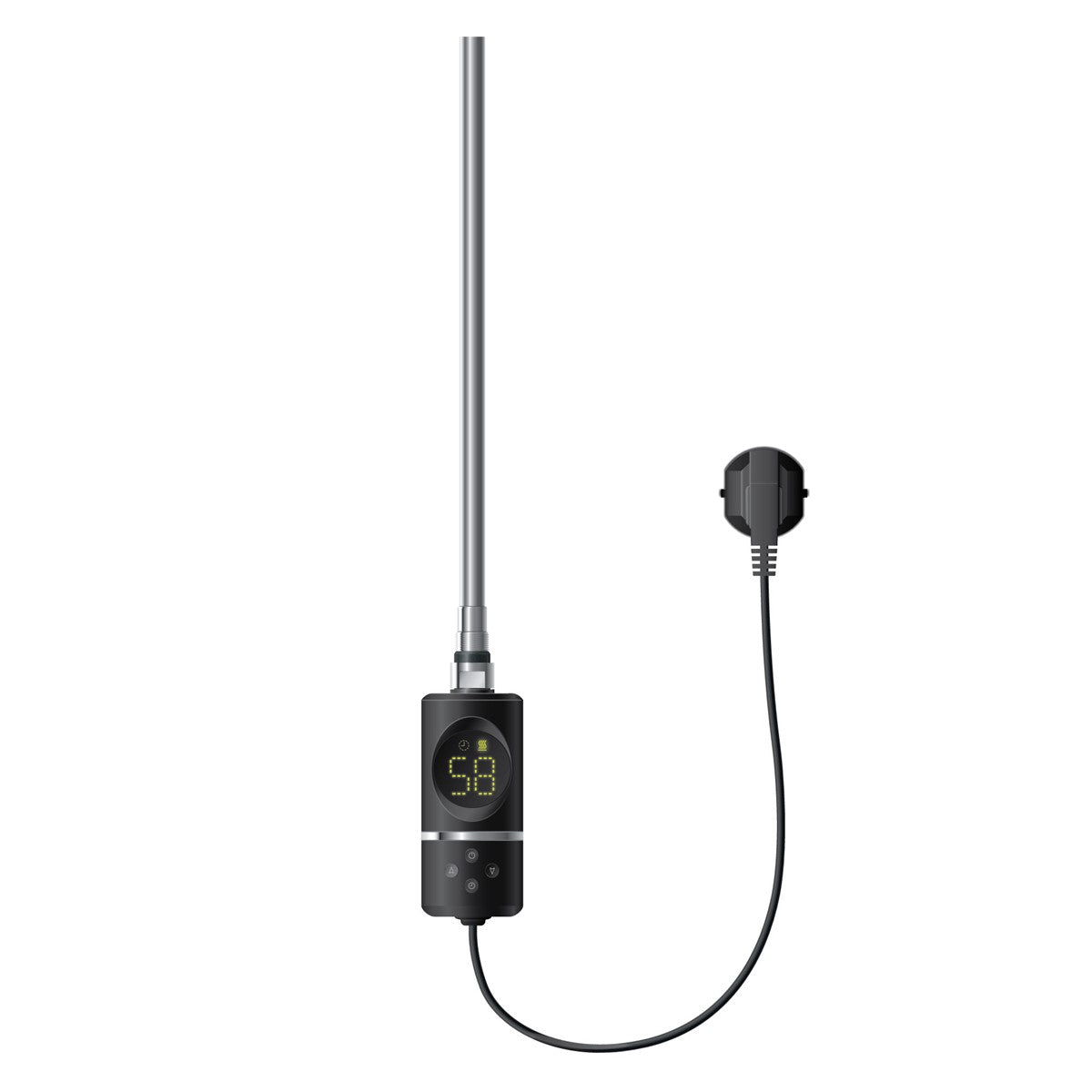
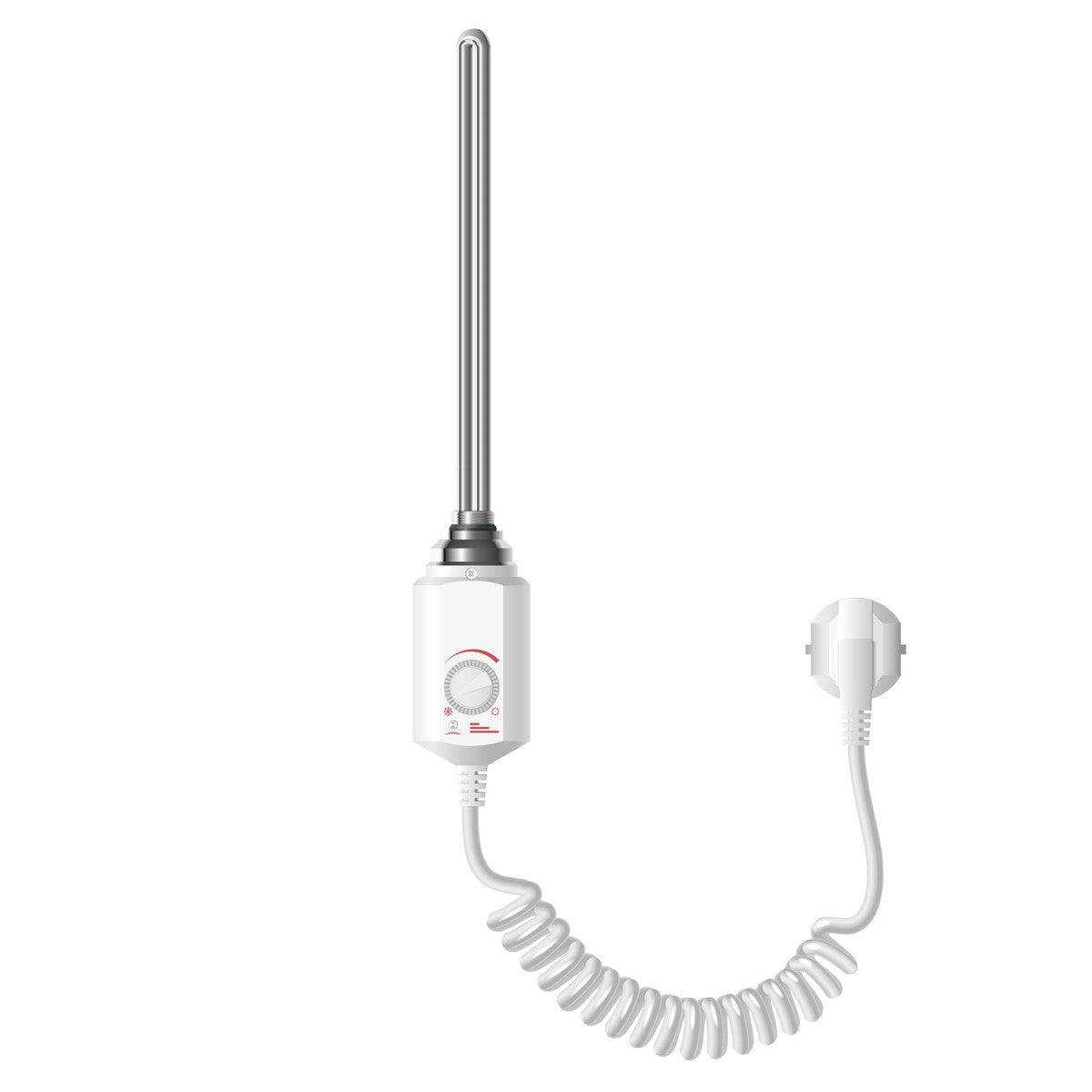
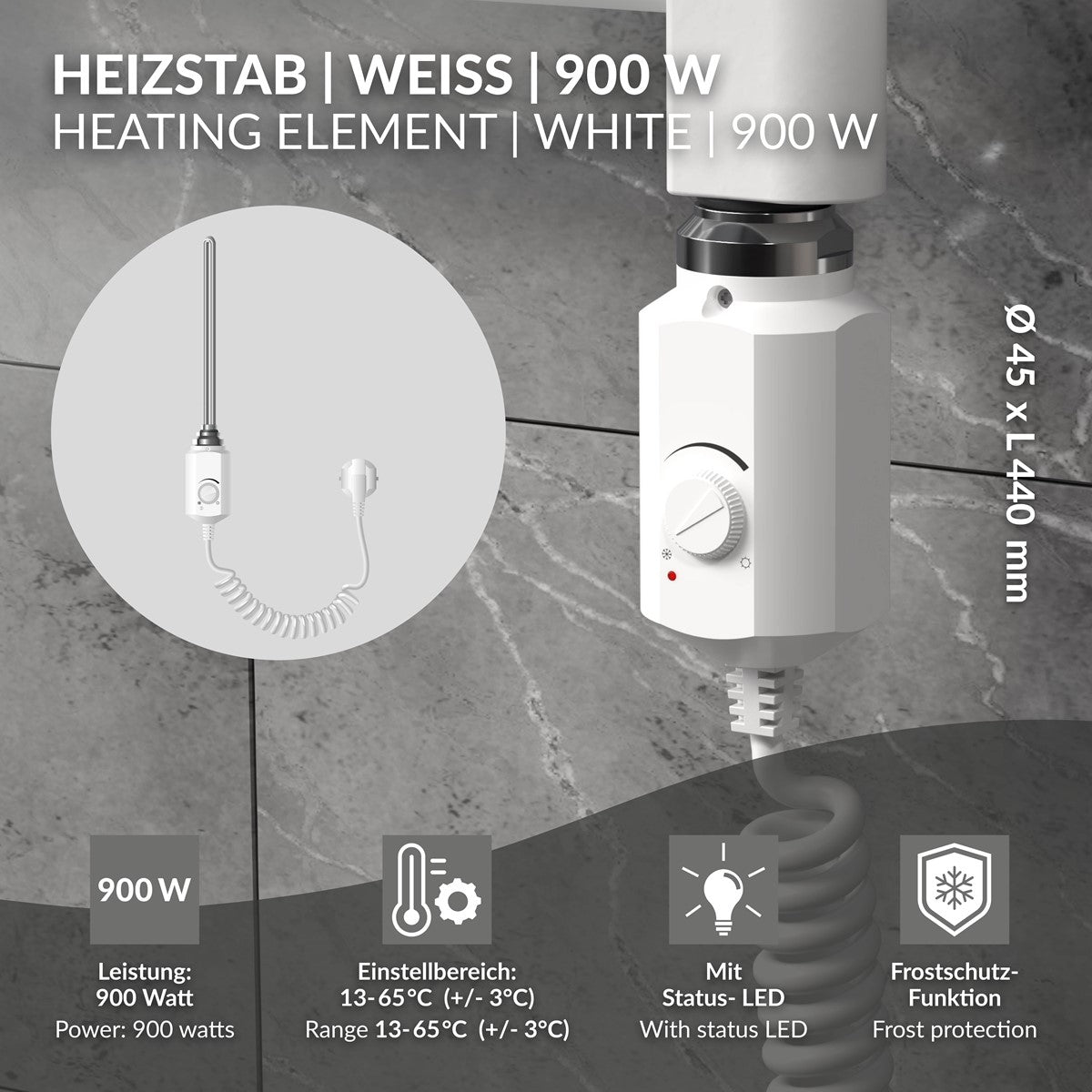
Particularly in demand are precisely adjustable heating cartridges and electric screw-in heating elements that can be integrated into various systems. The selection at ML-Design ranges from compact heating rods for bathroom radiators to more powerful models for storage and heating systems. Whether for hot water preparation, as a supplement for a buffer storage tank with a heating rod, or for utilizing PV surplus electricity – the application possibilities are versatile. When selecting, heating power, installation length, connection thread, mains voltage, and the desired control play an important role.
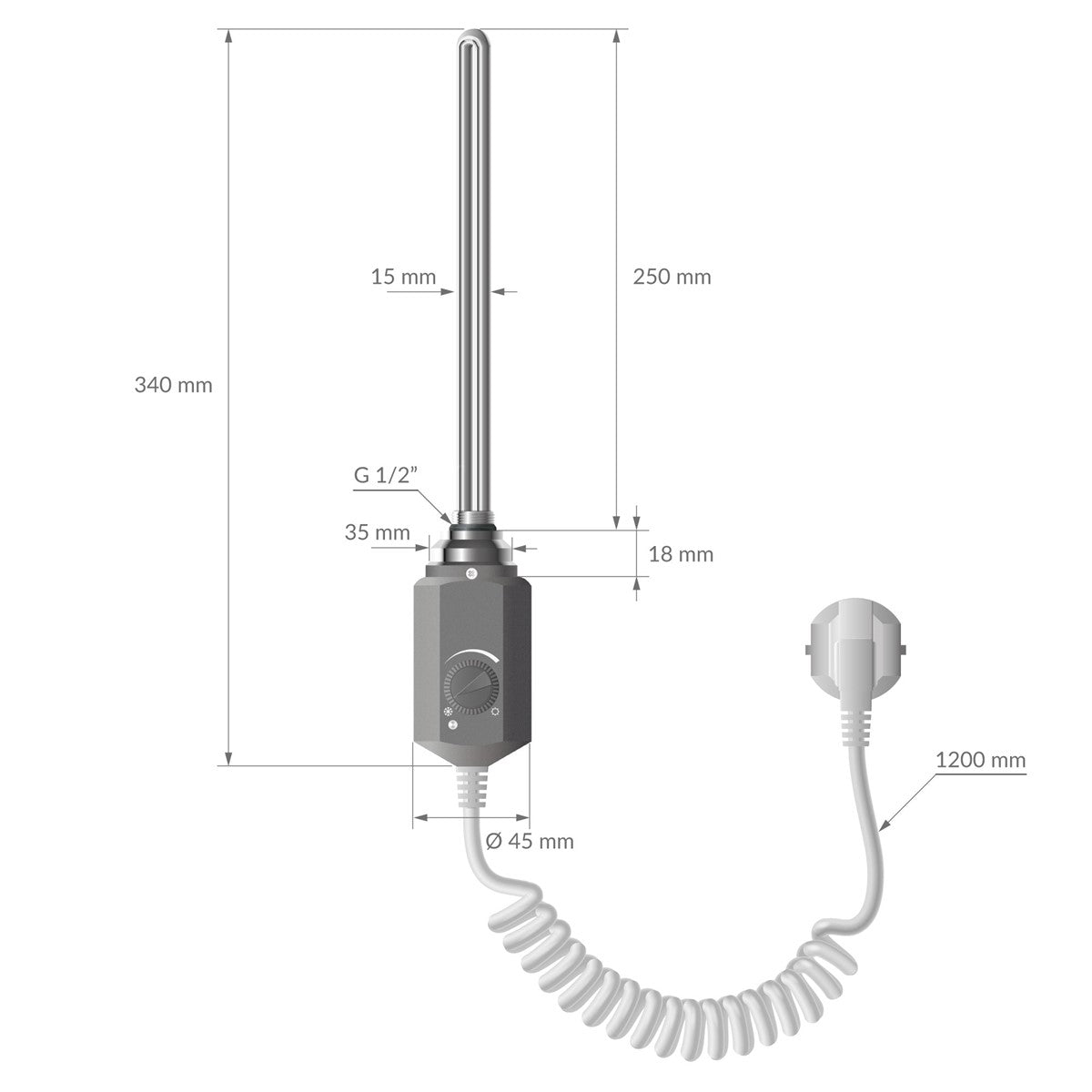
But which heating rod is optimal for your project? In addition to the required power in kW, the length of the heating element, the existing storage construction, the required mains voltage, and compatibility with existing control or PV systems are crucial. The material quality and the intended area of use should also be considered when making a selection.
Areas of application: Where do electric heating rods unleash their full potential?

Electric heating rods can be used in various areas of building technology. Due to their compact design, they are suitable for both smaller radiators and larger storage and heating systems.
Bathroom radiators and towel dryers in flexible mixed operation

In the bathroom, electric heating rods can be used independently of the central heating system. The mixed operation is particularly practical: while the bathroom radiator is heated in winter via the water-based central heating, the electric heating rod can take over the heat supply in summer. This allows towels to be dried and the radiator to be heated as needed without having to operate the entire heating system.
Utilizing buffer storage and PV surplus sensibly
A heating rod in the buffer storage can convert excess solar power into thermal energy. If the photovoltaic system generates more electricity than is needed in the household, this energy can be used to heat the storage water. The stored heat is then available at a later time and can be used, for example, for hot water preparation or to support the heating system. An intelligent control system can help adjust the heating power to the available PV surplus.
Economics, performance, and technical sizing

Anyone looking to buy a heating rod should first check what heating power is required for the intended area of use. Small heating rods for bathroom radiators require significantly less power than models for large storage tanks. Storage volume, desired heating time, and existing power supply must also be considered when making a selection.
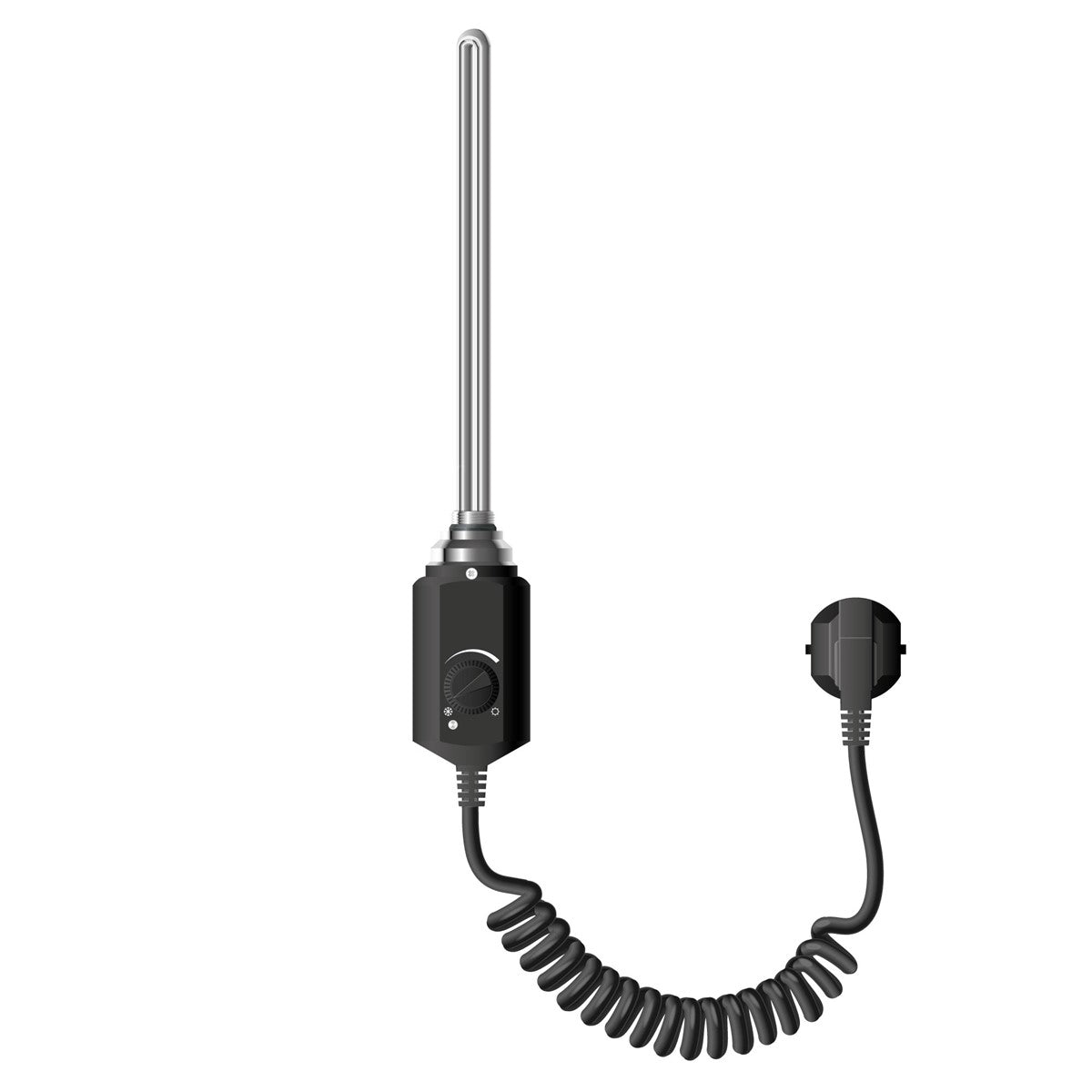
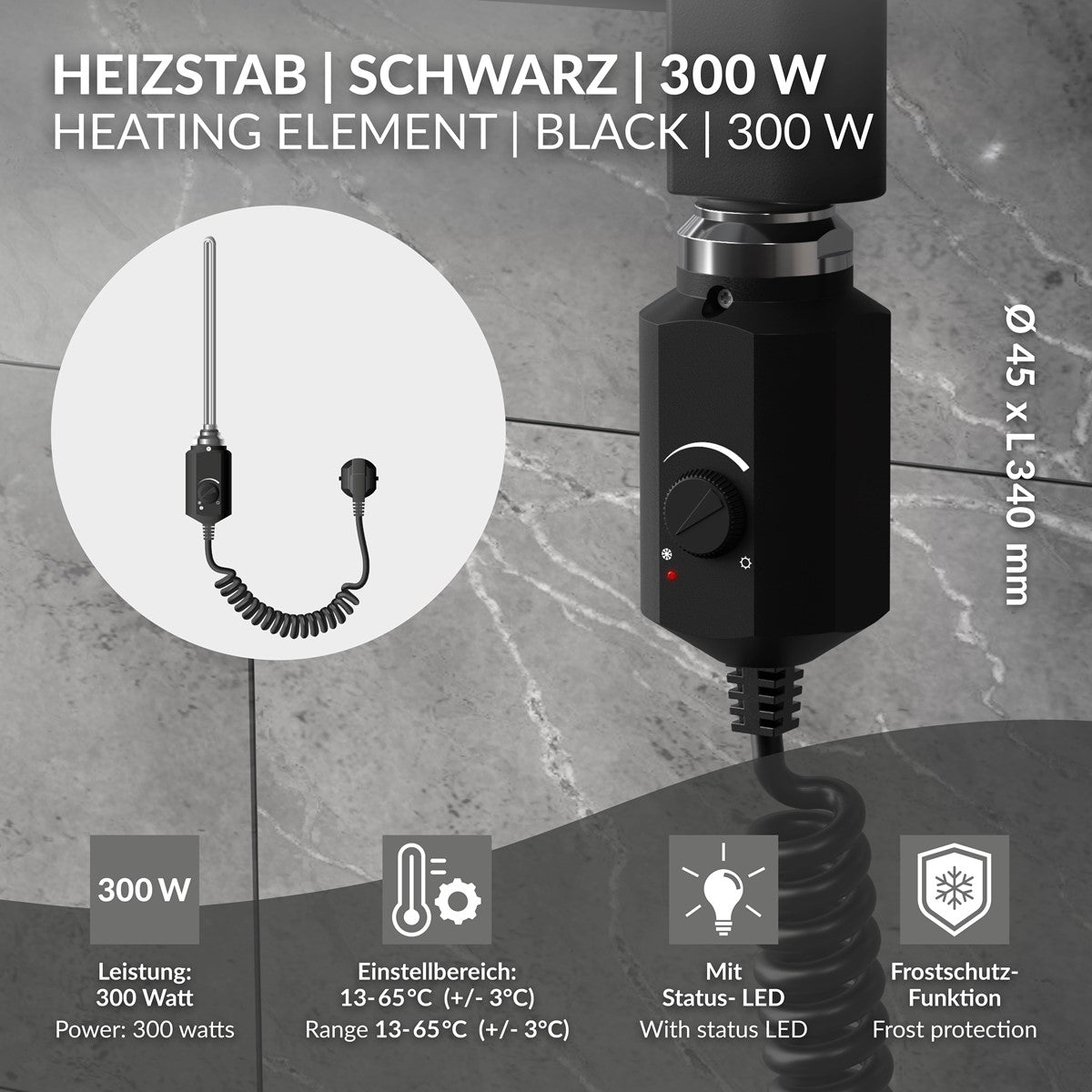
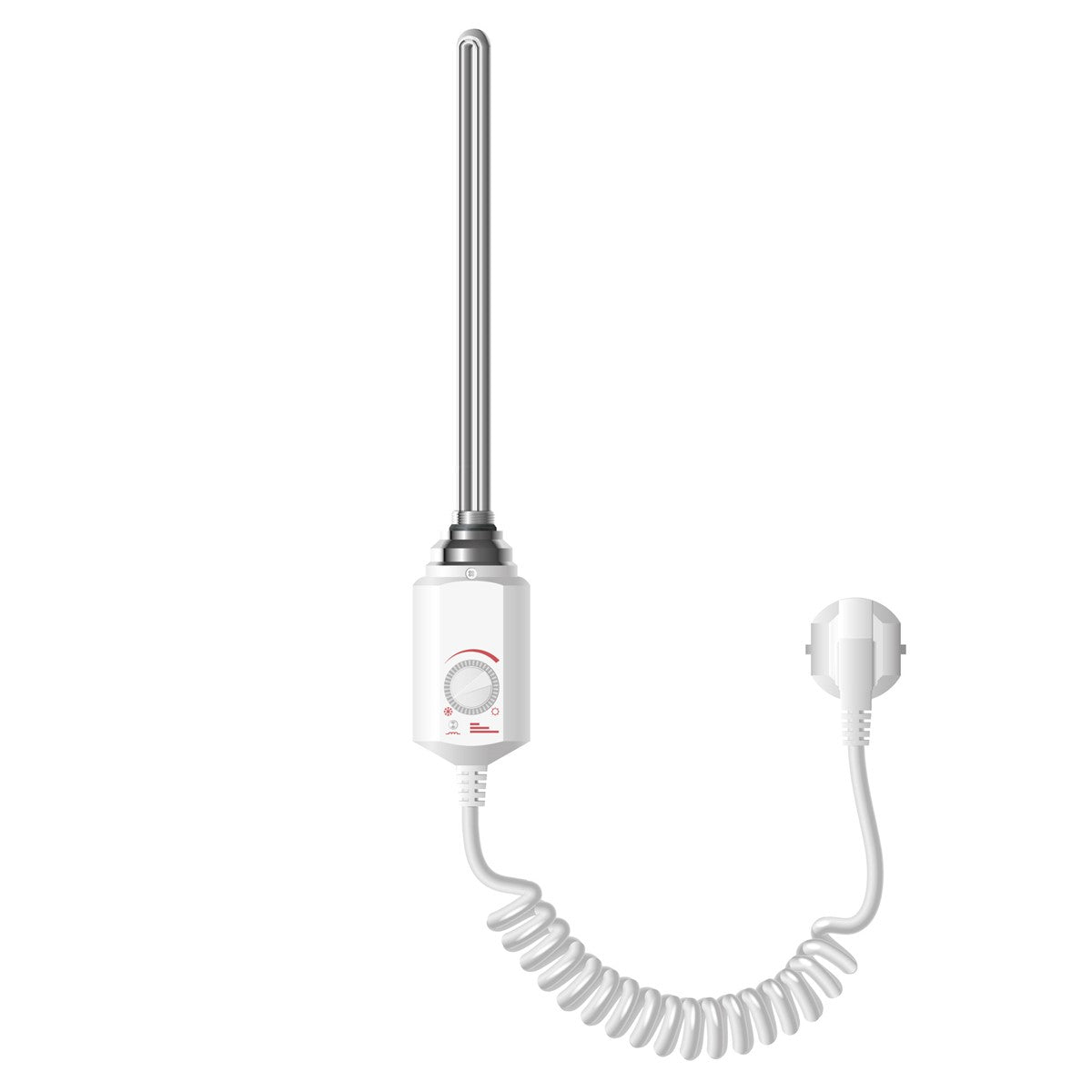
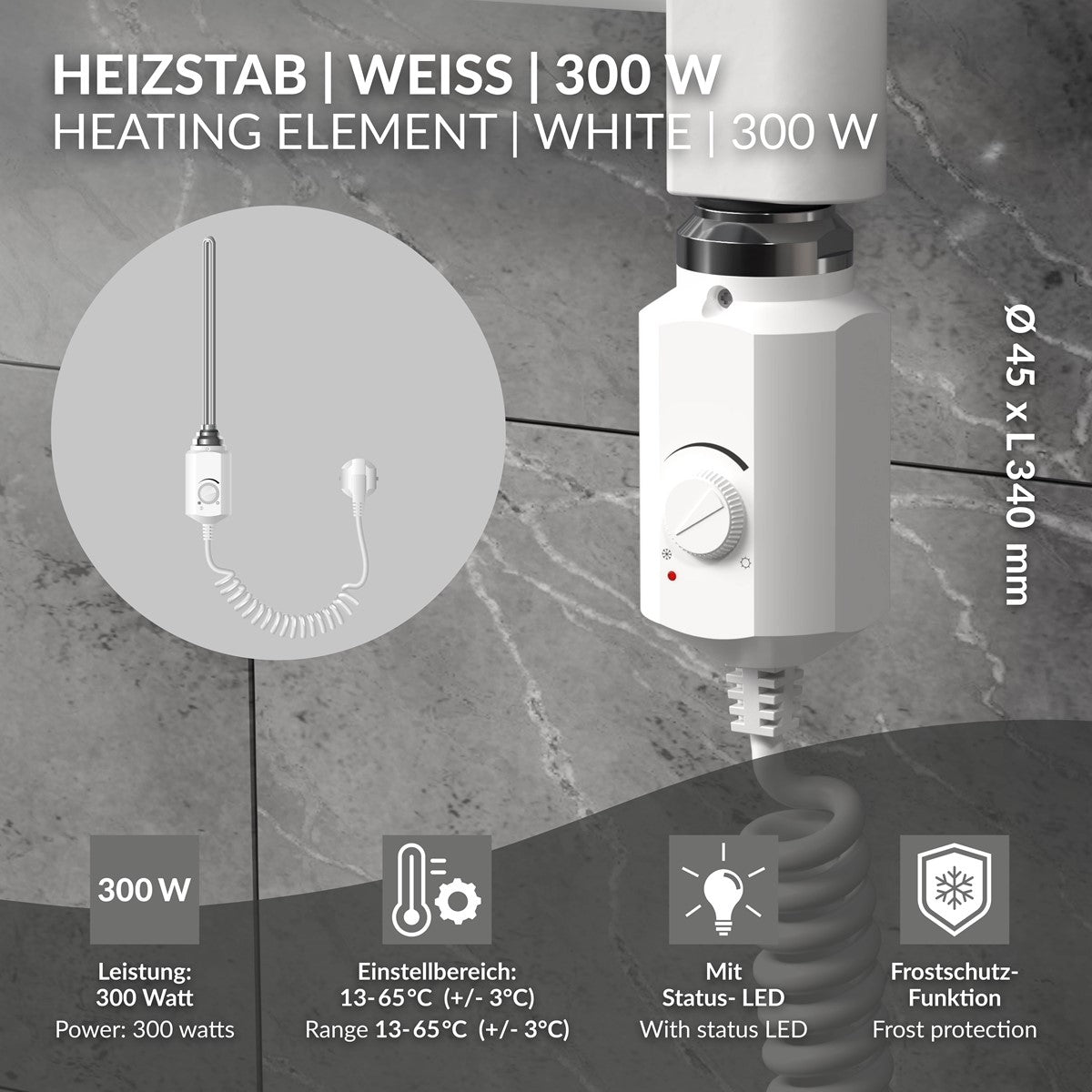
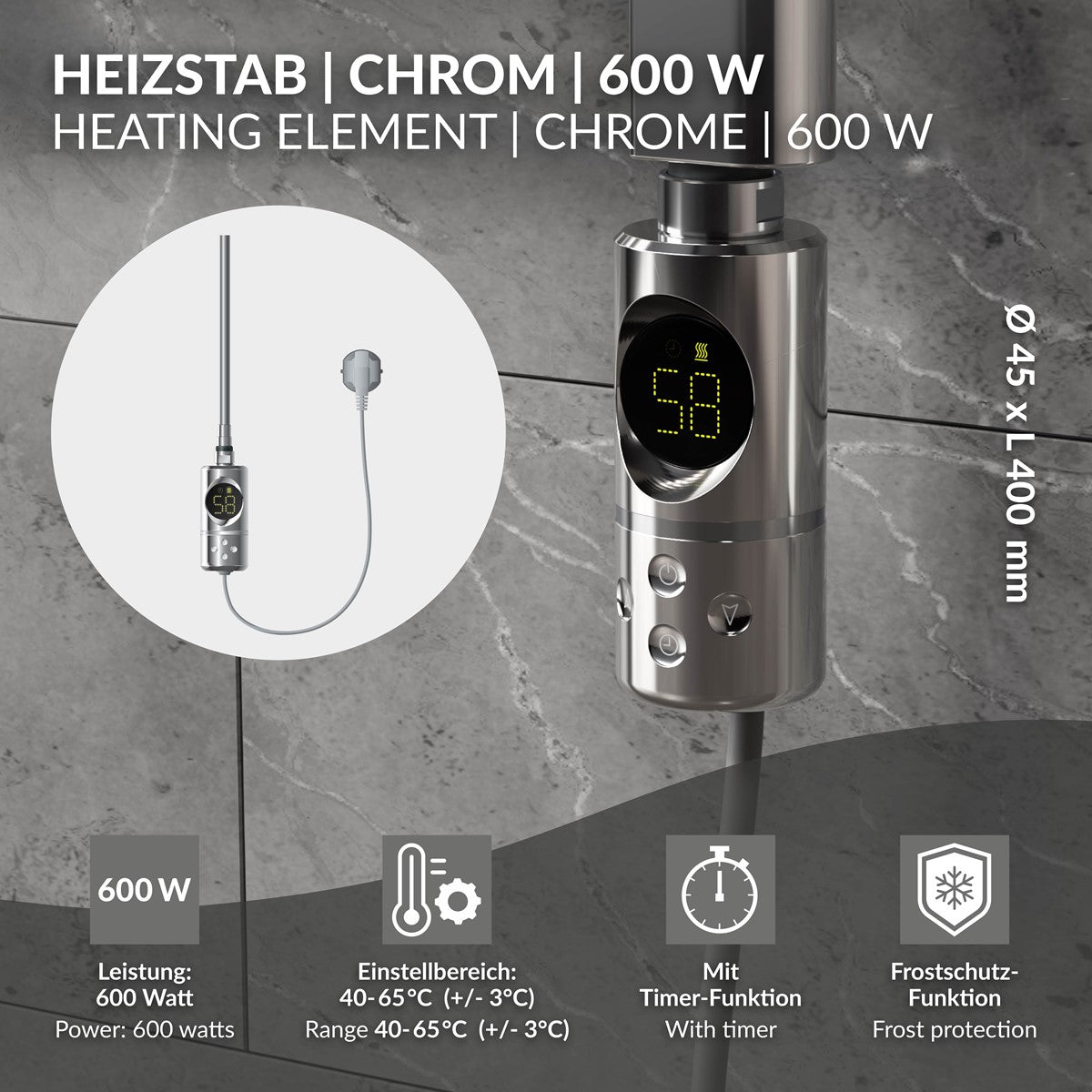
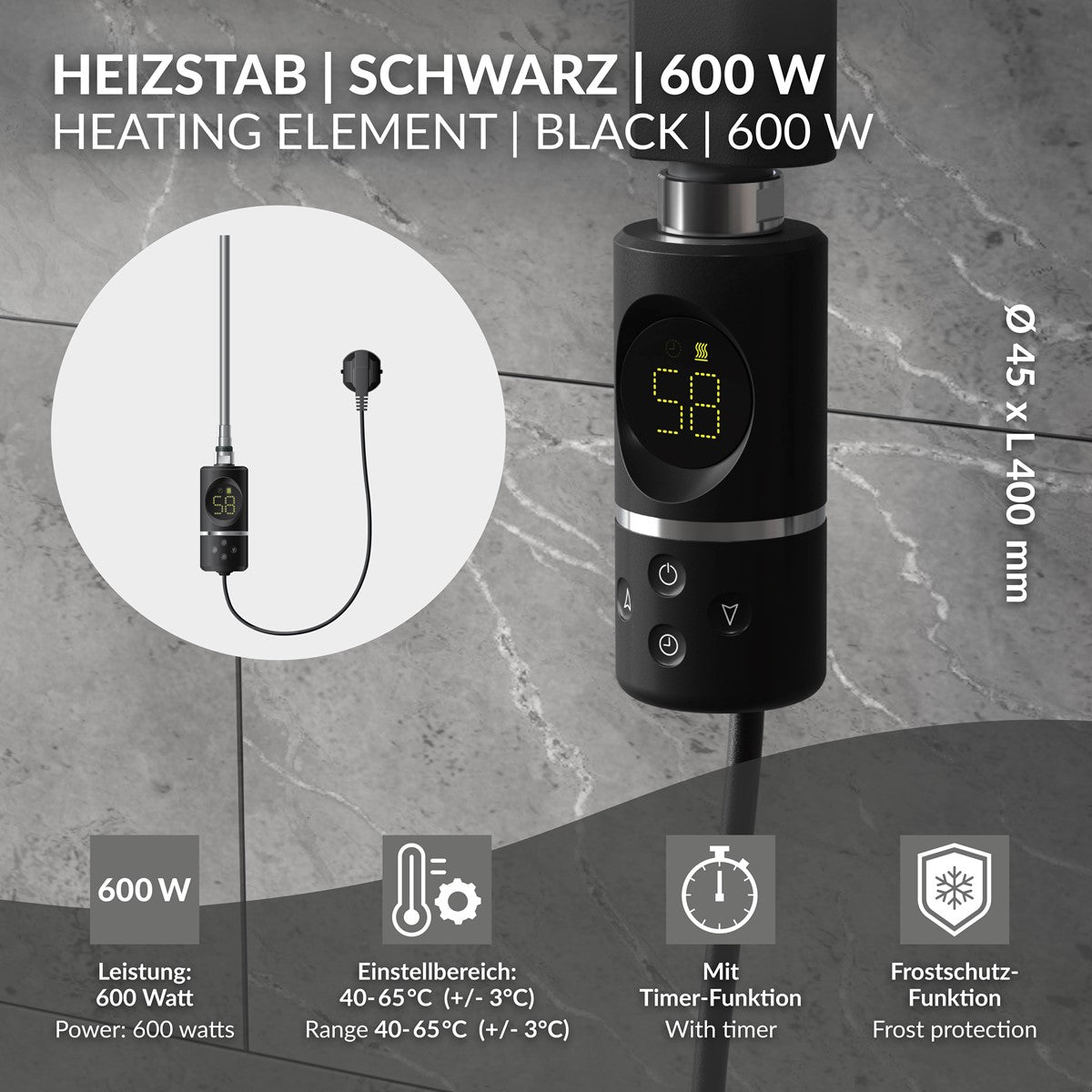
- Power: For smaller bathroom radiators and towel dryers, depending on the model, 300 to 600 watts may be sufficient.
- Storage: For larger buffer storage or hot water storage, correspondingly more powerful heating rods are used.
- PV surplus:Particularly interesting is the operation with self-generated solar power, as excess energy can be used directly for water heating.
- Installation:Many heating rods are mounted through existing inspection openings or standardized screw threads.
Heating rod with PV surplus: Efficient use of solar power
A heating rod can represent a simple way to use excess PV power for water heating. Instead of feeding the unneeded electricity completely into the public grid, the electrical energy is directly converted into heat and stored. A suitable control system is particularly important for an economically sensible operation, so that as much of the own solar power as possible is used and unnecessary grid power consumption can be avoided.
Important quality criteria when purchasing a heating rod
In order for a heating rod to be operated reliably and sustainably, not only the power but also the technical characteristics and safety functions should be considered. Depending on the area of application, regulation, temperature limitation, material, and compatibility with the storage tank are particularly decisive.
- Integrated control thermostat for setting the desired temperature
- Safety temperature limiter to protect against overheating
- High-quality and suitable material for the respective area of application
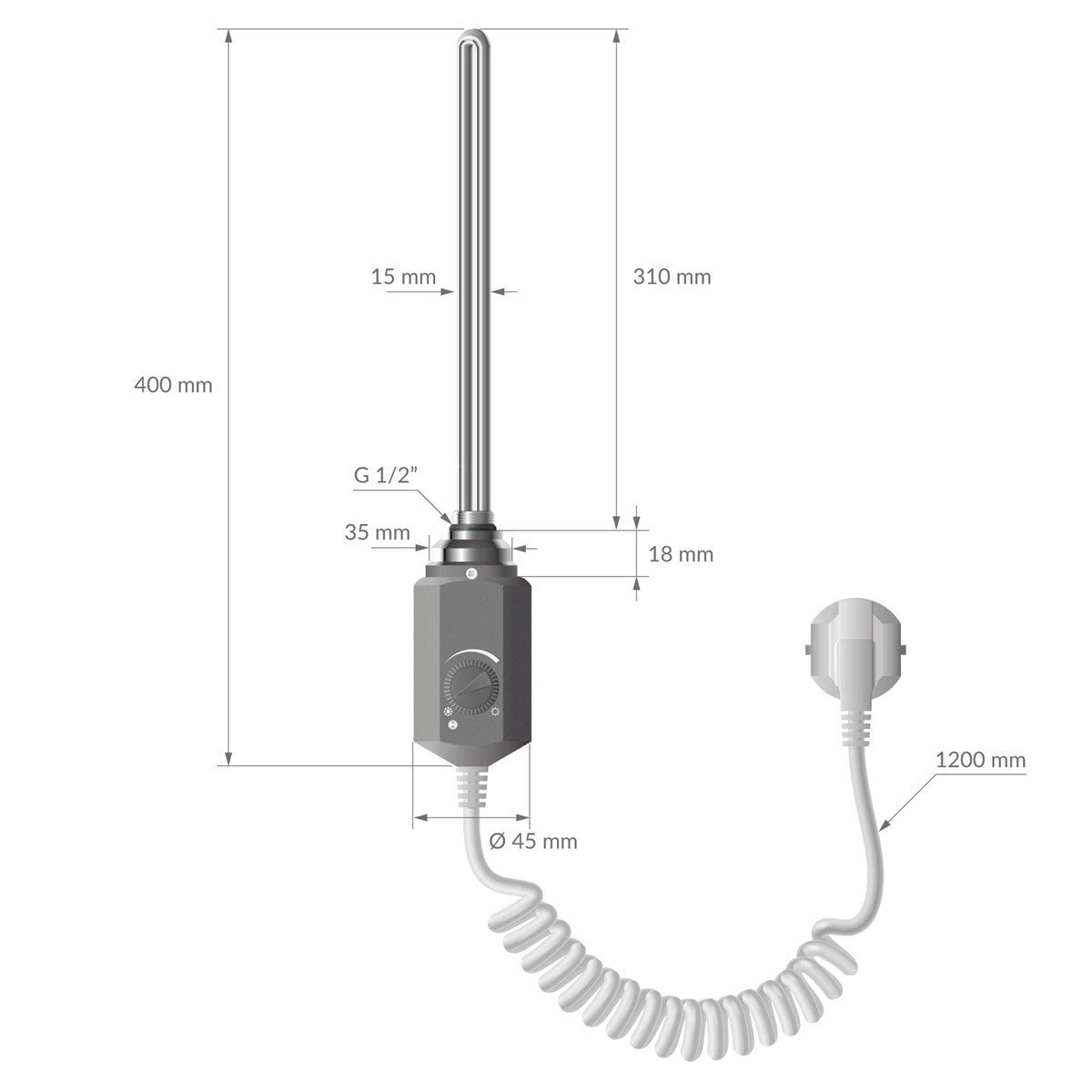
- Suitable installation length and connection size
- Suitable mains voltage of 230 V or 400 V
- Compatibility with the existing storage tank and heating system
- For PV use, a suitable control option for surplus power
Material quality and corrosion protection
For heating rods that come into permanent contact with water, material quality plays an important role. Depending on the area of application, stainless steel or specially coated heating elements are used, for example. In drinking water storage tanks, the specifications of the respective tank and compatibility with existing protection systems such as sacrificial or impressed current anodes must also be considered.
Smart controllability for maximum efficiency
Simple heating rods operate on the principle of on or off, while modern systems can enable demand-oriented control. In conjunction with a suitable PV surplus controller or energy management system, the heating power can be adjusted to the currently available solar energy. This allows more self-generated electricity to be used directly in one's own household.
Tips for installation, maintenance, and descaling
A heating rod generally operates with low maintenance; however, water quality can affect the lifespan of the heating element. Especially in regions with hard water, limescale deposits can form on the heating surface over time. A thicker layer of limescale can impair heat transfer and increase the thermal load on the heating element.
With appropriate maintenance, it can be useful to regularly check the heating element and descale it if necessary. The maintenance intervals depend, among other things, on water hardness, usage, and storage system. When disassembling and cleaning, the manufacturer's instructions should be followed. Hard tools or aggressive cleaning methods can damage the surface of the heating element.
Conclusion: Buy the right heating element at ML-Design now
A heating element from ML-Design can be a practical addition to modern heating and hot water systems. Whether to support a bathroom radiator, for hot water preparation, or to utilize excess PV electricity – electric heating elements enable flexible and uncomplicated heat generation.
Whether you are looking for a compact heating cartridge for your bathroom radiator or a powerful screw-in heating element for a buffer storage tank – when selecting, performance, connection, installation length, mains voltage, and control options should match the respective system. Discover the selection of heating elements from ML-Design now and find the right heating element for your project.













Heating rods for efficient hot water preparation and smart PV self-consumption
A modern heating rod is a flexible solution for electric heat generation and can be easily integrated into existing heating and storage systems. It is particularly interesting for use in hot water preparation or for utilizing excess electricity from a photovoltaic system. The heating rod converts electrical energy directly into heat and can thus support, for example, a buffer storage tank, drinking water storage, or bathroom radiators. This allows existing building technology to be sensibly supplemented without the need for extensive piping or complicated renovation work.
Particularly in demand are precisely adjustable heating cartridges and electric screw-in heating elements that can be integrated into various systems. The selection at ML-Design ranges from compact heating rods for bathroom radiators to more powerful models for storage and heating systems. Whether for hot water preparation, as a supplement for a buffer storage tank with a heating rod, or for utilizing PV surplus electricity – the application possibilities are versatile. When selecting, heating power, installation length, connection thread, mains voltage, and the desired control play an important role.
But which heating rod is optimal for your project? In addition to the required power in kW, the length of the heating element, the existing storage construction, the required mains voltage, and compatibility with existing control or PV systems are crucial. The material quality and the intended area of use should also be considered when making a selection.
Areas of application: Where do electric heating rods unleash their full potential?
Electric heating rods can be used in various areas of building technology. Due to their compact design, they are suitable for both smaller radiators and larger storage and heating systems.
Bathroom radiators and towel dryers in flexible mixed operation
In the bathroom, electric heating rods can be used independently of the central heating system. The mixed operation is particularly practical: while the bathroom radiator is heated in winter via the water-based central heating, the electric heating rod can take over the heat supply in summer. This allows towels to be dried and the radiator to be heated as needed without having to operate the entire heating system.
Utilizing buffer storage and PV surplus sensibly
A heating rod in the buffer storage can convert excess solar power into thermal energy. If the photovoltaic system generates more electricity than is needed in the household, this energy can be used to heat the storage water. The stored heat is then available at a later time and can be used, for example, for hot water preparation or to support the heating system. An intelligent control system can help adjust the heating power to the available PV surplus.
Economics, performance, and technical sizing
Anyone looking to buy a heating rod should first check what heating power is required for the intended area of use. Small heating rods for bathroom radiators require significantly less power than models for large storage tanks. Storage volume, desired heating time, and existing power supply must also be considered when making a selection.
- Power: For smaller bathroom radiators and towel dryers, depending on the model, 300 to 600 watts may be sufficient.
- Storage: For larger buffer storage or hot water storage, correspondingly more powerful heating rods are used.
- PV surplus:Particularly interesting is the operation with self-generated solar power, as excess energy can be used directly for water heating.
- Installation:Many heating rods are mounted through existing inspection openings or standardized screw threads.
Heating rod with PV surplus: Efficient use of solar power
A heating rod can represent a simple way to use excess PV power for water heating. Instead of feeding the unneeded electricity completely into the public grid, the electrical energy is directly converted into heat and stored. A suitable control system is particularly important for an economically sensible operation, so that as much of the own solar power as possible is used and unnecessary grid power consumption can be avoided.
Important quality criteria when purchasing a heating rod
In order for a heating rod to be operated reliably and sustainably, not only the power but also the technical characteristics and safety functions should be considered. Depending on the area of application, regulation, temperature limitation, material, and compatibility with the storage tank are particularly decisive.
- Integrated control thermostat for setting the desired temperature
- Safety temperature limiter to protect against overheating
- High-quality and suitable material for the respective area of application
- Suitable installation length and connection size
- Suitable mains voltage of 230 V or 400 V
- Compatibility with the existing storage tank and heating system
- For PV use, a suitable control option for surplus power
Material quality and corrosion protection
For heating rods that come into permanent contact with water, material quality plays an important role. Depending on the area of application, stainless steel or specially coated heating elements are used, for example. In drinking water storage tanks, the specifications of the respective tank and compatibility with existing protection systems such as sacrificial or impressed current anodes must also be considered.
Smart controllability for maximum efficiency
Simple heating rods operate on the principle of on or off, while modern systems can enable demand-oriented control. In conjunction with a suitable PV surplus controller or energy management system, the heating power can be adjusted to the currently available solar energy. This allows more self-generated electricity to be used directly in one's own household.
Tips for installation, maintenance, and descaling
A heating rod generally operates with low maintenance; however, water quality can affect the lifespan of the heating element. Especially in regions with hard water, limescale deposits can form on the heating surface over time. A thicker layer of limescale can impair heat transfer and increase the thermal load on the heating element.
With appropriate maintenance, it can be useful to regularly check the heating element and descale it if necessary. The maintenance intervals depend, among other things, on water hardness, usage, and storage system. When disassembling and cleaning, the manufacturer's instructions should be followed. Hard tools or aggressive cleaning methods can damage the surface of the heating element.
Conclusion: Buy the right heating element at ML-Design now
A heating element from ML-Design can be a practical addition to modern heating and hot water systems. Whether to support a bathroom radiator, for hot water preparation, or to utilize excess PV electricity – electric heating elements enable flexible and uncomplicated heat generation.
Whether you are looking for a compact heating cartridge for your bathroom radiator or a powerful screw-in heating element for a buffer storage tank – when selecting, performance, connection, installation length, mains voltage, and control options should match the respective system. Discover the selection of heating elements from ML-Design now and find the right heating element for your project.
Find even more among our top sellers







Popular categories


