


Decorative Figures – Stylish Accents for Home, Apartment, and Garden
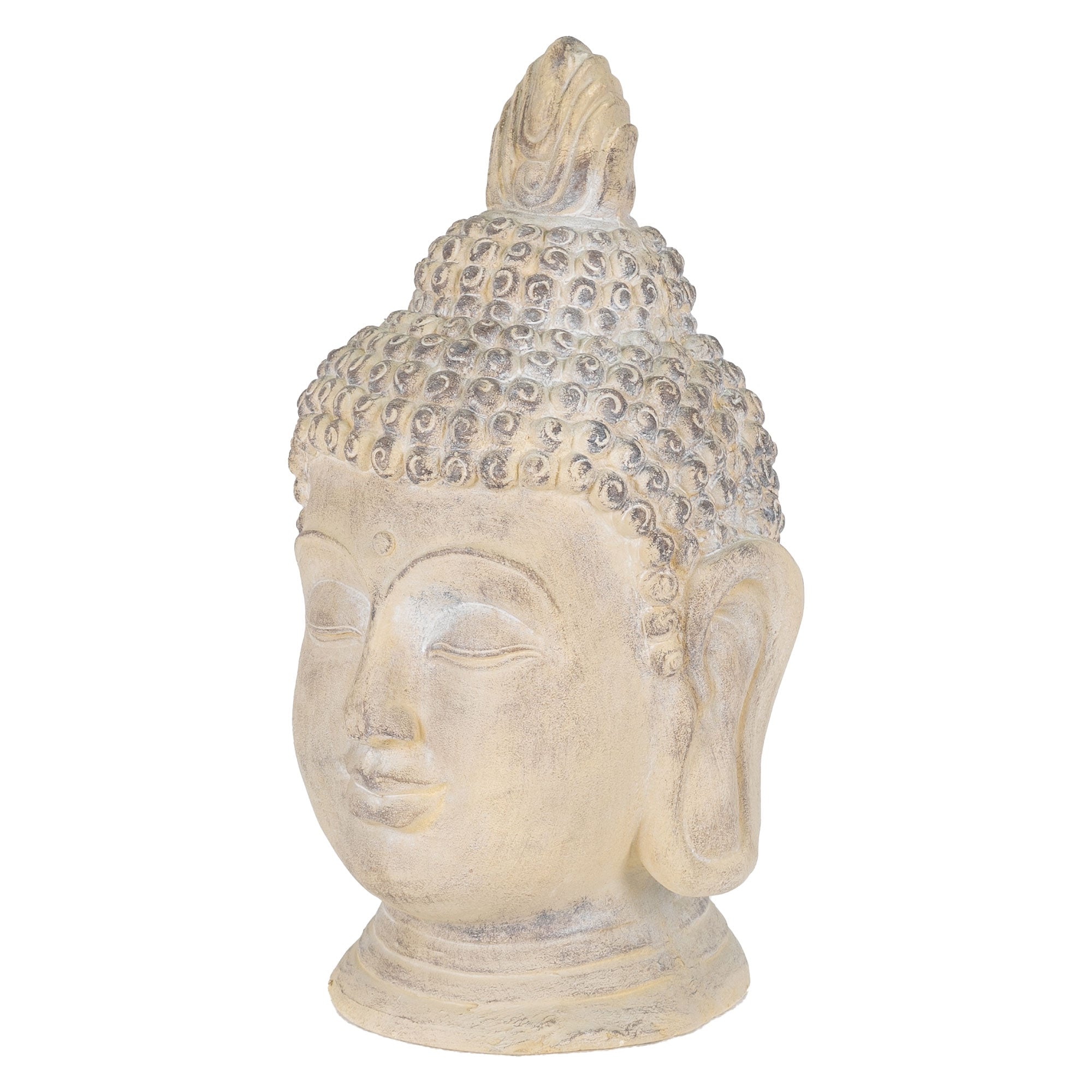
Decorative figures are a simple way to personalize living spaces, terrace, balcony, or garden. Whether it's a Buddha head, elephant, Moai Rapa Nui figure, or another decorative sculpture: figures can be used as a single eye-catcher or combined with other home accessories. In addition to appearance, material, size, weight, location, and weather resistance also play an important role. Depending on the motif, a decorative figure can also have a specific symbolic meaning and thus create an additional effect. ECD-Germany offers various decorative figures and sculptures that can be used to individually design both indoor and outdoor areas.
Which decorative figures are particularly popular?
There are numerous styles and motifs for decorative figures. Particularly popular are figures that can be used as independent eye-catchers and simultaneously bring a special meaning or characteristic style.
- Buddha Heads
- Elephant Figures
- Moai Rapa Nui Heads
- Animal Figures
- Abstract Sculptures
- Decorative Human Figures
- Garden Figures
- Modern Art Figures
Buddha heads are often associated with peace, serenity, and inner balance. Elephants can symbolize strength, wisdom, and luck. The distinctive Moai heads from Rapa Nui stand out primarily due to their extraordinary and iconic appearance. Which figure fits best ultimately depends on personal taste and the desired furnishing style.
What does a Buddha head mean as decoration?
A Buddha head is often perceived as a symbol of peace, serenity, wisdom, and balance. Therefore, it is often used in areas that are meant to convey a relaxed and calm atmosphere. It should be noted that there is a distinction between decorative use and religious significance. For many people, a Buddha motif can be purely aesthetic or symbolic decoration, while for others it holds a religious or spiritual meaning. When placing it, a respectful approach to the motif should also be considered.
Elephants as Decorative Figures
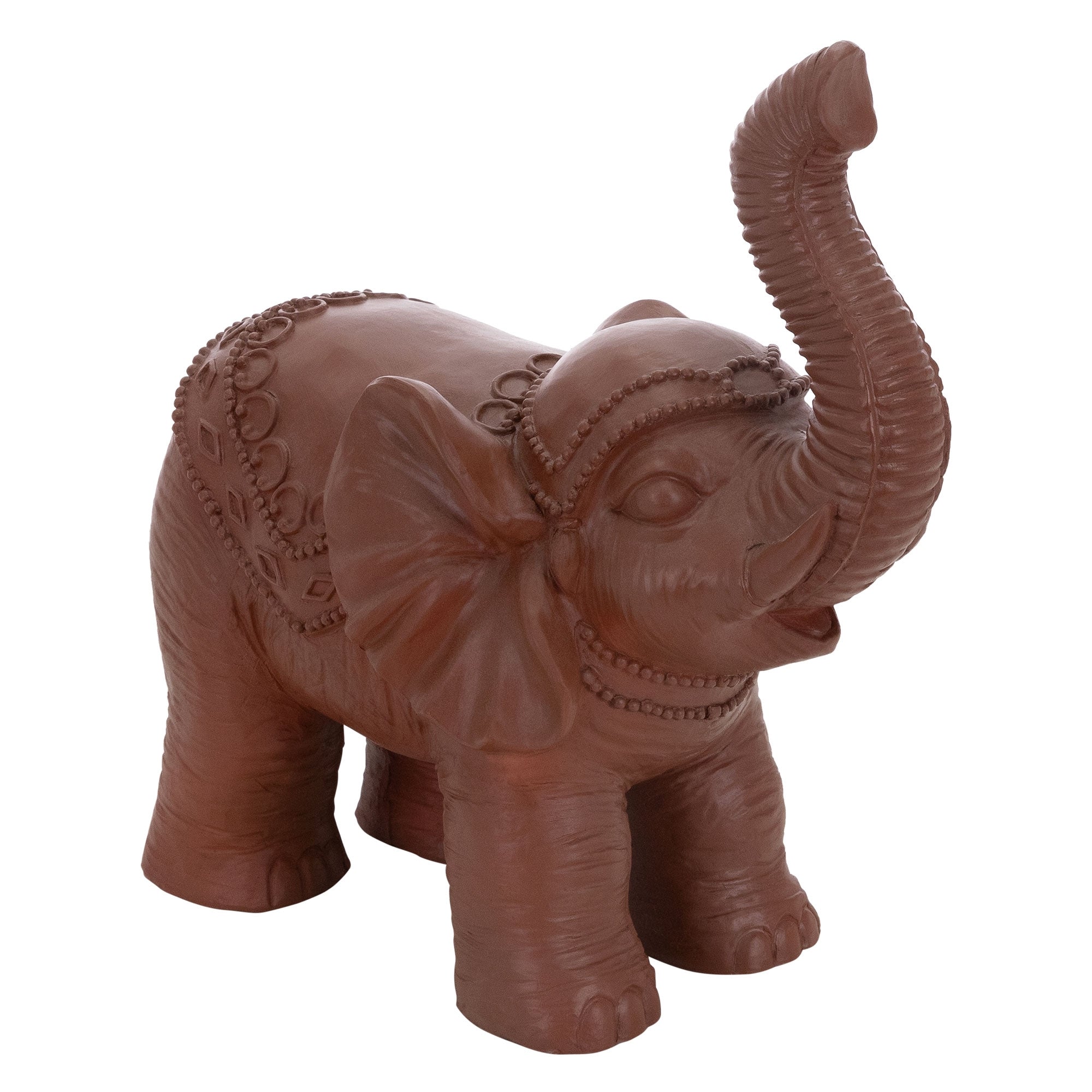
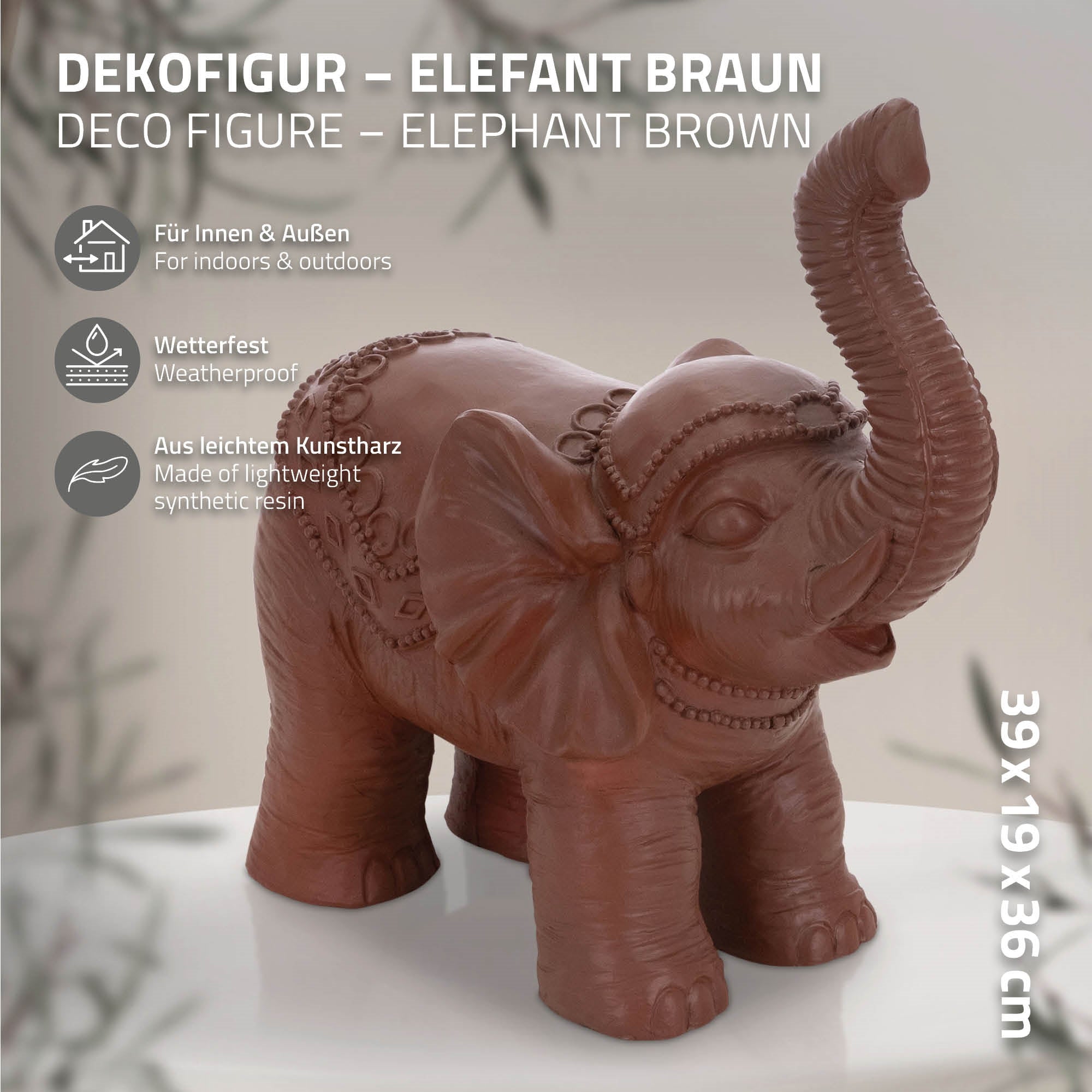
Elephants are also among the popular motifs in decorative sculptures. Depending on the design, they can appear both classic and modern. As a symbol, elephants are often associated with qualities such as strength, wisdom, luck, and stability. This makes them suitable not only as decoration but also as a personal gift. Particularly interesting are combinations of several elephant figures or a single larger elephant as a focal point on a dresser, sideboard, or in an outdoor area.
Moai Rapa Nui – striking decor with a special look
The famous Moai of Rapa Nui, also known as Easter Island statues, are monumental stone sculptures from Easter Island. Their characteristic heads and faces have made them known worldwide. As decorative figures, Moai sculptures adopt this striking form and thus bring an extraordinary accent to the design. They fit, for example, into modern, exotic, or unusual interior concepts. Especially in the garden, Moai figures can be used as a special focal point. Due to their distinctive shape, they often do not require additional decoration but already serve as a standalone design element.
Where is the best place to display decorative figures?
The ideal location depends on the size and material of the figure as well as its desired effect. In the living room, decorative figures can be placed on sideboards, shelves, dressers, or side tables. A larger figure can also stand directly on the floor. In the hallway, smaller figures are suitable as a decorative accent on a console or dresser. On terraces and balconies, figures can be strategically placed among plants or next to seating areas. In the garden, larger sculptures work particularly well. They can serve as a focal point, for example, along a path, on a terrace, or in a planted area. In general, a figure should be placed where it stands out well without obstructing walkways or the practical use of the space.
Decorative figures for the garden
For outdoor areas, different requirements are important than for indoor spaces. A garden figure should be as robust as possible and able to withstand the respective weather conditions.
- Moisture resistance
- UV resistance
- Frost resistance
- Weight and stability
- Material quality
- Maintenance effort
For lightweight figures, stability can also be important, as wind can provide a larger surface area for attack. Not every decorative figure is automatically suitable for permanent outdoor use. Therefore, it should be checked before purchase whether the respective model is explicitly intended for outdoor use.
Which materials are suitable for decorative figures?
Decorative figures are made from different materials. Depending on the material, appearance, weight, maintenance effort, and suitability for outdoor use vary.
Polyresin allows for detailed shapes and can be relatively lightweight. This material is therefore often used for decorative figures. Stone and concrete appear particularly massive and are well-suited for larger garden figures. Due to their weight, they can also be particularly stable. Metal can look modern and high-quality and is suitable for numerous contemporary designs. However, depending on the material and surface treatment, attention should be paid to protection against corrosion. Ceramic offers a wide range of design possibilities and is particularly suitable for decorative figures indoors. When used outdoors, attention should be paid to the respective frost resistance.
Decorative figures to match the interior style
The figure should harmonize as much as possible with the existing decor. This does not mean that it must have exactly the same style – deliberate contrasts can also be interesting.
- For modern interiors, reduced, geometric, or abstract figures are suitable.
- In a natural living style, animal figures, wood looks, or earthy colors can work well.
- An exotic or oriental-inspired style can be complemented by Buddha motifs or special sculptures.
- If you want to create a conscious focal point, you can place a striking figure in an otherwise rather simply furnished area.
How do you combine different decorative figures with each other?
Multiple figures can form a decorative group together. However, care should be taken that not every element competes for attention. A simple way to do this is to combine figures with a common characteristic. This could be the material, a similar color scheme, or a common style. Different sizes can also be used deliberately. A larger figure can serve as the centerpiece, while smaller figures are placed alongside it as complements. Especially with multiple figures, it is advisable to leave some space between the individual objects. This way, the individual shapes remain more recognizable.
Large or small decorative figure?
The size should fit the area and the surroundings. Small figures are well-suited for shelves, dressers, or side tables. Larger models, on the other hand, can be used on the floor or in the garden. A large figure can quickly appear dominant in a small room. Conversely, a small figure can visually get lost on a large terrace or in a spacious garden. Therefore, before purchasing, not only the figure itself but also the planned location should be considered.
Decorative figures as gifts
Decorative figures can also be interesting as gifts, especially if the motif has a personal significance. For example, an elephant can be given as a symbol of luck or strength. A Buddha motif can stand for peace and balance. A Moai figure, on the other hand, is particularly suitable for people who like extraordinary or unusual decorations. However, when giving a gift, the personal furnishing style of the recipient should be taken into account. A striking figure does not automatically fit into every household.
What should you pay attention to when buying a decorative figure?
Before purchasing, it is worth taking a look at some practical and design criteria:
- Motif and personal taste
- Size and weight
- Material
- Processing
- Place of use
- Weather and frost resistance
- Stability
- Maintenance effort
- Color and design
- Value for money
For the garden, it should be particularly checked whether the figure is suitable for permanent outdoor use. In contrast, size, appearance, and the right combination with existing furniture often play a larger role in the apartment.
Decorative figures from ECD-Germany
With the decorative figures from ECD-Germany, different living and outdoor areas can be individually designed. Whether a characteristic Buddha head, a decorative elephant, or an extraordinary Moai Rapa Nui – different motifs allow for various styles and effects. Individual figures can be used as eye-catchers or multiple decorations can be combined into a personal arrangement.
Conclusion: Set individual accents with the right decorative figure
Decorative figures can quickly give a room or garden more personality. Especially Buddha heads, elephants, and Moai Rapa Nui figures not only offer a striking appearance but can also have a special symbolic effect depending on the motif. When selecting, material, size, stability, and location of use should be considered in addition to the design. For garden and terrace, weather resistance is also crucial.
Discover the decorative figures from ECD-Germany now and find a suitable sculpture with which you can design your home, terrace, or garden individually and stylishly.



Decorative Figures – Stylish Accents for Home, Apartment, and Garden
Decorative figures are a simple way to personalize living spaces, terrace, balcony, or garden. Whether it's a Buddha head, elephant, Moai Rapa Nui figure, or another decorative sculpture: figures can be used as a single eye-catcher or combined with other home accessories. In addition to appearance, material, size, weight, location, and weather resistance also play an important role. Depending on the motif, a decorative figure can also have a specific symbolic meaning and thus create an additional effect. ECD-Germany offers various decorative figures and sculptures that can be used to individually design both indoor and outdoor areas.
Which decorative figures are particularly popular?
There are numerous styles and motifs for decorative figures. Particularly popular are figures that can be used as independent eye-catchers and simultaneously bring a special meaning or characteristic style.
- Buddha Heads
- Elephant Figures
- Moai Rapa Nui Heads
- Animal Figures
- Abstract Sculptures
- Decorative Human Figures
- Garden Figures
- Modern Art Figures
Buddha heads are often associated with peace, serenity, and inner balance. Elephants can symbolize strength, wisdom, and luck. The distinctive Moai heads from Rapa Nui stand out primarily due to their extraordinary and iconic appearance. Which figure fits best ultimately depends on personal taste and the desired furnishing style.
What does a Buddha head mean as decoration?
A Buddha head is often perceived as a symbol of peace, serenity, wisdom, and balance. Therefore, it is often used in areas that are meant to convey a relaxed and calm atmosphere. It should be noted that there is a distinction between decorative use and religious significance. For many people, a Buddha motif can be purely aesthetic or symbolic decoration, while for others it holds a religious or spiritual meaning. When placing it, a respectful approach to the motif should also be considered.
Elephants as Decorative Figures
Elephants are also among the popular motifs in decorative sculptures. Depending on the design, they can appear both classic and modern. As a symbol, elephants are often associated with qualities such as strength, wisdom, luck, and stability. This makes them suitable not only as decoration but also as a personal gift. Particularly interesting are combinations of several elephant figures or a single larger elephant as a focal point on a dresser, sideboard, or in an outdoor area.
Moai Rapa Nui – striking decor with a special look
The famous Moai of Rapa Nui, also known as Easter Island statues, are monumental stone sculptures from Easter Island. Their characteristic heads and faces have made them known worldwide. As decorative figures, Moai sculptures adopt this striking form and thus bring an extraordinary accent to the design. They fit, for example, into modern, exotic, or unusual interior concepts. Especially in the garden, Moai figures can be used as a special focal point. Due to their distinctive shape, they often do not require additional decoration but already serve as a standalone design element.
Where is the best place to display decorative figures?
The ideal location depends on the size and material of the figure as well as its desired effect. In the living room, decorative figures can be placed on sideboards, shelves, dressers, or side tables. A larger figure can also stand directly on the floor. In the hallway, smaller figures are suitable as a decorative accent on a console or dresser. On terraces and balconies, figures can be strategically placed among plants or next to seating areas. In the garden, larger sculptures work particularly well. They can serve as a focal point, for example, along a path, on a terrace, or in a planted area. In general, a figure should be placed where it stands out well without obstructing walkways or the practical use of the space.
Decorative figures for the garden
For outdoor areas, different requirements are important than for indoor spaces. A garden figure should be as robust as possible and able to withstand the respective weather conditions.
- Moisture resistance
- UV resistance
- Frost resistance
- Weight and stability
- Material quality
- Maintenance effort
For lightweight figures, stability can also be important, as wind can provide a larger surface area for attack. Not every decorative figure is automatically suitable for permanent outdoor use. Therefore, it should be checked before purchase whether the respective model is explicitly intended for outdoor use.
Which materials are suitable for decorative figures?
Decorative figures are made from different materials. Depending on the material, appearance, weight, maintenance effort, and suitability for outdoor use vary.
Polyresin allows for detailed shapes and can be relatively lightweight. This material is therefore often used for decorative figures. Stone and concrete appear particularly massive and are well-suited for larger garden figures. Due to their weight, they can also be particularly stable. Metal can look modern and high-quality and is suitable for numerous contemporary designs. However, depending on the material and surface treatment, attention should be paid to protection against corrosion. Ceramic offers a wide range of design possibilities and is particularly suitable for decorative figures indoors. When used outdoors, attention should be paid to the respective frost resistance.
Decorative figures to match the interior style
The figure should harmonize as much as possible with the existing decor. This does not mean that it must have exactly the same style – deliberate contrasts can also be interesting.
- For modern interiors, reduced, geometric, or abstract figures are suitable.
- In a natural living style, animal figures, wood looks, or earthy colors can work well.
- An exotic or oriental-inspired style can be complemented by Buddha motifs or special sculptures.
- If you want to create a conscious focal point, you can place a striking figure in an otherwise rather simply furnished area.
How do you combine different decorative figures with each other?
Multiple figures can form a decorative group together. However, care should be taken that not every element competes for attention. A simple way to do this is to combine figures with a common characteristic. This could be the material, a similar color scheme, or a common style. Different sizes can also be used deliberately. A larger figure can serve as the centerpiece, while smaller figures are placed alongside it as complements. Especially with multiple figures, it is advisable to leave some space between the individual objects. This way, the individual shapes remain more recognizable.
Large or small decorative figure?
The size should fit the area and the surroundings. Small figures are well-suited for shelves, dressers, or side tables. Larger models, on the other hand, can be used on the floor or in the garden. A large figure can quickly appear dominant in a small room. Conversely, a small figure can visually get lost on a large terrace or in a spacious garden. Therefore, before purchasing, not only the figure itself but also the planned location should be considered.
Decorative figures as gifts
Decorative figures can also be interesting as gifts, especially if the motif has a personal significance. For example, an elephant can be given as a symbol of luck or strength. A Buddha motif can stand for peace and balance. A Moai figure, on the other hand, is particularly suitable for people who like extraordinary or unusual decorations. However, when giving a gift, the personal furnishing style of the recipient should be taken into account. A striking figure does not automatically fit into every household.
What should you pay attention to when buying a decorative figure?
Before purchasing, it is worth taking a look at some practical and design criteria:
- Motif and personal taste
- Size and weight
- Material
- Processing
- Place of use
- Weather and frost resistance
- Stability
- Maintenance effort
- Color and design
- Value for money
For the garden, it should be particularly checked whether the figure is suitable for permanent outdoor use. In contrast, size, appearance, and the right combination with existing furniture often play a larger role in the apartment.
Decorative figures from ECD-Germany
With the decorative figures from ECD-Germany, different living and outdoor areas can be individually designed. Whether a characteristic Buddha head, a decorative elephant, or an extraordinary Moai Rapa Nui – different motifs allow for various styles and effects. Individual figures can be used as eye-catchers or multiple decorations can be combined into a personal arrangement.
Conclusion: Set individual accents with the right decorative figure
Decorative figures can quickly give a room or garden more personality. Especially Buddha heads, elephants, and Moai Rapa Nui figures not only offer a striking appearance but can also have a special symbolic effect depending on the motif. When selecting, material, size, stability, and location of use should be considered in addition to the design. For garden and terrace, weather resistance is also crucial.
Discover the decorative figures from ECD-Germany now and find a suitable sculpture with which you can design your home, terrace, or garden individually and stylishly.
Find even more among our top sellers








Popular categories


