


Transport boxes – practical storage for workshop and operation
Transport boxes help to store tools, spare parts, and small items in an organized manner and transport them safely. Especially in automotive workshops and commercial work areas, robust and practical boxes are a sensible addition for an efficient workday.
Which transport box is suitable for tools and small parts?
For tools and small parts, a transport box should be sufficiently sturdy and allow for organized storage. Boxes with compartments or removable inserts are suitable for screws, nuts, or other small items. For larger tools, spacious boxes with a sturdy lid and secure closures are advisable. Depending on the use, stackable models can also be practical, as they make better use of the available storage space.What size should a transport box have?
The appropriate size depends on the contents and the intended use. Compact boxes are sufficient for small parts, while larger tools or spare parts require more storage space. Before purchasing, it should be considered what will be transported and how the box will be stored. Boxes that are too large can take up unnecessary space when not fully filled, while a box that is too small can quickly become disorganized. For commercial use, it may be sensible to combine several sizes.
What material is suitable for robust transport boxes?
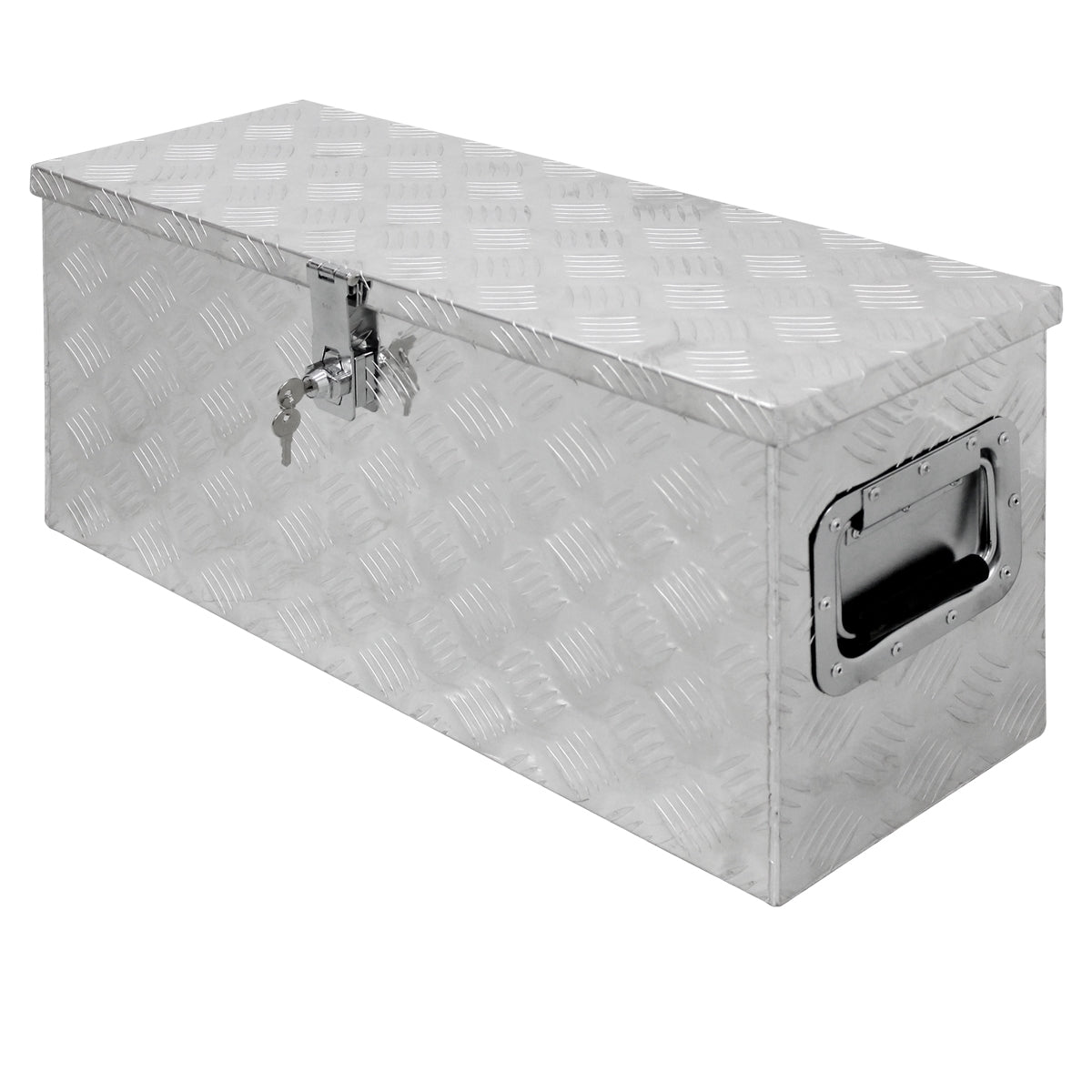
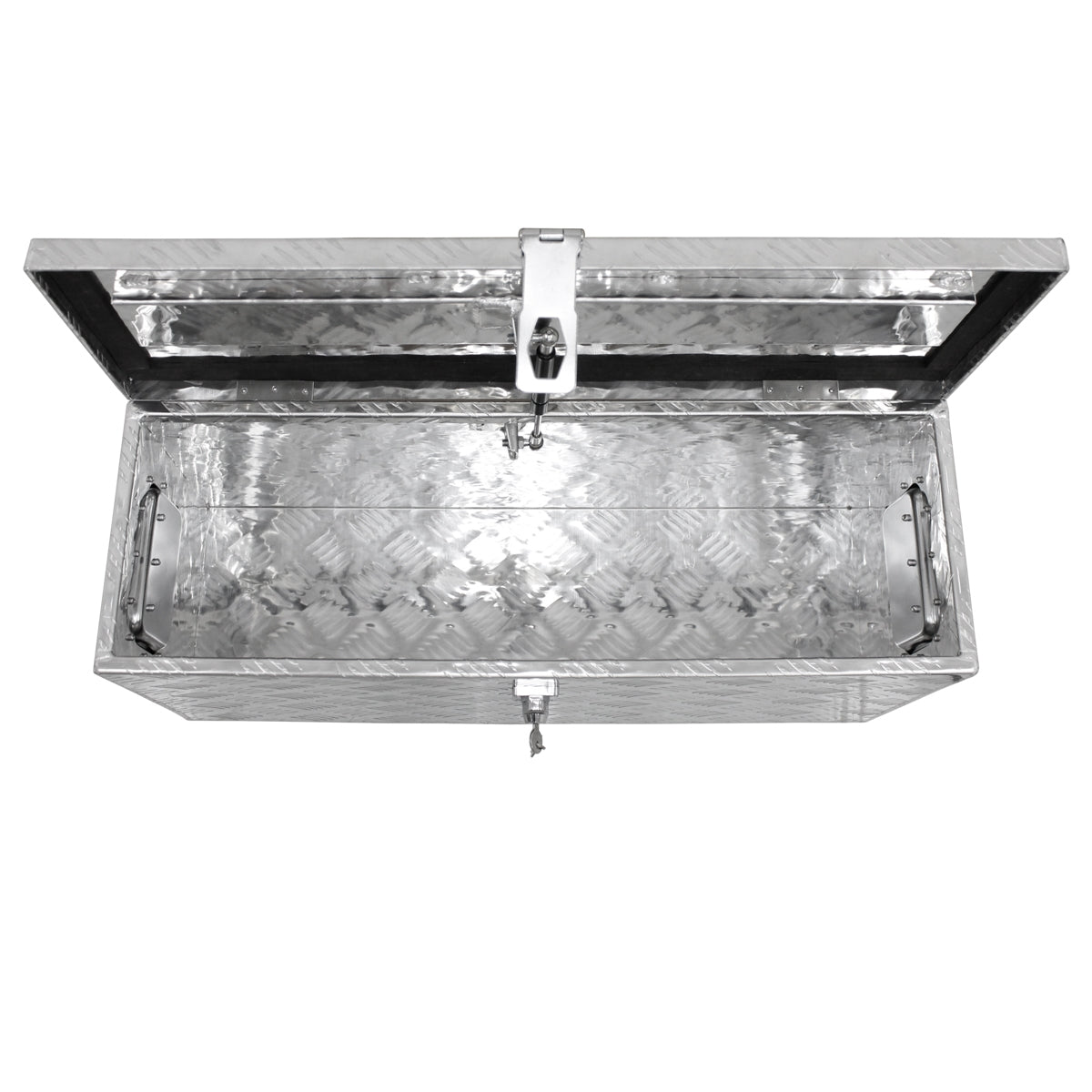
For regular use in workshops and operations, durable materials are especially important. Plastic boxes, for example, are lightweight, easy to maintain, and simple to transport. Depending on the design, robust plastic boxes can also be resistant to moisture and dirt. For particularly high loads, transport solutions made of metal are also an option. It is crucial that the material and workmanship match the intended use.
How much weight should a transport box be able to carry?
The necessary load capacity depends on the weight of the contents. Tools and smaller spare parts can quickly reach a significant weight, which is why the maximum load capacity of the box should be observed. In addition to load capacity, the stability of handles, closures, bottom, and lid also plays a role. For stackable boxes, it should also be checked what load is permissible when stacking. The maximum load capacity specified by the manufacturer should not be exceeded.
Transport boxes for an efficient working day
Well-organized transport boxes can simplify workflows in the workshop. Frequently needed tools or spare parts can be transported together and then stored in an orderly manner. Stackable boxes can also help to use storage space efficiently. For larger workshops and businesses, a combination of different box sizes can be particularly practical.
Transport boxes from ECD Germany
ECD Germany offers practical solutions for workshops, garages, and commercial applications. Depending on the need, transport boxes can be used for tools, spare parts, and various materials.
Conclusion
When selecting a transport box, size, material, load capacity, and area of use are crucial. For tools and small parts, the box should provide sufficient storage space and sensible organization. Robust transport boxes can thus create more order, facilitate transport, and make everyday work in the automotive workshop more efficient.
Transport boxes – practical storage for workshop and operation
Transport boxes help to store tools, spare parts, and small items in an organized manner and transport them safely. Especially in automotive workshops and commercial work areas, robust and practical boxes are a sensible addition for an efficient workday.
Which transport box is suitable for tools and small parts?
For tools and small parts, a transport box should be sufficiently sturdy and allow for organized storage. Boxes with compartments or removable inserts are suitable for screws, nuts, or other small items. For larger tools, spacious boxes with a sturdy lid and secure closures are advisable. Depending on the use, stackable models can also be practical, as they make better use of the available storage space.What size should a transport box have?
The appropriate size depends on the contents and the intended use. Compact boxes are sufficient for small parts, while larger tools or spare parts require more storage space. Before purchasing, it should be considered what will be transported and how the box will be stored. Boxes that are too large can take up unnecessary space when not fully filled, while a box that is too small can quickly become disorganized. For commercial use, it may be sensible to combine several sizes.
What material is suitable for robust transport boxes?
For regular use in workshops and operations, durable materials are especially important. Plastic boxes, for example, are lightweight, easy to maintain, and simple to transport. Depending on the design, robust plastic boxes can also be resistant to moisture and dirt. For particularly high loads, transport solutions made of metal are also an option. It is crucial that the material and workmanship match the intended use.
How much weight should a transport box be able to carry?
The necessary load capacity depends on the weight of the contents. Tools and smaller spare parts can quickly reach a significant weight, which is why the maximum load capacity of the box should be observed. In addition to load capacity, the stability of handles, closures, bottom, and lid also plays a role. For stackable boxes, it should also be checked what load is permissible when stacking. The maximum load capacity specified by the manufacturer should not be exceeded.
Transport boxes for an efficient working day
Well-organized transport boxes can simplify workflows in the workshop. Frequently needed tools or spare parts can be transported together and then stored in an orderly manner. Stackable boxes can also help to use storage space efficiently. For larger workshops and businesses, a combination of different box sizes can be particularly practical.
Transport boxes from ECD Germany
ECD Germany offers practical solutions for workshops, garages, and commercial applications. Depending on the need, transport boxes can be used for tools, spare parts, and various materials.
Conclusion
When selecting a transport box, size, material, load capacity, and area of use are crucial. For tools and small parts, the box should provide sufficient storage space and sensible organization. Robust transport boxes can thus create more order, facilitate transport, and make everyday work in the automotive workshop more efficient.
Find even more among our top sellers








Popular categories


