


Camping gear – well equipped on the go
The right camping gear makes an outdoor stay more comfortable, practical, and relaxing. In addition to tents, camping furniture, or cookware, sleeping equipment and practical helpers for food preparation are essential for a sensible camping setup. A suitable sleeping pad, a suitable sleeping bag, and a functional grill grate can make a big difference. Which products are best suited depends, among other things, on whether you are sleeping in a tent, in a camper van, in a caravan, or under the open sky. When choosing, comfort, weight, pack size, material, temperature range, stability, and area of use should be considered.
What is included in the most important camping gear?
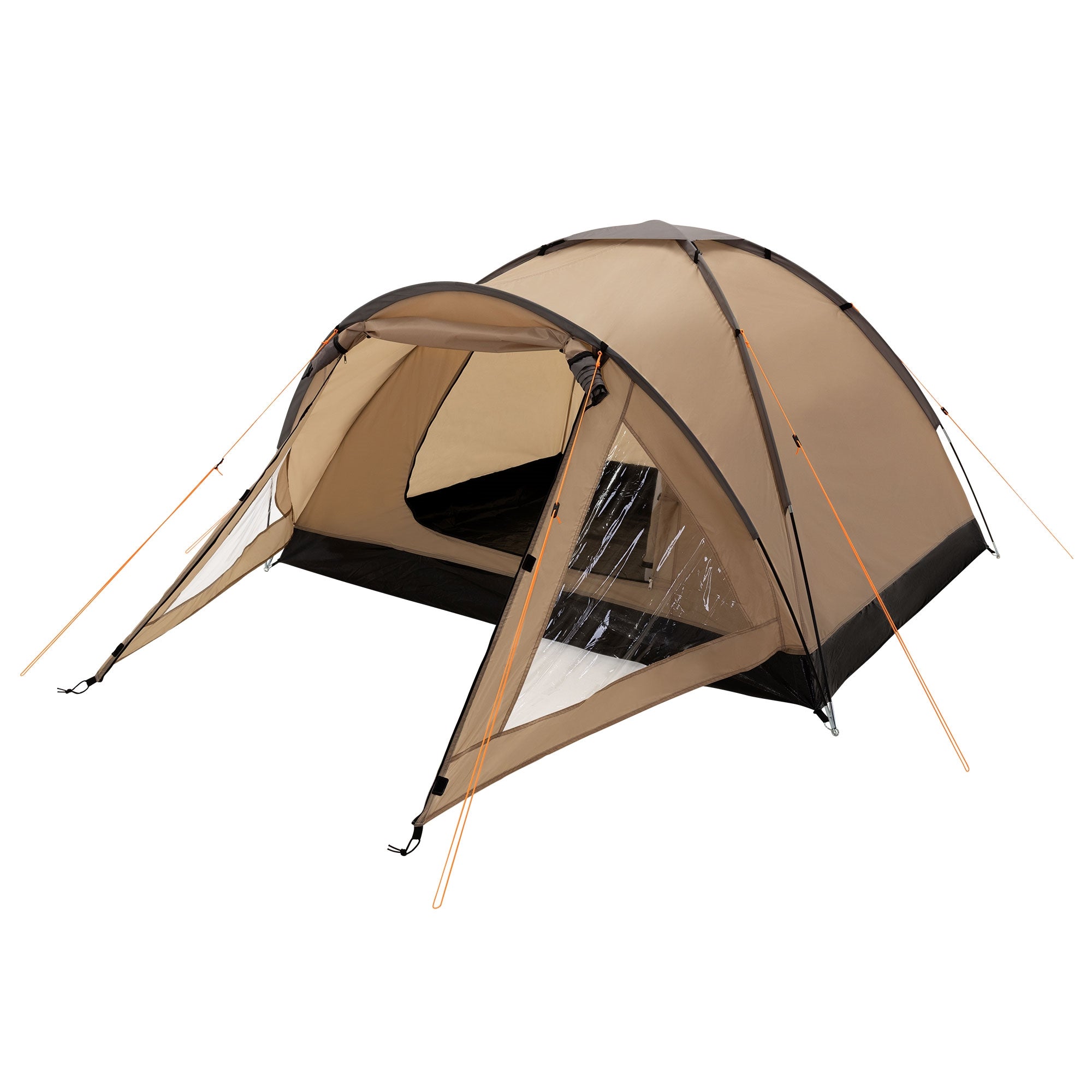
What camping equipment is really needed depends on the type and duration of the camping holiday. For a simple overnight stay in a tent, for example, a different setup is required than for a longer stay at a campsite. Important camping gear may include:
- Sleeping pad
- Sleeping bag
- Camping pillow
- Flashlight or headlamp
- Camping dishes
- Stove
- Grill grate
- Lighter or fire starter
- Cooler
- Camping cutlery
- Practical storage bags
- Sun protection and weather protection
For beginners, it is advisable to first assemble the basic equipment and then supplement it according to personal needs.
Which sleeping pad is suitable for camping?
A sleeping pad not only provides more comfort when camping. It also creates an insulating layer between the body and the ground, which can prevent cold from the ground from directly reaching the body. Which sleeping pad is suitable depends mainly on the area of use.
Foam sleeping pads
Foam pads are relatively uncomplicated, robust, and often lightweight. They are well-suited for simple camping trips and can also be used as an additional layer.Self-inflating sleeping pads
Self-inflating models often combine comfortable padding with relatively easy handling. They can be particularly interesting when a higher level of comfort is desired.Inflatable sleeping pads
Inflatable pads can often be packed particularly small, making them practical for trips with limited storage space. When purchasing, attention should be paid not only to comfort but also to weight, pack size, insulation performance, and robustness.How thick should a sleeping pad be when camping?
The appropriate thickness depends on how much comfort is needed and under what conditions the pad will be used. A thin sleeping pad can be lightweight and space-saving. For longer camping stays or for people who place a high value on comfort, a thicker pad may be more pleasant. The ground also plays a role. On a flat campsite, a thinner pad may be sufficient, while on a harder or uneven surface, a thicker padding may be more comfortable. However, when choosing, one should not only look at the thickness. Insulation performance, material, and construction are also crucial.
Sleeping pad and cold
When sleeping in a tent, the ground can be significantly colder than the surrounding air. A suitable sleeping pad helps to insulate the body from the cold ground. For colder nights, a pad with appropriate insulation performance should be chosen. For high-quality sleeping pads, this is often indicated by an R-value. The higher the R-value, the stronger the thermal insulation of the pad. For summer camping, a lower insulation performance may be sufficient, while a more insulating pad is advisable in cold temperatures.
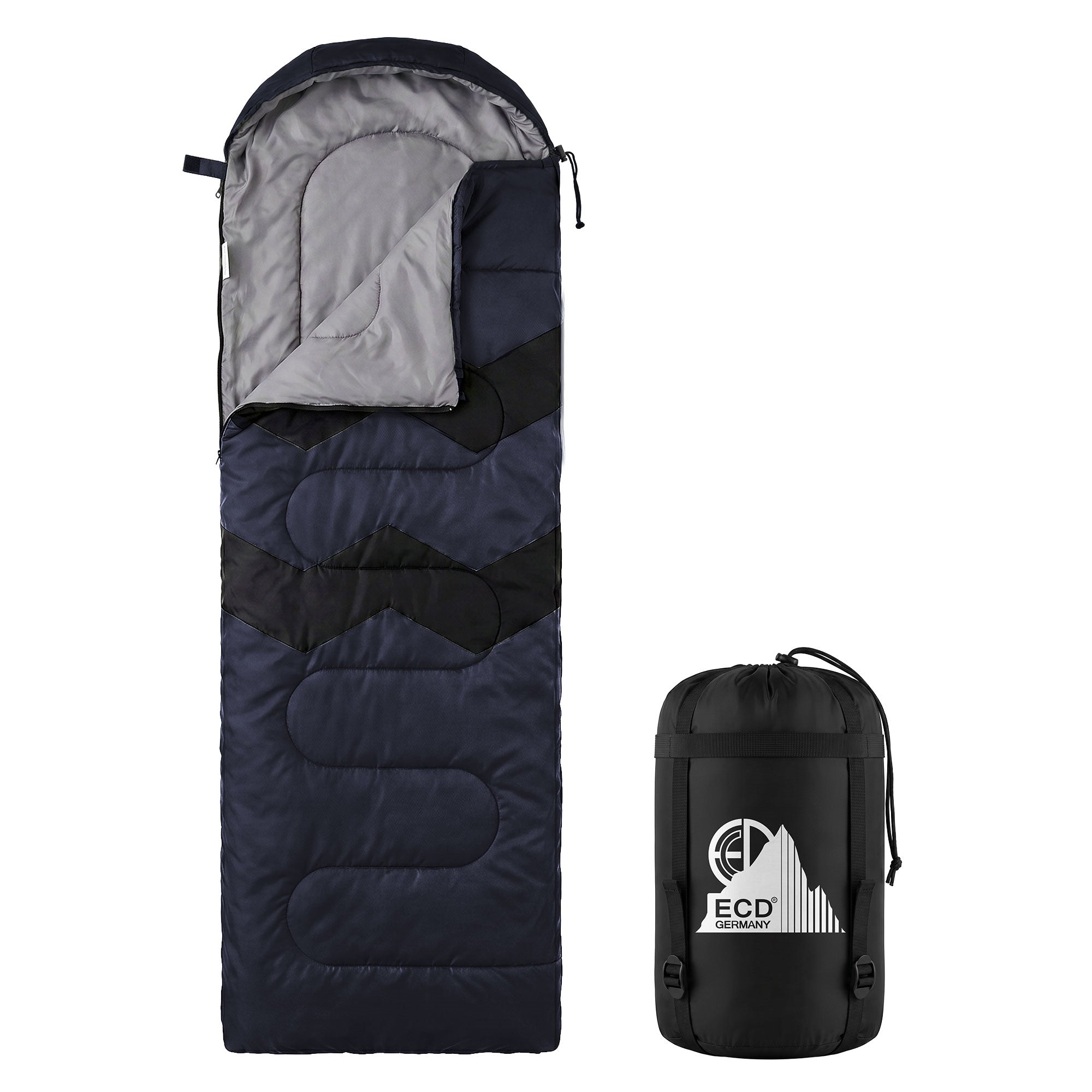
Which sleeping bag is suitable for which temperatures?
When it comes to sleeping bags, the temperature range is one of the most important purchase criteria. A summer sleeping bag is not automatically suitable for cold nights in spring or autumn. Different temperature values are indicated for sleeping bags. The temperature ranges or standard values specified by the manufacturer are particularly relevant. In simplified terms, it can be said:
- warm summer nights: lightweight summer sleeping bag
- spring and autumn: warmer three-season sleeping bag
- cold nights: appropriately insulated sleeping bag
However, the actual warmth sensation also depends on clothing, sleeping pad, body type, and individual needs. Therefore, the sleeping bag should not only be chosen based on a single temperature indication.
Sleeping bag for summer, spring, and autumn
For warm summer nights, a lightweight sleeping bag is often sufficient. It can be stored compactly and is particularly suitable for trips with little luggage. On the other hand, those traveling from spring to autumn can be more flexible with a three-season sleeping bag. Such models offer more insulation than pure summer sleeping bags without necessarily being as heavy and bulky as specialized winter sleeping bags. For particularly cold conditions, however, a sleeping bag designed for that purpose should be chosen.
Which sleeping bag shape is the right one?
Sleeping bags come in different shapes. Particularly common are rectangular sleeping bags and mummy sleeping bags. A rectangular sleeping bag offers relatively much freedom of movement and can feel particularly comfortable. A mummy sleeping bag fits closer to the body and can therefore retain heat more efficiently. It is particularly suitable for cooler temperatures or trekking tours, where weight and pack size play a larger role. The appropriate shape therefore depends on comfort requirements, body structure, and intended use.
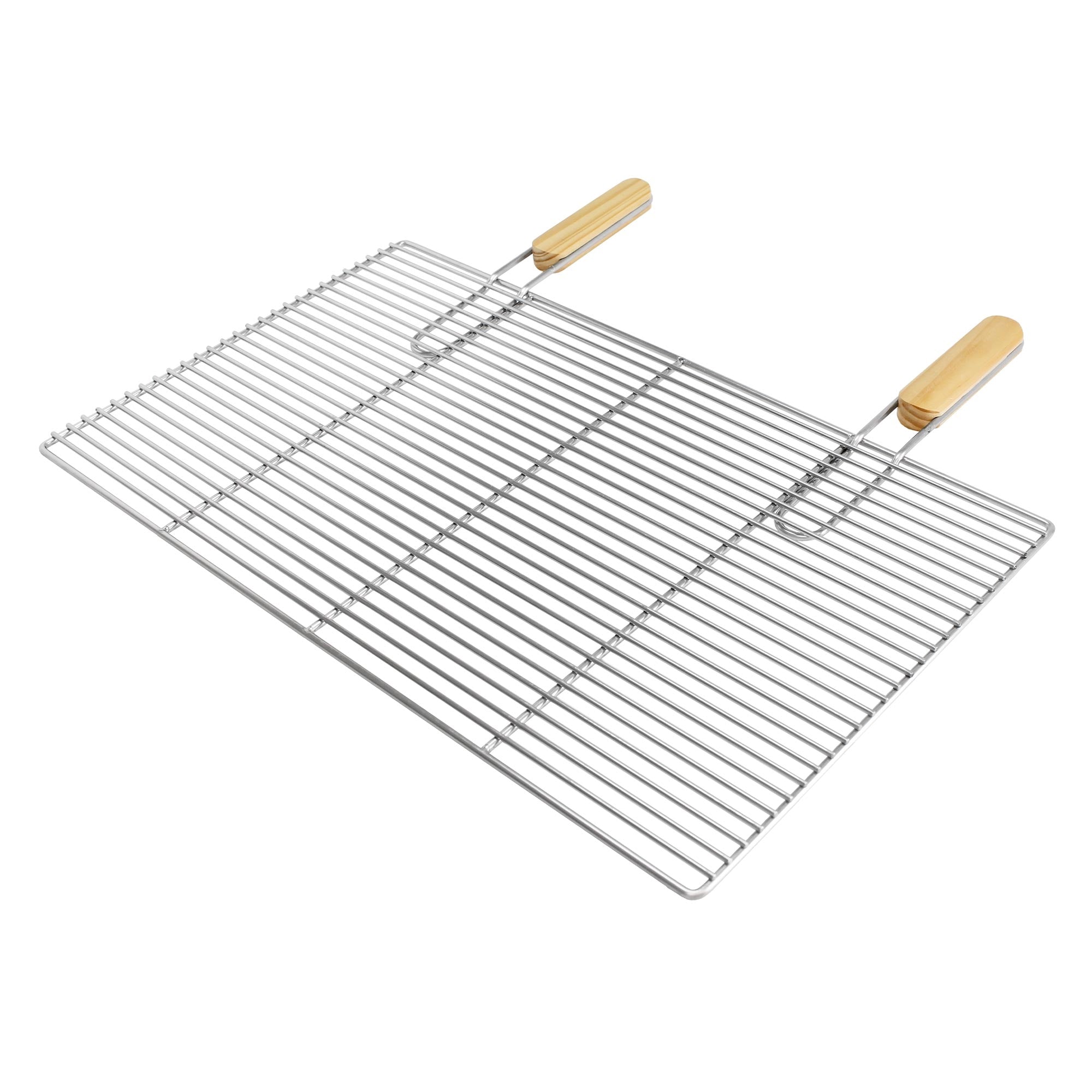
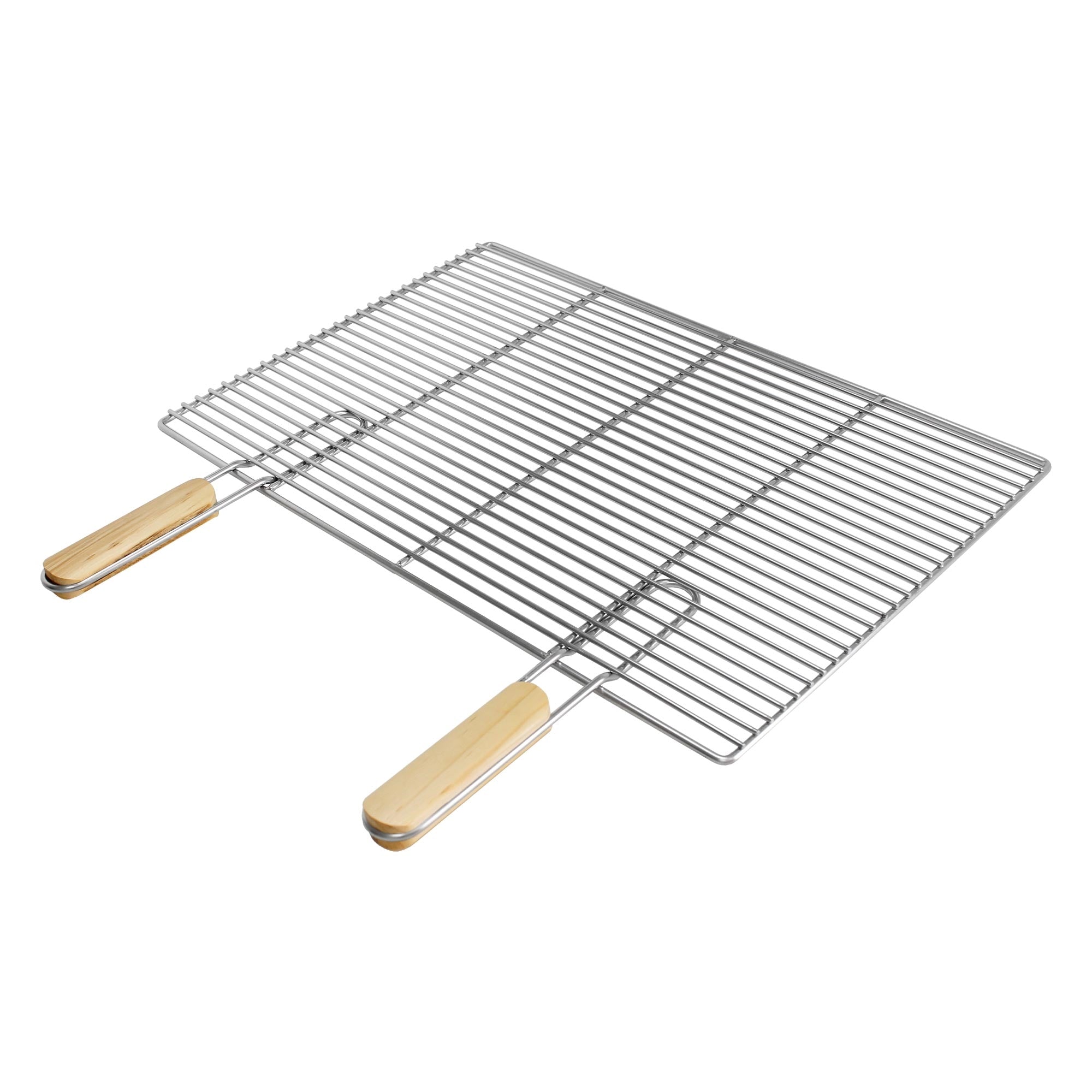
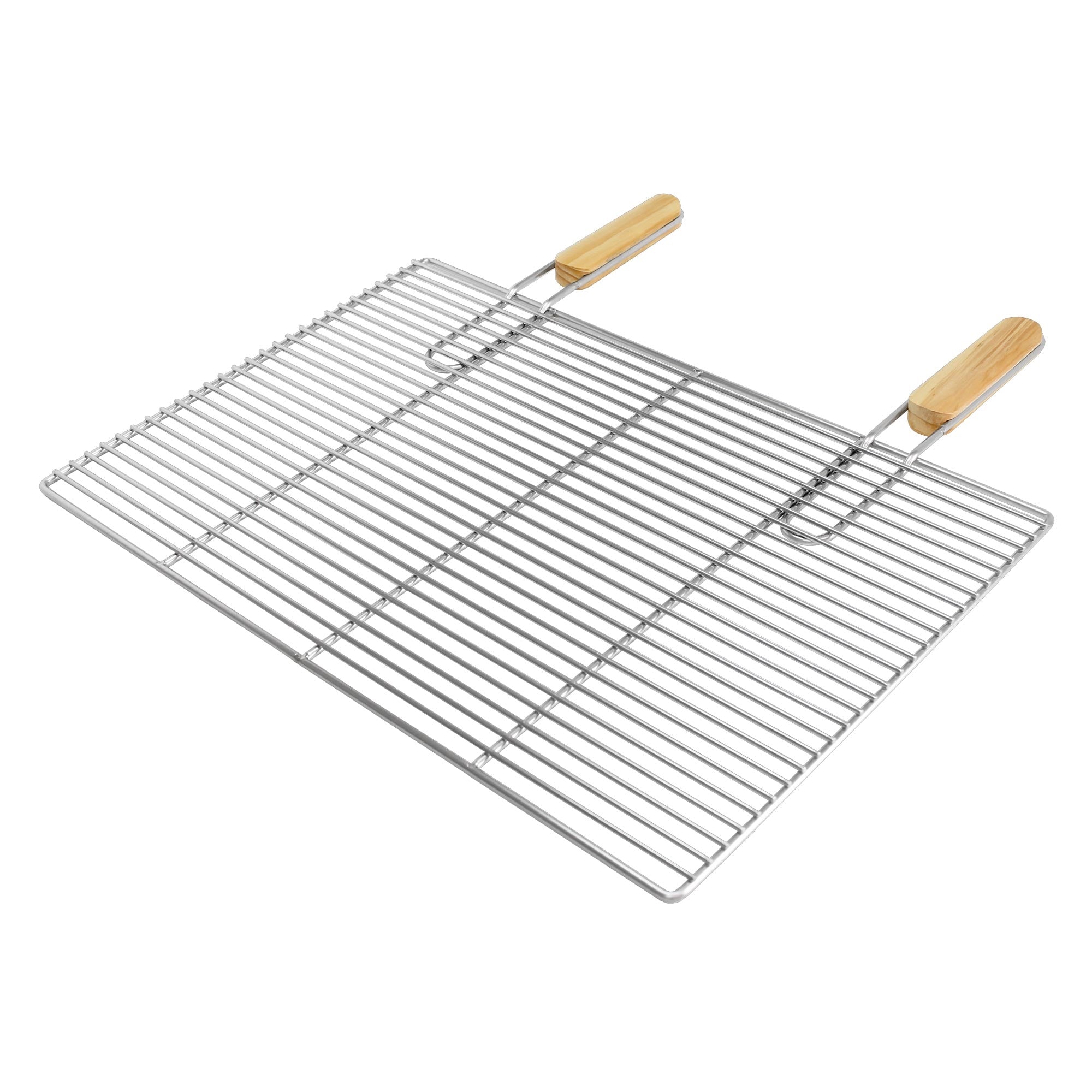
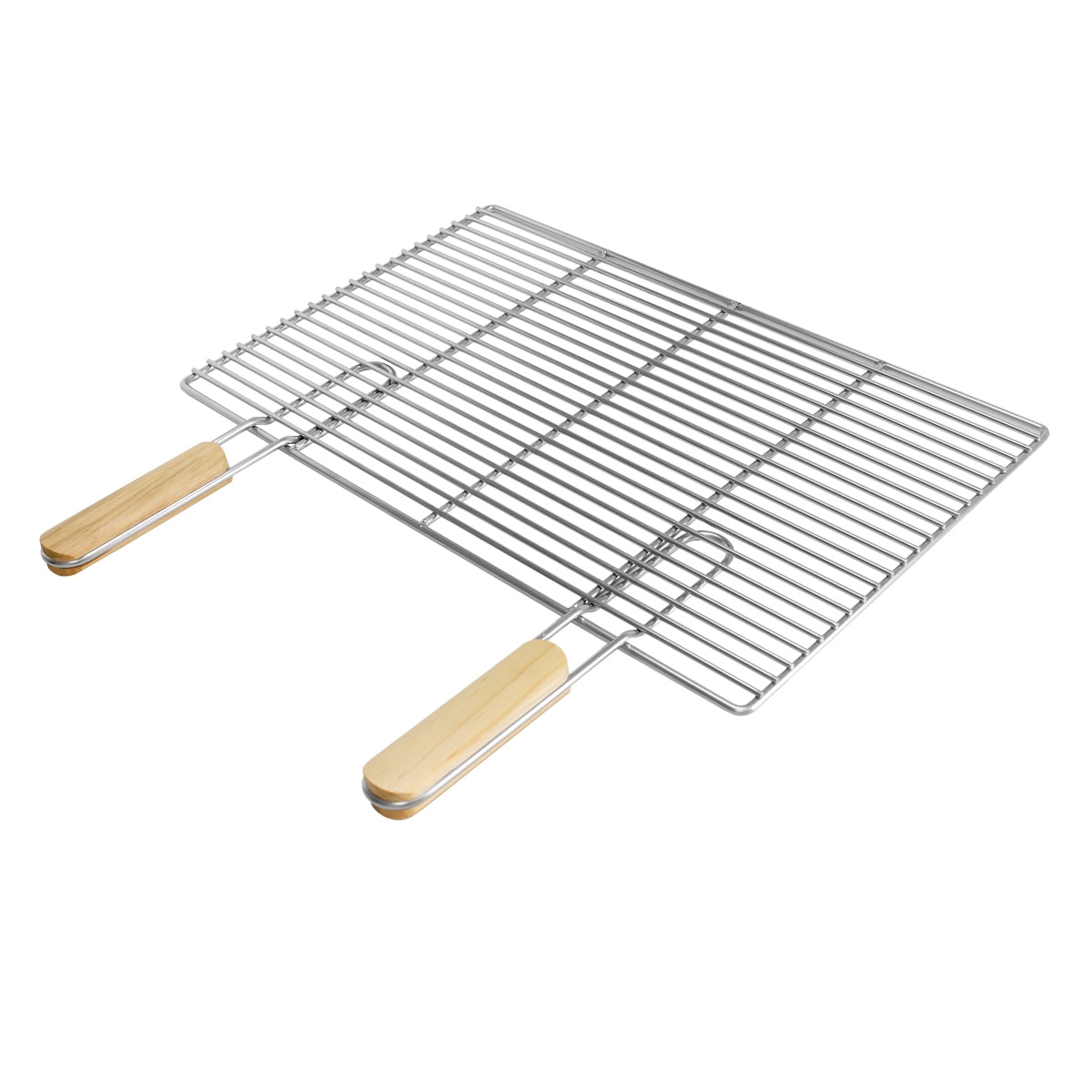
Which grill grate is suitable for camping and outdoor?
A grill grate can be a practical addition for cooking and grilling outdoors. Which version is suitable depends mainly on the fire pit or grill used. Important factors include:
- appropriate size
- stable material
- heat-resistant construction
- secure support
- easy cleaning
- as light as possible
- uncomplicated transport
For camping and outdoor activities, compact grill grates are particularly practical, as they are easier to transport. Before purchasing, it should also be checked whether the dimensions fit the existing grill, fire bowl, or intended fire pit.
Grill grate made of stainless steel or other material?
The material plays an important role in the grill grate.
Stainless steel
Stainless steel is popular because it is robust, durable, and relatively easy to care for. It is also easy to clean.
Other materials
Other metals can also be stable and heat-resistant, but differ, for example, in terms of weight, maintenance effort, and corrosion resistance. For regular outdoor use, a material should therefore be chosen that fits the planned use and the respective conditions.
Camping accessories for tent and campsite
When camping, pack size plays a particularly large role. Everything that is taken along must be transported and then accommodated in the tent or vehicle. Compact sleeping pads, space-saving sleeping bags, and lightweight grill grates can therefore be particularly practical. On the other hand, those traveling with a motorhome or caravan usually have more storage space available and can pay more attention to comfort and larger equipment options.
Camping accessories for longer stays
For longer camping stays, it is worth paying more attention to comfort and durability. A comfortable sleeping pad, for example, can provide a significantly more pleasant sleep. A suitable sleeping bag should also provide sufficient warmth even in changing temperatures. For the grill grate, a robust construction and easy cleaning can be particularly practical when cooking outdoors regularly. For longer stays, it is also worth having accessories that can be used in various ways and are not just suitable for a single situation.
Weight and pack size
Especially for hiking or cycling tours, camping gear should be as light and compact as possible. A large, comfortable sleeping pad, for example, can require significantly more space than an ultra-compact variant. The same applies to sleeping bags and grill grates. In car camping or camping with a motorhome, however, comfort can be weighted more heavily. A good purchasing decision always considers the balance between comfort, weight, and pack size.
Proper care of camping gear
Outdoor equipment also lasts longer when properly maintained. Sleeping pads should be allowed to dry completely after use. Sleeping bags should be cleaned and stored dry according to the care instructions. Grill grates should be cleaned of food residues and dirt after use. Depending on the material, special care may also be required. Moisture should not remain on the equipment for long periods, as it can damage materials and seams.
Camping gear from HAUKI
HAUKI stands for products in the areas of outdoor, leisure, and sports, offering practical solutions for various outdoor activities. When camping, suitable equipment can help combine sleeping comfort and outdoor cooking. Which products are sensible depends on personal camping style, duration of travel, and available storage space.
What should you pay attention to when choosing camping gear?
Before purchasing, it is worth taking a look at some basic criteria: Usage area: Will the gear be used in summer, during transitional periods, or in colder temperatures? Weight: Does the equipment need to be carried or just transported in the car? Pack size: How much storage space is available? Comfort: How important are a particularly soft sleeping pad or a spacious sleeping bag? Material: Is it robust and suitable for the intended use? Care: Can the product be easily cleaned and stored? Compatibility: Does the grill grate fit the existing fire pit or grill?
Conclusion: Choose camping gear that fits your needs
Good camping gear should primarily match your own area of use. Those sleeping in a tent should pay particular attention to insulation, comfort, and temperature range when choosing a sleeping pad and sleeping bag. For the grill grate, size, material, stability, and easy cleaning are important criteria. For short summer trips, a light and compact setup is often sufficient. For longer journeys or changing temperatures, more comfortable and better-insulated products may be sensible. By comparing weight, pack size, material, comfort, and area of use, you can purposefully assemble your camping equipment and avoid unnecessary luggage.







Camping gear – well equipped on the go
The right camping gear makes an outdoor stay more comfortable, practical, and relaxing. In addition to tents, camping furniture, or cookware, sleeping equipment and practical helpers for food preparation are essential for a sensible camping setup. A suitable sleeping pad, a suitable sleeping bag, and a functional grill grate can make a big difference. Which products are best suited depends, among other things, on whether you are sleeping in a tent, in a camper van, in a caravan, or under the open sky. When choosing, comfort, weight, pack size, material, temperature range, stability, and area of use should be considered.
What is included in the most important camping gear?
What camping equipment is really needed depends on the type and duration of the camping holiday. For a simple overnight stay in a tent, for example, a different setup is required than for a longer stay at a campsite. Important camping gear may include:
- Sleeping pad
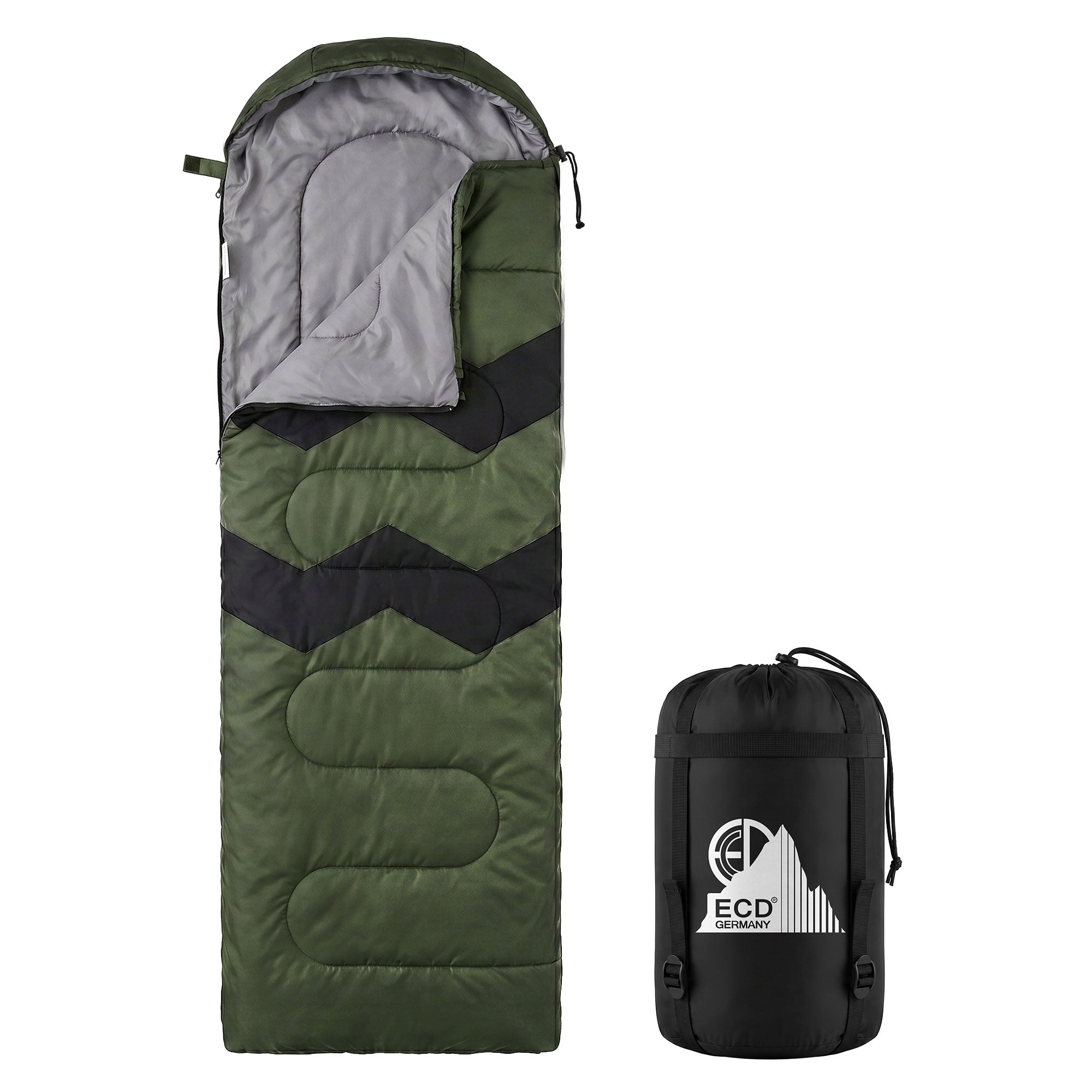
- Sleeping bag
- Camping pillow
- Flashlight or headlamp
- Camping dishes
- Stove
- Grill grate
- Lighter or fire starter
- Cooler
- Camping cutlery
- Practical storage bags
- Sun protection and weather protection
For beginners, it is advisable to first assemble the basic equipment and then supplement it according to personal needs.
Which sleeping pad is suitable for camping?
A sleeping pad not only provides more comfort when camping. It also creates an insulating layer between the body and the ground, which can prevent cold from the ground from directly reaching the body. Which sleeping pad is suitable depends mainly on the area of use.
Foam sleeping pads
Foam pads are relatively uncomplicated, robust, and often lightweight. They are well-suited for simple camping trips and can also be used as an additional layer.Self-inflating sleeping pads
Self-inflating models often combine comfortable padding with relatively easy handling. They can be particularly interesting when a higher level of comfort is desired.Inflatable sleeping pads
Inflatable pads can often be packed particularly small, making them practical for trips with limited storage space. When purchasing, attention should be paid not only to comfort but also to weight, pack size, insulation performance, and robustness.How thick should a sleeping pad be when camping?
The appropriate thickness depends on how much comfort is needed and under what conditions the pad will be used. A thin sleeping pad can be lightweight and space-saving. For longer camping stays or for people who place a high value on comfort, a thicker pad may be more pleasant. The ground also plays a role. On a flat campsite, a thinner pad may be sufficient, while on a harder or uneven surface, a thicker padding may be more comfortable. However, when choosing, one should not only look at the thickness. Insulation performance, material, and construction are also crucial.
Sleeping pad and cold
When sleeping in a tent, the ground can be significantly colder than the surrounding air. A suitable sleeping pad helps to insulate the body from the cold ground. For colder nights, a pad with appropriate insulation performance should be chosen. For high-quality sleeping pads, this is often indicated by an R-value. The higher the R-value, the stronger the thermal insulation of the pad. For summer camping, a lower insulation performance may be sufficient, while a more insulating pad is advisable in cold temperatures.
Which sleeping bag is suitable for which temperatures?
When it comes to sleeping bags, the temperature range is one of the most important purchase criteria. A summer sleeping bag is not automatically suitable for cold nights in spring or autumn. Different temperature values are indicated for sleeping bags. The temperature ranges or standard values specified by the manufacturer are particularly relevant. In simplified terms, it can be said:
- warm summer nights: lightweight summer sleeping bag
- spring and autumn: warmer three-season sleeping bag
- cold nights: appropriately insulated sleeping bag
However, the actual warmth sensation also depends on clothing, sleeping pad, body type, and individual needs. Therefore, the sleeping bag should not only be chosen based on a single temperature indication.
Sleeping bag for summer, spring, and autumn
For warm summer nights, a lightweight sleeping bag is often sufficient. It can be stored compactly and is particularly suitable for trips with little luggage. On the other hand, those traveling from spring to autumn can be more flexible with a three-season sleeping bag. Such models offer more insulation than pure summer sleeping bags without necessarily being as heavy and bulky as specialized winter sleeping bags. For particularly cold conditions, however, a sleeping bag designed for that purpose should be chosen.
Which sleeping bag shape is the right one?
Sleeping bags come in different shapes. Particularly common are rectangular sleeping bags and mummy sleeping bags. A rectangular sleeping bag offers relatively much freedom of movement and can feel particularly comfortable. A mummy sleeping bag fits closer to the body and can therefore retain heat more efficiently. It is particularly suitable for cooler temperatures or trekking tours, where weight and pack size play a larger role. The appropriate shape therefore depends on comfort requirements, body structure, and intended use.
Which grill grate is suitable for camping and outdoor?
A grill grate can be a practical addition for cooking and grilling outdoors. Which version is suitable depends mainly on the fire pit or grill used. Important factors include:
- appropriate size
- stable material
- heat-resistant construction
- secure support
- easy cleaning
- as light as possible
- uncomplicated transport
For camping and outdoor activities, compact grill grates are particularly practical, as they are easier to transport. Before purchasing, it should also be checked whether the dimensions fit the existing grill, fire bowl, or intended fire pit.
Grill grate made of stainless steel or other material?
The material plays an important role in the grill grate.
Stainless steel
Stainless steel is popular because it is robust, durable, and relatively easy to care for. It is also easy to clean.
Other materials
Other metals can also be stable and heat-resistant, but differ, for example, in terms of weight, maintenance effort, and corrosion resistance. For regular outdoor use, a material should therefore be chosen that fits the planned use and the respective conditions.
Camping accessories for tent and campsite
When camping, pack size plays a particularly large role. Everything that is taken along must be transported and then accommodated in the tent or vehicle. Compact sleeping pads, space-saving sleeping bags, and lightweight grill grates can therefore be particularly practical. On the other hand, those traveling with a motorhome or caravan usually have more storage space available and can pay more attention to comfort and larger equipment options.
Camping accessories for longer stays
For longer camping stays, it is worth paying more attention to comfort and durability. A comfortable sleeping pad, for example, can provide a significantly more pleasant sleep. A suitable sleeping bag should also provide sufficient warmth even in changing temperatures. For the grill grate, a robust construction and easy cleaning can be particularly practical when cooking outdoors regularly. For longer stays, it is also worth having accessories that can be used in various ways and are not just suitable for a single situation.
Weight and pack size
Especially for hiking or cycling tours, camping gear should be as light and compact as possible. A large, comfortable sleeping pad, for example, can require significantly more space than an ultra-compact variant. The same applies to sleeping bags and grill grates. In car camping or camping with a motorhome, however, comfort can be weighted more heavily. A good purchasing decision always considers the balance between comfort, weight, and pack size.
Proper care of camping gear
Outdoor equipment also lasts longer when properly maintained. Sleeping pads should be allowed to dry completely after use. Sleeping bags should be cleaned and stored dry according to the care instructions. Grill grates should be cleaned of food residues and dirt after use. Depending on the material, special care may also be required. Moisture should not remain on the equipment for long periods, as it can damage materials and seams.
Camping gear from HAUKI
HAUKI stands for products in the areas of outdoor, leisure, and sports, offering practical solutions for various outdoor activities. When camping, suitable equipment can help combine sleeping comfort and outdoor cooking. Which products are sensible depends on personal camping style, duration of travel, and available storage space.
What should you pay attention to when choosing camping gear?
Before purchasing, it is worth taking a look at some basic criteria: Usage area: Will the gear be used in summer, during transitional periods, or in colder temperatures? Weight: Does the equipment need to be carried or just transported in the car? Pack size: How much storage space is available? Comfort: How important are a particularly soft sleeping pad or a spacious sleeping bag? Material: Is it robust and suitable for the intended use? Care: Can the product be easily cleaned and stored? Compatibility: Does the grill grate fit the existing fire pit or grill?
Conclusion: Choose camping gear that fits your needs
Good camping gear should primarily match your own area of use. Those sleeping in a tent should pay particular attention to insulation, comfort, and temperature range when choosing a sleeping pad and sleeping bag. For the grill grate, size, material, stability, and easy cleaning are important criteria. For short summer trips, a light and compact setup is often sufficient. For longer journeys or changing temperatures, more comfortable and better-insulated products may be sensible. By comparing weight, pack size, material, comfort, and area of use, you can purposefully assemble your camping equipment and avoid unnecessary luggage.
Find even more among our top sellers







Popular categories


