


Indoor play area – fun and movement in the children's room
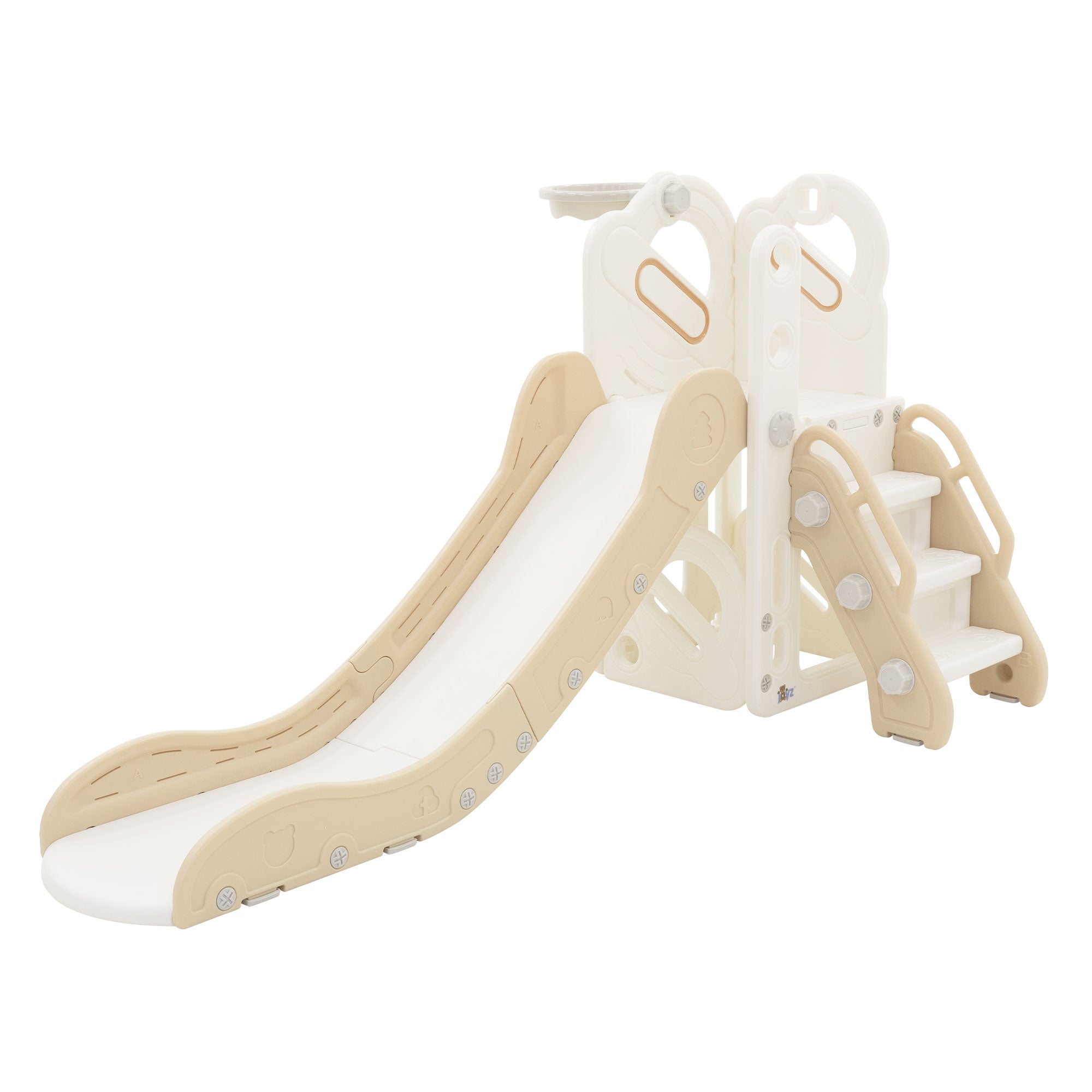
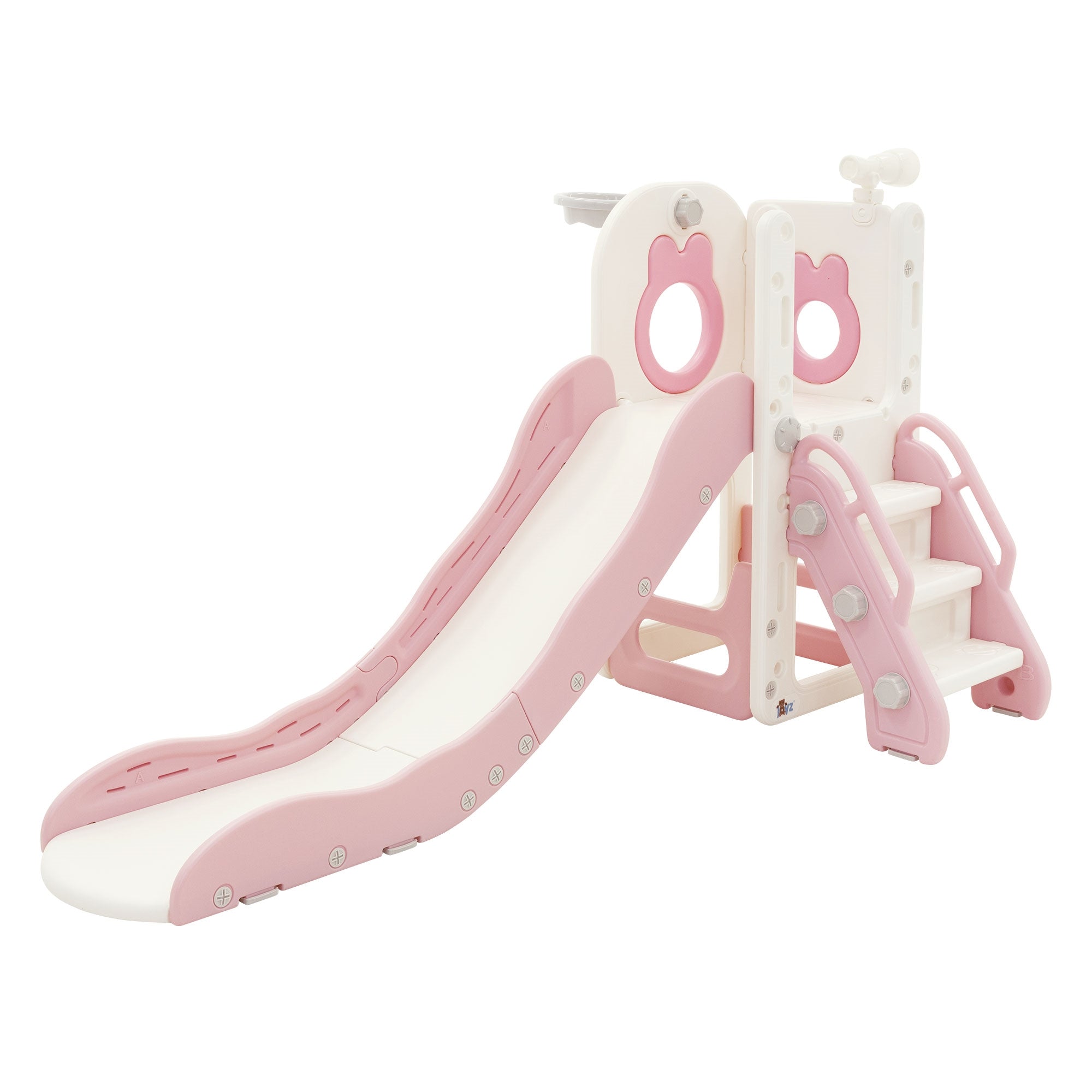
An indoor play area provides children with their own space to play, climb, explore, and engage – regardless of the weather. Especially in children's rooms, playrooms, daycare centers, or family-friendly facilities, a well-planned play area can help make good use of available space. From a small play area with a seating group and toys to an indoor play tower with various activity options, there are many variations. The key factors are primarily age, room size, safety, equipment, and the intended use. With the right products from JOYZ, a child-friendly indoor play area can be created that combines play and movement.
How can you design an indoor play area?
When designing an indoor play area, it should first be considered what activities will take place there. Should the area primarily serve for playing or also for climbing, crafting, reading, and resting? A simple play area can consist, for example, of a small children's table with seating, toys, and a soft surface. If you want to integrate movement as well, you can add an indoor play tower or other age-appropriate play elements. A play area looks particularly harmonious when it is clearly separated from the rest of the room. A dedicated rug, a small seating group, or a shelf can help visually define the play area. It is also important that there is enough free space for movement and that the furnishings do not appear overloaded.
At what age is an indoor play tower suitable?
The suitable age depends on the specific play tower, its construction, and the manufacturer's specifications. At the same time, the individual development of the child plays an important role. Parents should particularly pay attention to whether the child can already perform the intended movements safely. For younger children, particularly attentive supervision is important. The child's size and the maximum load capacity of the play tower should also be taken into account. A model should always be used according to the intended age group and the manufacturer's specifications.
What should be considered for an indoor play tower?
Safety and stability are the top priorities for an indoor play tower. Since children climb, stand, grab, and move around, the construction must be suitable for this use. Before purchasing, the following points should be checked, among others:
- suitable age group
- maximum load capacity
- stability
- stable construction
- safe edges and surfaces
- sufficient space for movement
- suitable location
- workmanship and material quality
- assembly and fastening according to manufacturer specifications
The surroundings of the play tower should also be taken into account. Sharp furniture edges, fragile objects, or other hazards should ideally not be located immediately next to the play area. A soft or suitable underlay can also be useful depending on the product and room situation.
How much space does an indoor play corner need?
The amount of space required depends heavily on the equipment. A small play corner with a table and two children's chairs requires significantly less area than a space with a play tower and additional play elements. Therefore, the available area should be measured before setting up. Not only the footprint of the furniture should be considered. Children also need space to move and access. Especially with an indoor play tower, there should be enough space around the product for children to safely get in and out and move around. In small children's rooms, compact furniture and multifunctional solutions can be particularly practical.
What play options can be combined in an indoor play corner?
A varied play corner does not have to consist of numerous large play devices. Different activities can also be combined in a limited space. Possible elements include, for example:
- indoor play tower
- climbing and movement elements
- children's table and seating group
- bookshelf
- craft area
- Toy storage
- Cuddle and reading corner
- Drawing area
- Role-playing games
A play tower can create an active area, while a children's seating group provides a quieter place for drawing, crafting, or playing. This creates different zones within a room without the need for multiple separate rooms.
Indoor play tower as the centerpiece of the play area
An indoor play tower can become the central element of an indoor play area. It offers children a way to engage in physical activities even inside the house. Depending on the design, different activities such as climbing, ascending, or playing can be combined. A play tower can be particularly interesting for families who do not have a large outdoor space or want to provide their children with opportunities for movement regardless of the weather. When choosing, it is important to ensure that the model fits the size and developmental stage of the child.
Seating group as a complement
A seating group for children is particularly well-suited as a complement to an active play area. While climbing and playing on the play tower, the seating group can be used for quieter activities. Children can, for example:
- draw
- craft
- look at books
- do puzzles
- play board games
- play with toys
- have small meals
This creates a balanced play area with spaces for movement and relaxation.
Indoor play area in the children's room
In the children's room, the play area should be planned in such a way that sleeping, playing, and storage areas are sensibly connected. A play rug can visually delineate the play area. A low shelf allows children to reach toys independently and tidy up afterwards. In limited space, furniture with multiple functions can be particularly helpful. A compact seating group can, for example, be used simultaneously as a drawing, crafting, and play area.
Indoor play area for daycare centers and other facilities
An indoor play area can also be a meaningful addition for daycare centers, waiting areas, or family-friendly facilities. Here, particularly robust products suitable for the intended use should be chosen. When there are multiple children, it is also important to ensure that there is enough space and that the various play elements are arranged sensibly. A clear division into active and quiet areas can help make the space more organized.
Safety in the indoor play area
An indoor play area should be set up so that children can move around as safely as possible. Especially with climbing and movement elements, a suitable environment is important. Play equipment should be stable and installed and used according to the manufacturer's instructions. Regular checks for loose connections, damaged surfaces, or other defects are also part of safe use. For younger children, appropriate supervision should always be ensured.
Space-saving setup of the indoor play area
Even small rooms can accommodate a play area. The key is a thoughtful selection of furniture. Instead of setting up many individual products, a few well-chosen elements can serve multiple functions. A compact seating group, for example, can be used for playing and crafting, while a small play tower covers the movement area. Wall surfaces can also be utilized, for example, for shelves or storage solutions. This way, the floor space remains as free as possible.
Designing the indoor play area with JOYZ
With JOYZ's children's products, a varied play area for indoors can be created. An indoor play tower can provide movement, while a suitable seating group offers a place for drawing, crafting, or playing. By combining different elements, the play area can be adapted to the available room size and the interests of the children. Whether a small children's room or a spacious play area – the key is a combination of play value, functionality, safety, and sensible use of space.
Conclusion: A world of play
A well-planned indoor play area provides children with a fixed place where they can move, engage creatively, and play independently. An indoor play tower is particularly suitable for active play opportunities, while a seating group can create a quiet area for drawing, crafting, or reading. When planning, age, available space, safety, stability, and desired play opportunities should be considered. Even small rooms can be used sensibly with the right furniture. The key is not the number of products, but a thoughtful combination that optimally utilizes the available space.
Discover JOYZ's children's solutions and design a child-friendly indoor play area for play, movement, and creative discoveries.






Indoor play area – fun and movement in the children's room
An indoor play area provides children with their own space to play, climb, explore, and engage – regardless of the weather. Especially in children's rooms, playrooms, daycare centers, or family-friendly facilities, a well-planned play area can help make good use of available space. From a small play area with a seating group and toys to an indoor play tower with various activity options, there are many variations. The key factors are primarily age, room size, safety, equipment, and the intended use. With the right products from JOYZ, a child-friendly indoor play area can be created that combines play and movement.
How can you design an indoor play area?
When designing an indoor play area, it should first be considered what activities will take place there. Should the area primarily serve for playing or also for climbing, crafting, reading, and resting? A simple play area can consist, for example, of a small children's table with seating, toys, and a soft surface. If you want to integrate movement as well, you can add an indoor play tower or other age-appropriate play elements. A play area looks particularly harmonious when it is clearly separated from the rest of the room. A dedicated rug, a small seating group, or a shelf can help visually define the play area. It is also important that there is enough free space for movement and that the furnishings do not appear overloaded.
At what age is an indoor play tower suitable?
The suitable age depends on the specific play tower, its construction, and the manufacturer's specifications. At the same time, the individual development of the child plays an important role. Parents should particularly pay attention to whether the child can already perform the intended movements safely. For younger children, particularly attentive supervision is important. The child's size and the maximum load capacity of the play tower should also be taken into account. A model should always be used according to the intended age group and the manufacturer's specifications.
What should be considered for an indoor play tower?
Safety and stability are the top priorities for an indoor play tower. Since children climb, stand, grab, and move around, the construction must be suitable for this use. Before purchasing, the following points should be checked, among others:
- suitable age group
- maximum load capacity
- stability
- stable construction
- safe edges and surfaces
- sufficient space for movement
- suitable location
- workmanship and material quality
- assembly and fastening according to manufacturer specifications
The surroundings of the play tower should also be taken into account. Sharp furniture edges, fragile objects, or other hazards should ideally not be located immediately next to the play area. A soft or suitable underlay can also be useful depending on the product and room situation.
How much space does an indoor play corner need?
The amount of space required depends heavily on the equipment. A small play corner with a table and two children's chairs requires significantly less area than a space with a play tower and additional play elements. Therefore, the available area should be measured before setting up. Not only the footprint of the furniture should be considered. Children also need space to move and access. Especially with an indoor play tower, there should be enough space around the product for children to safely get in and out and move around. In small children's rooms, compact furniture and multifunctional solutions can be particularly practical.
What play options can be combined in an indoor play corner?
A varied play corner does not have to consist of numerous large play devices. Different activities can also be combined in a limited space. Possible elements include, for example:
- indoor play tower
- climbing and movement elements
- children's table and seating group
- bookshelf
- craft area
- Toy storage
- Cuddle and reading corner
- Drawing area
- Role-playing games
A play tower can create an active area, while a children's seating group provides a quieter place for drawing, crafting, or playing. This creates different zones within a room without the need for multiple separate rooms.
Indoor play tower as the centerpiece of the play area
An indoor play tower can become the central element of an indoor play area. It offers children a way to engage in physical activities even inside the house. Depending on the design, different activities such as climbing, ascending, or playing can be combined. A play tower can be particularly interesting for families who do not have a large outdoor space or want to provide their children with opportunities for movement regardless of the weather. When choosing, it is important to ensure that the model fits the size and developmental stage of the child.
Seating group as a complement
A seating group for children is particularly well-suited as a complement to an active play area. While climbing and playing on the play tower, the seating group can be used for quieter activities. Children can, for example:
- draw
- craft
- look at books
- do puzzles
- play board games
- play with toys
- have small meals
This creates a balanced play area with spaces for movement and relaxation.
Indoor play area in the children's room
In the children's room, the play area should be planned in such a way that sleeping, playing, and storage areas are sensibly connected. A play rug can visually delineate the play area. A low shelf allows children to reach toys independently and tidy up afterwards. In limited space, furniture with multiple functions can be particularly helpful. A compact seating group can, for example, be used simultaneously as a drawing, crafting, and play area.
Indoor play area for daycare centers and other facilities
An indoor play area can also be a meaningful addition for daycare centers, waiting areas, or family-friendly facilities. Here, particularly robust products suitable for the intended use should be chosen. When there are multiple children, it is also important to ensure that there is enough space and that the various play elements are arranged sensibly. A clear division into active and quiet areas can help make the space more organized.
Safety in the indoor play area
An indoor play area should be set up so that children can move around as safely as possible. Especially with climbing and movement elements, a suitable environment is important. Play equipment should be stable and installed and used according to the manufacturer's instructions. Regular checks for loose connections, damaged surfaces, or other defects are also part of safe use. For younger children, appropriate supervision should always be ensured.
Space-saving setup of the indoor play area
Even small rooms can accommodate a play area. The key is a thoughtful selection of furniture. Instead of setting up many individual products, a few well-chosen elements can serve multiple functions. A compact seating group, for example, can be used for playing and crafting, while a small play tower covers the movement area. Wall surfaces can also be utilized, for example, for shelves or storage solutions. This way, the floor space remains as free as possible.
Designing the indoor play area with JOYZ
With JOYZ's children's products, a varied play area for indoors can be created. An indoor play tower can provide movement, while a suitable seating group offers a place for drawing, crafting, or playing. By combining different elements, the play area can be adapted to the available room size and the interests of the children. Whether a small children's room or a spacious play area – the key is a combination of play value, functionality, safety, and sensible use of space.
Conclusion: A world of play
A well-planned indoor play area provides children with a fixed place where they can move, engage creatively, and play independently. An indoor play tower is particularly suitable for active play opportunities, while a seating group can create a quiet area for drawing, crafting, or reading. When planning, age, available space, safety, stability, and desired play opportunities should be considered. Even small rooms can be used sensibly with the right furniture. The key is not the number of products, but a thoughtful combination that optimally utilizes the available space.
Discover JOYZ's children's solutions and design a child-friendly indoor play area for play, movement, and creative discoveries.
Find even more among our top sellers







Popular categories


