


Aviary Wire – Secure Protection for Aviaries, Enclosures and Garden Projects
High-quality aviary wire is the foundation for stable and secure aviaries, bird cages and animal enclosures. It reliably protects birds and small animals from predators, prevents them from escaping and withstands wind and weather for many years.
Whether for budgies, parrots, rabbits, chickens or other small animals, the right wire has a major impact on safety, durability and comfort. Factors such as mesh size, wire gauge, material, galvanization and proper fastening all play an important role.
In this guide, you’ll learn what to look for when buying, how aviary wire differs from rabbit wire and chicken wire, and which model is best suited to your project.
What is aviary wire?

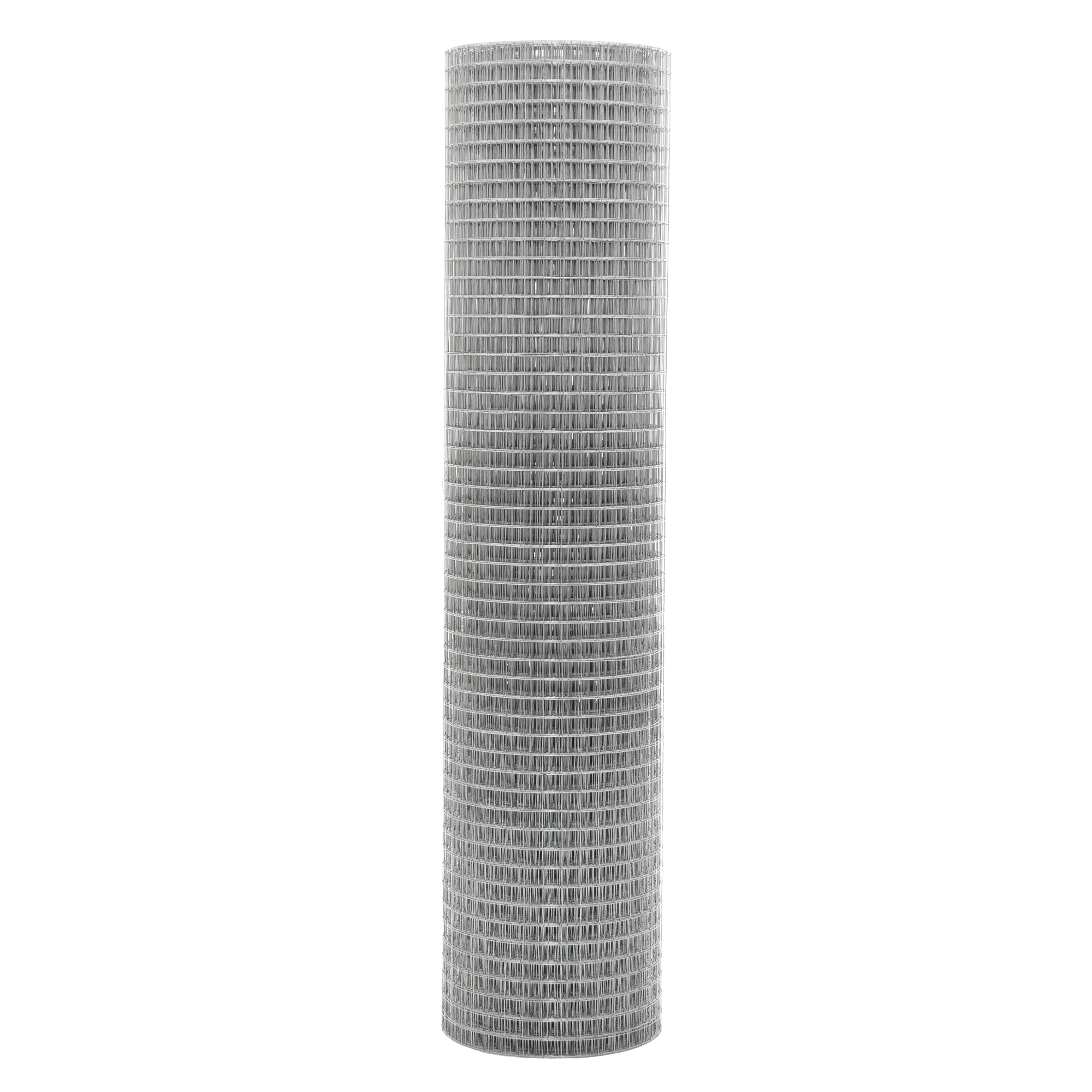
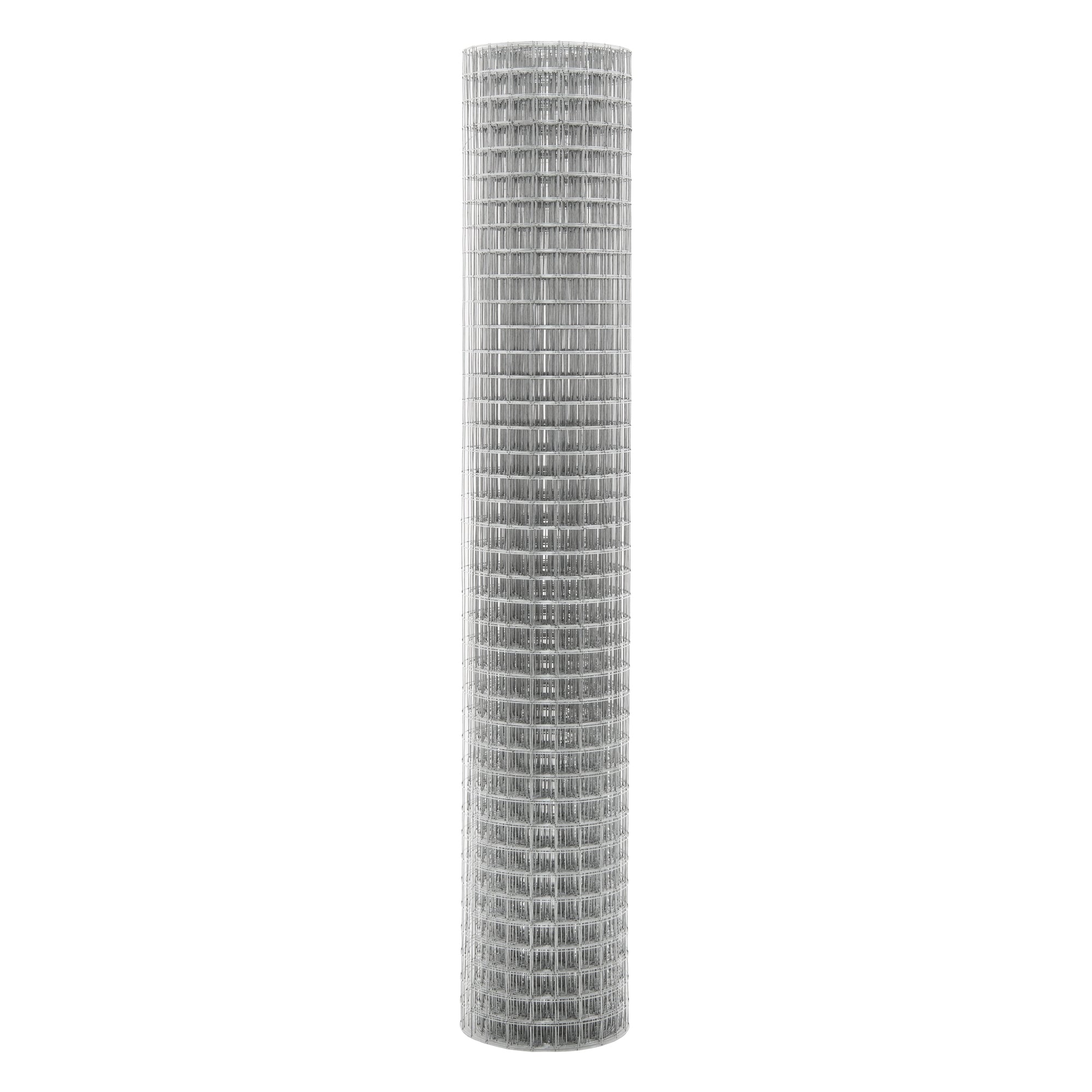
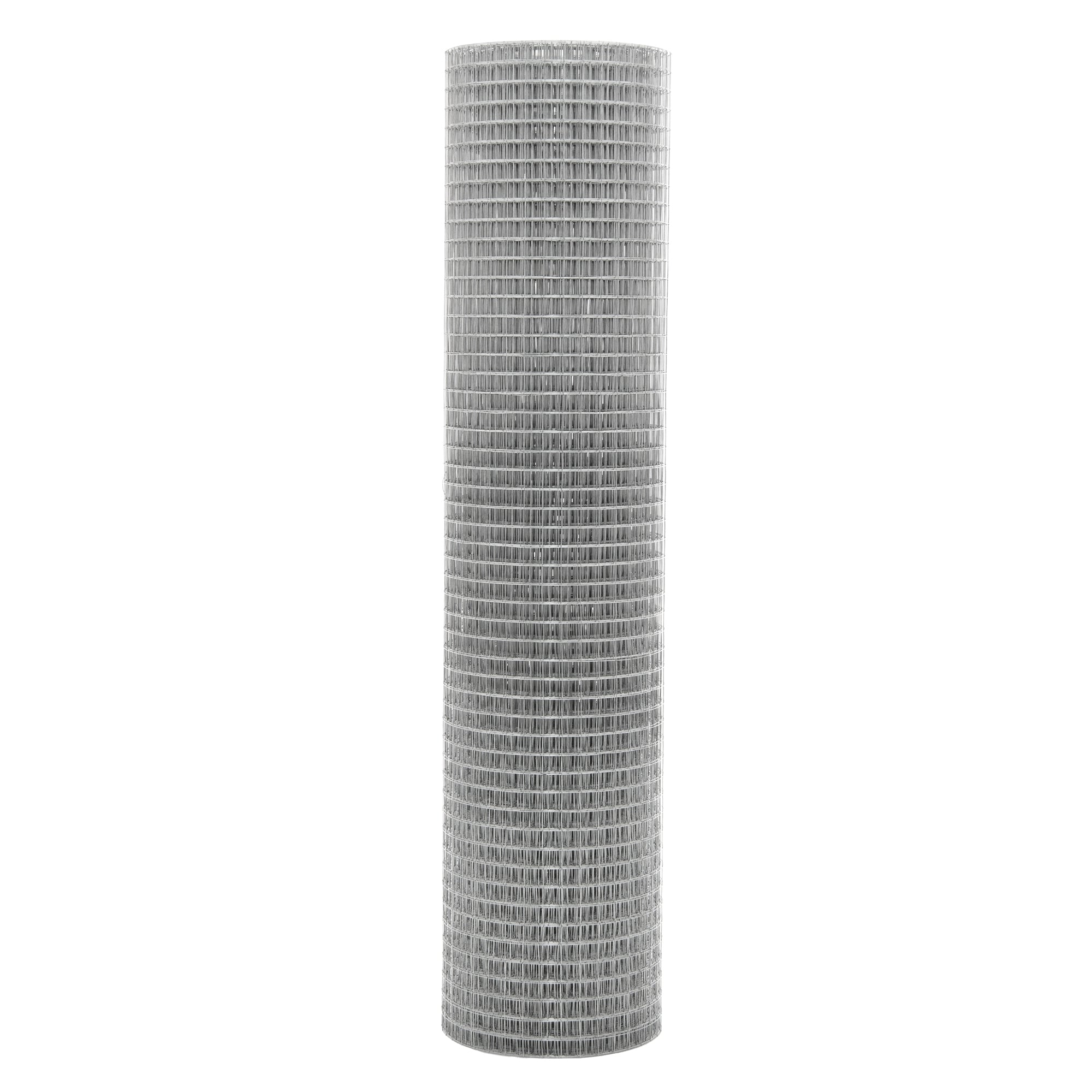
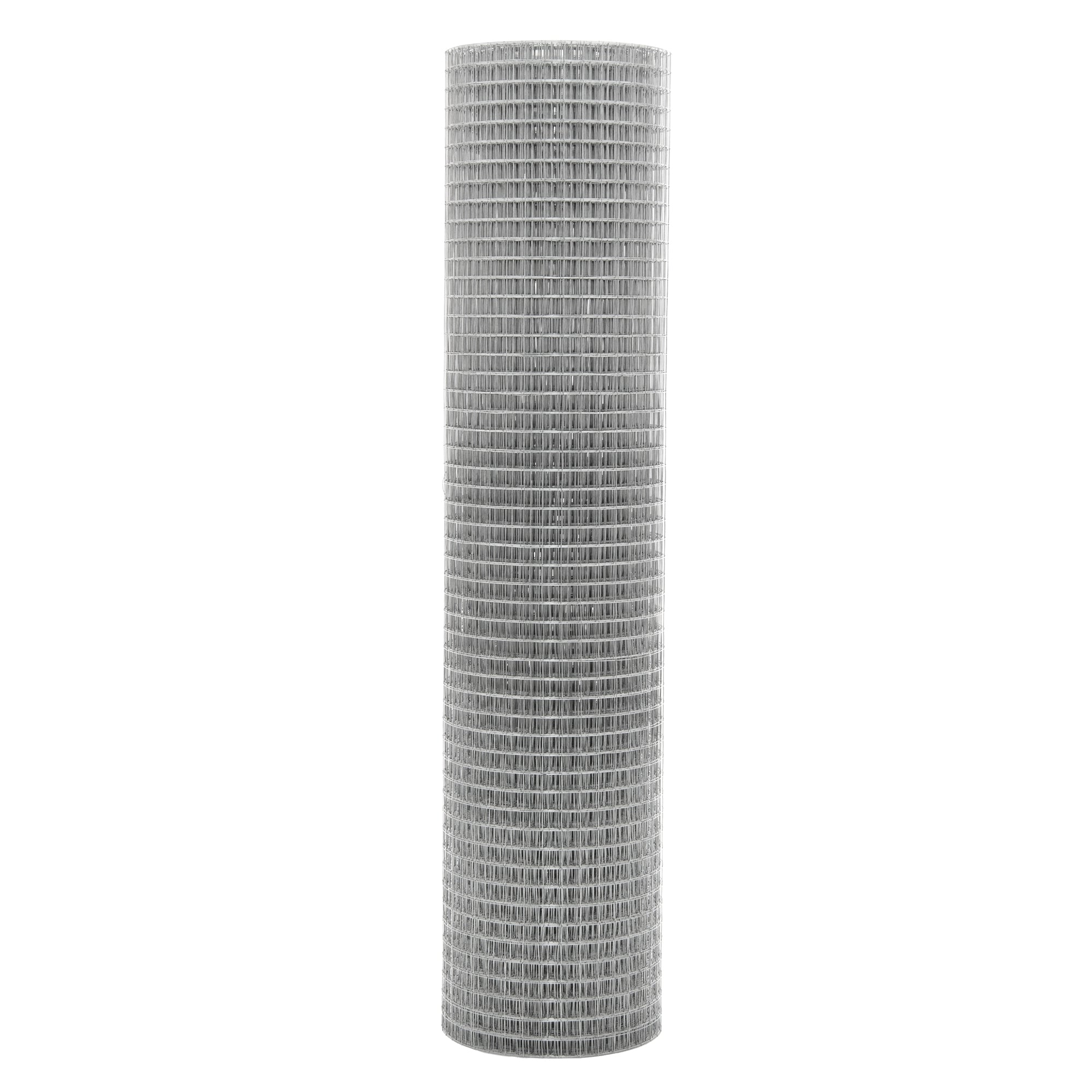
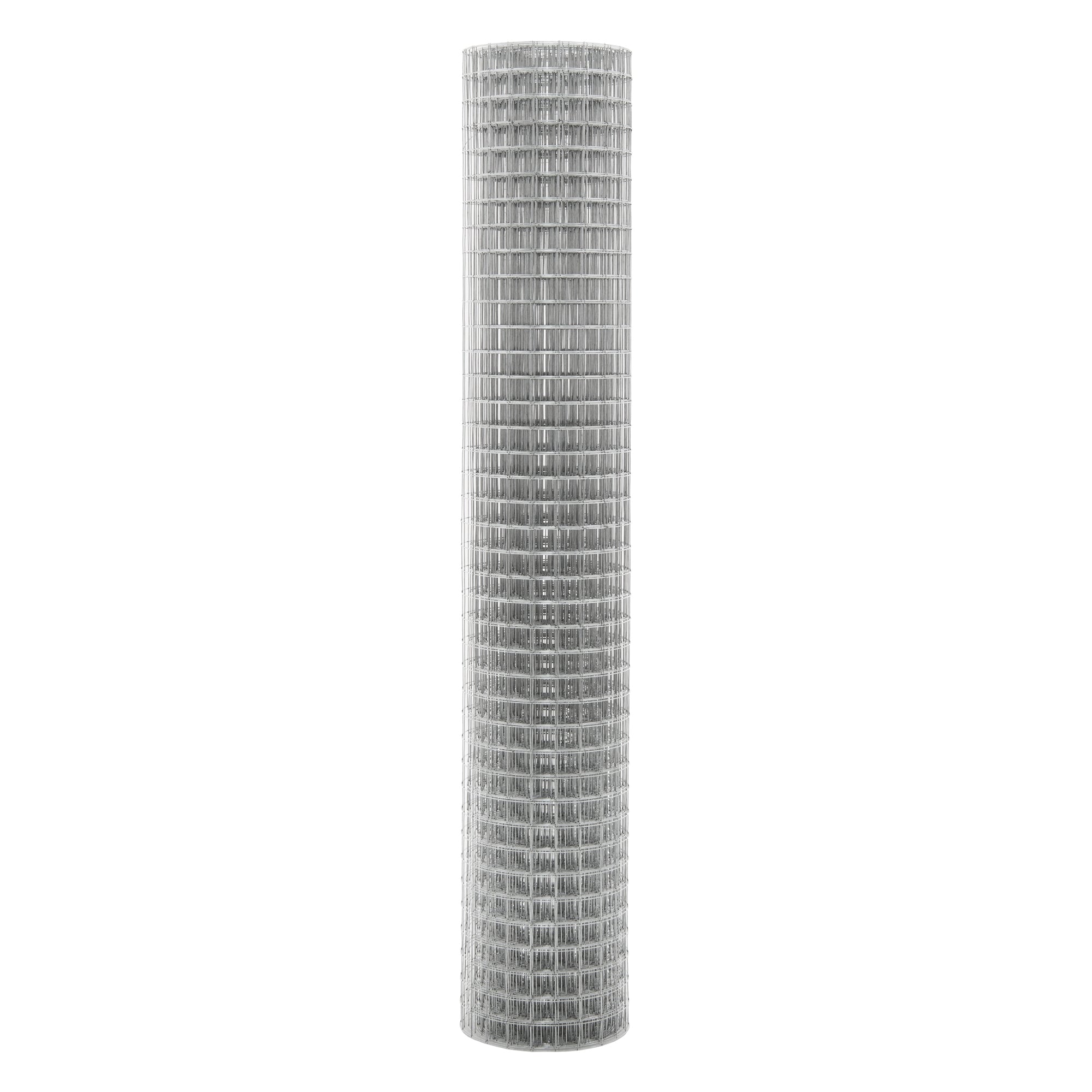
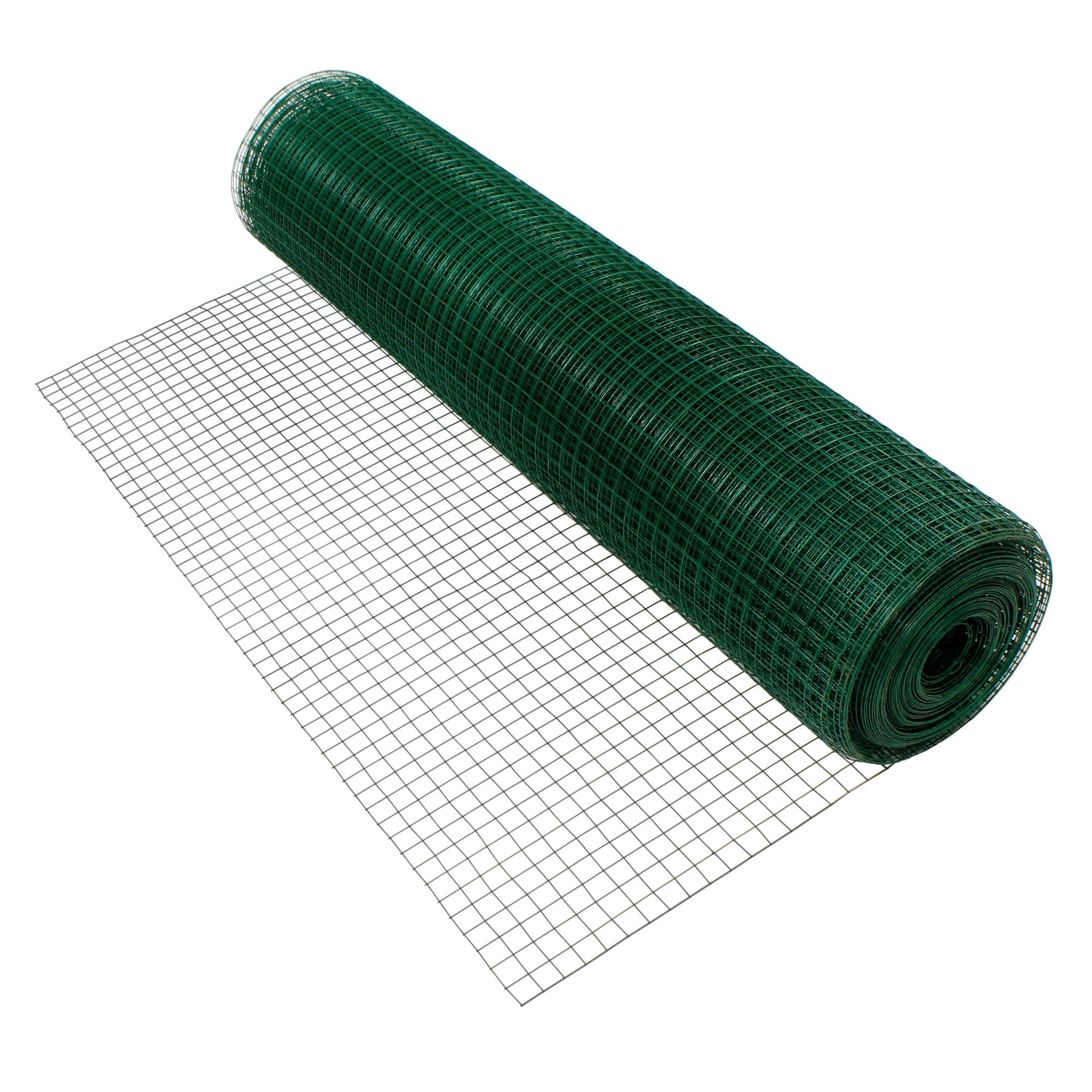
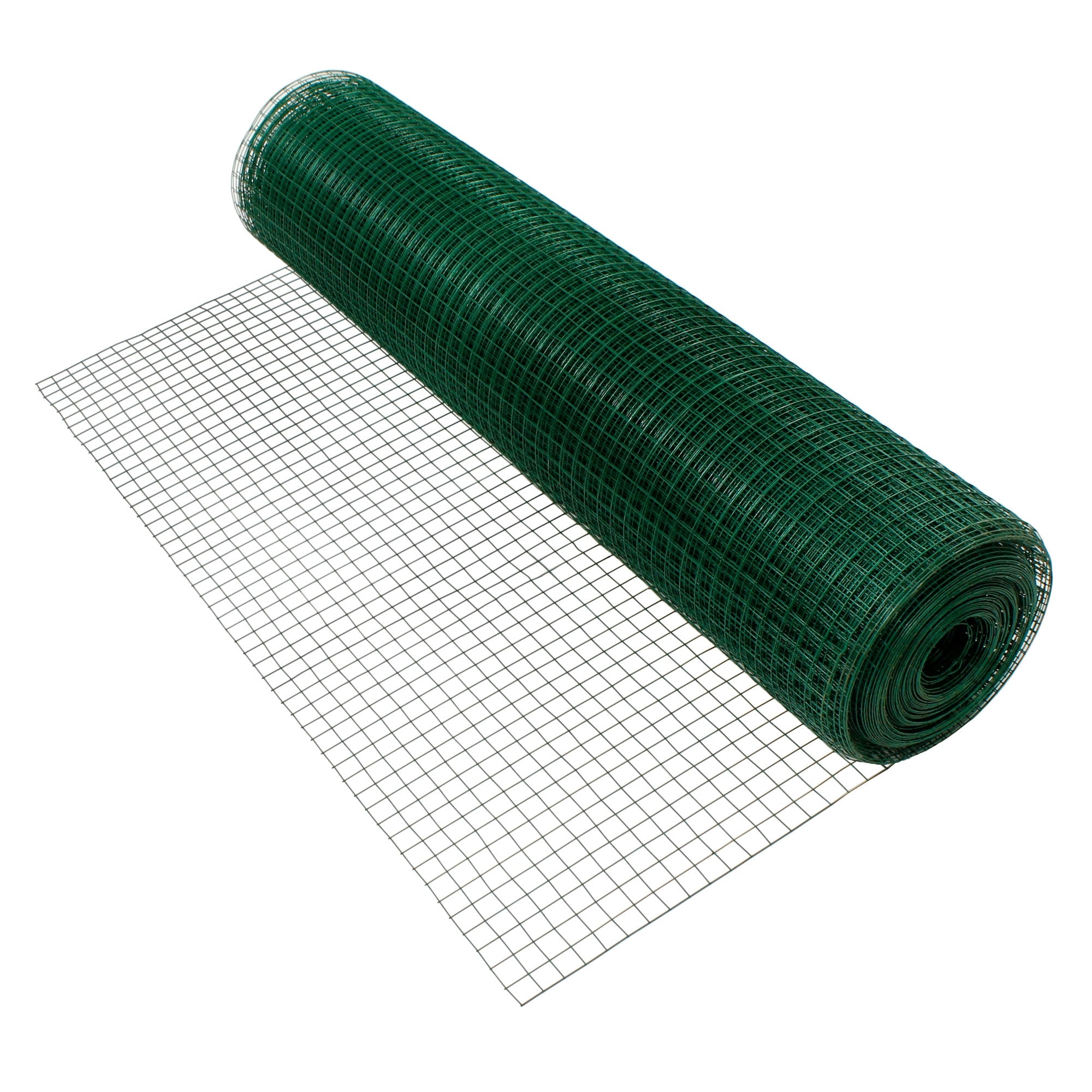
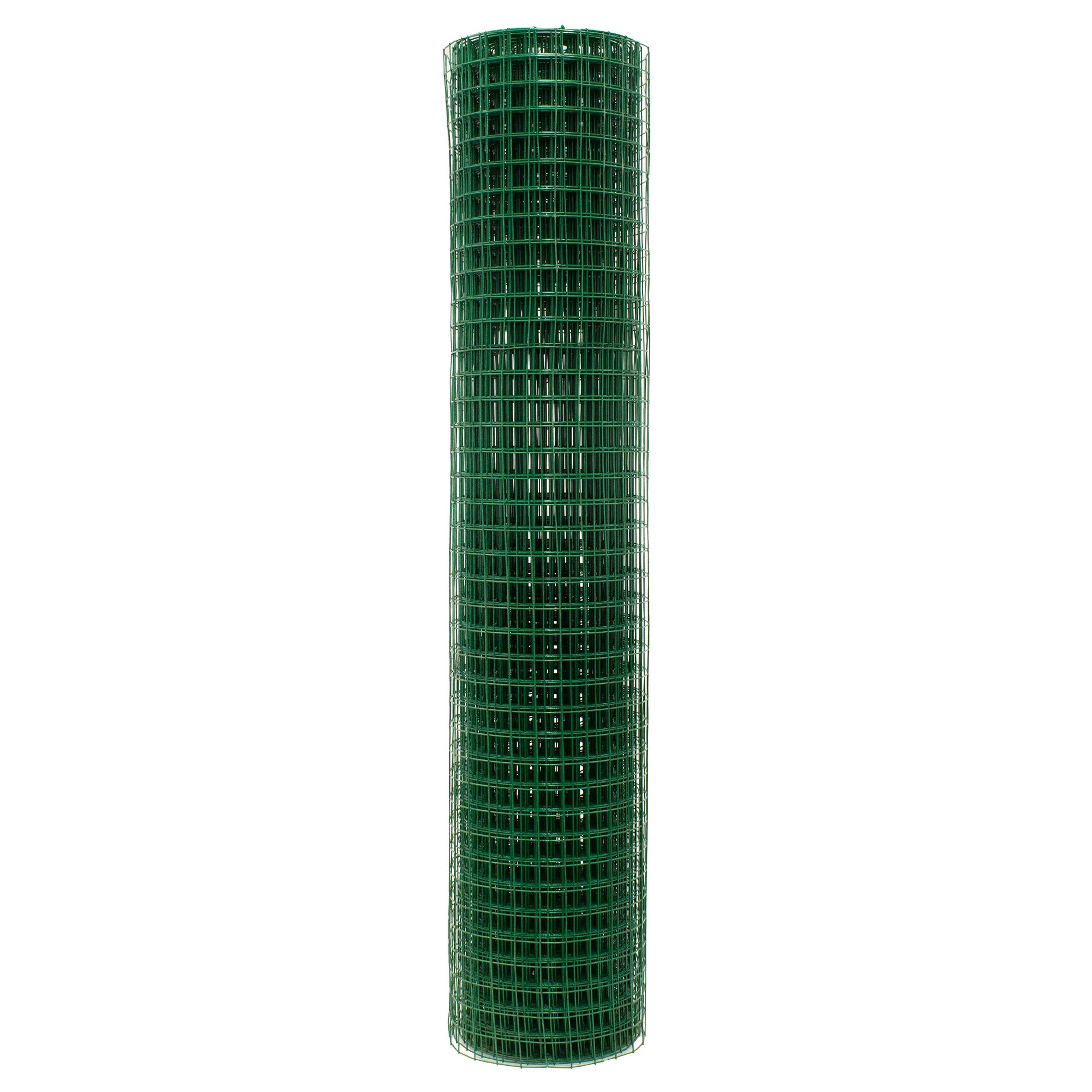
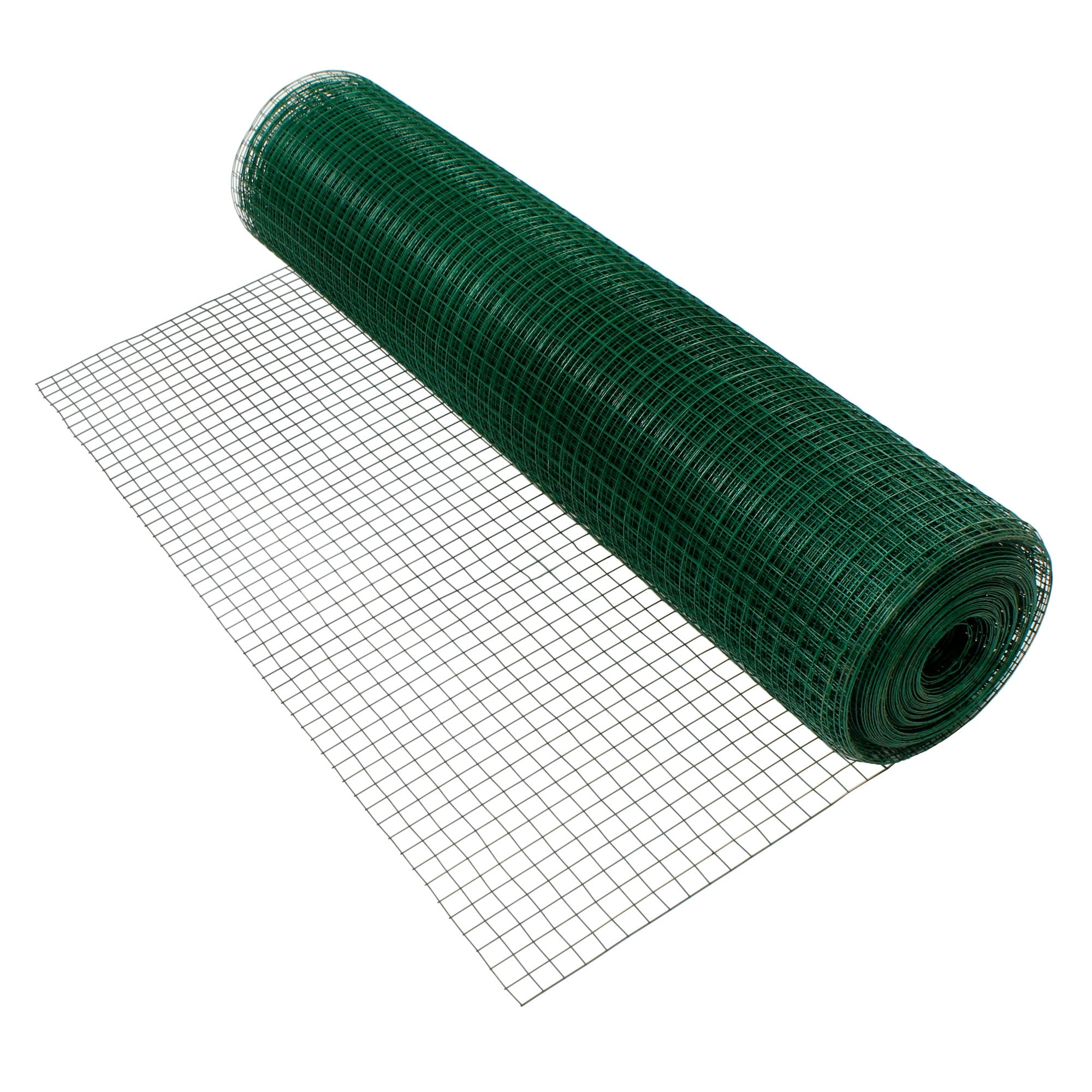
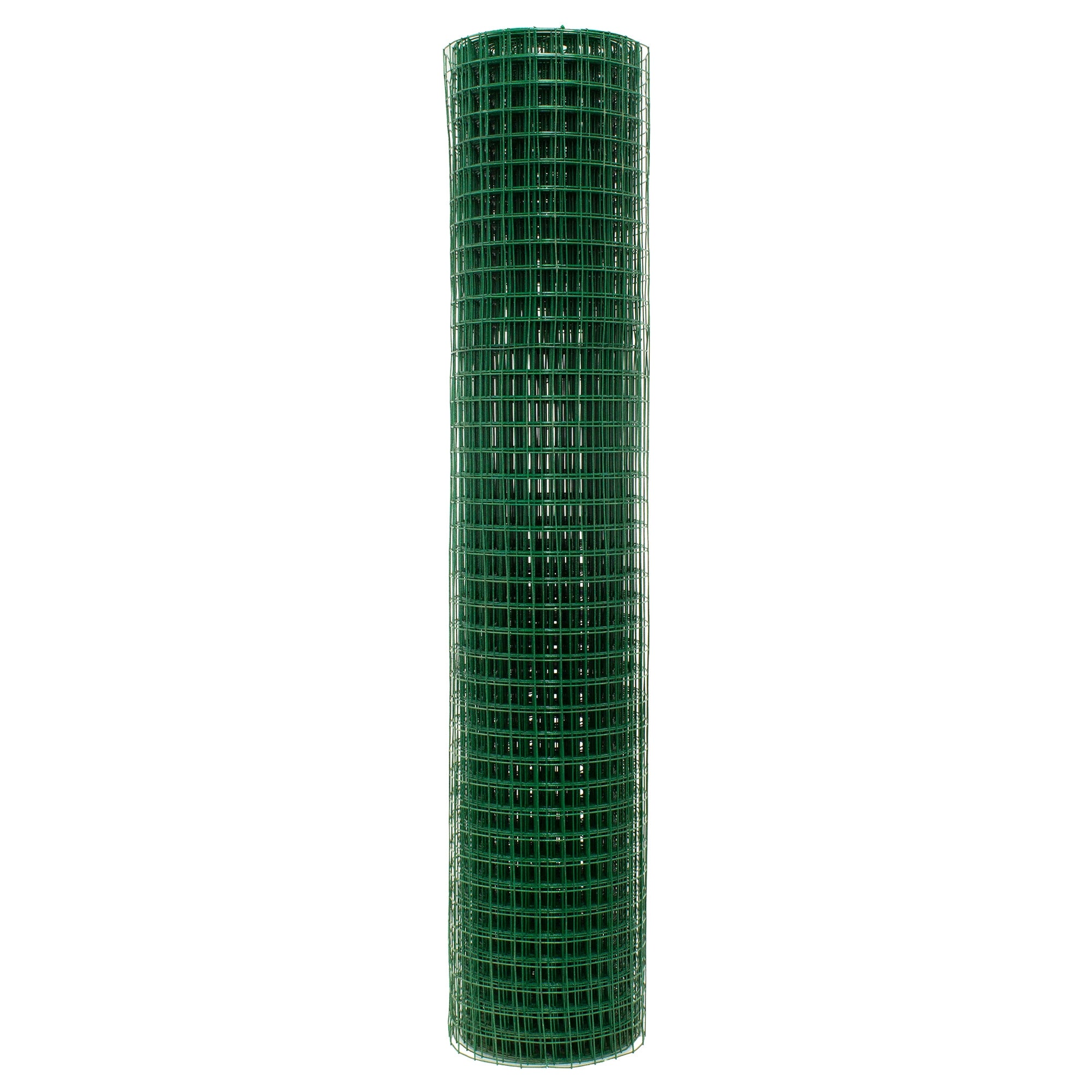
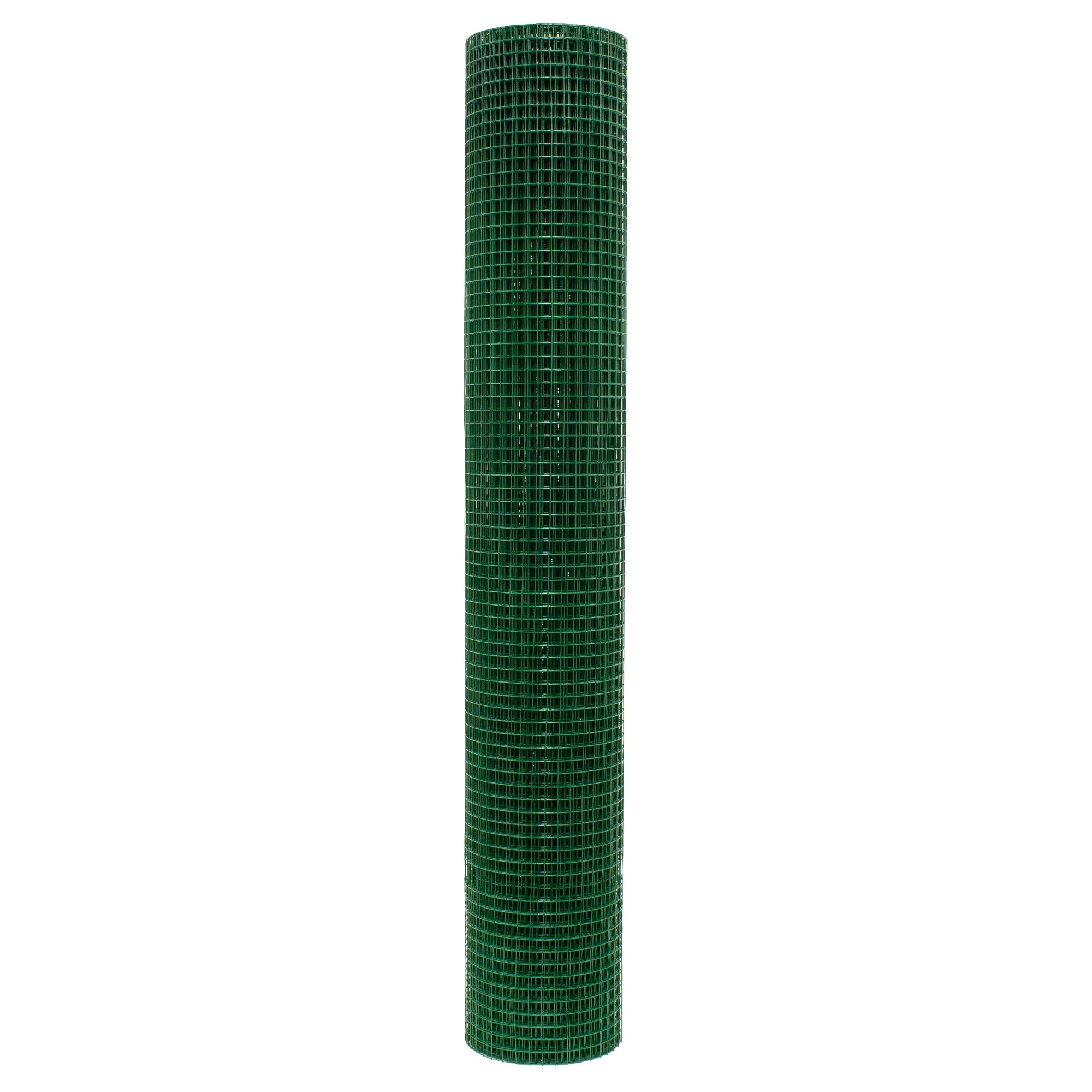
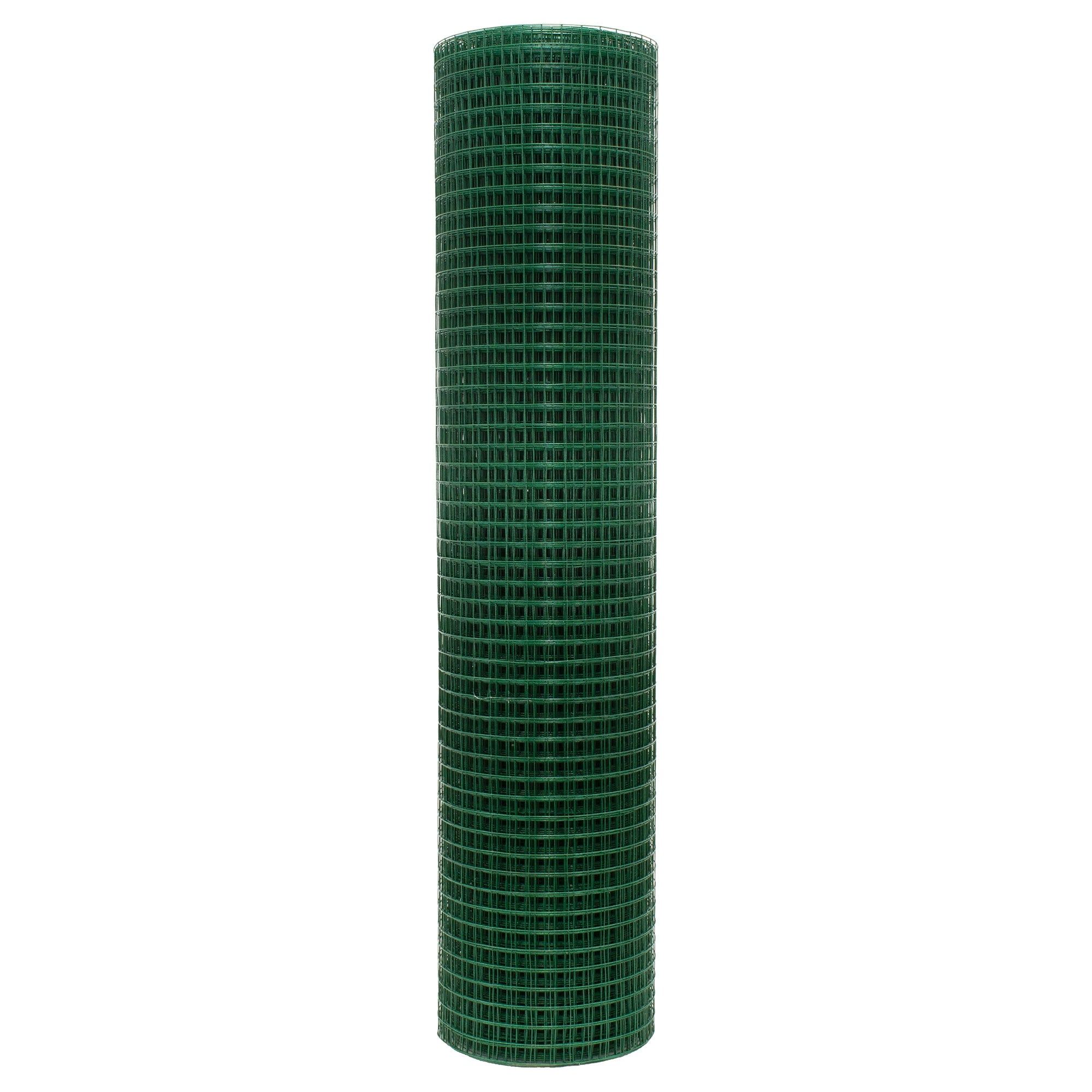
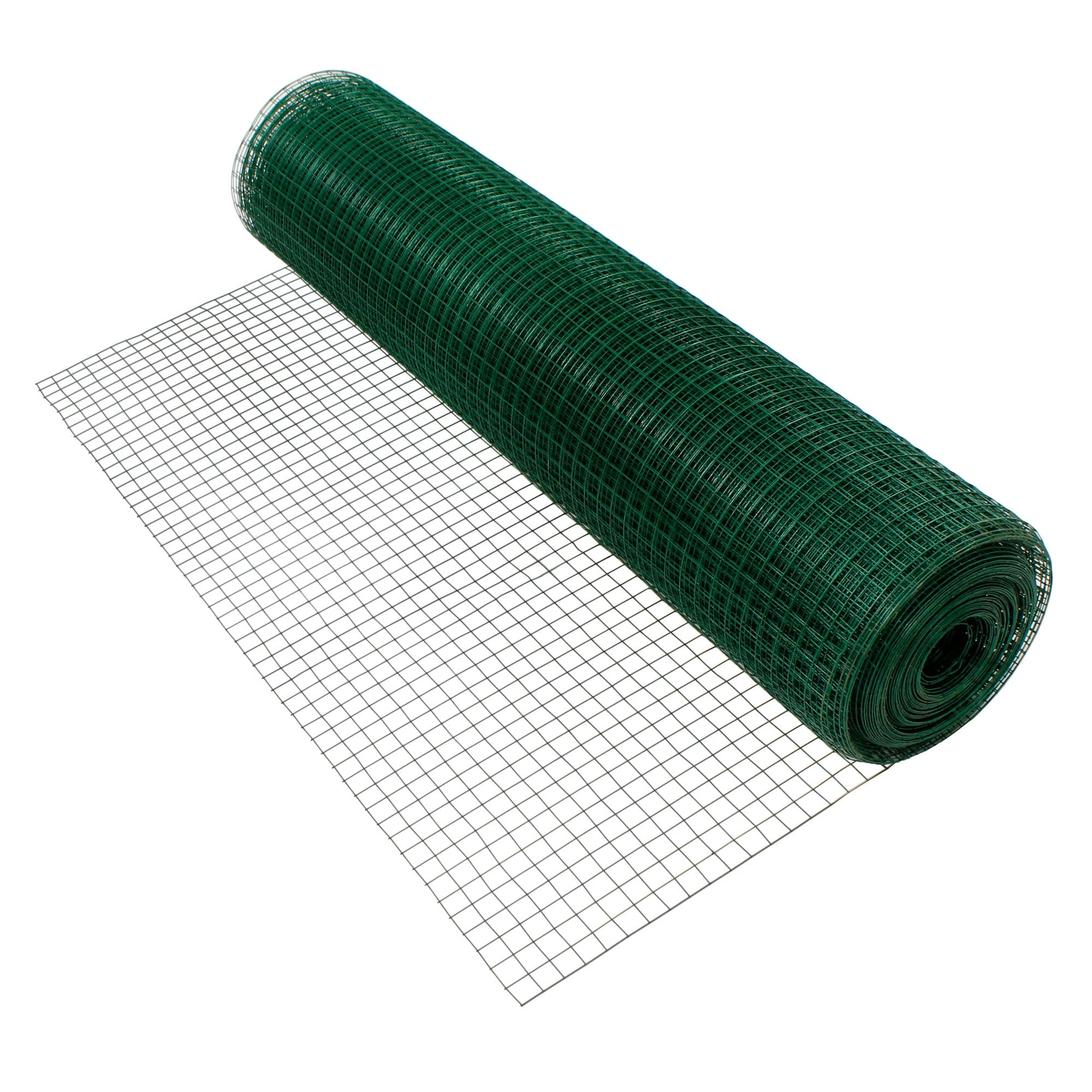
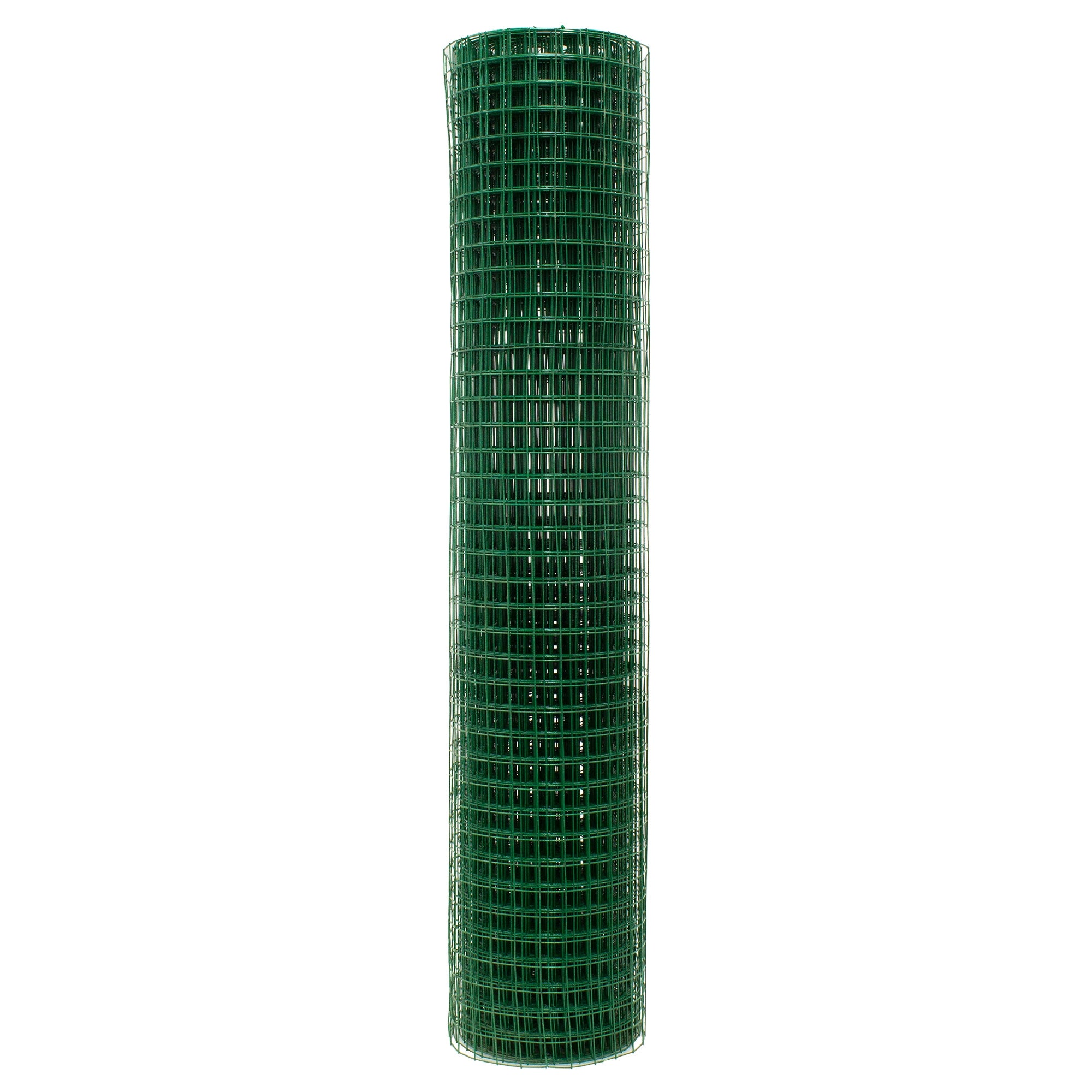
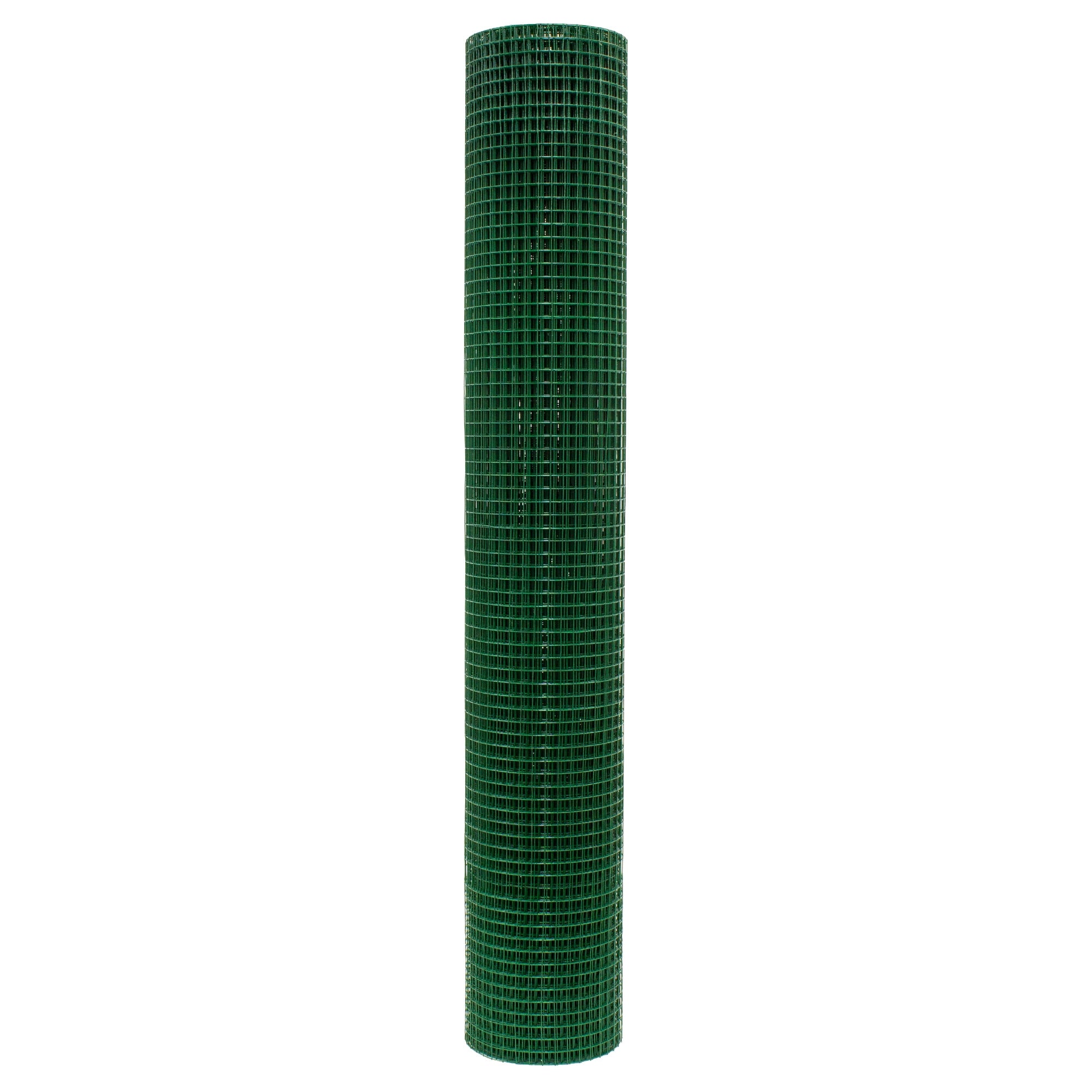
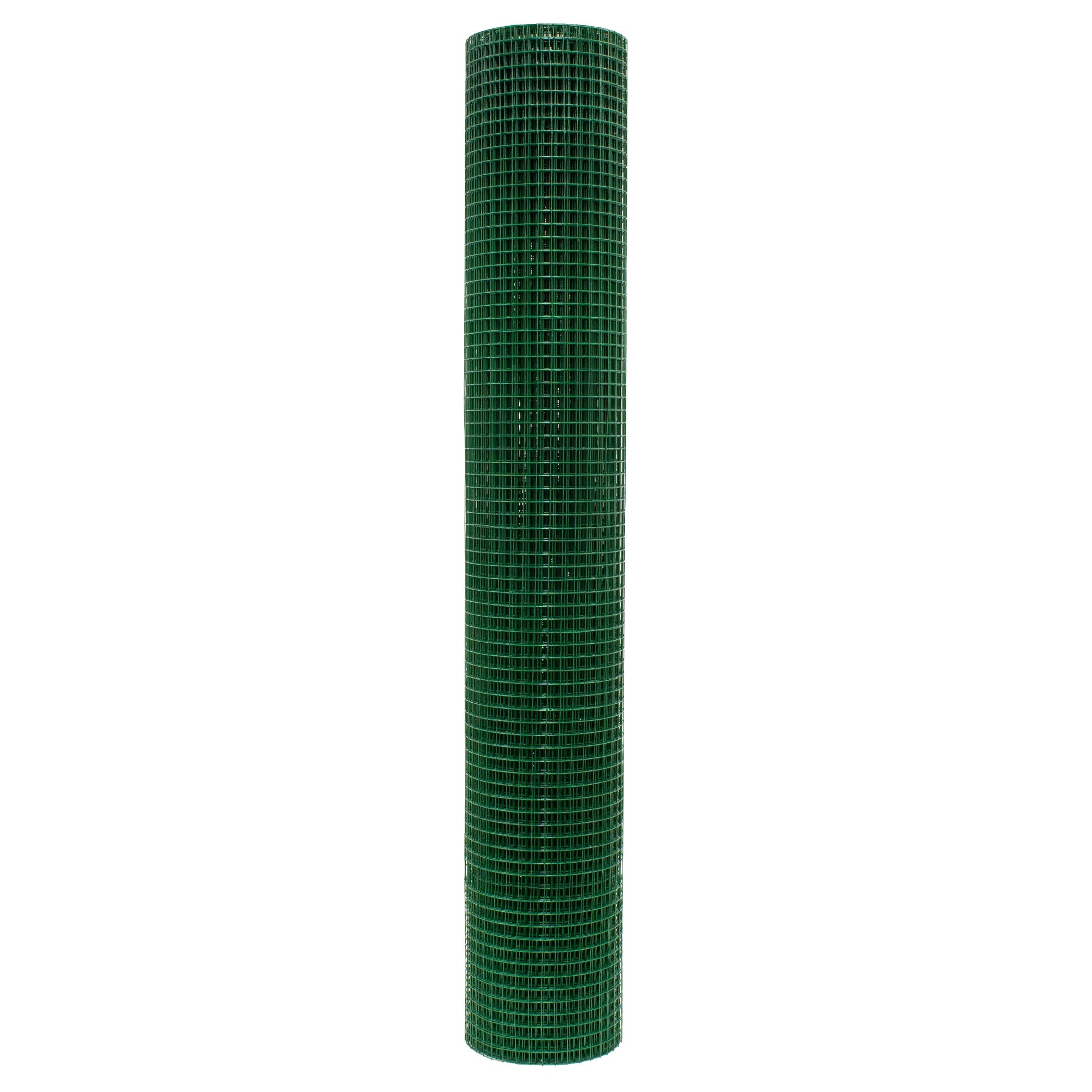
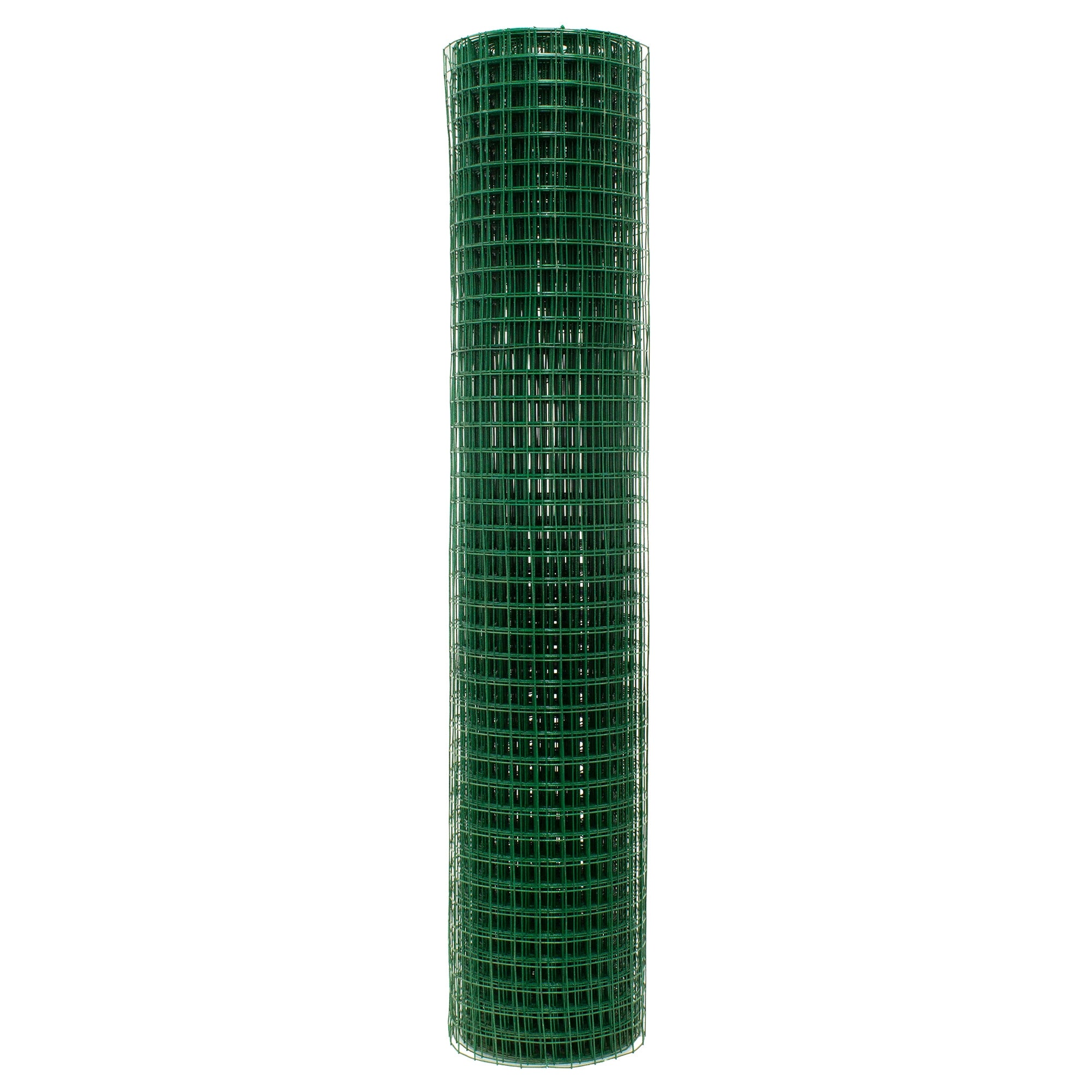
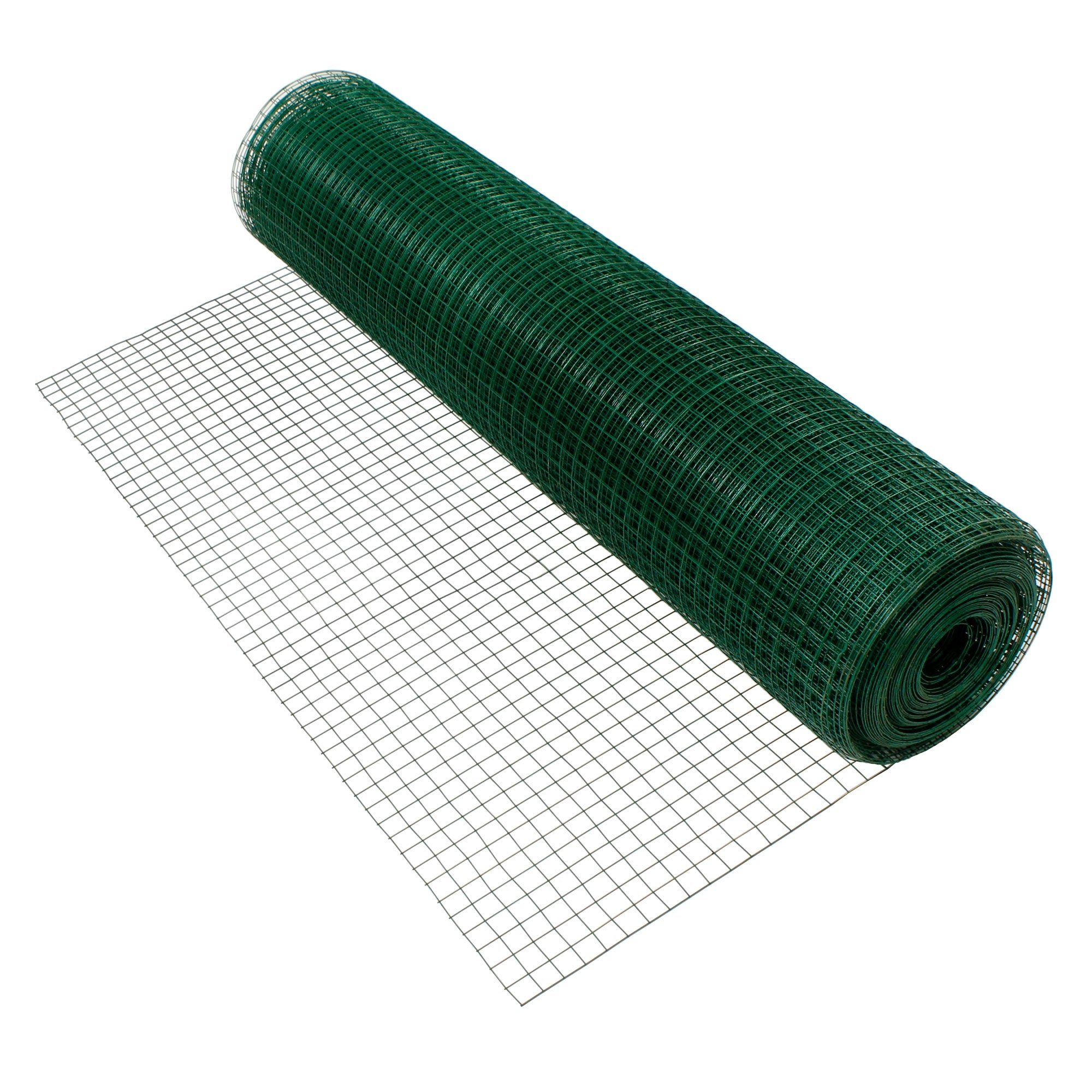
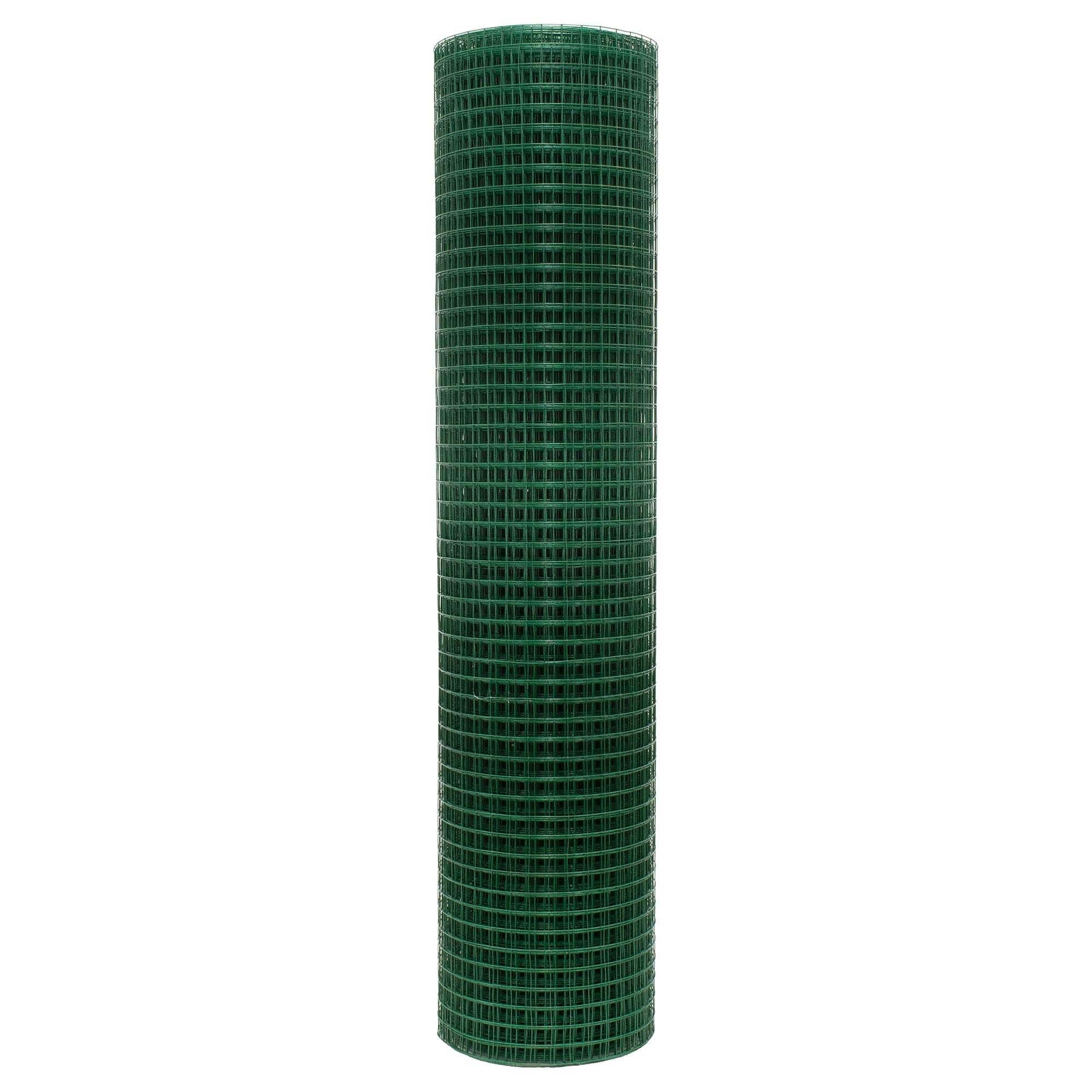
Aviary wire is a particularly sturdy wire mesh with welded intersections, specifically designed for building aviaries, bird cages and animal enclosures. Unlike simple wire mesh, it offers greater stability and security and retains its shape even with continuous use.
Depending on the design, aviary wire is suitable for bird and parrot aviaries, chicken and rabbit enclosures, small-animal hutches, protective screens and various garden projects. The right option depends above all on the animal species and the structural requirements.
What types of wire are available?

Various types of wire are available for animal enclosures and garden projects. Aviary wire is particularly sturdy thanks to its welded joints, making it suitable for high-quality aviaries and enclosures. Rabbit wire, by contrast, usually consists of flexible hexagonal mesh and is often used for smaller enclosures or garden projects. It is easy to work with and inexpensive, but offers less stability and resistance to biting.
Chicken wire is similar to rabbit wire and is primarily used for chicken coops, garden beds or lighter-duty fencing. For strong birds such as parrots, however, sturdy welded aviary wire is the better choice.
What wire gauge is suitable for an aviary?

The appropriate wire gauge depends primarily on the size and strength of the animals. For small birds such as canaries or budgies, thinner wire of around 0.8 to 1.2 mm is often sufficient. For cockatiels, around 1.2 to 1.5 mm is common. Larger and stronger animals such as parrots require considerably thicker wire, around 2.0 to 3.0 mm. For chickens and rabbits, around 1.2 to 2.0 mm is also suitable, depending on the enclosure.
As a general rule, the larger and stronger the animals, the sturdier the aviary wire should be.
What mesh size is suitable?
In addition to wire gauge, mesh size is important. It must be chosen so that the animals cannot squeeze through or get their heads or feet caught in the wire.
For small birds, for example, aviary wire with a mesh size of 12 x 12 mm is particularly popular. Options with 16 x 16 mm or 19 x 19 mm mesh are suitable for many larger bird species. Depending on the application, mesh sizes of 25 x 25 mm may also be suitable for chickens and larger animals.
Which material is best?
The material has a major impact on rust protection, service life and maintenance requirements. Galvanized aviary wire is particularly common. It offers good corrosion protection, is weather-resistant and durable, and also provides excellent value for money.
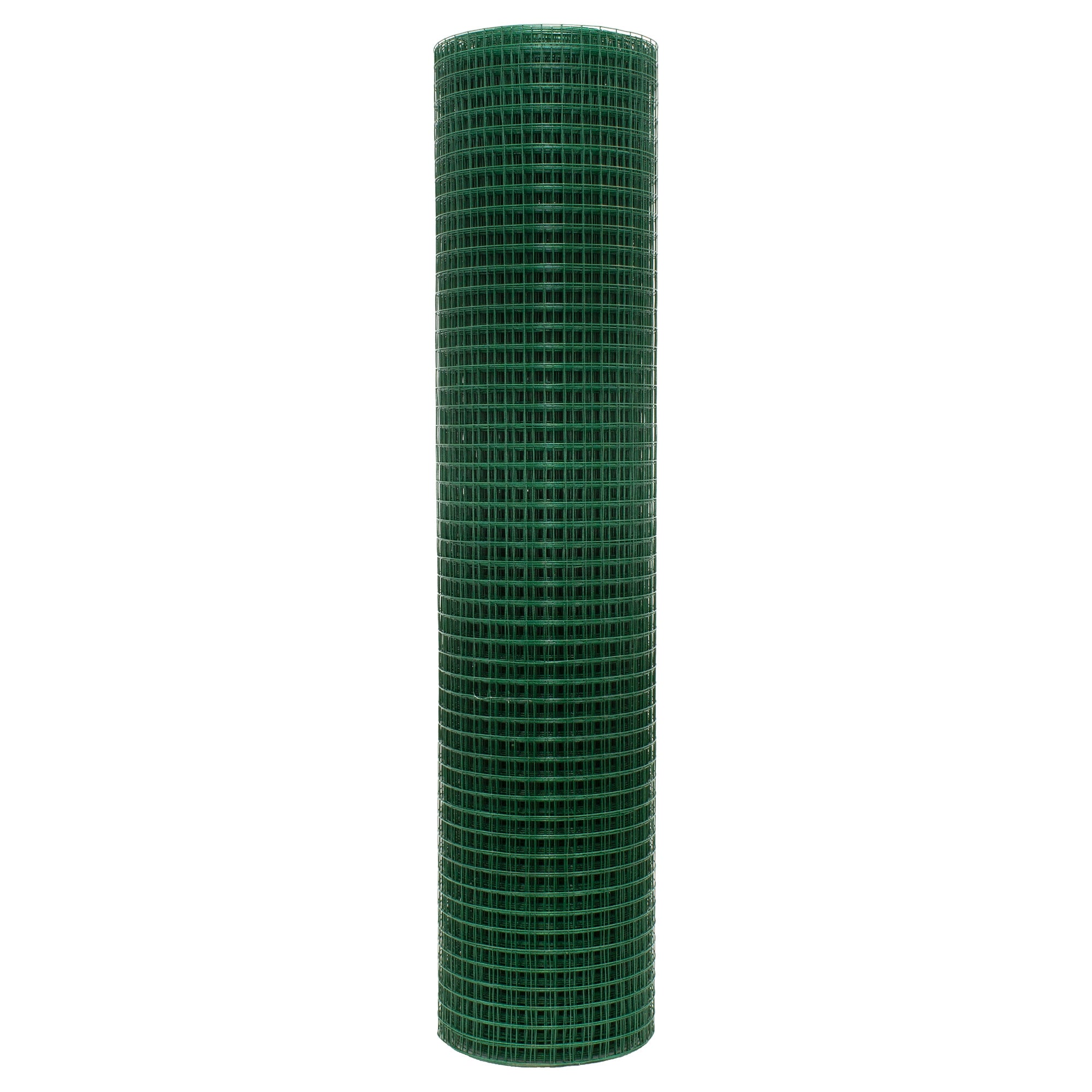
Stainless steel wire is a good choice for particularly demanding applications. Stainless steel is rustproof, hygienic and highly durable, making it especially suitable for outdoor aviaries, parrots or professional animal keeping. Another option is plastic-coated wire. The additional coating provides extra corrosion protection while giving the wire a smooth, attractive surface.
Is aviary wire marten-proof?
High-quality aviary wire can provide excellent protection against martens and other predators. However, the key factors are not only the quality of the wire, but also an appropriate wire gauge, a sufficiently small mesh size and a sturdy frame construction.
A secure, gap-free attachment is just as important. Especially for outdoor aviaries, the entire area, including the roof and floor, should be secured so that predators cannot exploit any weak points.
Roll dimensions and areas of use
Aviary wire is available in various widths and lengths. Common roll widths are 50, 100, 120 or 150 cm, with lengths of 5, 10, 25 or 50 m.
This makes it possible to plan both a small indoor aviary and a large outdoor enclosure to suit the project. For larger projects, it is worth calculating the required materials carefully in advance and allowing for a little extra.
What to look for when buying
When buying, first consider the animal species and, consequently, the required wire gauge and mesh size. Material, corrosion protection and the quality of the welds are equally important. For outdoor use, a weather-resistant design is recommended, while stainless steel wire may also be a good option for particularly demanding requirements.
You should also make sure the roll dimensions are suitable. High-quality wire with sufficient thickness and good workmanship often lasts for many years and can help avoid later repairs or replacement.
With ECD Germany, you choose aviary wire that combines safety, stability and durability. The various designs are suitable for numerous animal species and a wide range of applications around the home and garden. The focus is on robust workmanship, high-quality materials, different mesh sizes and wire gauges, as well as good weather resistance.
Conclusion: The right aviary wire for safe animal keeping
High-quality aviary wire reliably protects animals and ensures a durable aviary or sturdy enclosure. The key factors are the right wire gauge, a suitable mesh size, high-quality materials and proper fastening.
Whether you need 12x12 aviary wire, sturdy rabbit wire, classic chicken wire or an especially robust stainless steel version, at ECD Germany you’ll find suitable solutions for a range of projects and can create safe conditions for both animals and your garden.












Aviary Wire – Secure Protection for Aviaries, Enclosures and Garden Projects
High-quality aviary wire is the foundation for stable and secure aviaries, bird cages and animal enclosures. It reliably protects birds and small animals from predators, prevents them from escaping and withstands wind and weather for many years.
Whether for budgies, parrots, rabbits, chickens or other small animals, the right wire has a major impact on safety, durability and comfort. Factors such as mesh size, wire gauge, material, galvanization and proper fastening all play an important role.
In this guide, you’ll learn what to look for when buying, how aviary wire differs from rabbit wire and chicken wire, and which model is best suited to your project.
What is aviary wire?
Aviary wire is a particularly sturdy wire mesh with welded intersections, specifically designed for building aviaries, bird cages and animal enclosures. Unlike simple wire mesh, it offers greater stability and security and retains its shape even with continuous use.
Depending on the design, aviary wire is suitable for bird and parrot aviaries, chicken and rabbit enclosures, small-animal hutches, protective screens and various garden projects. The right option depends above all on the animal species and the structural requirements.
What types of wire are available?
Various types of wire are available for animal enclosures and garden projects. Aviary wire is particularly sturdy thanks to its welded joints, making it suitable for high-quality aviaries and enclosures. Rabbit wire, by contrast, usually consists of flexible hexagonal mesh and is often used for smaller enclosures or garden projects. It is easy to work with and inexpensive, but offers less stability and resistance to biting.
Chicken wire is similar to rabbit wire and is primarily used for chicken coops, garden beds or lighter-duty fencing. For strong birds such as parrots, however, sturdy welded aviary wire is the better choice.
What wire gauge is suitable for an aviary?
The appropriate wire gauge depends primarily on the size and strength of the animals. For small birds such as canaries or budgies, thinner wire of around 0.8 to 1.2 mm is often sufficient. For cockatiels, around 1.2 to 1.5 mm is common. Larger and stronger animals such as parrots require considerably thicker wire, around 2.0 to 3.0 mm. For chickens and rabbits, around 1.2 to 2.0 mm is also suitable, depending on the enclosure.
As a general rule, the larger and stronger the animals, the sturdier the aviary wire should be.
What mesh size is suitable?
In addition to wire gauge, mesh size is important. It must be chosen so that the animals cannot squeeze through or get their heads or feet caught in the wire.
For small birds, for example, aviary wire with a mesh size of 12 x 12 mm is particularly popular. Options with 16 x 16 mm or 19 x 19 mm mesh are suitable for many larger bird species. Depending on the application, mesh sizes of 25 x 25 mm may also be suitable for chickens and larger animals.
Which material is best?
The material has a major impact on rust protection, service life and maintenance requirements. Galvanized aviary wire is particularly common. It offers good corrosion protection, is weather-resistant and durable, and also provides excellent value for money.
Stainless steel wire is a good choice for particularly demanding applications. Stainless steel is rustproof, hygienic and highly durable, making it especially suitable for outdoor aviaries, parrots or professional animal keeping. Another option is plastic-coated wire. The additional coating provides extra corrosion protection while giving the wire a smooth, attractive surface.
Is aviary wire marten-proof?
High-quality aviary wire can provide excellent protection against martens and other predators. However, the key factors are not only the quality of the wire, but also an appropriate wire gauge, a sufficiently small mesh size and a sturdy frame construction.
A secure, gap-free attachment is just as important. Especially for outdoor aviaries, the entire area, including the roof and floor, should be secured so that predators cannot exploit any weak points.
Roll dimensions and areas of use
Aviary wire is available in various widths and lengths. Common roll widths are 50, 100, 120 or 150 cm, with lengths of 5, 10, 25 or 50 m.
This makes it possible to plan both a small indoor aviary and a large outdoor enclosure to suit the project. For larger projects, it is worth calculating the required materials carefully in advance and allowing for a little extra.
What to look for when buying
When buying, first consider the animal species and, consequently, the required wire gauge and mesh size. Material, corrosion protection and the quality of the welds are equally important. For outdoor use, a weather-resistant design is recommended, while stainless steel wire may also be a good option for particularly demanding requirements.
You should also make sure the roll dimensions are suitable. High-quality wire with sufficient thickness and good workmanship often lasts for many years and can help avoid later repairs or replacement.
With ECD Germany, you choose aviary wire that combines safety, stability and durability. The various designs are suitable for numerous animal species and a wide range of applications around the home and garden. The focus is on robust workmanship, high-quality materials, different mesh sizes and wire gauges, as well as good weather resistance.
Conclusion: The right aviary wire for safe animal keeping
High-quality aviary wire reliably protects animals and ensures a durable aviary or sturdy enclosure. The key factors are the right wire gauge, a suitable mesh size, high-quality materials and proper fastening.
Whether you need 12x12 aviary wire, sturdy rabbit wire, classic chicken wire or an especially robust stainless steel version, at ECD Germany you’ll find suitable solutions for a range of projects and can create safe conditions for both animals and your garden.
Find even more among our top sellers







Popular categories


