


Metal table legs & table frames – the stable base for your DIY table
Whether dining table, desk, workbench, coffee table, or side table – high-quality metal table legs and frames provide stability, safety, and a long lifespan. Especially in the DIY sector, robust DIY table legs give you the opportunity to create individual furniture pieces yourself and combine your own tabletop with a suitable metal frame. Especially with heavy solid wood tops or large dining tables, a stable table frame is not just a design question, but an important quality feature.
Why high-quality table legs determine your entire table
The base of a table largely determines how stable, load-bearing, and durable the finished piece of furniture is. High-quality metal table legs can safely support heavy tabletops while also providing a modern look. With the right table legs from ML-Design, you can plan your furniture individually and combine different tabletops, sizes, and living styles.
Shapes & designs of table legs and frames
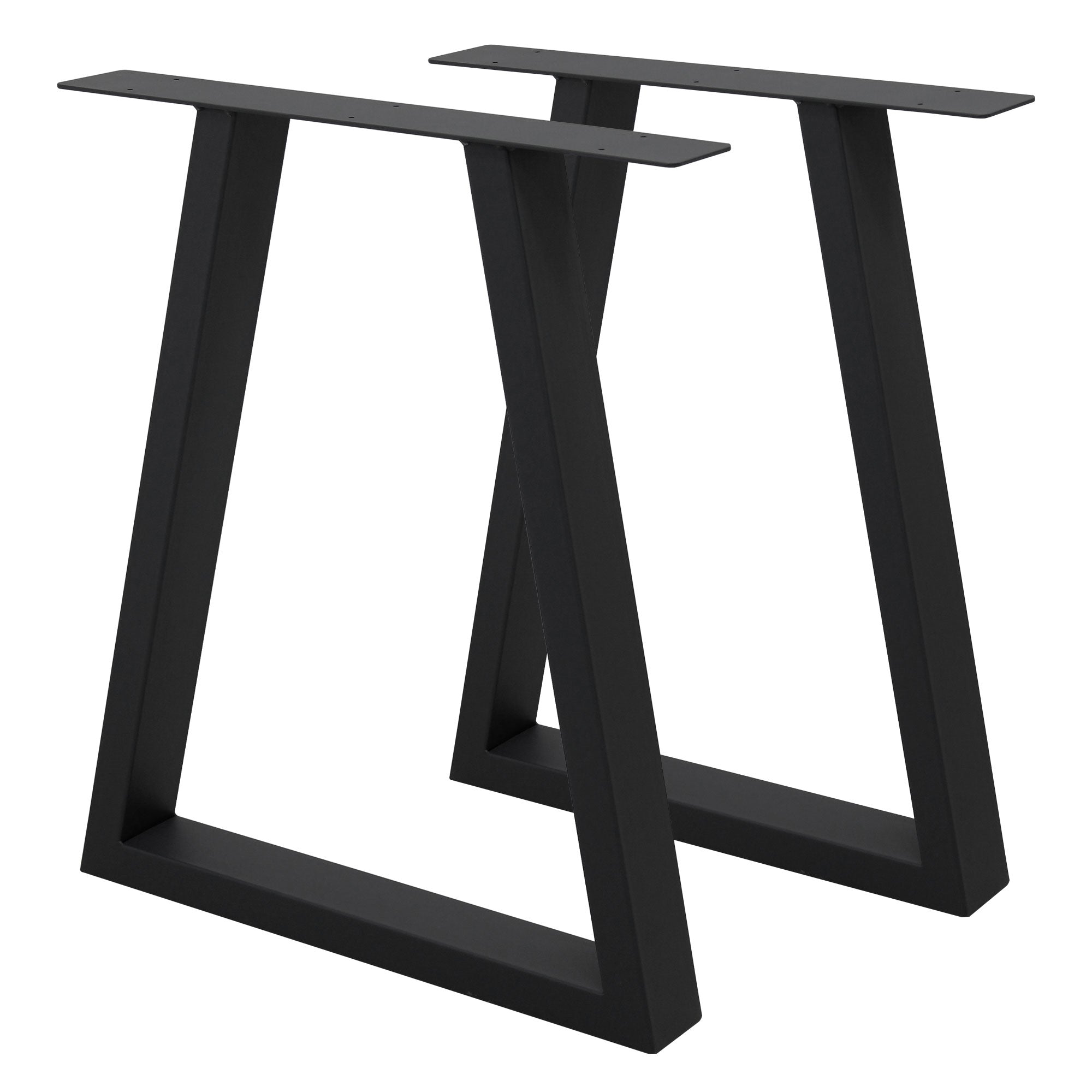
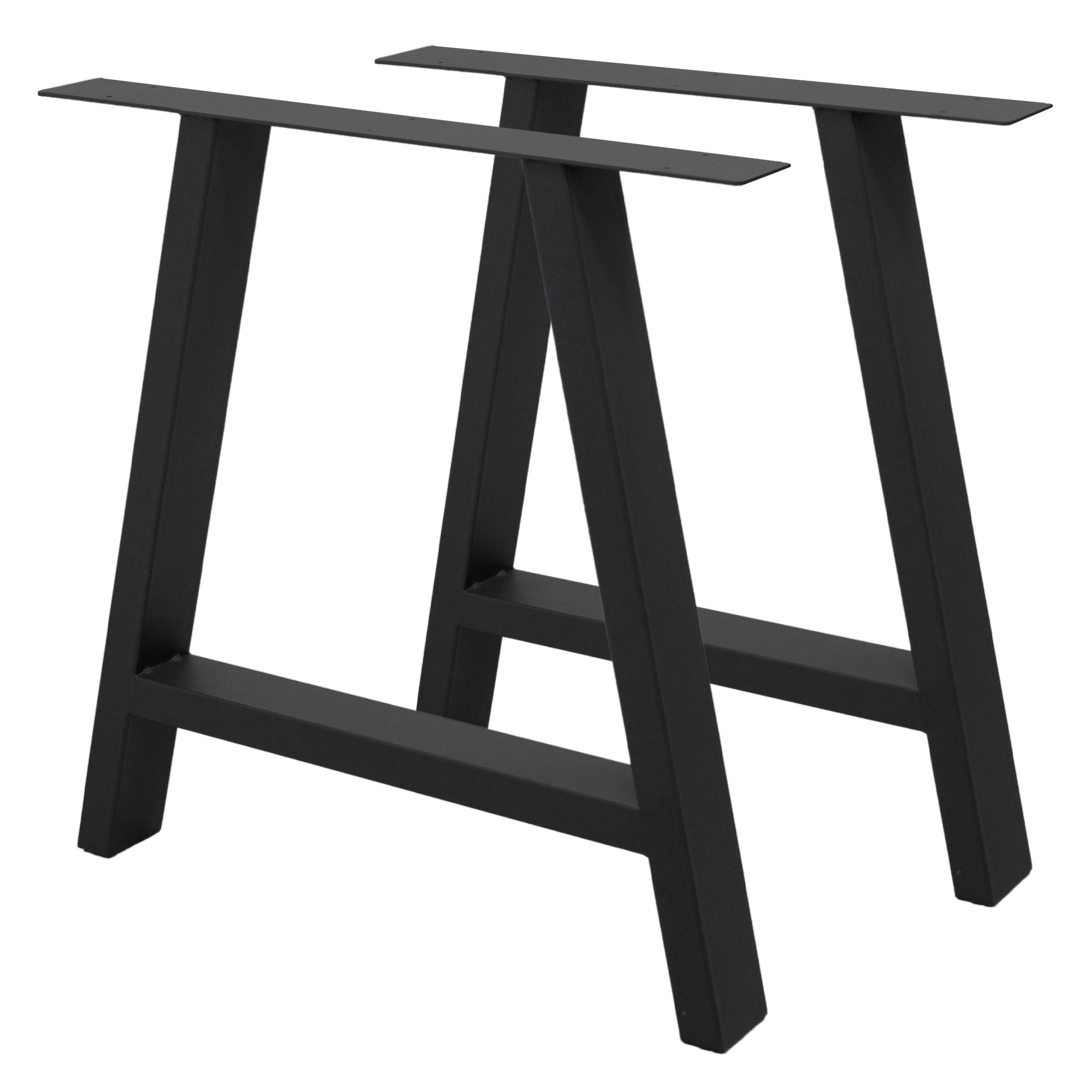
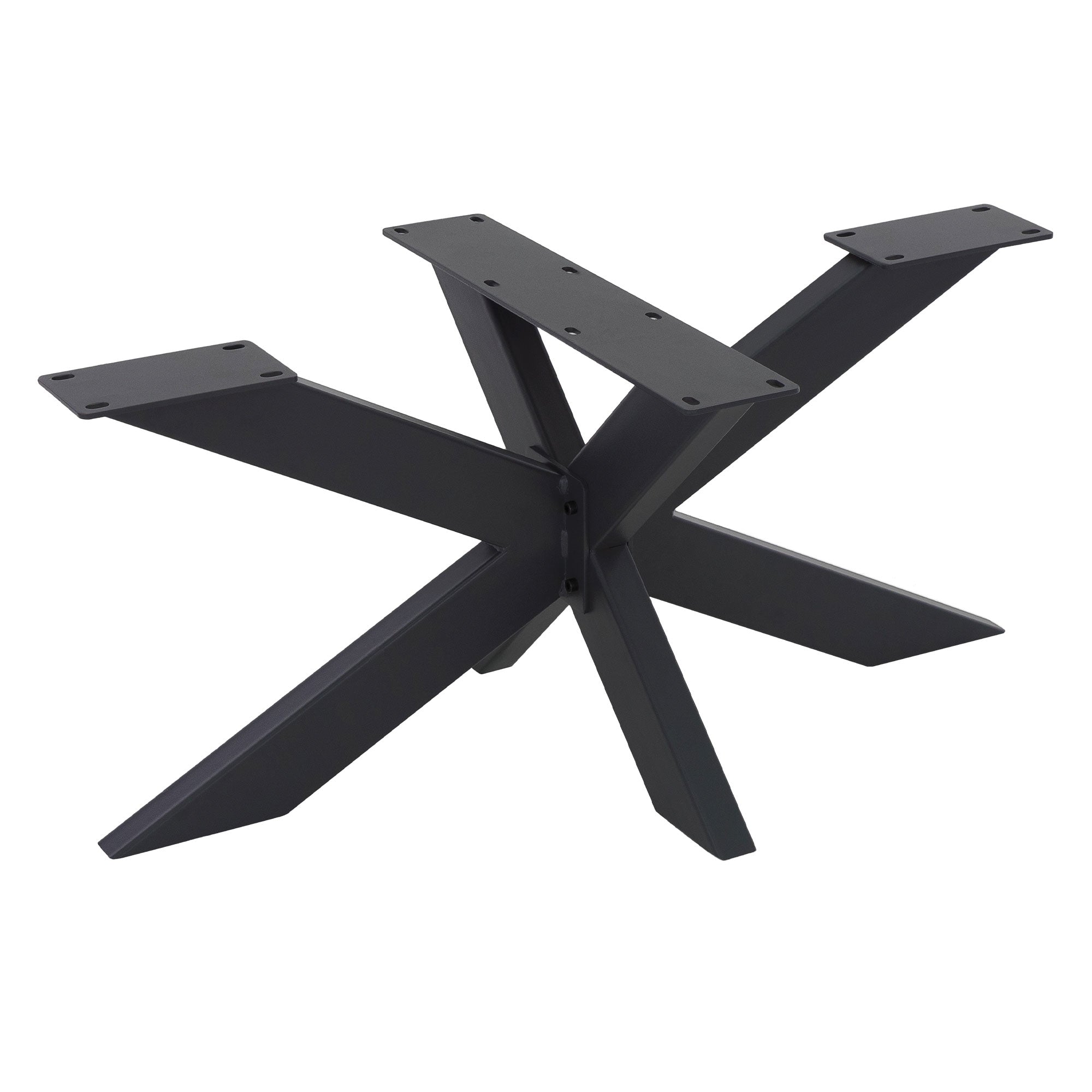
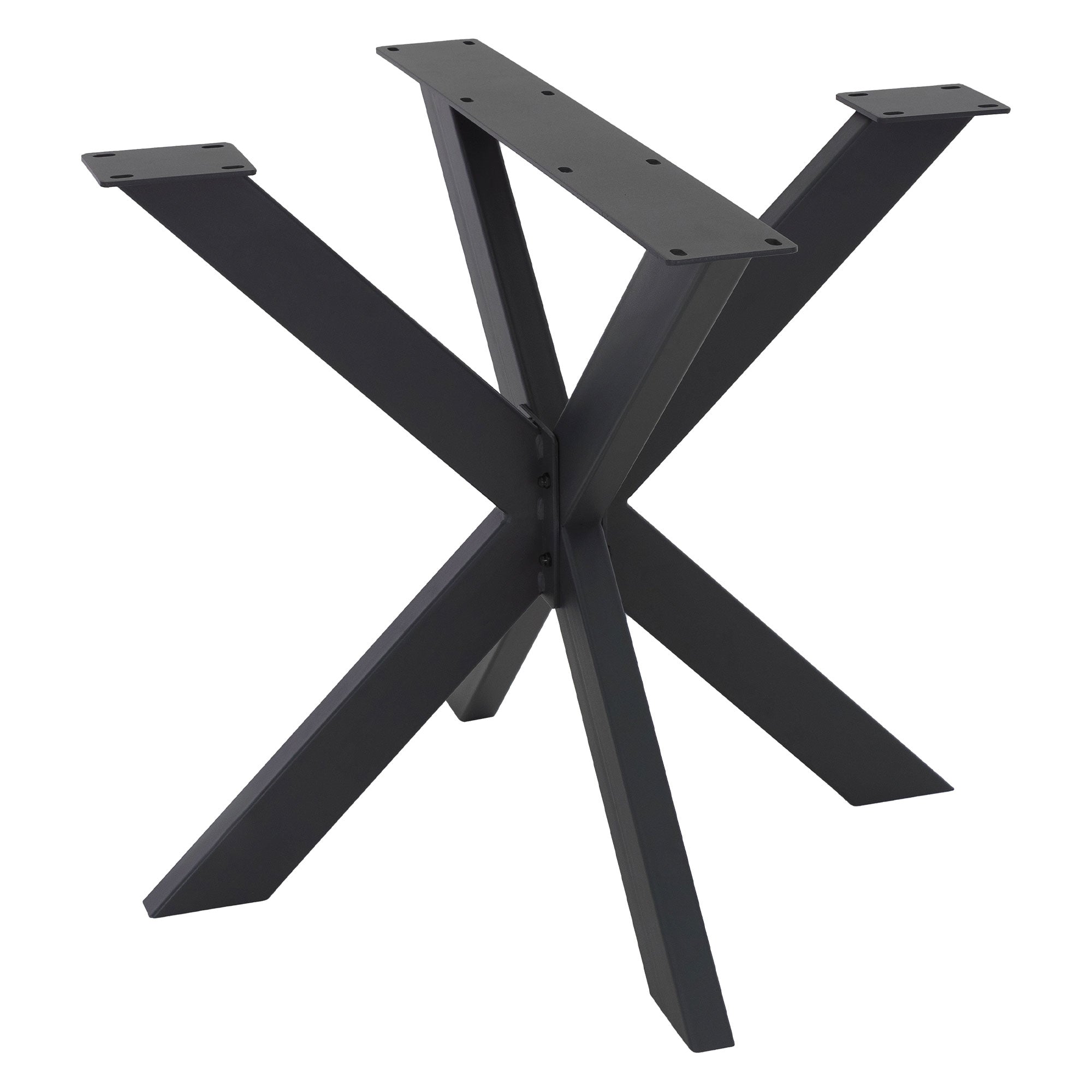
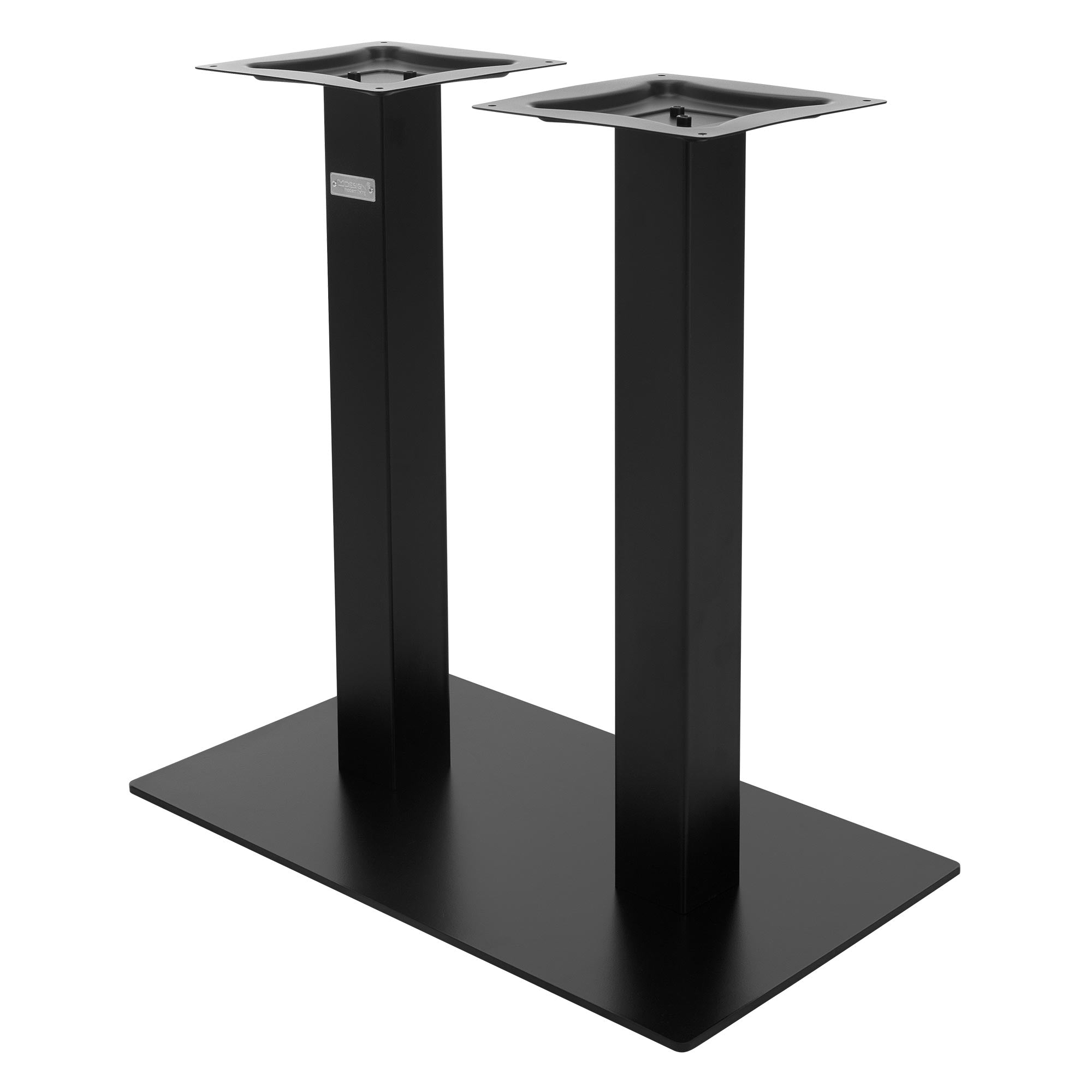
Modern metal table legs come in numerous shapes and designs. Depending on the table size, application area, and desired design, you can choose between classic straight table legs, U-, X-, and A-frames, as well as delicate hairpin legs or sturdy spider and cross frames.
Classic straight table legs
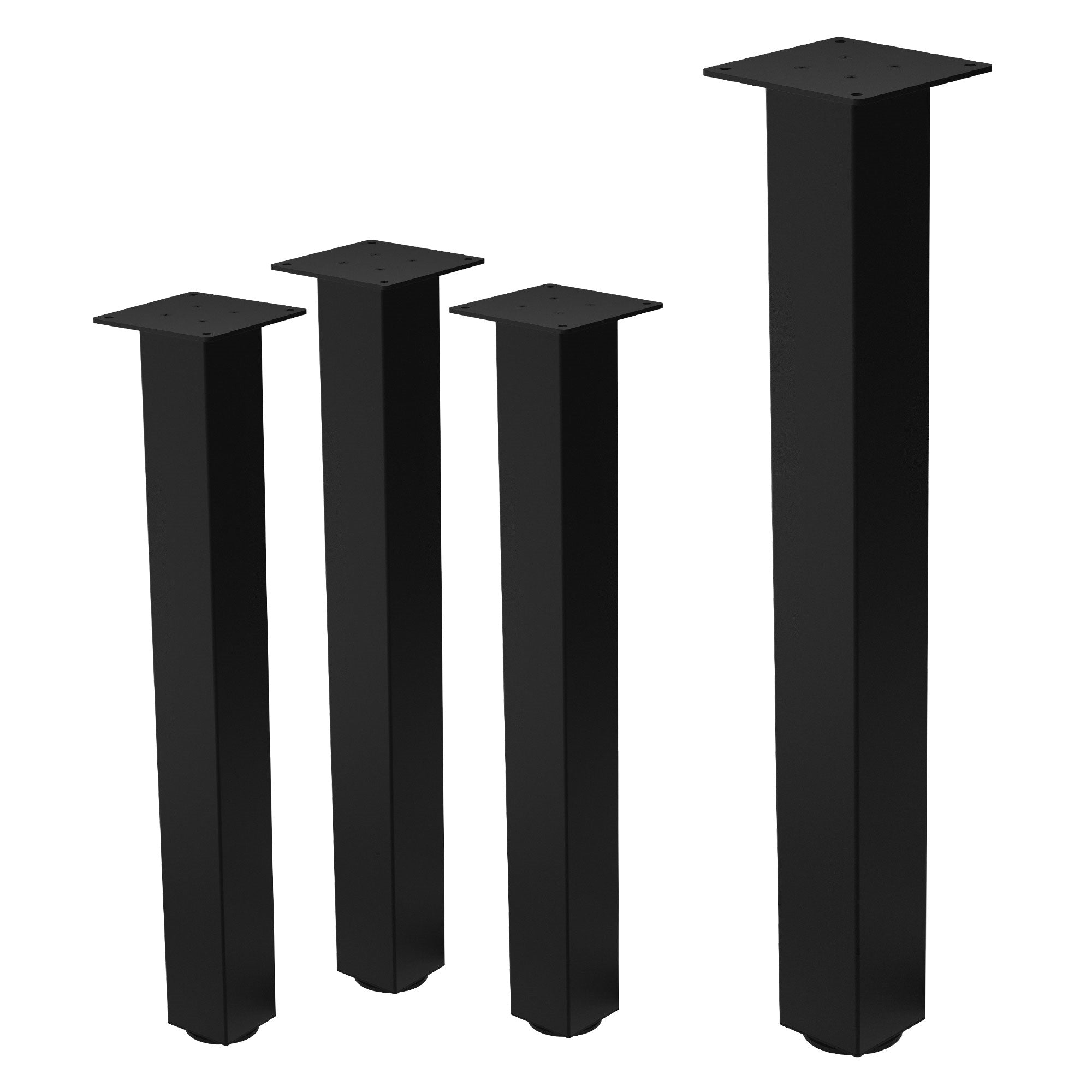
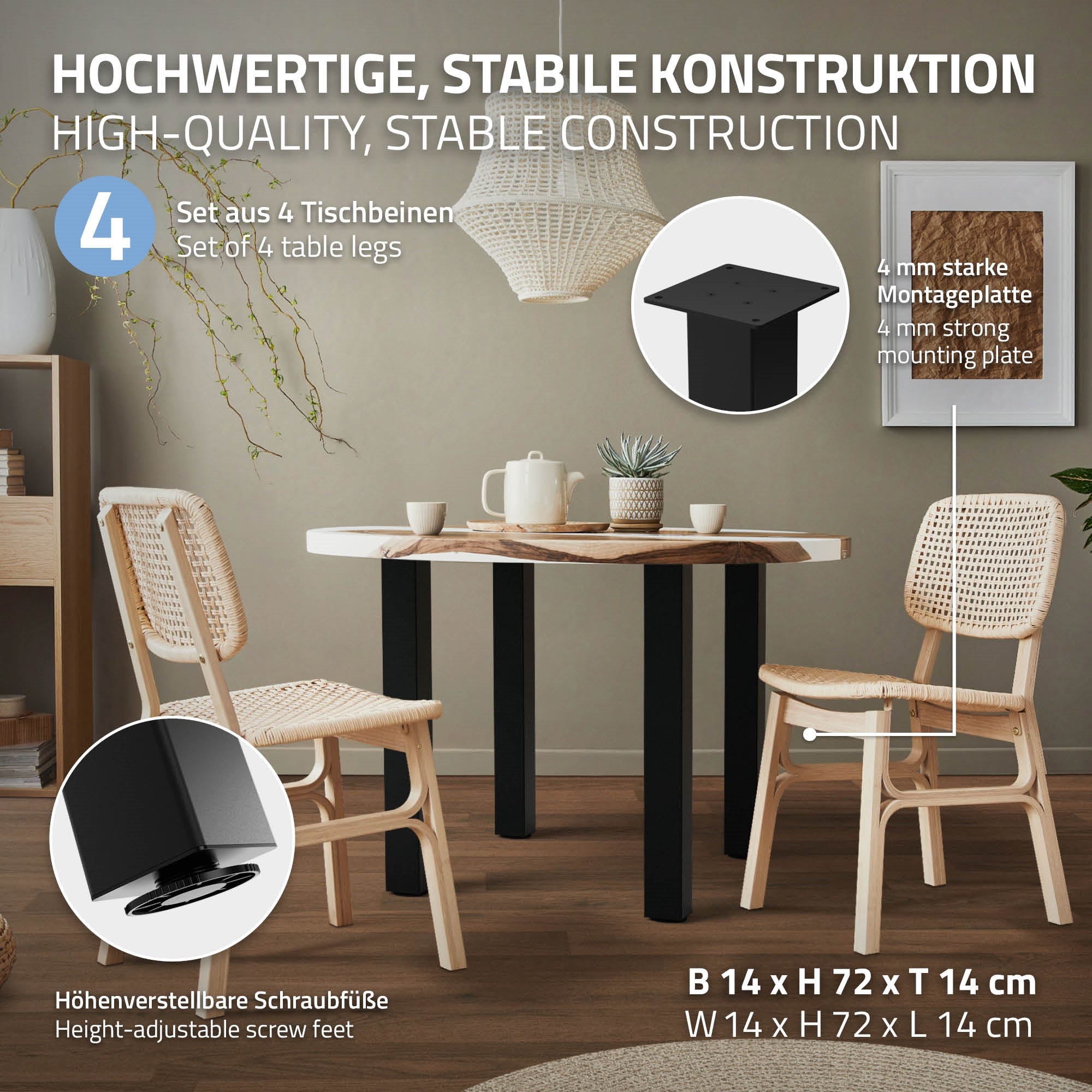
Straight table legs appear simple, timeless, and versatile. They are excellent for kitchen, writing, and dining tables and can be combined with a variety of tabletops. Models with height adjustment are particularly practical if you want to adjust the table height individually.
U-, X-, and A-frames
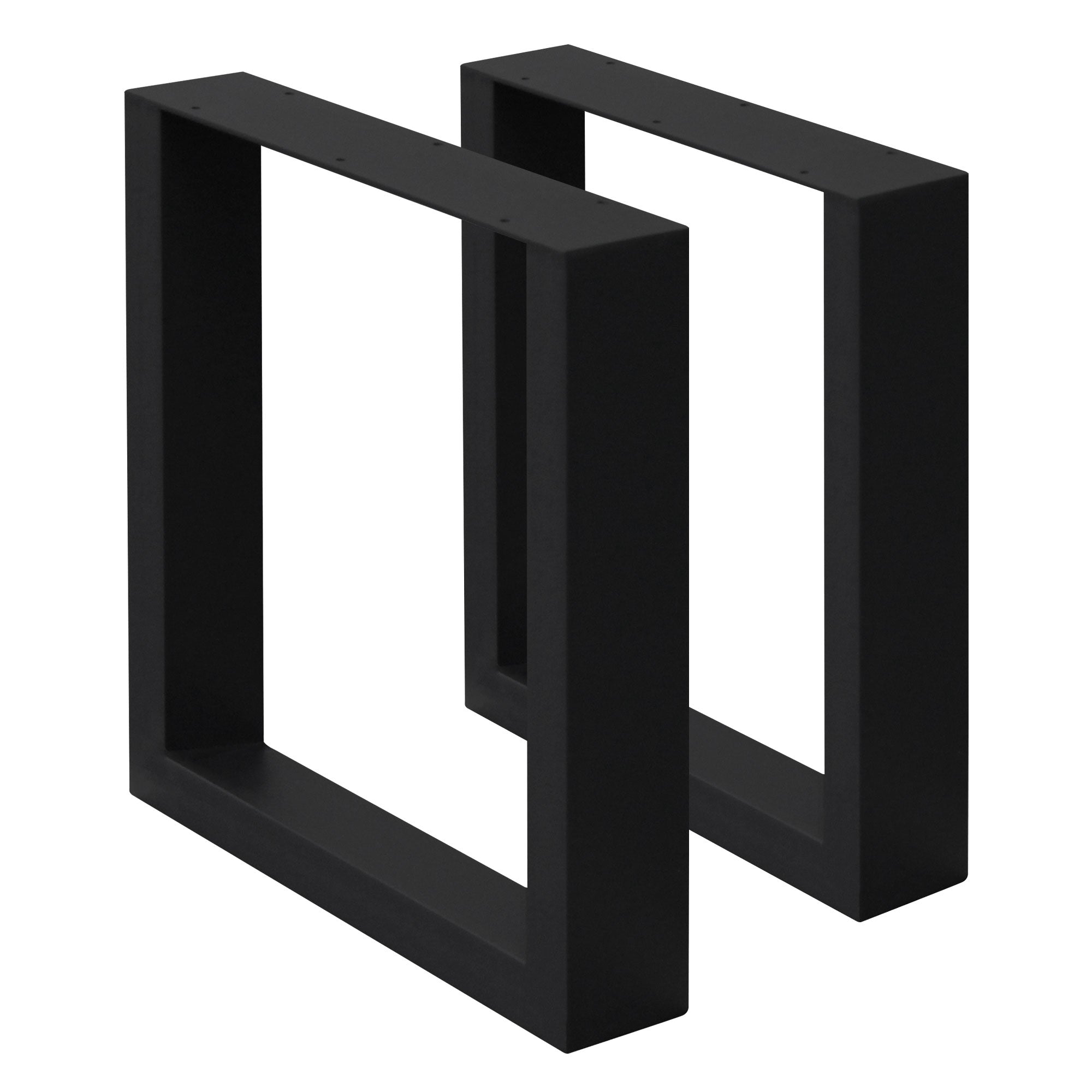
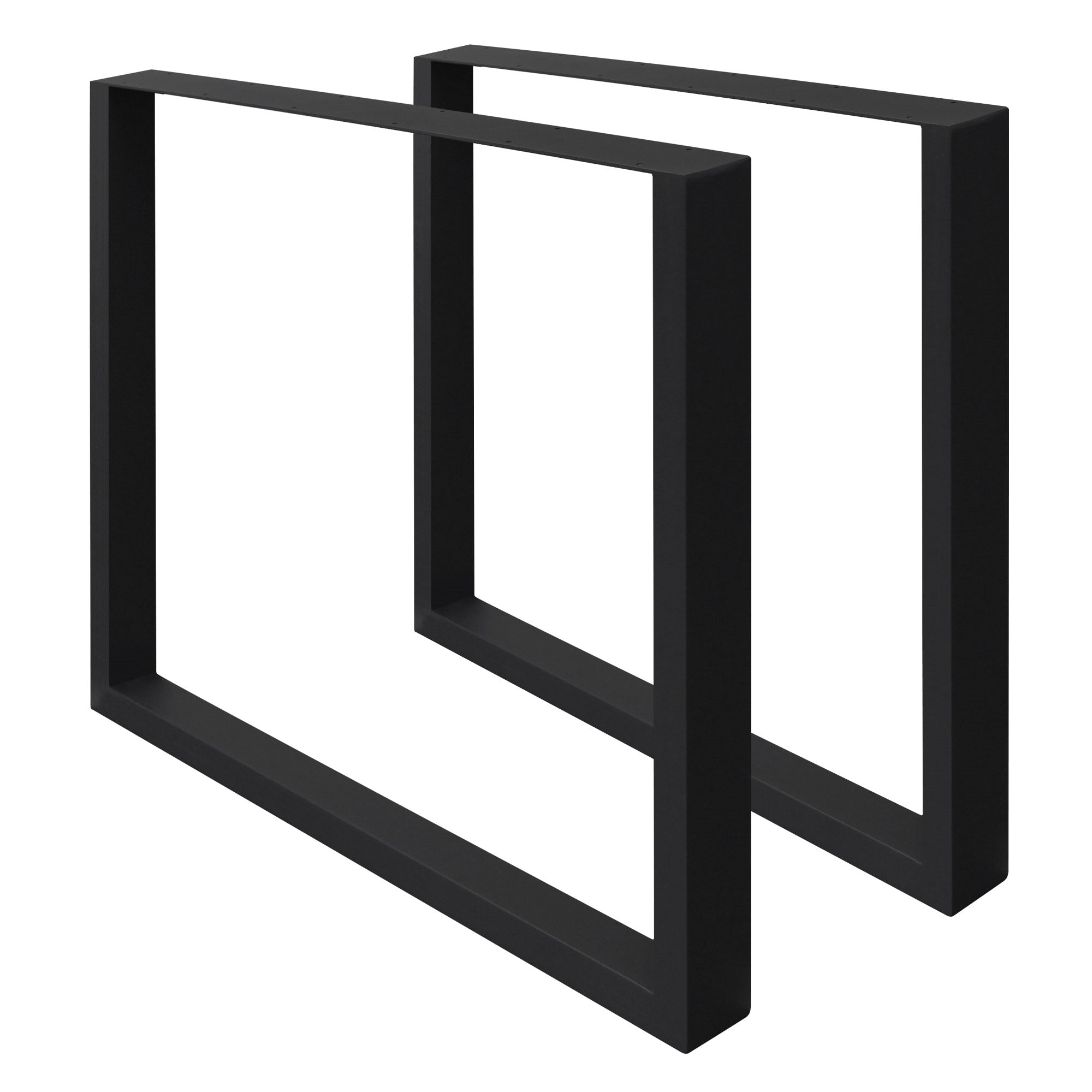
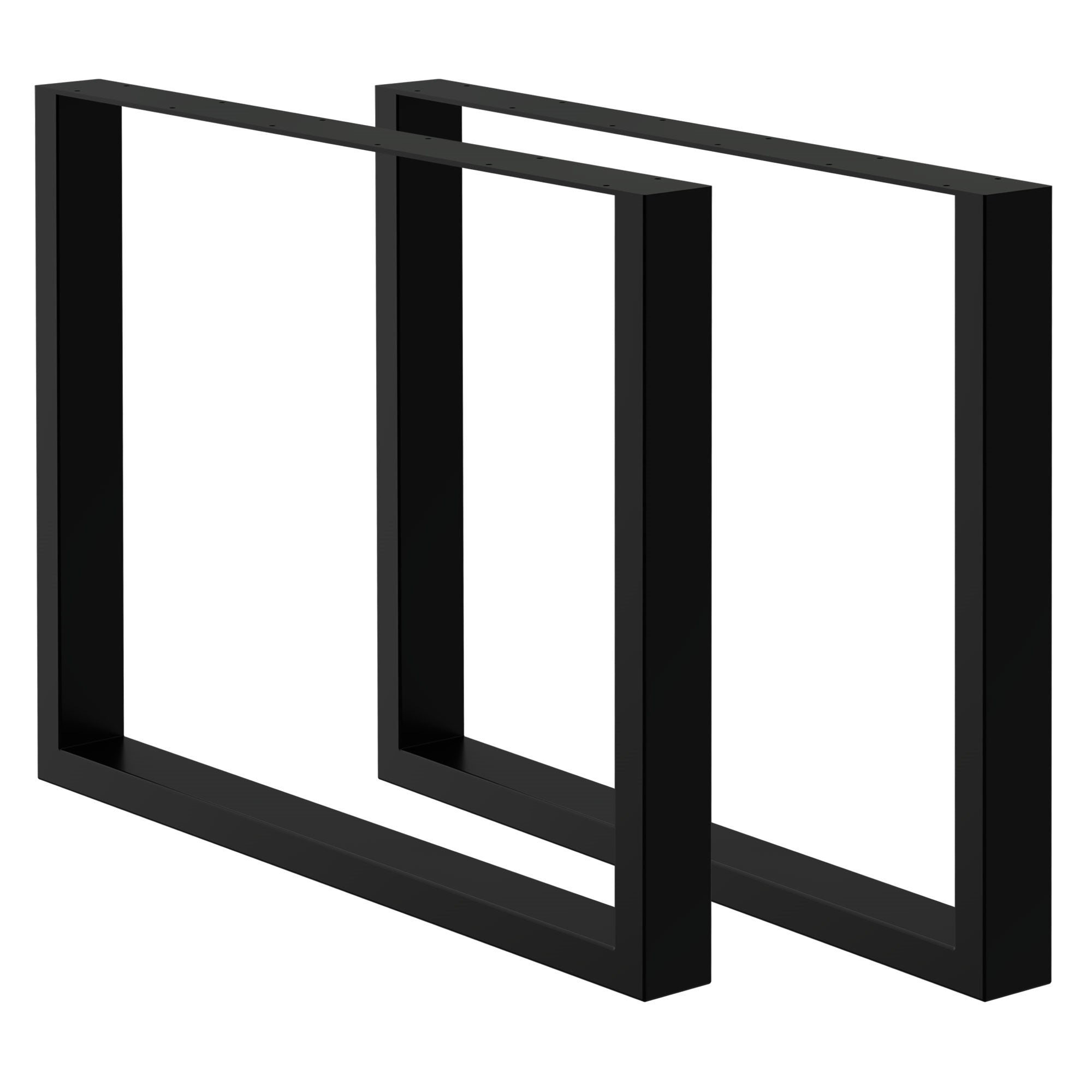
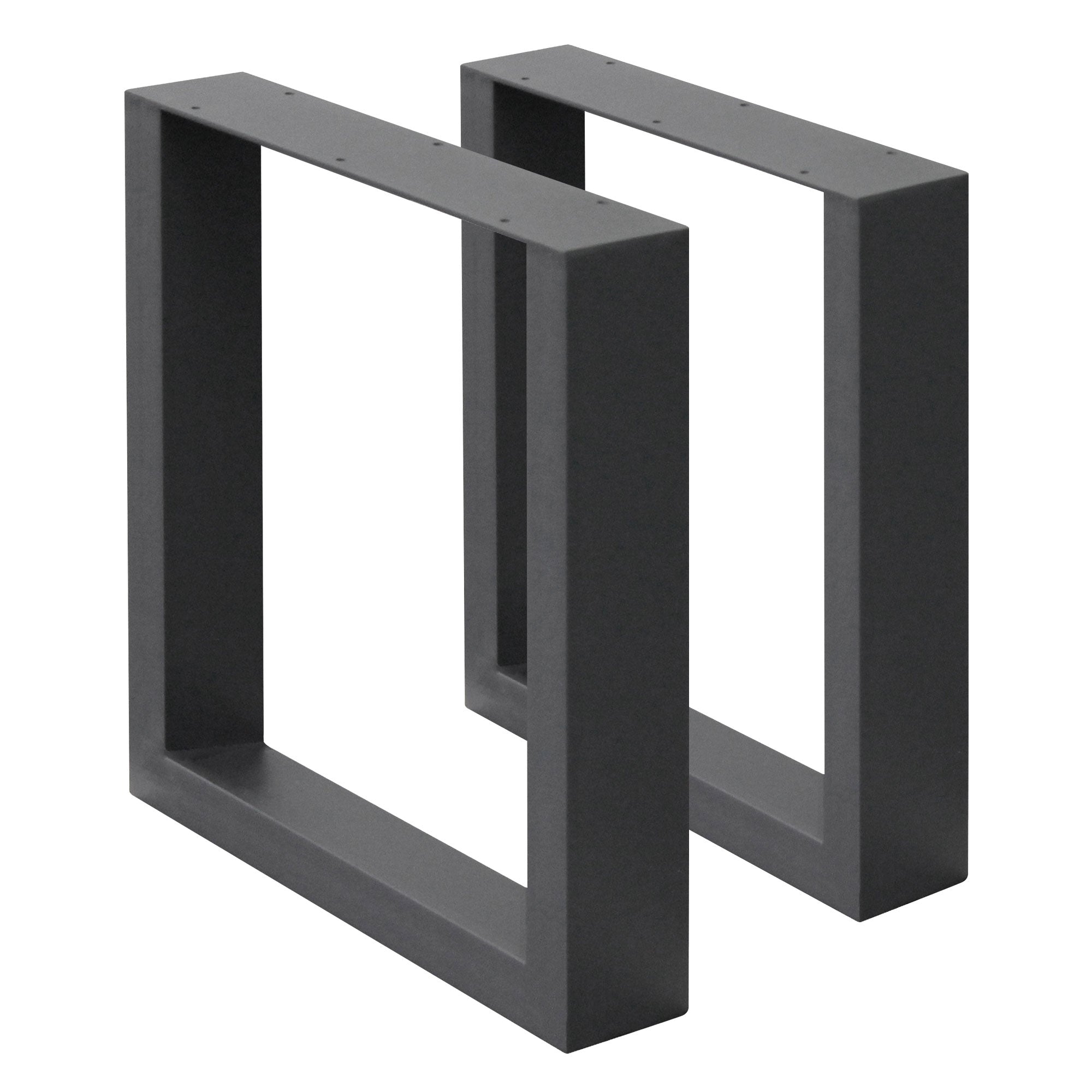
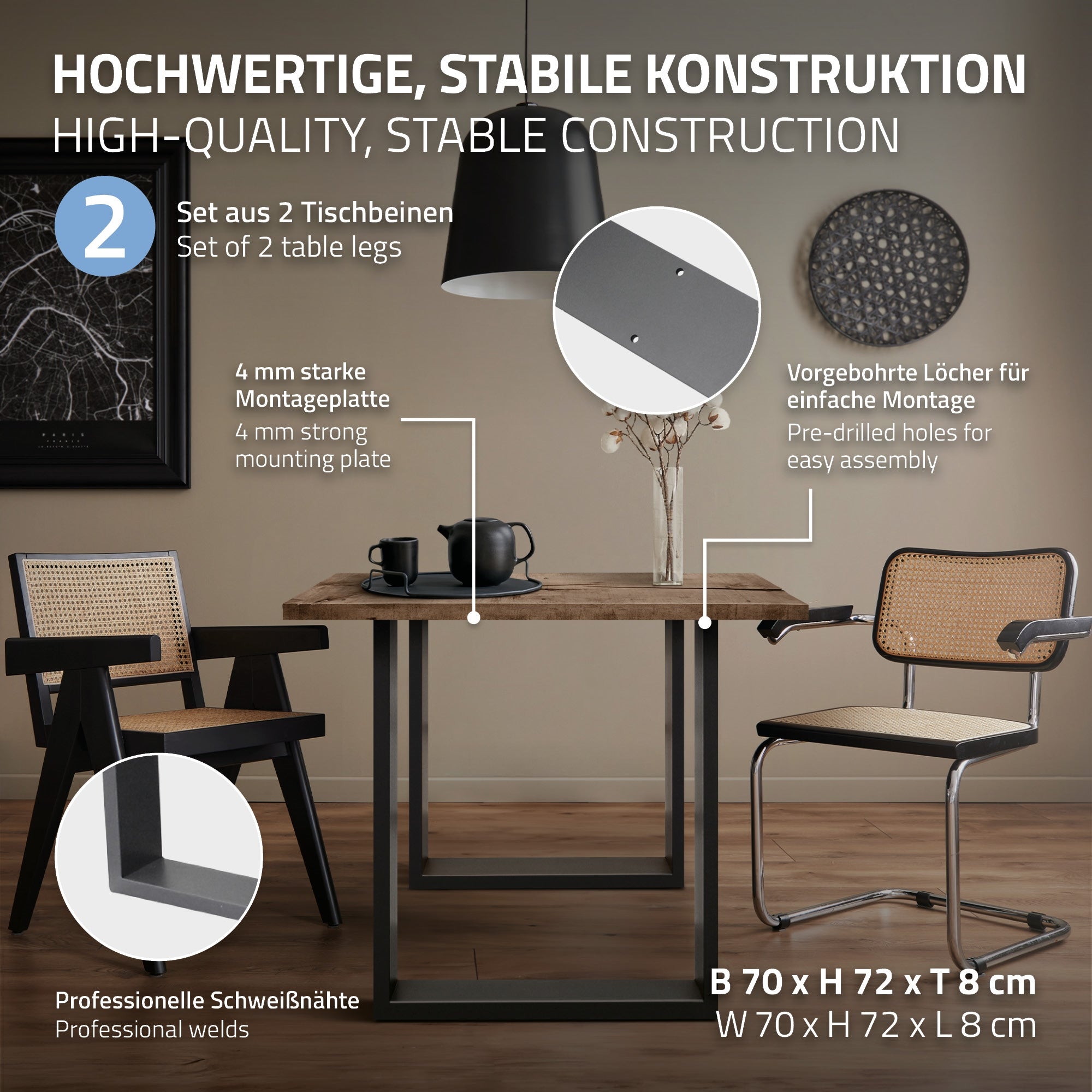
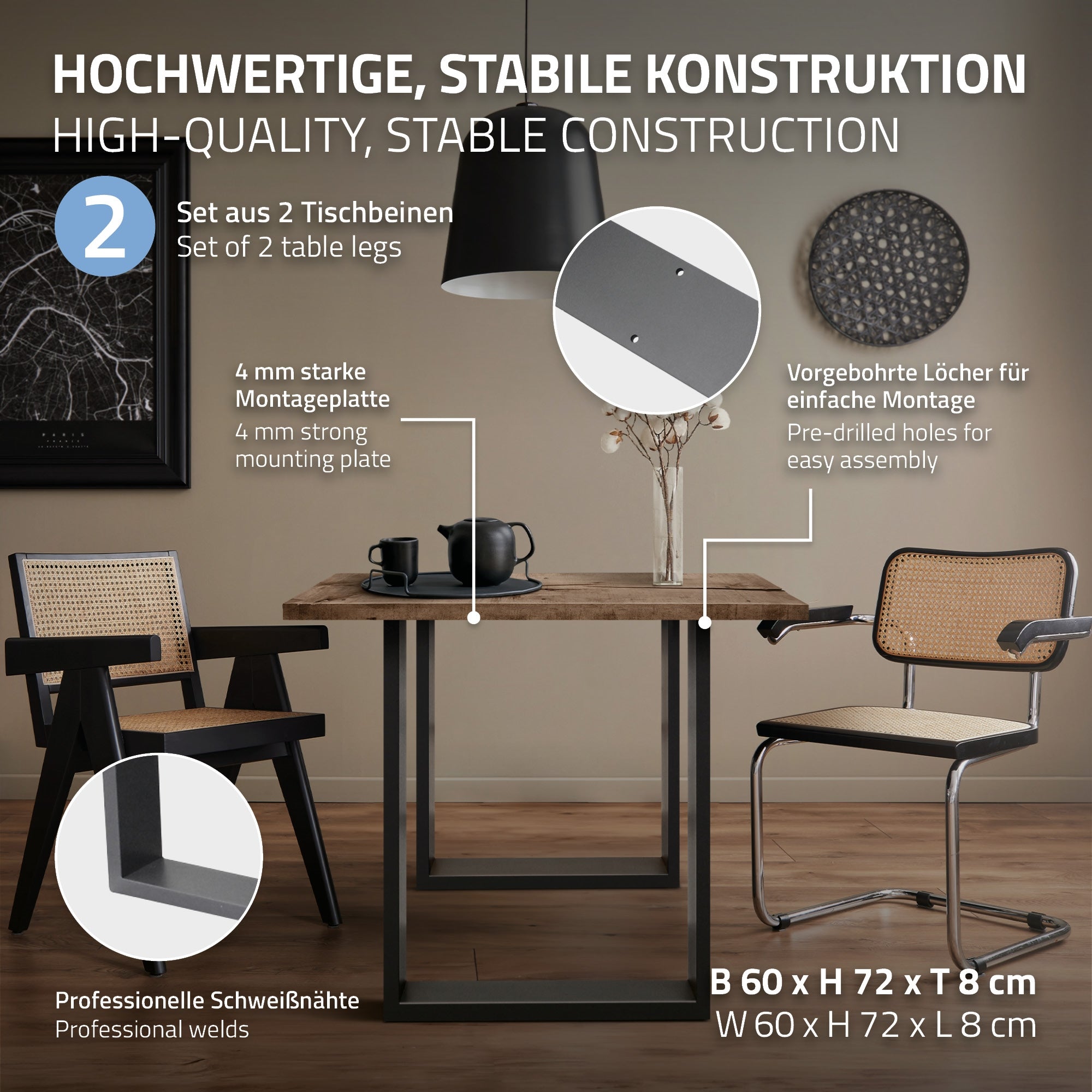
U-, X-, and A-shaped metal frames are among the particularly stable variants. They offer a large support surface and can safely support heavy tabletops. At the same time, they give your piece of furniture a modern industrial look and are particularly well-suited for large dining tables, desks, and solid wood tops.
Hairpin legs
Hairpin legs are delicate metal legs that are particularly popular for DIY furniture. Their slim construction gives them a light, modern, and minimalist appearance. They are ideal for small tables, side tables, consoles, and creative furniture projects.
Spider and cross frames
Spider and cross frames are particularly interesting for larger tabletops. Their construction distributes the load over a larger area and provides a stable base. Especially for large dining tables or heavy solid wood tops, these frames can offer a good combination of stability and striking design.
Properly plan dimensions, height & proportions
To ensure your finished table is comfortable to use, you should consider the height of the table legs and the thickness of the tabletop together. The right height also depends on whether you want to build a dining table, desk, coffee table, or side table. The proportions between the tabletop and the frame also influence the appearance and stability of the finished piece of furniture.
- Dining table: approx. 74–76 cm total height
- Desk: approx. 72–75 cm total height
- Coffee table: approx. 40–50 cm total height
- Side table: approx. 45–60 cm total height
Keep in mind that the specified height of the table legs does not automatically correspond to the later total height of the table. The thickness of your tabletop adds to the height of the table legs. At ML-Design, you will find table legs in various sizes, allowing you to choose suitable solutions for small side tables as well as large family tables.
What makes good table legs
High-quality metal table legs differ mainly in material quality, workmanship, construction, and load capacity. The table legs from ML-Design are made of robust 1 mm thick construction steel and feature a stable profile. This results in high inherent stiffness and a load-bearing base for various furniture projects.
- made from 1 mm thick construction steel
- stable profile for high inherent stiffness
- load capacity of approx. 200 kg
- suitable for heavy wood or stone tops
- stable and low-vibration construction
- durable and load-bearing in everyday use
Powder coating & surfaces
The surface affects both the appearance and the durability of the table legs. A high-quality powder coating provides a modern surface and protects the metal from everyday stresses. At the same time, the surface can be easily cleaned and maintained.
- Protection against rust and moisture
- high resistance to scratches
- modern matte look
- easy-care surface
- durable coating
Buying criteria for table legs & metal frames
When buying table legs, you should ensure that the chosen model matches your tabletop and the intended use. Especially with large and heavy tabletops, material thickness, construction, and load capacity are crucial.
- Load capacity suitable for the tabletop
- Material thickness and steel quality
- Frame shape suitable for the intended use
- high-quality workmanship
- stable attachment points
- high-quality powder coating
- suitable height and size
- easy assembly
DIY table legs
With modern DIY table legs, you can create individual pieces of furniture yourself without needing complicated custom manufacturing. The combination of a custom tabletop and a stable metal frame is particularly popular. This way, you can determine the size, material, and design of your table yourself and, for example, build a dining table, desk, or coffee table in industrial style.
The typical process – how to easily build your own table
Building a DIY table can be implemented relatively easily with a suitable tabletop and appropriate table legs. It is crucial that you choose the table legs according to the size and weight of the tabletop and prepare the assembly carefully.
- Select a suitable tabletop
- Check the size, weight, material, and design of the tabletop
- Position the table legs on the underside of the tabletop
- Observe even spacing and a stable arrangement
- Carefully mark the attachment points
- Select screw length according to the thickness of the tabletop
- Tightly screw the table legs
- Set up the table, align it, and check stability
Assembly – quick, easy, and safe
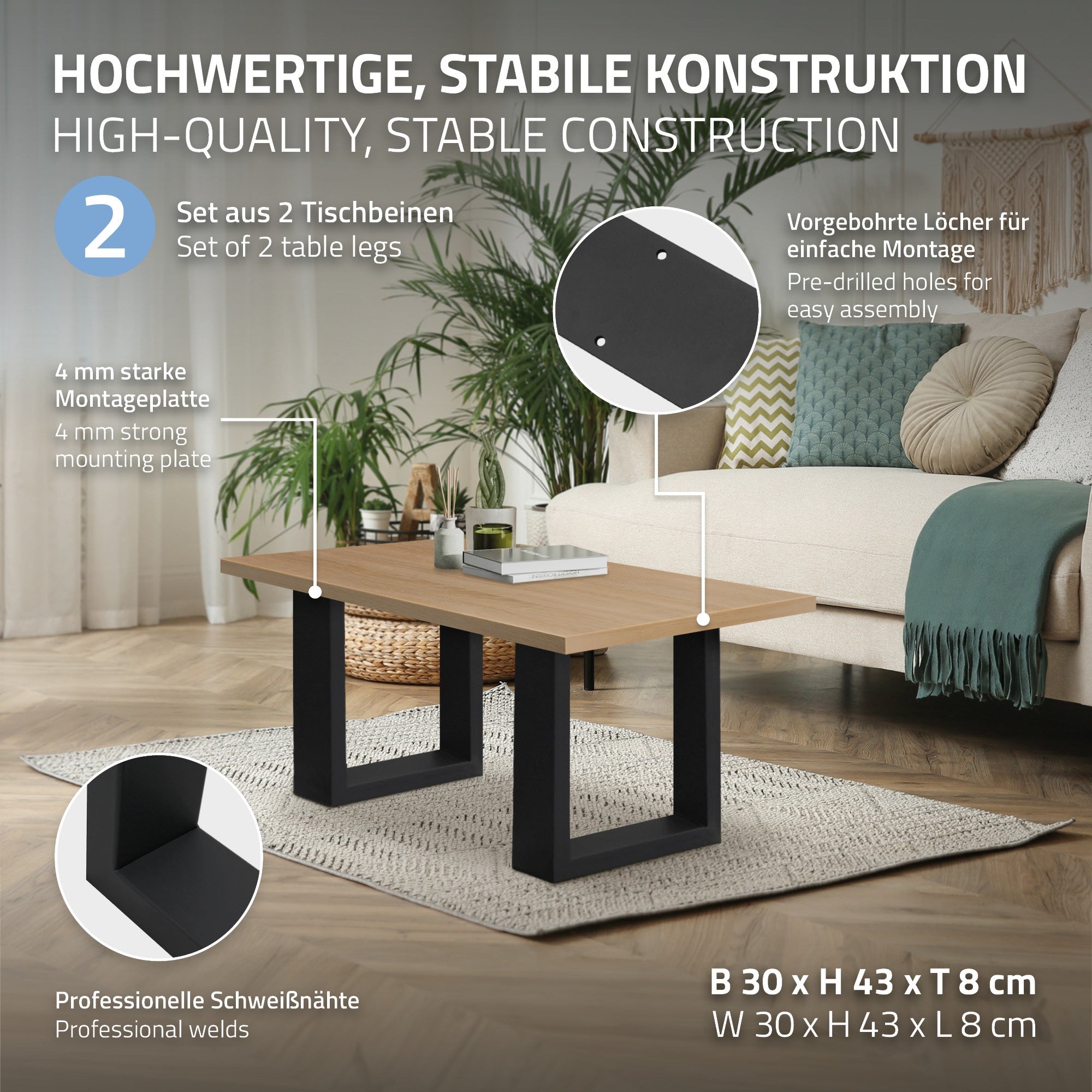
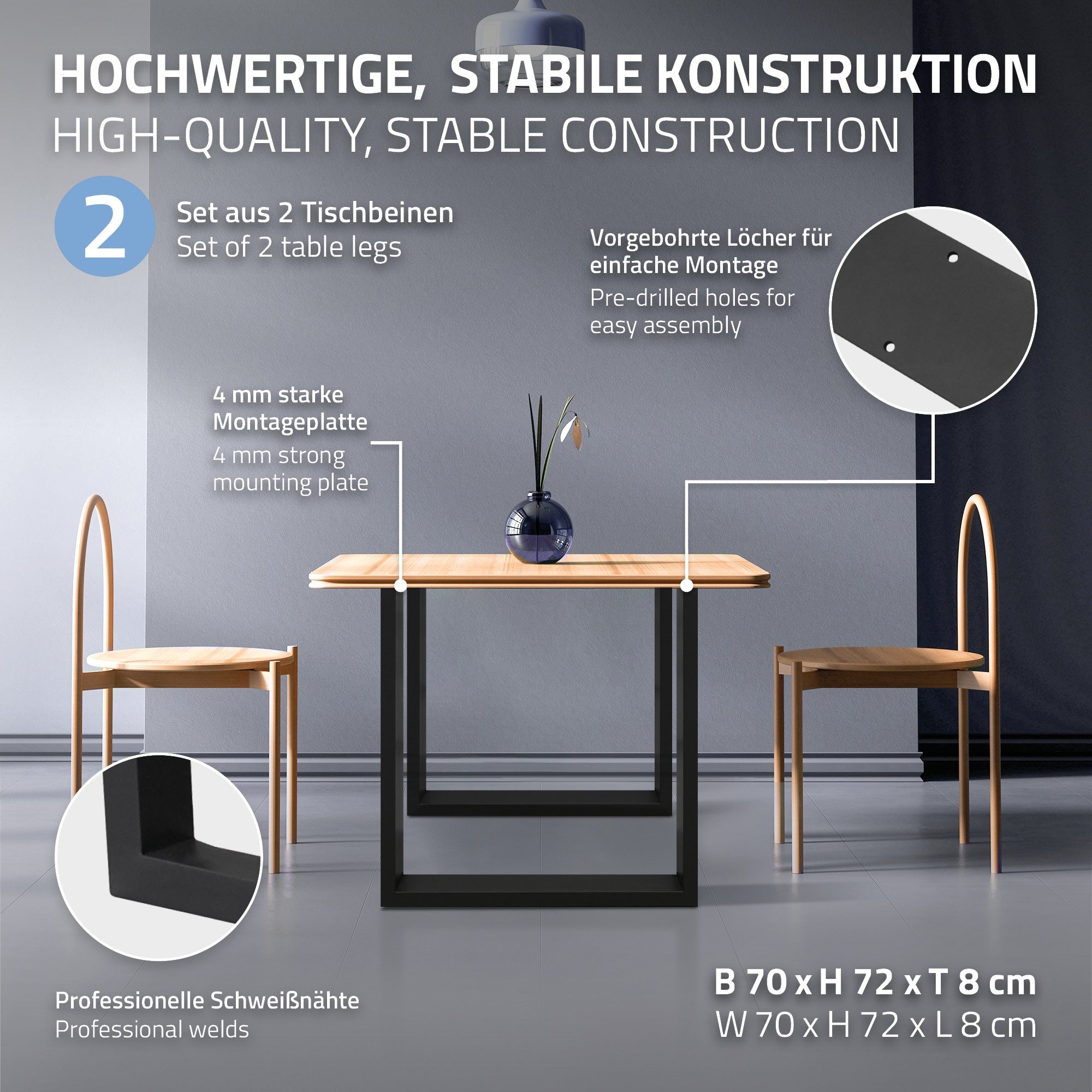
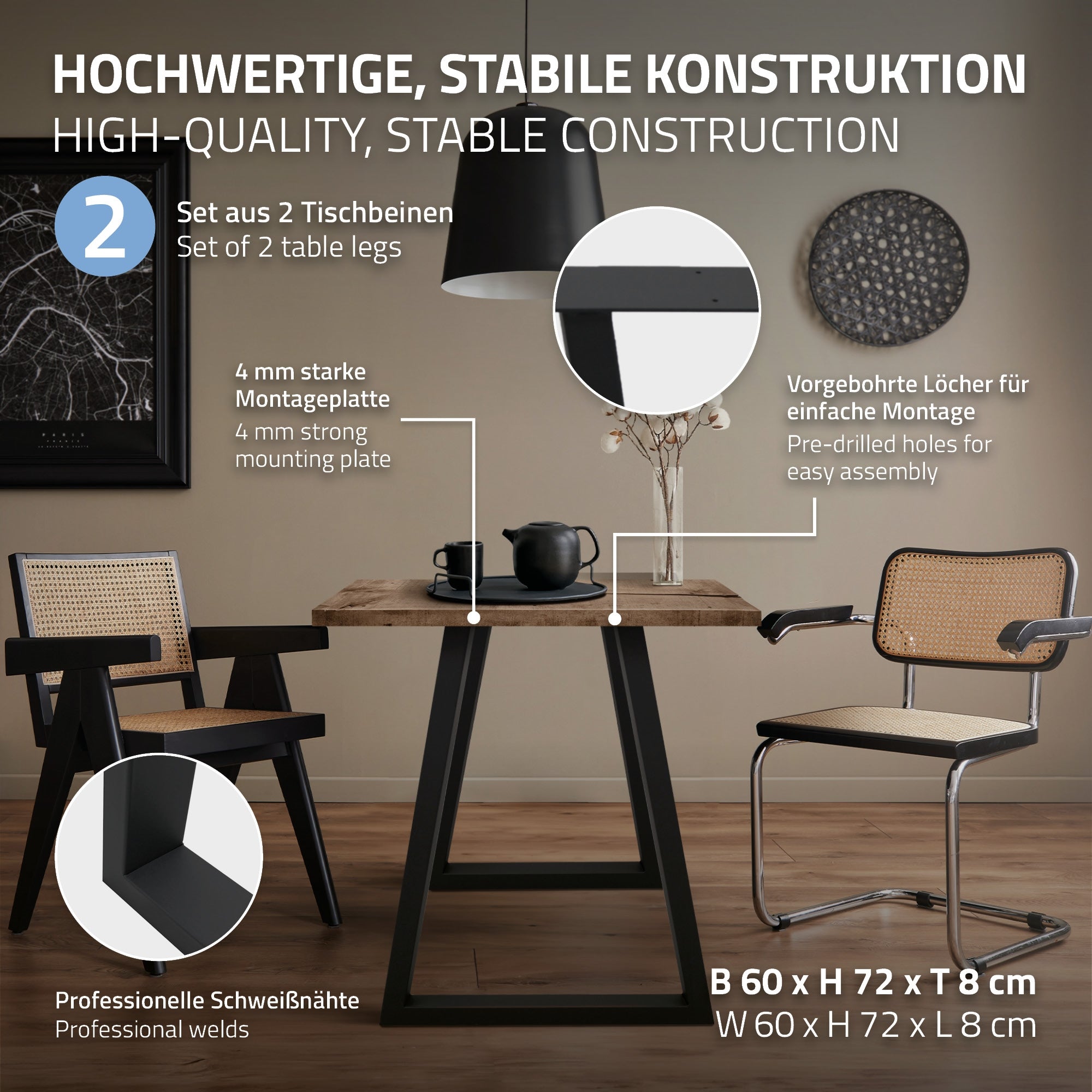
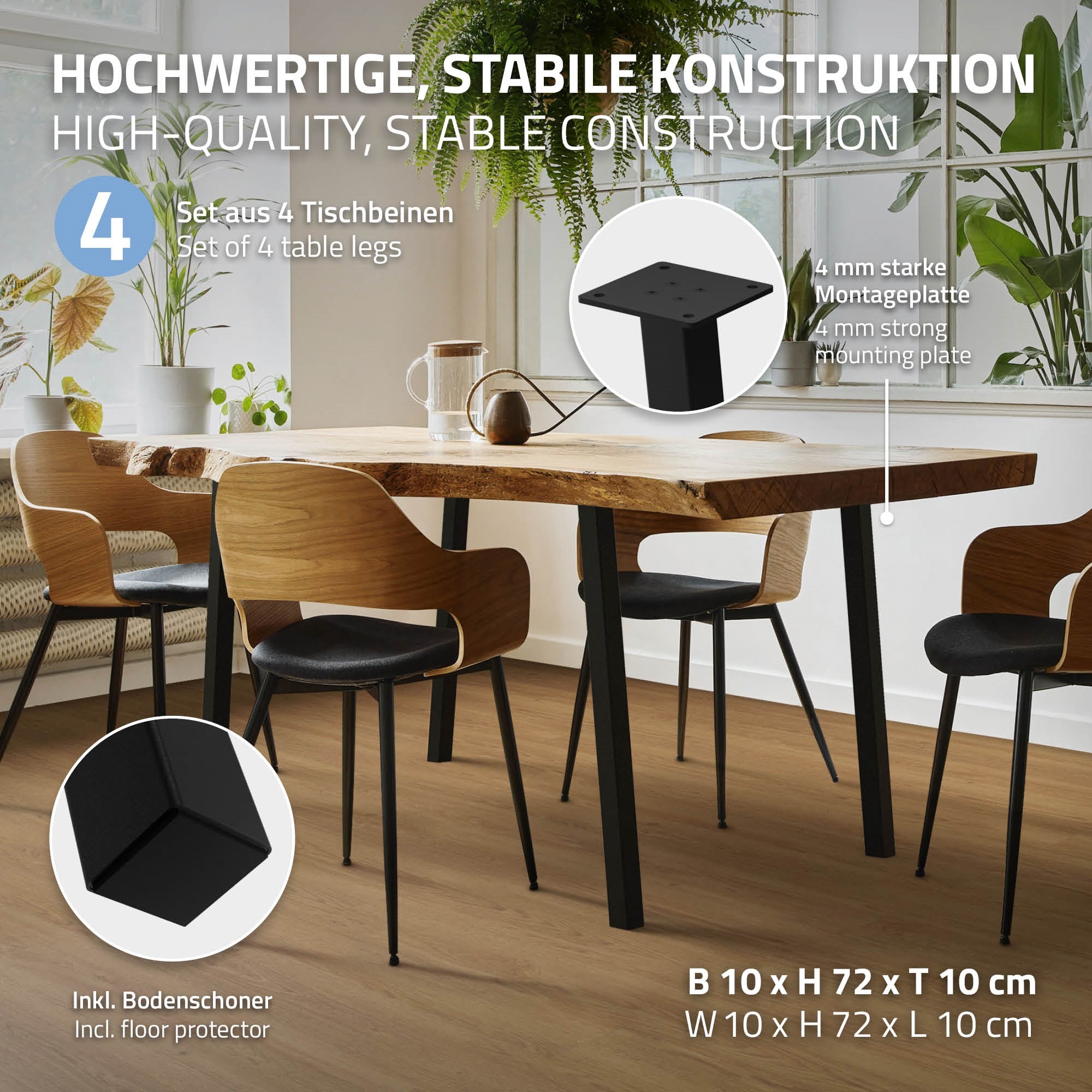
Modern table legs are designed so that assembly is possible even without a professional workshop. Pre-drilled mounting holes and wide mounting plates facilitate attachment and ensure even load distribution. This allows you to implement your DIY project quickly and cleanly.
- pre-drilled mounting holes
- simple screwing
- wide mounting plates
- quick installation
- suitable for various tabletops
- Floor gliders to protect the floor
Color choice & customization
With different colors, you can optimally adapt the table frame to your tabletop and your personal living style. Especially metal frames in black, white, or anthracite can be combined in various ways and are suitable for both modern and industrial furnishing concepts.
- Matte black – modern and industrial
- Powder-coated white – clean and minimalist
- Anthracite – elegant and timeless
- Raw steel look – rustic and striking
Price factors for table legs & table frames
The prices for table legs and table frames made of metal can vary depending on material, size, construction, and processing. Key factors include the steel thickness used, the frame shape, the surface coating, and the maximum load capacity. Especially for furniture that is used daily, it is worthwhile to pay attention to a stable and durable construction.
- Material quality and steel thickness
- Processing and welding quality
- Frame shape and construction
- Surface coating
- Load capacity and load limit
- Design and size
Material comparison – why construction steel is a good choice
The material of the table legs affects the stability, safety, and lifespan of the finished table. Construction steel offers high load capacity and is therefore particularly suitable for dining tables, desks, workbenches, and other furniture with higher weight. The table legs from ML-Design use 1 mm thick construction steel and combine it with stable profiles for a robust construction.
Solid construction steel – stable, safe, and durable
Construction steel is designed for robust constructions and offers a good combination of stability and durability. For table legs, a sufficiently stable construction is particularly important to ensure that the tabletop is safely supported and that the frame remains shape-stable even with regular use.
- high load capacity
- suitable for heavy solid wood tops
- high stability
- durable with regular use
- suitable for large dining tables, workbenches, and desks
Thin sheet metal or lightweight metal
Very thin materials may be light and inexpensive, but they do not offer the same stability reserves under high loads as a suitably designed steel construction. Therefore, for heavy tabletops, attention should be paid to a sufficiently stable material thickness and construction.
Aluminum
Aluminum is lightweight and corrosion-resistant, but it has different material properties than steel. For large and heavy tabletops, a suitably sized steel construction may therefore be the better choice when high stability is a priority.
Hollow profiles with low wall thickness
Hollow profiles can enable a lightweight construction, but they should be carefully considered in terms of material thickness, profile size, and load-bearing capacity. For heavy furniture, a sufficiently sized construction is crucial to ensure that the table frame remains permanently stable.
Wooden table legs
Wooden table legs can be visually very appealing and fit perfectly with natural interior concepts. However, for large and heavy tabletops, metal frames can offer advantages in terms of stability and load-bearing capacity. Which variant is suitable depends on the respective furniture project and the tabletop.
Why construction steel is a strong base for your table
Construction steel combines high stability with a durable and robust construction. Therefore, the material is particularly suitable for DIY tables where heavy tabletops need to be securely supported. At the same time, metal frames can be implemented in various shapes and designs, making them adaptable to many furniture styles.
Important tip – not every table leg fits every table
Even though DIY table legs can be used in various ways, the table leg and tabletop must always be coordinated with each other. The weight and size of the tabletop play a particularly important role. For small and lightweight furniture, delicate table legs may suffice, while large dining tables, heavy solid wood tops, or workbenches require a correspondingly stable table frame.
- Check the load capacity of the table frame
- Consider the weight of the tabletop
- Pay attention to the size and thickness of the tabletop
- Choose the frame shape suitable for the intended use
- Choose a particularly stable construction for heavy tops
FAQ – Frequently asked questions about table legs & table frames
The most important questions regarding the selection, assembly, and use of table legs can be answered quickly. It is always crucial that the tabletop, frame, and intended use match.
Which table legs are the most stable?
Particularly stable variants are solid table frames made of steel, for example in X, U, or spider shape. They are well suited for larger and heavier tabletops and can provide high stability.
How easy is the assembly?
The assembly is uncomplicated for many modern table legs. Pre-drilled holes and clearly defined attachment points make it easier to screw them to the tabletop. Before assembly, you should check the positioning and the appropriate screw length.
What is the ideal table height?
For dining tables, a comfortable overall height is often around 74 to 76 cm, while desks usually range from about 72 to 75 cm. The combination of leg height, tabletop thickness, and your personal seating position is crucial.
Can table legs be combined flexibly?
Yes, DIY table legs are specifically designed to be combined with different tabletops. Depending on the model, solid wood, MDF, wood-based materials, or other suitable tabletops can be used. It is important that load capacity, attachment, and dimensions match.
Conclusion – The perfect foundation for your DIY furniture project
Whether metal table legs, a sturdy table frame, or flexible DIY table legs – the right foundation significantly influences the stability, appearance, and lifespan of your table. With table legs from ML-Design, you can implement individual furniture projects and combine tabletops to match your personal style. Robust materials, durable powder coatings, high load capacity, and uncomplicated assembly make the table frames a practical basis for small side tables as well as large dining tables, desks, and workbenches.















Metal table legs & table frames – the stable base for your DIY table
Whether dining table, desk, workbench, coffee table, or side table – high-quality metal table legs and frames provide stability, safety, and a long lifespan. Especially in the DIY sector, robust DIY table legs give you the opportunity to create individual furniture pieces yourself and combine your own tabletop with a suitable metal frame. Especially with heavy solid wood tops or large dining tables, a stable table frame is not just a design question, but an important quality feature.
Why high-quality table legs determine your entire table
The base of a table largely determines how stable, load-bearing, and durable the finished piece of furniture is. High-quality metal table legs can safely support heavy tabletops while also providing a modern look. With the right table legs from ML-Design, you can plan your furniture individually and combine different tabletops, sizes, and living styles.
Shapes & designs of table legs and frames
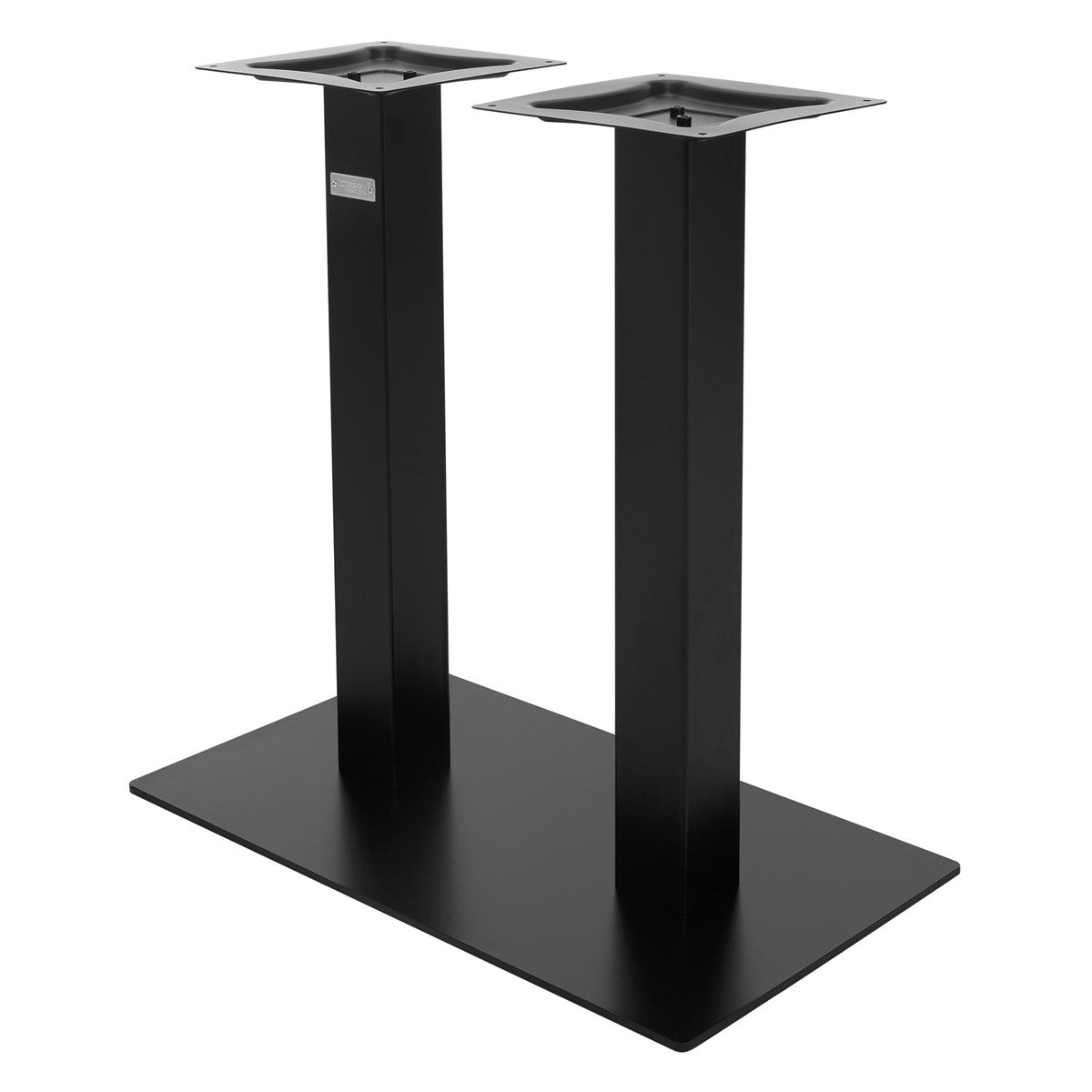
Modern metal table legs come in numerous shapes and designs. Depending on the table size, application area, and desired design, you can choose between classic straight table legs, U-, X-, and A-frames, as well as delicate hairpin legs or sturdy spider and cross frames.
Classic straight table legs
Straight table legs appear simple, timeless, and versatile. They are excellent for kitchen, writing, and dining tables and can be combined with a variety of tabletops. Models with height adjustment are particularly practical if you want to adjust the table height individually.
U-, X-, and A-frames
U-, X-, and A-shaped metal frames are among the particularly stable variants. They offer a large support surface and can safely support heavy tabletops. At the same time, they give your piece of furniture a modern industrial look and are particularly well-suited for large dining tables, desks, and solid wood tops.
Hairpin legs
Hairpin legs are delicate metal legs that are particularly popular for DIY furniture. Their slim construction gives them a light, modern, and minimalist appearance. They are ideal for small tables, side tables, consoles, and creative furniture projects.
Spider and cross frames
Spider and cross frames are particularly interesting for larger tabletops. Their construction distributes the load over a larger area and provides a stable base. Especially for large dining tables or heavy solid wood tops, these frames can offer a good combination of stability and striking design.
Properly plan dimensions, height & proportions
To ensure your finished table is comfortable to use, you should consider the height of the table legs and the thickness of the tabletop together. The right height also depends on whether you want to build a dining table, desk, coffee table, or side table. The proportions between the tabletop and the frame also influence the appearance and stability of the finished piece of furniture.
- Dining table: approx. 74–76 cm total height
- Desk: approx. 72–75 cm total height
- Coffee table: approx. 40–50 cm total height
- Side table: approx. 45–60 cm total height
Keep in mind that the specified height of the table legs does not automatically correspond to the later total height of the table. The thickness of your tabletop adds to the height of the table legs. At ML-Design, you will find table legs in various sizes, allowing you to choose suitable solutions for small side tables as well as large family tables.
What makes good table legs
High-quality metal table legs differ mainly in material quality, workmanship, construction, and load capacity. The table legs from ML-Design are made of robust 1 mm thick construction steel and feature a stable profile. This results in high inherent stiffness and a load-bearing base for various furniture projects.
- made from 1 mm thick construction steel
- stable profile for high inherent stiffness
- load capacity of approx. 200 kg
- suitable for heavy wood or stone tops
- stable and low-vibration construction
- durable and load-bearing in everyday use
Powder coating & surfaces
The surface affects both the appearance and the durability of the table legs. A high-quality powder coating provides a modern surface and protects the metal from everyday stresses. At the same time, the surface can be easily cleaned and maintained.
- Protection against rust and moisture
- high resistance to scratches
- modern matte look
- easy-care surface
- durable coating
Buying criteria for table legs & metal frames
When buying table legs, you should ensure that the chosen model matches your tabletop and the intended use. Especially with large and heavy tabletops, material thickness, construction, and load capacity are crucial.
- Load capacity suitable for the tabletop
- Material thickness and steel quality
- Frame shape suitable for the intended use
- high-quality workmanship
- stable attachment points
- high-quality powder coating
- suitable height and size
- easy assembly
DIY table legs
With modern DIY table legs, you can create individual pieces of furniture yourself without needing complicated custom manufacturing. The combination of a custom tabletop and a stable metal frame is particularly popular. This way, you can determine the size, material, and design of your table yourself and, for example, build a dining table, desk, or coffee table in industrial style.
The typical process – how to easily build your own table
Building a DIY table can be implemented relatively easily with a suitable tabletop and appropriate table legs. It is crucial that you choose the table legs according to the size and weight of the tabletop and prepare the assembly carefully.
- Select a suitable tabletop
- Check the size, weight, material, and design of the tabletop
- Position the table legs on the underside of the tabletop
- Observe even spacing and a stable arrangement
- Carefully mark the attachment points
- Select screw length according to the thickness of the tabletop
- Tightly screw the table legs
- Set up the table, align it, and check stability
Assembly – quick, easy, and safe
Modern table legs are designed so that assembly is possible even without a professional workshop. Pre-drilled mounting holes and wide mounting plates facilitate attachment and ensure even load distribution. This allows you to implement your DIY project quickly and cleanly.
- pre-drilled mounting holes
- simple screwing
- wide mounting plates
- quick installation
- suitable for various tabletops
- Floor gliders to protect the floor
Color choice & customization
With different colors, you can optimally adapt the table frame to your tabletop and your personal living style. Especially metal frames in black, white, or anthracite can be combined in various ways and are suitable for both modern and industrial furnishing concepts.
- Matte black – modern and industrial
- Powder-coated white – clean and minimalist
- Anthracite – elegant and timeless
- Raw steel look – rustic and striking
Price factors for table legs & table frames
The prices for table legs and table frames made of metal can vary depending on material, size, construction, and processing. Key factors include the steel thickness used, the frame shape, the surface coating, and the maximum load capacity. Especially for furniture that is used daily, it is worthwhile to pay attention to a stable and durable construction.
- Material quality and steel thickness
- Processing and welding quality
- Frame shape and construction
- Surface coating
- Load capacity and load limit
- Design and size
Material comparison – why construction steel is a good choice
The material of the table legs affects the stability, safety, and lifespan of the finished table. Construction steel offers high load capacity and is therefore particularly suitable for dining tables, desks, workbenches, and other furniture with higher weight. The table legs from ML-Design use 1 mm thick construction steel and combine it with stable profiles for a robust construction.
Solid construction steel – stable, safe, and durable
Construction steel is designed for robust constructions and offers a good combination of stability and durability. For table legs, a sufficiently stable construction is particularly important to ensure that the tabletop is safely supported and that the frame remains shape-stable even with regular use.
- high load capacity
- suitable for heavy solid wood tops
- high stability
- durable with regular use
- suitable for large dining tables, workbenches, and desks
Thin sheet metal or lightweight metal
Very thin materials may be light and inexpensive, but they do not offer the same stability reserves under high loads as a suitably designed steel construction. Therefore, for heavy tabletops, attention should be paid to a sufficiently stable material thickness and construction.
Aluminum
Aluminum is lightweight and corrosion-resistant, but it has different material properties than steel. For large and heavy tabletops, a suitably sized steel construction may therefore be the better choice when high stability is a priority.
Hollow profiles with low wall thickness
Hollow profiles can enable a lightweight construction, but they should be carefully considered in terms of material thickness, profile size, and load-bearing capacity. For heavy furniture, a sufficiently sized construction is crucial to ensure that the table frame remains permanently stable.
Wooden table legs
Wooden table legs can be visually very appealing and fit perfectly with natural interior concepts. However, for large and heavy tabletops, metal frames can offer advantages in terms of stability and load-bearing capacity. Which variant is suitable depends on the respective furniture project and the tabletop.
Why construction steel is a strong base for your table
Construction steel combines high stability with a durable and robust construction. Therefore, the material is particularly suitable for DIY tables where heavy tabletops need to be securely supported. At the same time, metal frames can be implemented in various shapes and designs, making them adaptable to many furniture styles.
Important tip – not every table leg fits every table
Even though DIY table legs can be used in various ways, the table leg and tabletop must always be coordinated with each other. The weight and size of the tabletop play a particularly important role. For small and lightweight furniture, delicate table legs may suffice, while large dining tables, heavy solid wood tops, or workbenches require a correspondingly stable table frame.
- Check the load capacity of the table frame
- Consider the weight of the tabletop
- Pay attention to the size and thickness of the tabletop
- Choose the frame shape suitable for the intended use
- Choose a particularly stable construction for heavy tops
FAQ – Frequently asked questions about table legs & table frames
The most important questions regarding the selection, assembly, and use of table legs can be answered quickly. It is always crucial that the tabletop, frame, and intended use match.
Which table legs are the most stable?
Particularly stable variants are solid table frames made of steel, for example in X, U, or spider shape. They are well suited for larger and heavier tabletops and can provide high stability.
How easy is the assembly?
The assembly is uncomplicated for many modern table legs. Pre-drilled holes and clearly defined attachment points make it easier to screw them to the tabletop. Before assembly, you should check the positioning and the appropriate screw length.
What is the ideal table height?
For dining tables, a comfortable overall height is often around 74 to 76 cm, while desks usually range from about 72 to 75 cm. The combination of leg height, tabletop thickness, and your personal seating position is crucial.
Can table legs be combined flexibly?
Yes, DIY table legs are specifically designed to be combined with different tabletops. Depending on the model, solid wood, MDF, wood-based materials, or other suitable tabletops can be used. It is important that load capacity, attachment, and dimensions match.
Conclusion – The perfect foundation for your DIY furniture project
Whether metal table legs, a sturdy table frame, or flexible DIY table legs – the right foundation significantly influences the stability, appearance, and lifespan of your table. With table legs from ML-Design, you can implement individual furniture projects and combine tabletops to match your personal style. Robust materials, durable powder coatings, high load capacity, and uncomplicated assembly make the table frames a practical basis for small side tables as well as large dining tables, desks, and workbenches.
Find even more among our top sellers








Popular categories


