


Click & Glue Vinyl – modern vinyl flooring for every living area
Click vinyl and glue vinyl are among the popular floor coverings when a modern, easy-care, and durable floor is sought. Both variants offer a wide range of decors and can, for example, replicate the look of wood or stone. The main difference lies in the method of installation: Click vinyl is connected via a click system, while glue vinyl is fully adhered to the prepared substrate.
What is the difference between click vinyl and glue vinyl?
Click vinyl and glue vinyl differ mainly in their construction and installation method. Click vinyl has a connection at the edges and is installed as a floating floor, while glue vinyl is directly fixed to the substrate. Which variant is better suited depends, among other things, on the existing substrate, the desired appearance, the use of the room, and personal requirements for the installation.
- Click vinyl is installed as a floating floor without full adhesion
- Glue vinyl is directly connected to the substrate
- Click vinyl is often easier and quicker to install
- Glue vinyl allows for a particularly low installation height
- Glue vinyl lies firmly on the substrate and can therefore appear particularly dimensionally stable
- Both variants are available in numerous decors and designs
Click vinyl – easy and flexible to install

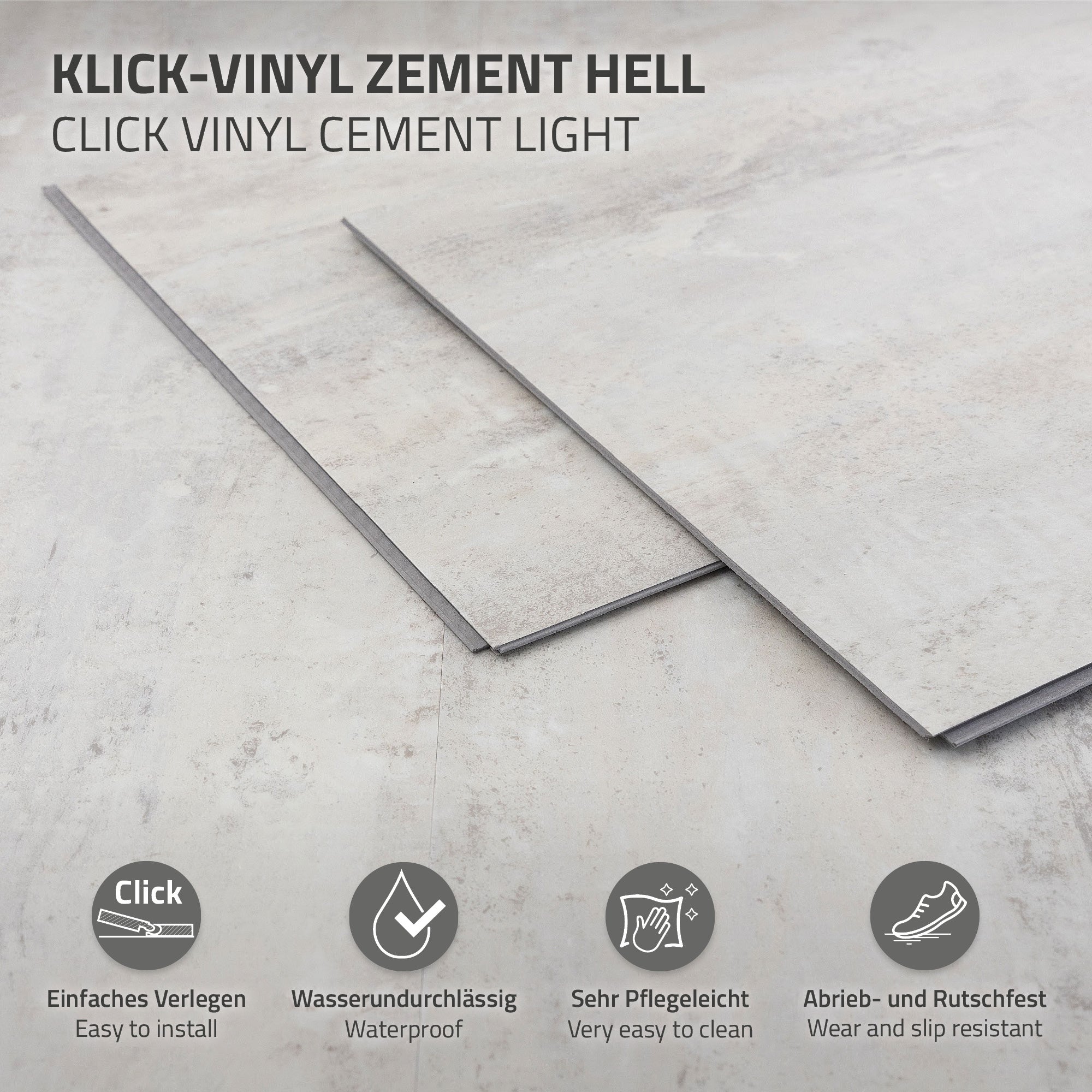
Click vinyl is particularly suitable for renovations where a floor should be installed as simply as possible. The individual elements are connected via a click system, so usually no additional adhesive is required. This makes click vinyl interesting for DIY enthusiasts who want to install their floor themselves.
- simple connection of the individual floor elements
- no full adhesion required
- comparatively quick installation
- well suited for renovations
- can be partially installed on existing substrates with suitable construction
- individual areas can be more easily removed depending on the construction
Glue vinyl – firmly connected to the substrate

Glue vinyl is fully adhered to the prepared substrate. This creates a solid connection between the flooring and the substrate. The low build height can be particularly interesting for renovations when, for example, doors, transitions, or existing connection heights need to be taken into account.
- full-surface connection with the substrate
- low build height possible
- calm and firm walking feeling
- interesting for heavily used areas
- well suited for a permanent flooring solution
- professional preparation and careful installation particularly important
Click vinyl or glue vinyl – which vinyl floor is better?
There is no blanket answer, as both variants offer different advantages. Click vinyl may be the right choice if easy and flexible installation is a priority. Glue vinyl, on the other hand, can be interesting if a low build height, a solid connection to the substrate, or a particularly durable installation is desired.
- Click vinyl: interesting for easy and flexible installation
- Click vinyl: often well suited for renovations and DIY enthusiasts
- Glue vinyl: interesting with low build height
- Glue vinyl: solid connection with the substrate
- Glue vinyl: careful substrate preparation particularly important
Which substrate is suitable for click and glue vinyl?
The substrate must generally be clean, dry, load-bearing, and sufficiently level. For click vinyl, depending on the product and construction, certain existing floor coverings may be suitable as a substrate. Glue vinyl usually has higher requirements for flatness, as unevenness can be more pronounced due to the thin flooring.
- load-bearing and stable substrate
- even surface
- clean and dry substrate
- no loose or damaged areas
- suitable preparation of joints and unevenness
- observe manufacturer specifications for the respective product
click vinyl and glue vinyl on screed
Screed can generally provide a suitable base for vinyl flooring, but it must be properly prepared and checked before installation. Key factors include flatness, strength, and residual moisture. Especially with glue vinyl, the screed should be carefully prepared to ensure that the flooring lies permanently and as evenly as possible.
Can vinyl flooring be installed on underfloor heating?

Vinyl flooring can generally be suitable for installation on underfloor heating, provided that the respective flooring is explicitly approved for this purpose. The manufacturer's specifications regarding maximum surface temperature, installation, and suitable heating systems must be adhered to. The entire floor structure also affects heat transfer.
- Check the approval of the vinyl flooring for underfloor heating
- observe manufacturer specifications for maximum temperature
- use suitable substrate and floor structure
- consider specifications for the commissioning of the heating
- observe thermal conductivity or thermal resistance of the floor structure
Vinyl flooring for living room, bedroom, and hallway

Vinyl flooring can be used in many living areas and offers numerous design options through different decors. In the living room, a wood decor can create a cozy atmosphere, while stone or concrete looks create a more modern character. Bedrooms and hallways can also be uniformly designed with vinyl flooring.
Vinyl flooring for kitchen and other high-traffic areas
In the kitchen and other more heavily used living areas, vinyl flooring can be interesting due to its easy-care and durable properties. However, the suitability of the specific product for the intended use must always be considered. In cases of moisture and standing water, the manufacturer's specifications should also be taken into account.
Is vinyl flooring waterproof?
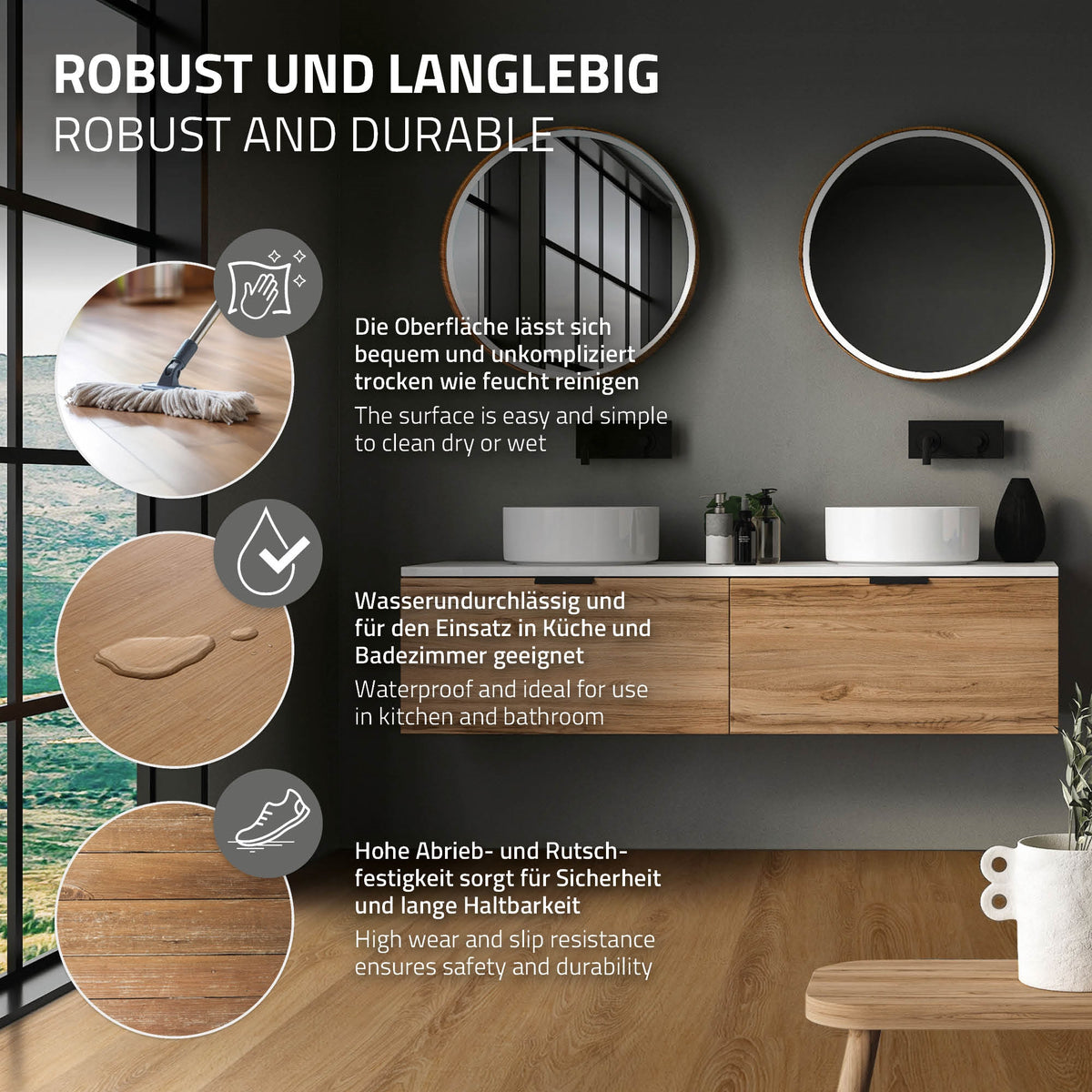
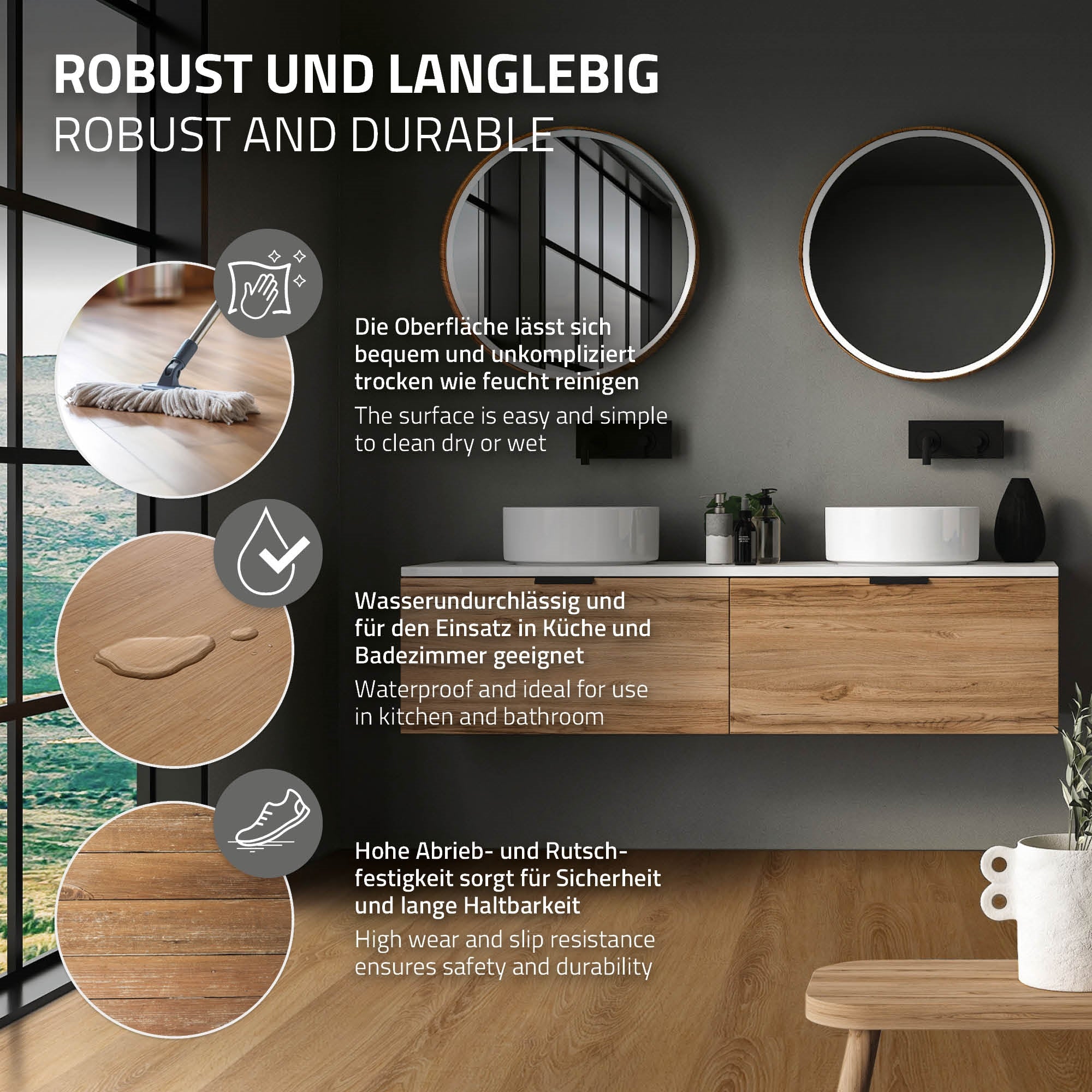
Many vinyl floors are resistant to moisture and can therefore also be used in areas where water occasionally reaches the floor. However, whether a specific product is actually suitable for wet rooms or can come into contact with water permanently depends on the respective construction and the manufacturer's specifications.
How to properly care for and clean vinyl flooring?
Vinyl flooring is generally easy to care for and can usually be cleaned in everyday life with a soft broom, vacuum cleaner, or slightly damp mop. For gentle cleaning, suitable cleaning agents should be used, and standing moisture should be avoided as much as possible. Aggressive or abrasive agents can damage the surface and should not be used without appropriate approval.
- regularly remove dust and dirt
- wipe with a damp cloth if necessary
- use suitable vinyl or floor cleaners
- avoid standing water
- avoid abrasive cleaning agents
- carefully remove tough stains
- follow the manufacturer's care instructions
How can you protect vinyl flooring from scratches?
Even a durable vinyl floor can be damaged by coarse dirt, sand, or heavy furniture. Felt pads under furniture can help prevent scratches. Additionally, coarse dirt should be removed as soon as possible to prevent small stones or other hard particles from being rubbed across the surface.
What designs are available for vinyl flooring?
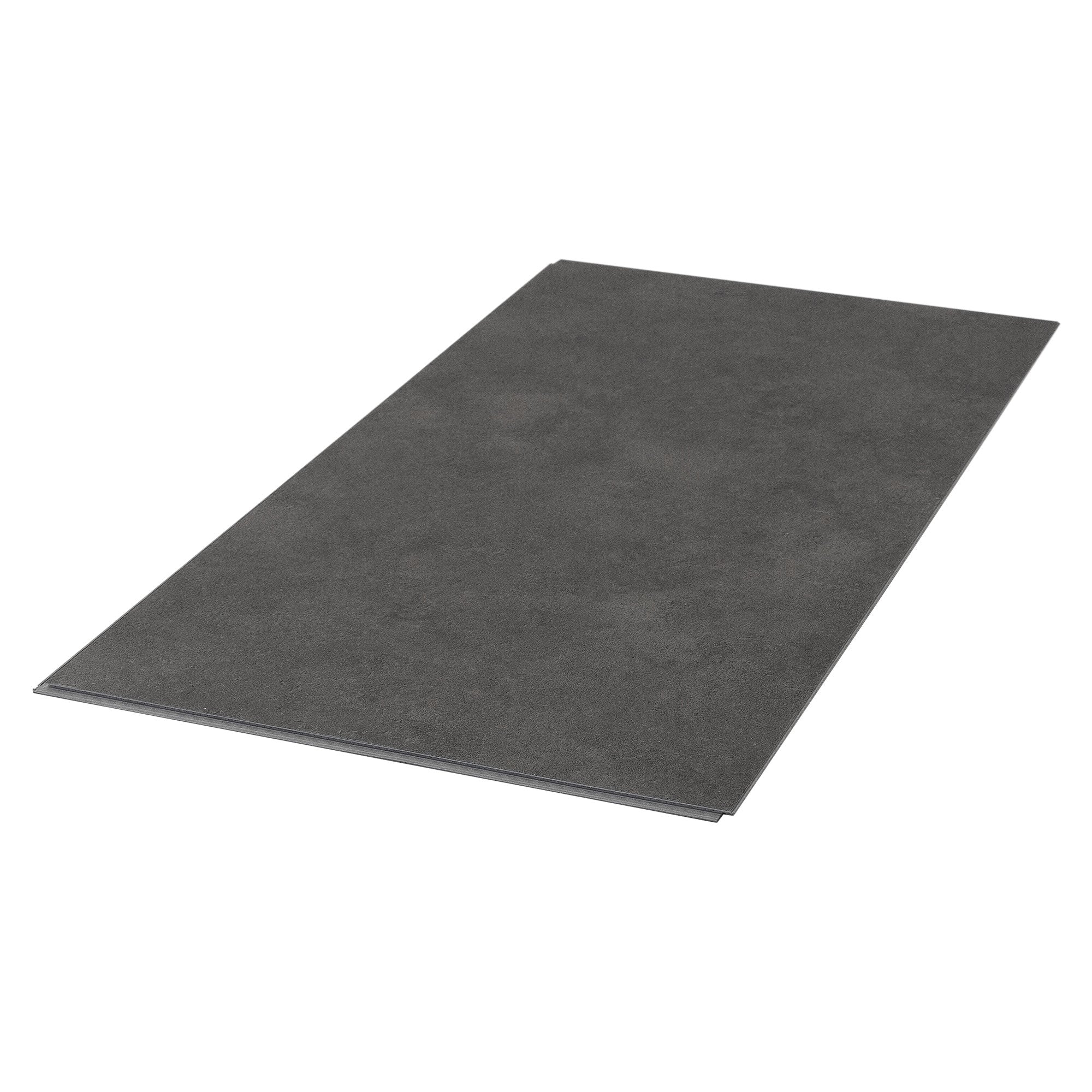
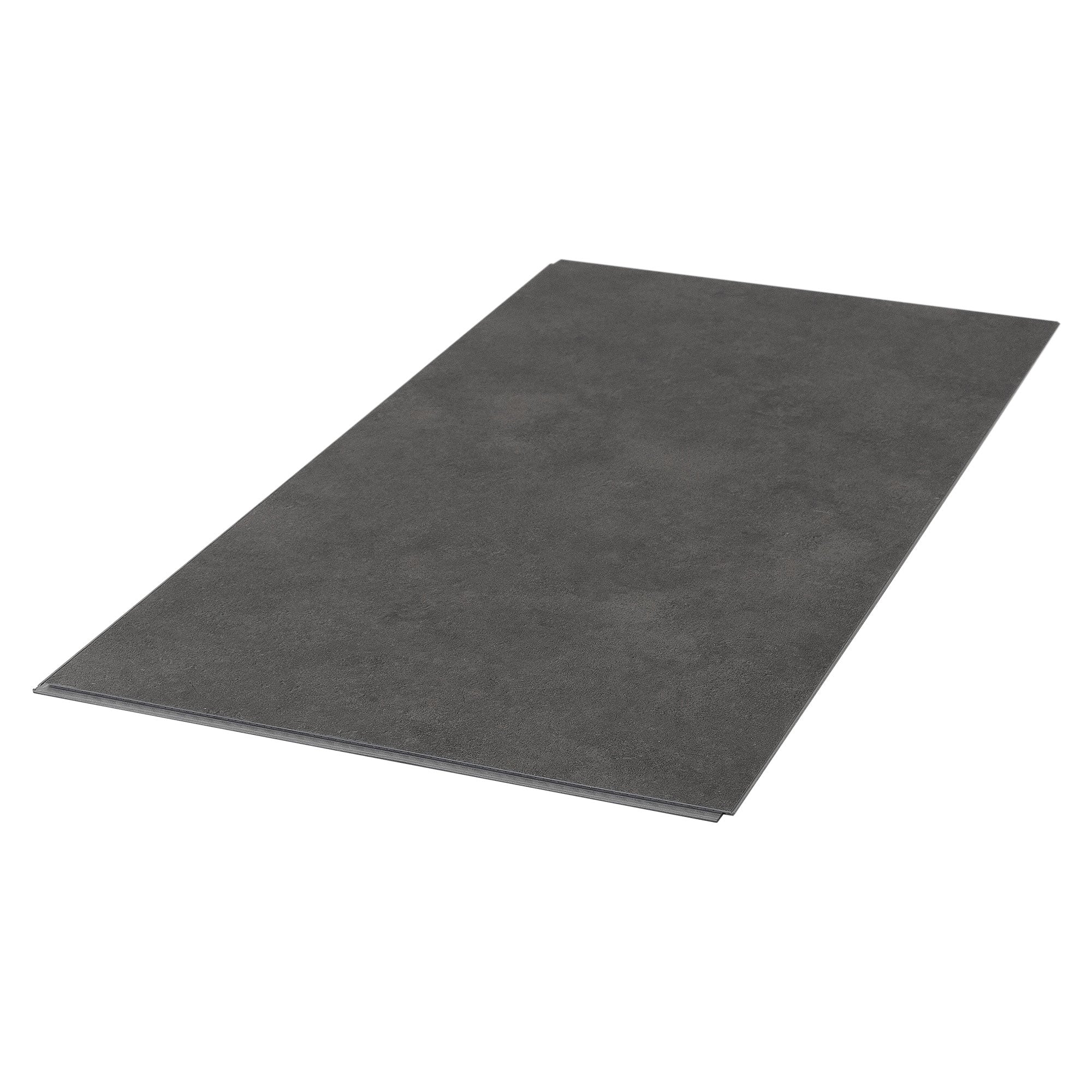
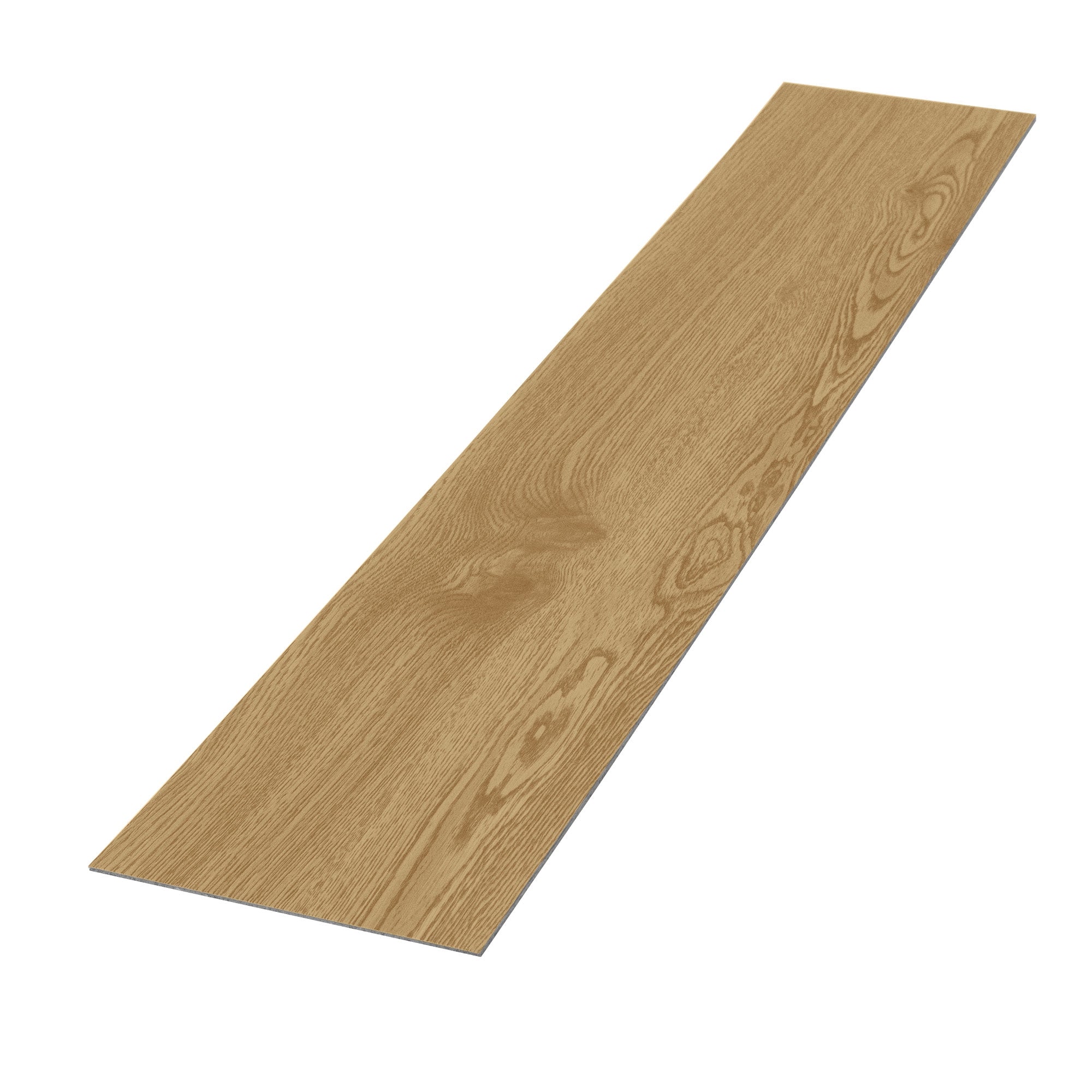
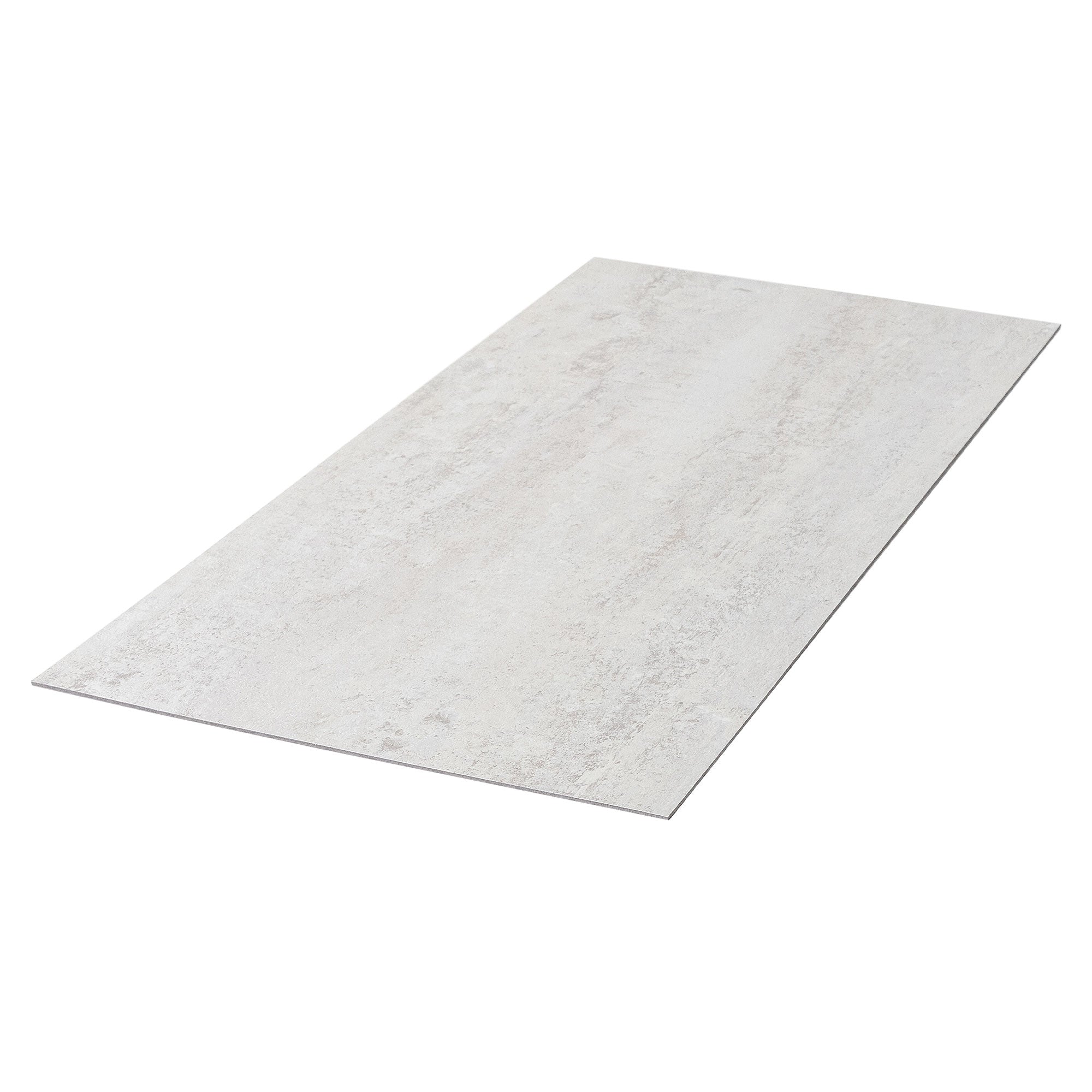
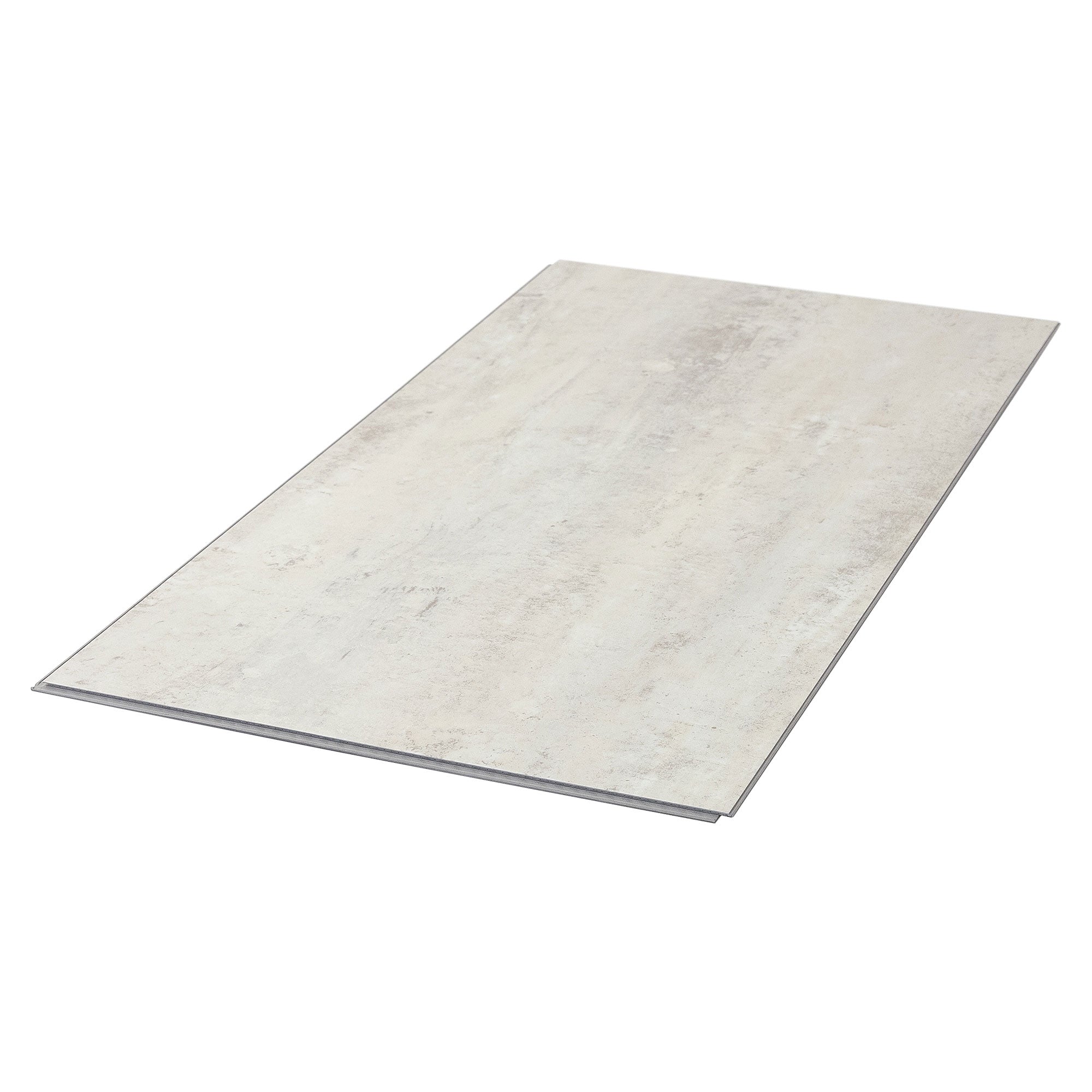
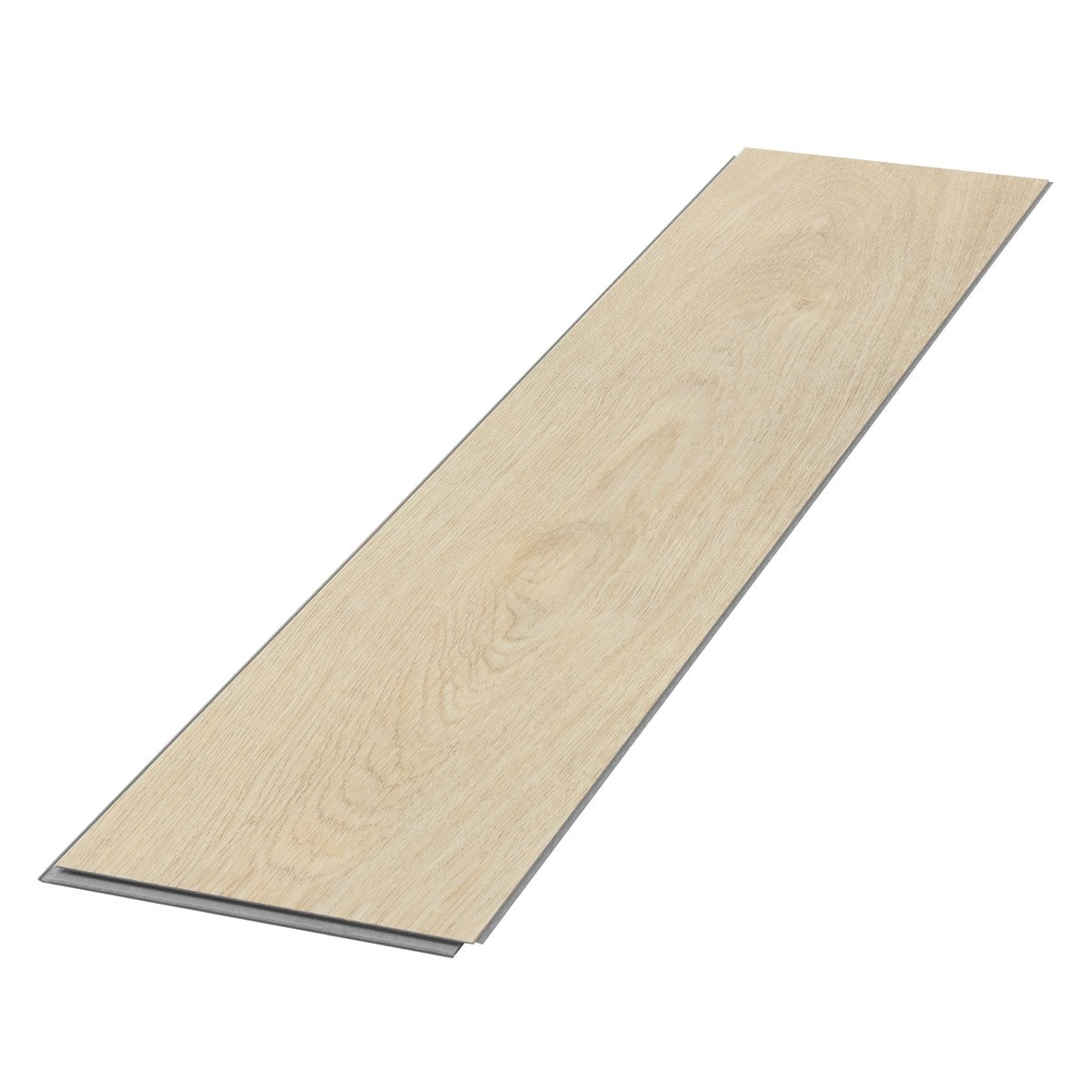
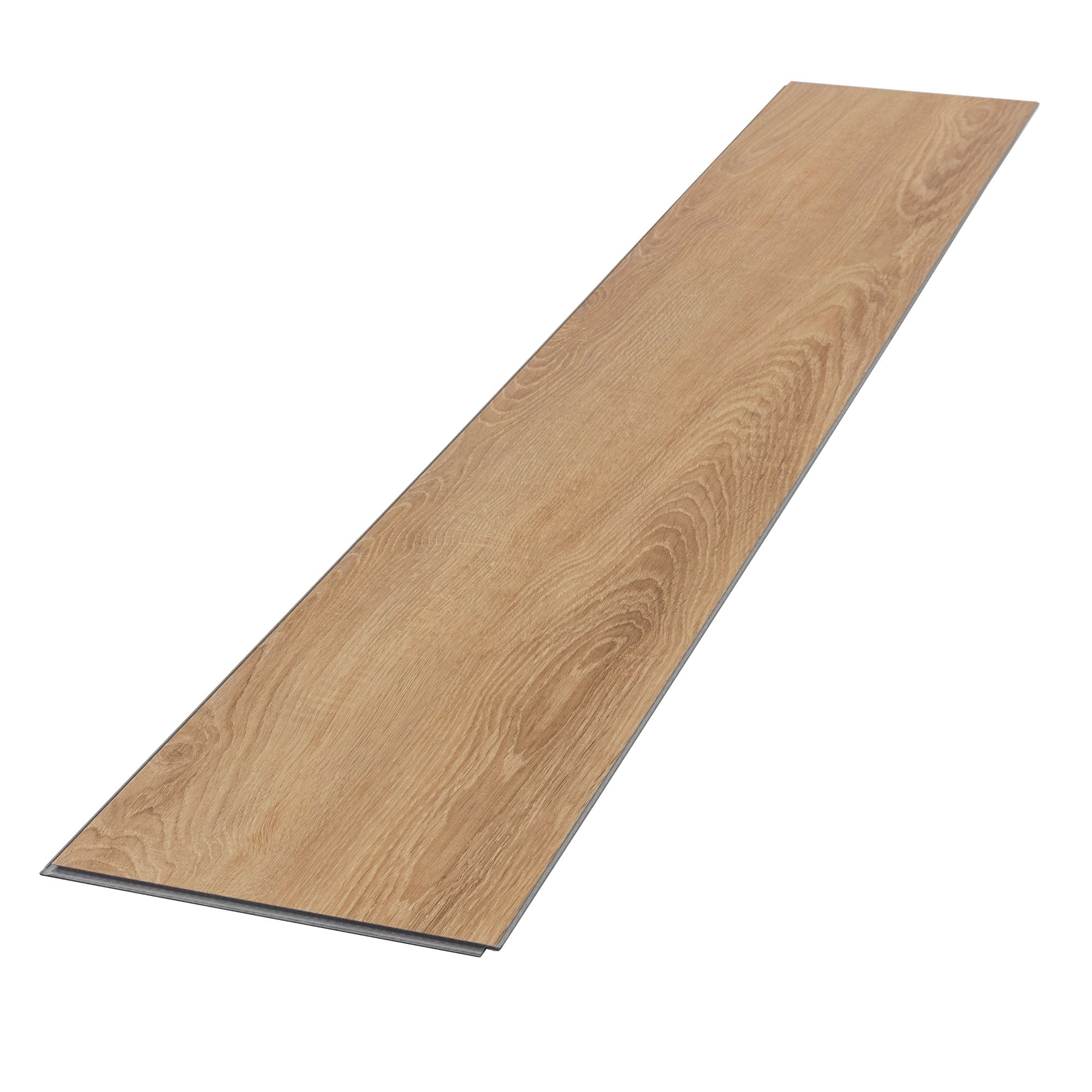
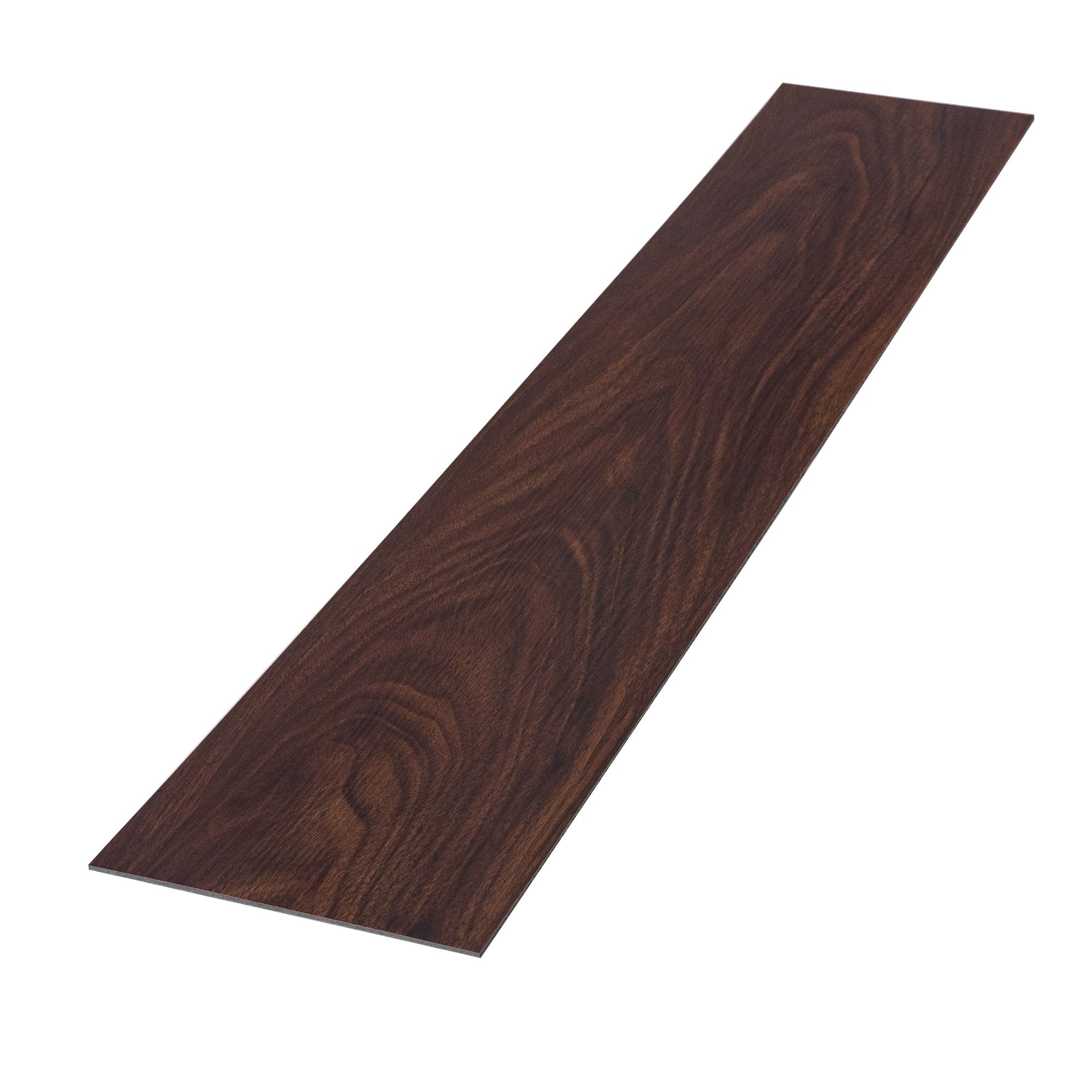
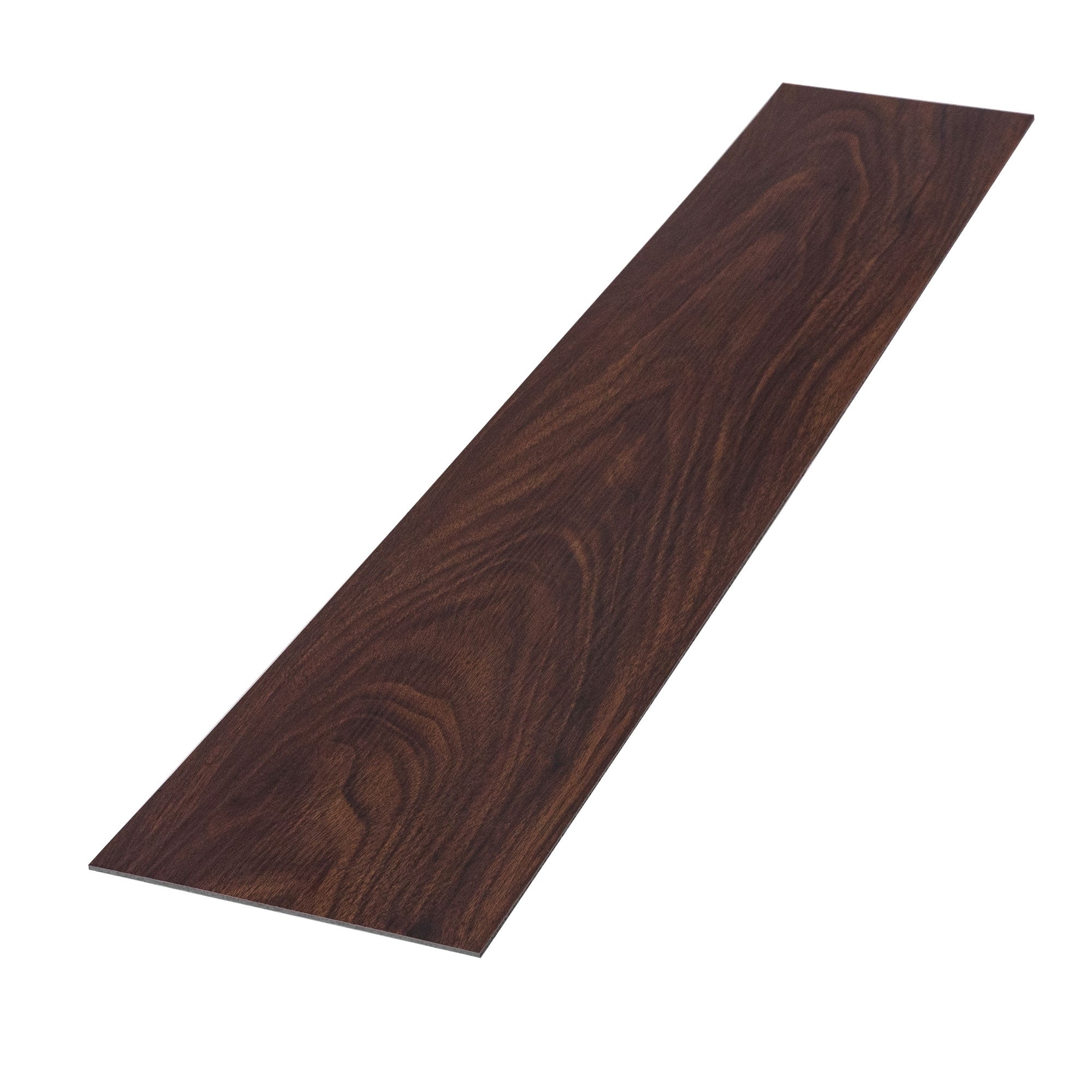
Vinyl flooring is available in numerous colors, patterns, and surfaces. Particularly popular are decors that replicate natural materials like wood or stone. This allows vinyl flooring to support the desired room effect without sacrificing the practical properties of a modern floor covering.
- wood look
- oak look
- stone look
- concrete look
- tile look
- subtle solid colors
- modern patterns and designs
What advantages does vinyl flooring offer?
Vinyl flooring combines a wide range of design options with practical properties for everyday use. Depending on the product, it can be durable, easy to care for, and moisture-resistant. Different installation methods also allow vinyl to be adapted to various renovation and living situations.
- large selection of decors
- low-maintenance surface
- pleasant walking experience
- high durability depending on the product
- numerous application possibilities
- various installation methods
- partially suitable for underfloor heating
- modern and realistic material optics
What are the possible disadvantages of vinyl flooring?
Vinyl flooring also has some points that should be considered before purchase, depending on the product and application area. The requirements for the subfloor can be particularly high for glue-down vinyl. In addition, the structure, load-bearing capacity, moisture suitability, and surface quality can vary significantly depending on the product.
- Subfloor must be sufficiently level and load-bearing
- Glue-down vinyl requires particularly careful preparation
- not every product is suitable for damp rooms or underfloor heating
- Quality and durability can vary depending on the product
- in case of damage, replacing individual areas can be more or less complicated depending on the installation method
What should you pay attention to when buying click and glue-down vinyl?
Before purchasing, it should first be clarified where the vinyl flooring will be installed and what requirements exist there. In addition to the desired appearance, installation method, structure, usage class, thickness, subfloor, moisture suitability, and compatibility with underfloor heating are important criteria.
- Installation method
- Dimensions and thickness
- Structure of the vinyl flooring
- Usage class
- Surface texture
- Decor and color
- Suitability for underfloor heating
- Suitability for damp rooms
- Requirements for the subfloor
- Maintenance effort
- Installation effort
- Price-performance ratio
How much vinyl flooring is needed?
Before ordering, the required floor area should be determined as accurately as possible. Additionally, it is advisable to plan for some waste, as material can be lost during cutting and adjusting the individual elements. How much reserve is sensible depends, among other things, on the shape of the room and the planned laying pattern.
Click & Glue Vinyl from ML-Design
With click and glue vinyl from ML-Design, living and utility areas can be designed with modern floor coverings in various decors. Depending on the desired laying method and application area, the different variants can meet different requirements for subfloor, installation, and use.
Conclusion: Find the right vinyl flooring for your needs
Click vinyl and glue vinyl each offer their own advantages and are suitable for different requirements. Click vinyl is particularly notable for its relatively simple and flexible installation, while glue vinyl can be interesting due to its firm connection with the subfloor and low build height. Therefore, the existing floor area, the subfloor, the application area, and the desired type of installation are crucial.
Discover click and glue vinyl from ML-Design now and find the right vinyl flooring for your renovation. Compare decors, properties, and laying methods, and design your rooms in a modern, low-maintenance way that meets your individual requirements.
















Click & Glue Vinyl – modern vinyl flooring for every living area
Click vinyl and glue vinyl are among the popular floor coverings when a modern, easy-care, and durable floor is sought. Both variants offer a wide range of decors and can, for example, replicate the look of wood or stone. The main difference lies in the method of installation: Click vinyl is connected via a click system, while glue vinyl is fully adhered to the prepared substrate.
What is the difference between click vinyl and glue vinyl?
Click vinyl and glue vinyl differ mainly in their construction and installation method. Click vinyl has a connection at the edges and is installed as a floating floor, while glue vinyl is directly fixed to the substrate. Which variant is better suited depends, among other things, on the existing substrate, the desired appearance, the use of the room, and personal requirements for the installation.
- Click vinyl is installed as a floating floor without full adhesion
- Glue vinyl is directly connected to the substrate
- Click vinyl is often easier and quicker to install
- Glue vinyl allows for a particularly low installation height
- Glue vinyl lies firmly on the substrate and can therefore appear particularly dimensionally stable
- Both variants are available in numerous decors and designs
Click vinyl – easy and flexible to install
Click vinyl is particularly suitable for renovations where a floor should be installed as simply as possible. The individual elements are connected via a click system, so usually no additional adhesive is required. This makes click vinyl interesting for DIY enthusiasts who want to install their floor themselves.
- simple connection of the individual floor elements
- no full adhesion required
- comparatively quick installation
- well suited for renovations
- can be partially installed on existing substrates with suitable construction
- individual areas can be more easily removed depending on the construction
Glue vinyl – firmly connected to the substrate
Glue vinyl is fully adhered to the prepared substrate. This creates a solid connection between the flooring and the substrate. The low build height can be particularly interesting for renovations when, for example, doors, transitions, or existing connection heights need to be taken into account.
- full-surface connection with the substrate
- low build height possible
- calm and firm walking feeling
- interesting for heavily used areas
- well suited for a permanent flooring solution
- professional preparation and careful installation particularly important
Click vinyl or glue vinyl – which vinyl floor is better?
There is no blanket answer, as both variants offer different advantages. Click vinyl may be the right choice if easy and flexible installation is a priority. Glue vinyl, on the other hand, can be interesting if a low build height, a solid connection to the substrate, or a particularly durable installation is desired.
- Click vinyl: interesting for easy and flexible installation
- Click vinyl: often well suited for renovations and DIY enthusiasts
- Glue vinyl: interesting with low build height
- Glue vinyl: solid connection with the substrate
- Glue vinyl: careful substrate preparation particularly important
Which substrate is suitable for click and glue vinyl?
The substrate must generally be clean, dry, load-bearing, and sufficiently level. For click vinyl, depending on the product and construction, certain existing floor coverings may be suitable as a substrate. Glue vinyl usually has higher requirements for flatness, as unevenness can be more pronounced due to the thin flooring.
- load-bearing and stable substrate
- even surface
- clean and dry substrate
- no loose or damaged areas
- suitable preparation of joints and unevenness
- observe manufacturer specifications for the respective product
click vinyl and glue vinyl on screed
Screed can generally provide a suitable base for vinyl flooring, but it must be properly prepared and checked before installation. Key factors include flatness, strength, and residual moisture. Especially with glue vinyl, the screed should be carefully prepared to ensure that the flooring lies permanently and as evenly as possible.
Can vinyl flooring be installed on underfloor heating?
Vinyl flooring can generally be suitable for installation on underfloor heating, provided that the respective flooring is explicitly approved for this purpose. The manufacturer's specifications regarding maximum surface temperature, installation, and suitable heating systems must be adhered to. The entire floor structure also affects heat transfer.
- Check the approval of the vinyl flooring for underfloor heating
- observe manufacturer specifications for maximum temperature
- use suitable substrate and floor structure
- consider specifications for the commissioning of the heating
- observe thermal conductivity or thermal resistance of the floor structure
Vinyl flooring for living room, bedroom, and hallway
Vinyl flooring can be used in many living areas and offers numerous design options through different decors. In the living room, a wood decor can create a cozy atmosphere, while stone or concrete looks create a more modern character. Bedrooms and hallways can also be uniformly designed with vinyl flooring.
Vinyl flooring for kitchen and other high-traffic areas
In the kitchen and other more heavily used living areas, vinyl flooring can be interesting due to its easy-care and durable properties. However, the suitability of the specific product for the intended use must always be considered. In cases of moisture and standing water, the manufacturer's specifications should also be taken into account.
Is vinyl flooring waterproof?
Many vinyl floors are resistant to moisture and can therefore also be used in areas where water occasionally reaches the floor. However, whether a specific product is actually suitable for wet rooms or can come into contact with water permanently depends on the respective construction and the manufacturer's specifications.
How to properly care for and clean vinyl flooring?
Vinyl flooring is generally easy to care for and can usually be cleaned in everyday life with a soft broom, vacuum cleaner, or slightly damp mop. For gentle cleaning, suitable cleaning agents should be used, and standing moisture should be avoided as much as possible. Aggressive or abrasive agents can damage the surface and should not be used without appropriate approval.
- regularly remove dust and dirt
- wipe with a damp cloth if necessary
- use suitable vinyl or floor cleaners
- avoid standing water
- avoid abrasive cleaning agents
- carefully remove tough stains
- follow the manufacturer's care instructions
How can you protect vinyl flooring from scratches?
Even a durable vinyl floor can be damaged by coarse dirt, sand, or heavy furniture. Felt pads under furniture can help prevent scratches. Additionally, coarse dirt should be removed as soon as possible to prevent small stones or other hard particles from being rubbed across the surface.
What designs are available for vinyl flooring?
Vinyl flooring is available in numerous colors, patterns, and surfaces. Particularly popular are decors that replicate natural materials like wood or stone. This allows vinyl flooring to support the desired room effect without sacrificing the practical properties of a modern floor covering.
- wood look
- oak look
- stone look
- concrete look
- tile look
- subtle solid colors
- modern patterns and designs
What advantages does vinyl flooring offer?
Vinyl flooring combines a wide range of design options with practical properties for everyday use. Depending on the product, it can be durable, easy to care for, and moisture-resistant. Different installation methods also allow vinyl to be adapted to various renovation and living situations.
- large selection of decors
- low-maintenance surface
- pleasant walking experience
- high durability depending on the product
- numerous application possibilities
- various installation methods
- partially suitable for underfloor heating
- modern and realistic material optics
What are the possible disadvantages of vinyl flooring?
Vinyl flooring also has some points that should be considered before purchase, depending on the product and application area. The requirements for the subfloor can be particularly high for glue-down vinyl. In addition, the structure, load-bearing capacity, moisture suitability, and surface quality can vary significantly depending on the product.
- Subfloor must be sufficiently level and load-bearing
- Glue-down vinyl requires particularly careful preparation
- not every product is suitable for damp rooms or underfloor heating
- Quality and durability can vary depending on the product
- in case of damage, replacing individual areas can be more or less complicated depending on the installation method
What should you pay attention to when buying click and glue-down vinyl?
Before purchasing, it should first be clarified where the vinyl flooring will be installed and what requirements exist there. In addition to the desired appearance, installation method, structure, usage class, thickness, subfloor, moisture suitability, and compatibility with underfloor heating are important criteria.
- Installation method
- Dimensions and thickness
- Structure of the vinyl flooring
- Usage class
- Surface texture
- Decor and color
- Suitability for underfloor heating
- Suitability for damp rooms
- Requirements for the subfloor
- Maintenance effort
- Installation effort
- Price-performance ratio
How much vinyl flooring is needed?
Before ordering, the required floor area should be determined as accurately as possible. Additionally, it is advisable to plan for some waste, as material can be lost during cutting and adjusting the individual elements. How much reserve is sensible depends, among other things, on the shape of the room and the planned laying pattern.
Click & Glue Vinyl from ML-Design
With click and glue vinyl from ML-Design, living and utility areas can be designed with modern floor coverings in various decors. Depending on the desired laying method and application area, the different variants can meet different requirements for subfloor, installation, and use.
Conclusion: Find the right vinyl flooring for your needs
Click vinyl and glue vinyl each offer their own advantages and are suitable for different requirements. Click vinyl is particularly notable for its relatively simple and flexible installation, while glue vinyl can be interesting due to its firm connection with the subfloor and low build height. Therefore, the existing floor area, the subfloor, the application area, and the desired type of installation are crucial.
Discover click and glue vinyl from ML-Design now and find the right vinyl flooring for your renovation. Compare decors, properties, and laying methods, and design your rooms in a modern, low-maintenance way that meets your individual requirements.
Find even more among our top sellers







Popular categories


