


Room dividers & partitions – flexibly and stylishly design spaces
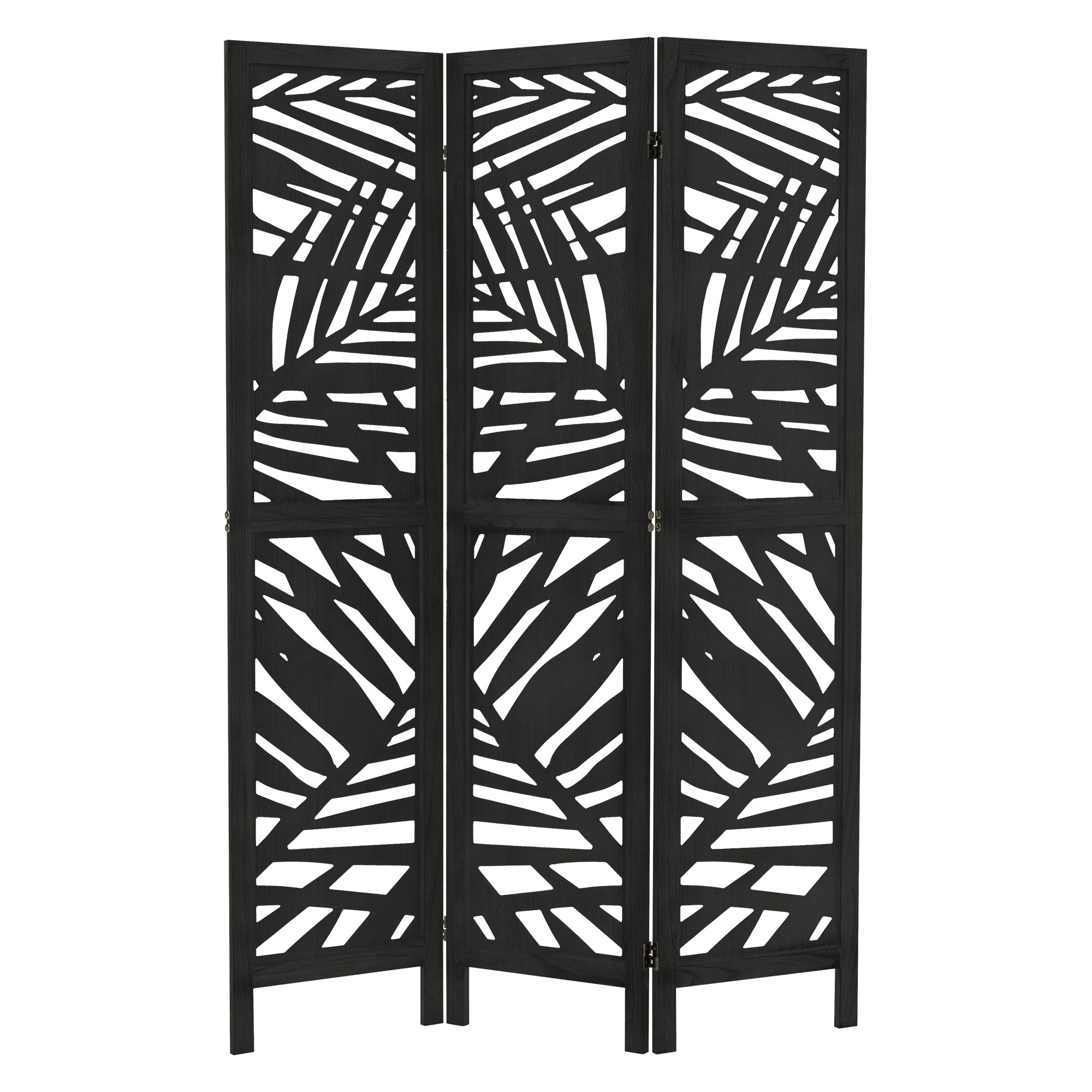
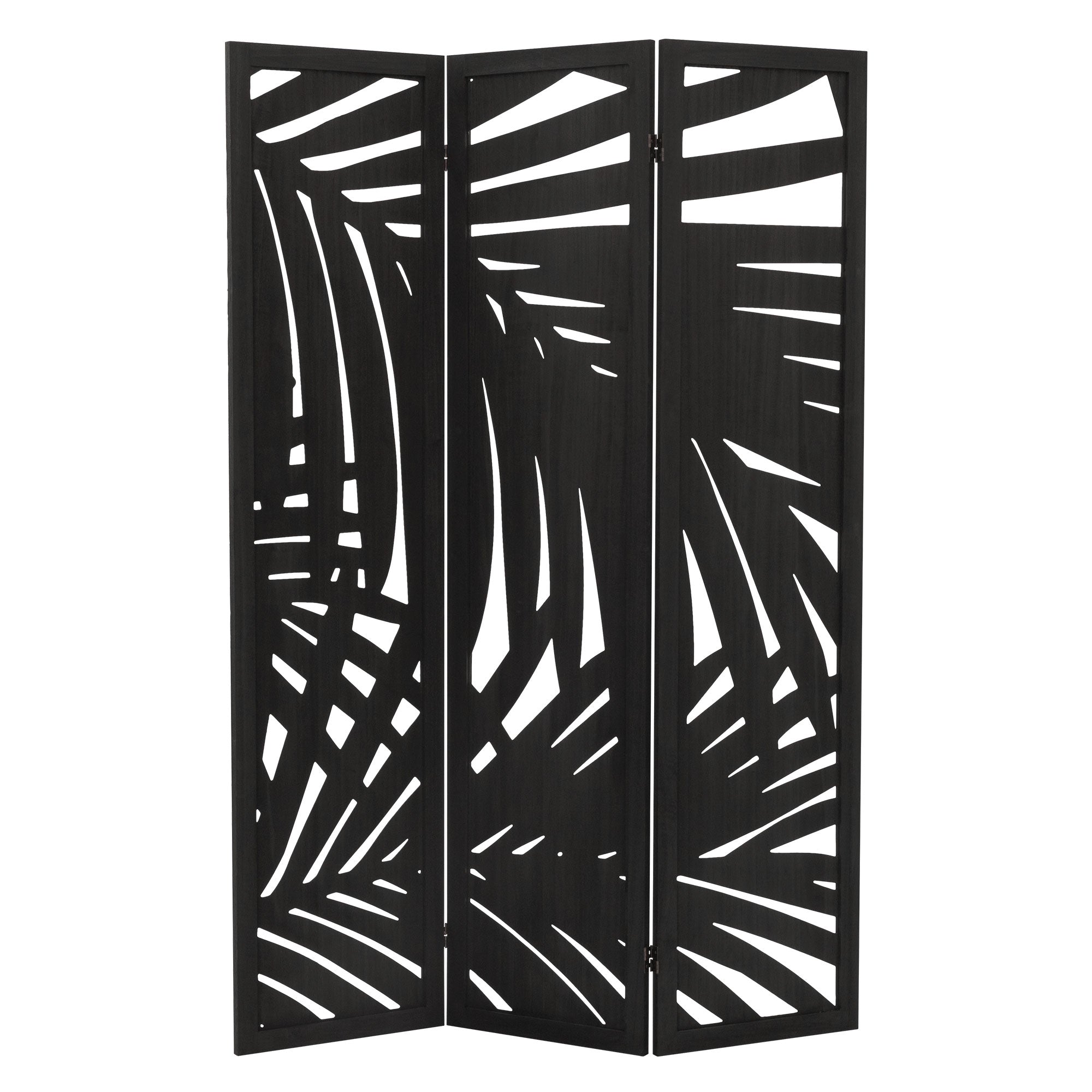
A room divider or partition offers a simple way to visually structure larger spaces, separate areas from one another, or create more privacy – all without a fixed wall. Especially in rental apartments, open living areas, or home offices, flexible solutions are practical as they can be set up, moved, or removed as needed. Depending on the model, a room divider can serve very different functions: Some variants are nearly opaque and create a clearly separated area, while others allow light to pass through or even provide a certain degree of visibility. With room dividers and partitions from ML-Design, functionality and decorative design can be combined.
What options are there to separate a room?
A room can be divided in various ways. Which solution is suitable depends on whether privacy, visual structuring, or maximum flexibility is desired.
- Room dividers
- Mobile room dividers
- Shelves as room dividers
- Curtains
- Sliding doors
- Partitions
- Glass walls
- Plants or plant elements
- Half-height furniture
What is the difference between a room divider and a partition?
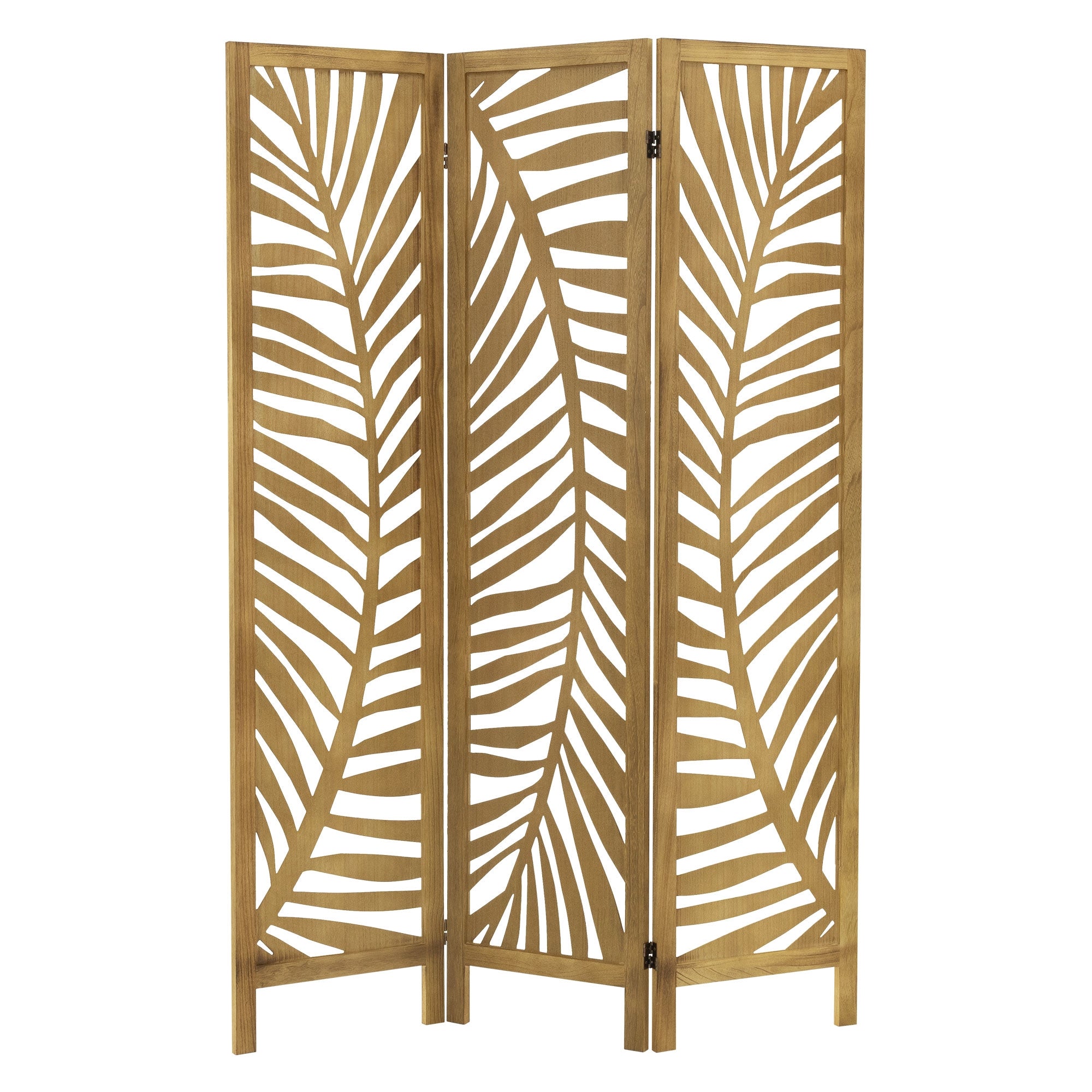
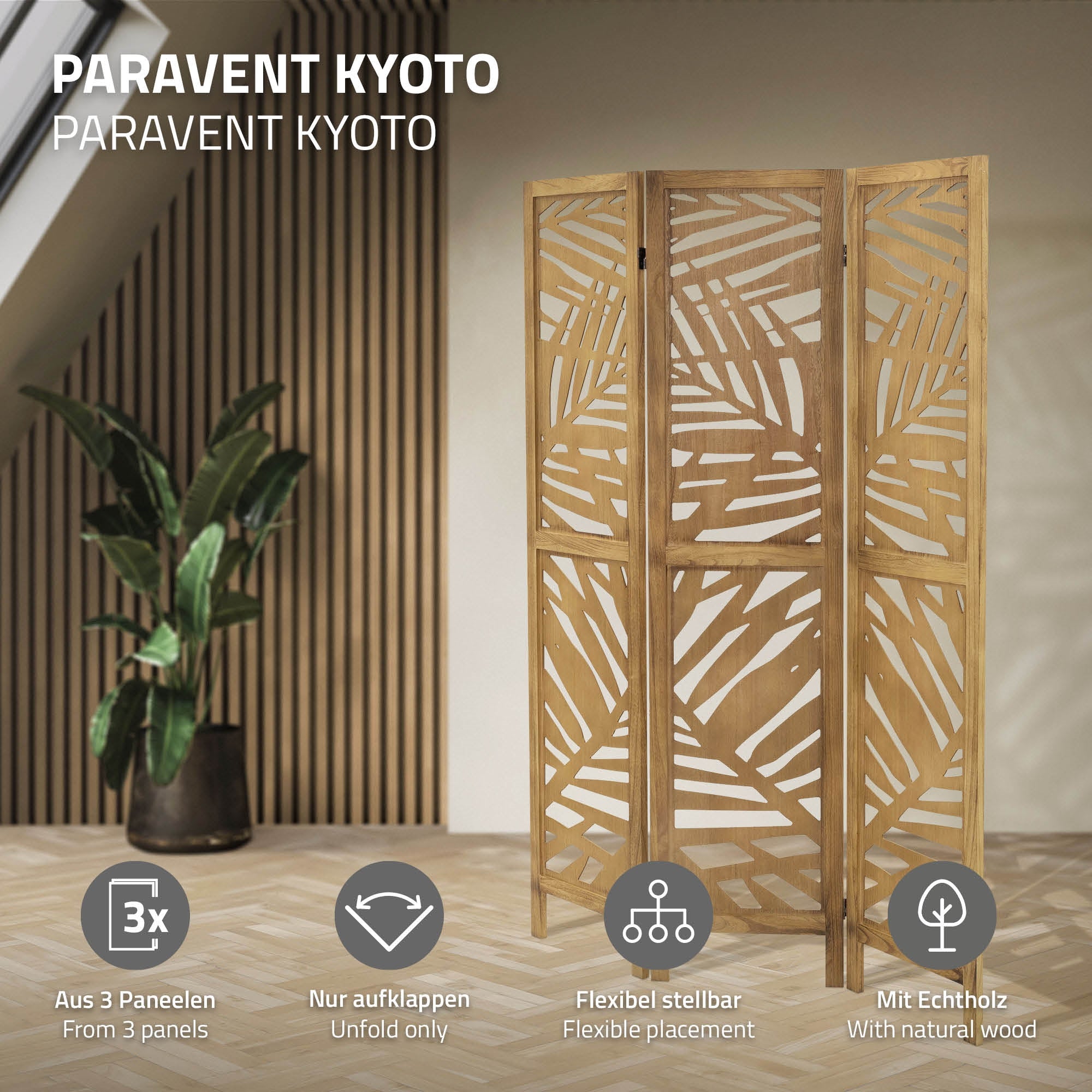
The terms room divider and partition are often used synonymously, although they do not describe exactly the same thing. A room divider typically consists of several interconnected elements and can be freely placed in the room. Due to its construction, it can often be folded and positioned flexibly. A partition, on the other hand, is a more general term. It can also include larger, more solid, or differently constructed separation solutions – for example, shelves, mobile partitions, or decorative elements. In short: A room divider is one possible form of a partition, while the term partition encompasses significantly more variants.
What types of room dividers are there?
Room dividers differ not only in their shape and size but especially in the degree of shielding. Depending on how much light and visibility should be retained, a different model may be sensible.
Opaque room dividers
Opaque room dividers shield an area as completely as possible. They are particularly suitable when privacy is a priority.
- Sleeping areas in studio apartments
- Changing areas
- Home office
- Separated relaxation areas
- Areas with little desired visual contact
Translucent room dividers
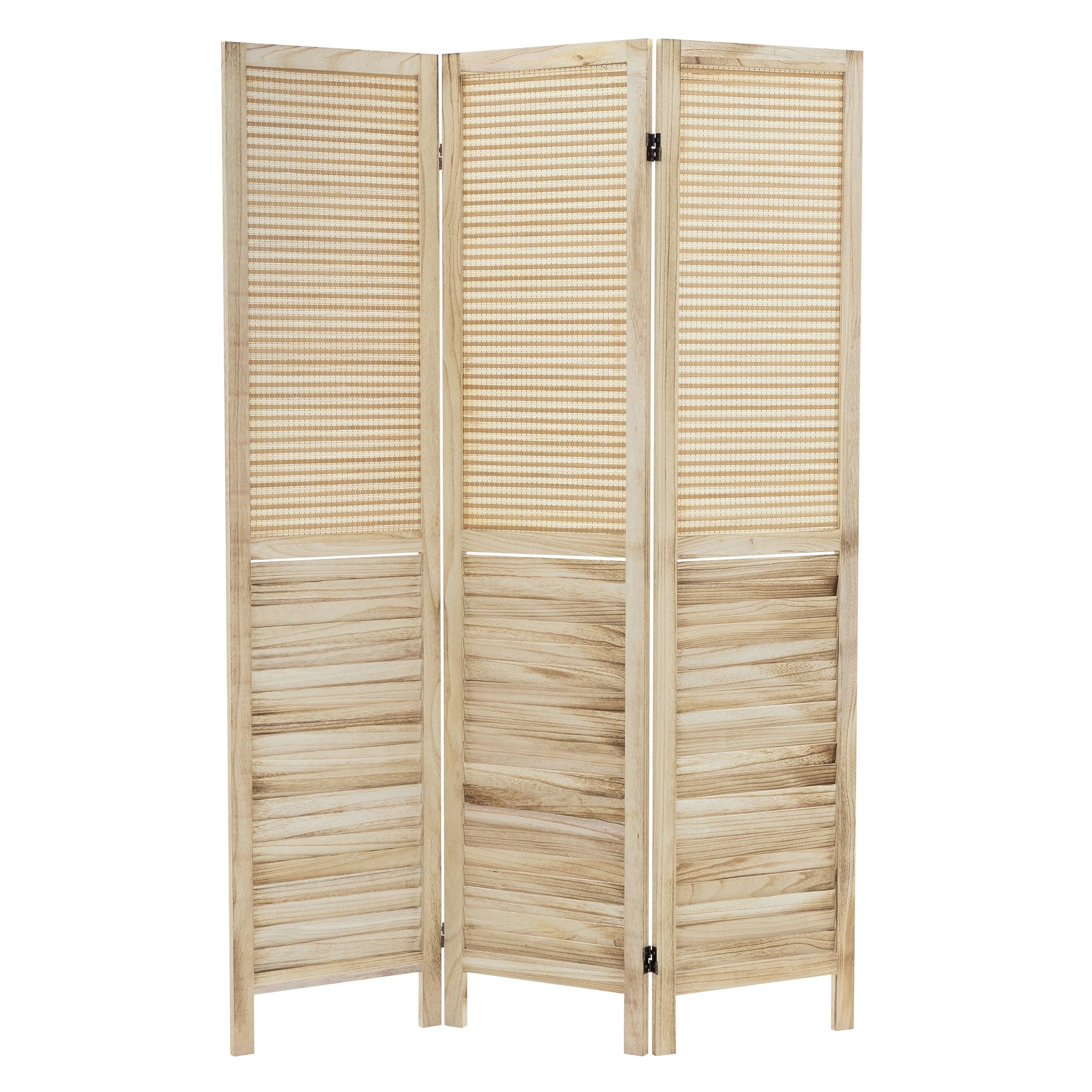
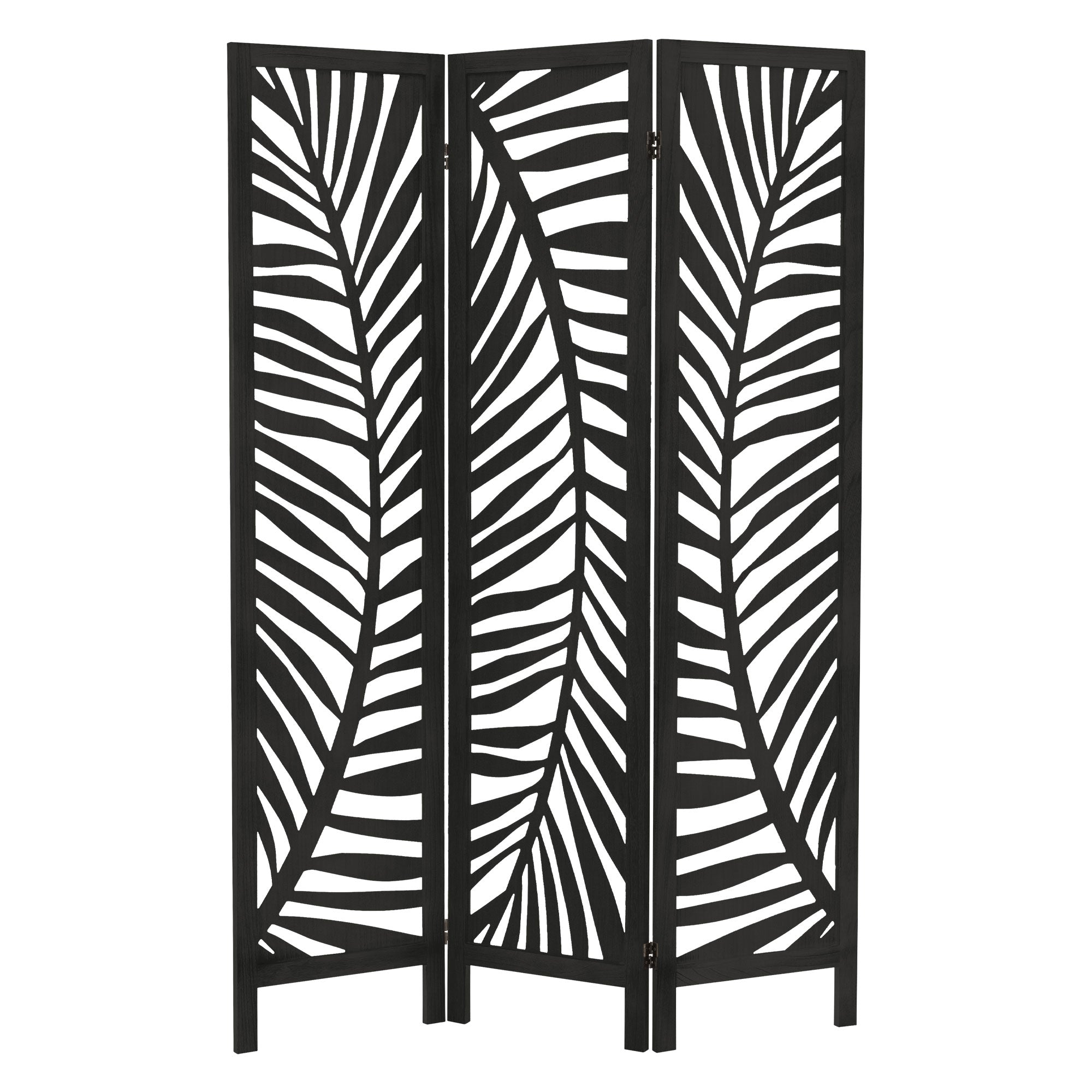
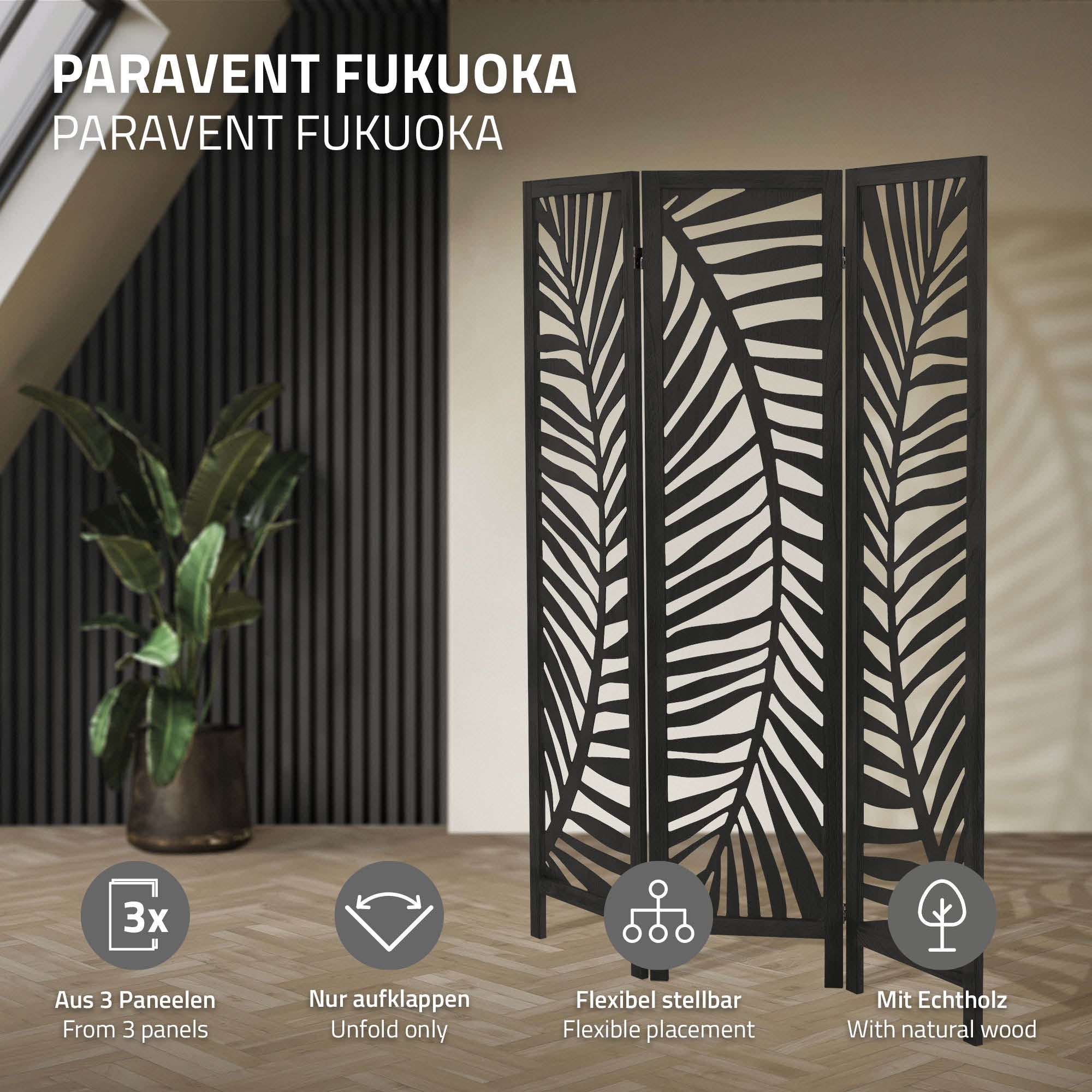
Translucent variants allow some daylight or room light to pass through. This creates a separation without making the room completely dark or visually closed off. Such models can be particularly interesting in small rooms. The separated area continues to receive light, making it feel less cramped.
Transparent or open room dividers
There are also room dividers that structure areas more visually than actually shielding them. Depending on the construction, you can see through them.
- Open slats
- Grid elements
- Shelves without a back
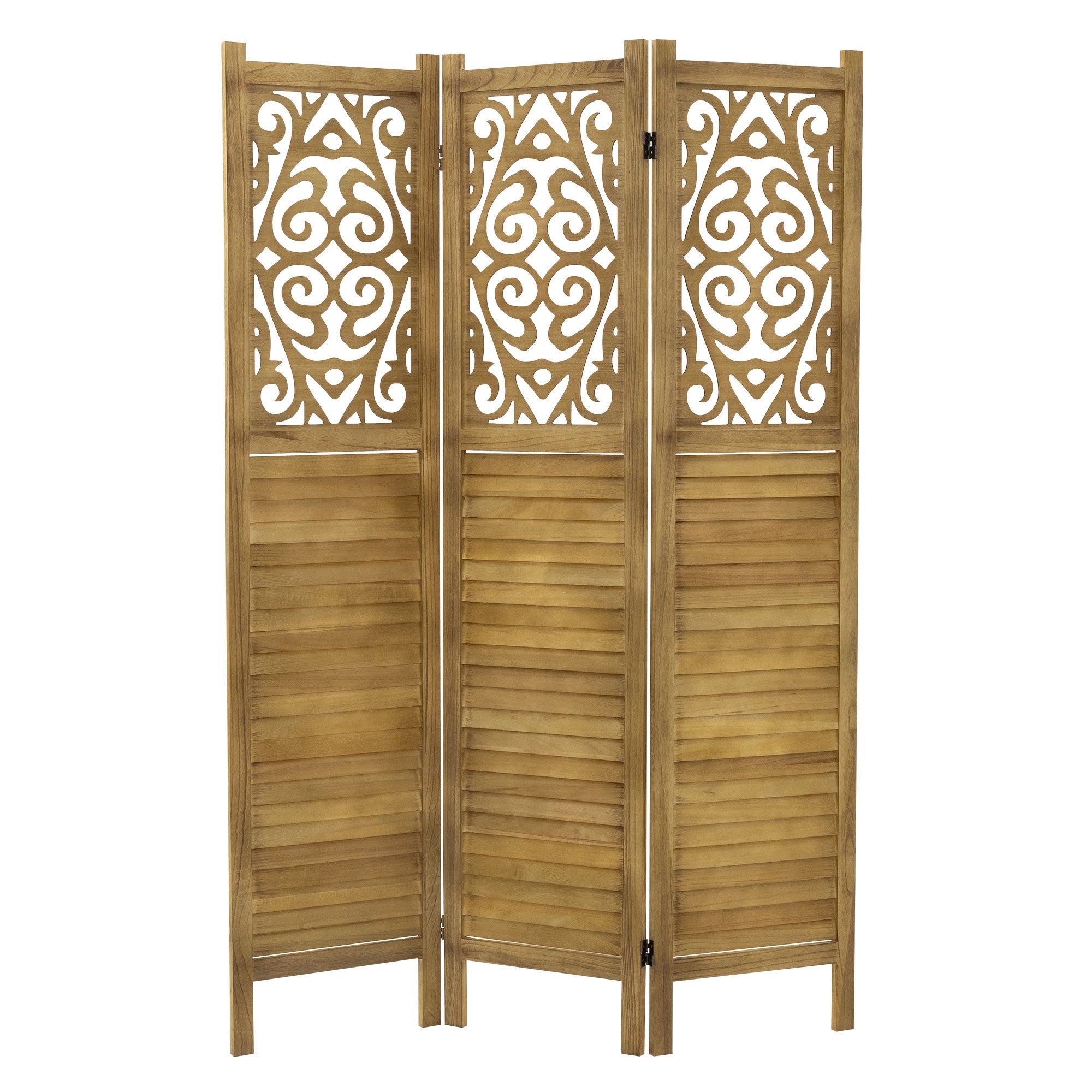
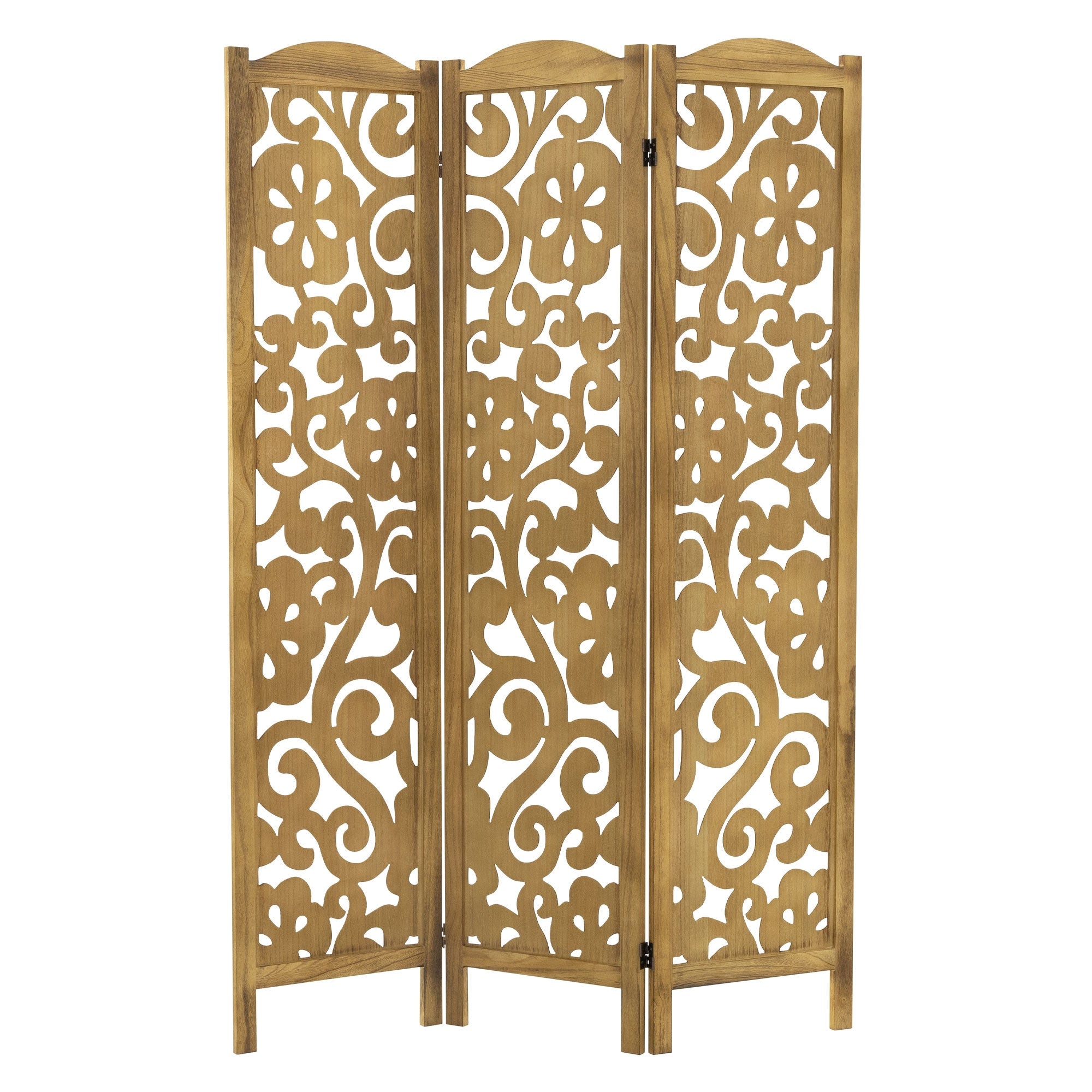
- Decorative room dividers
- Partially open screens
How can a room divider create more privacy?
A room divider can specifically divide an open living area into individual zones. For maximum privacy, a model should be chosen that is sufficiently high and as opaque as possible. This can be particularly useful, for example, when a sleeping area needs to be separated from the living area or when a workspace should be visually shielded. The position should also be considered. A room divider does not necessarily have to cover the entire area. Often, it is enough to interrupt the direct line of sight between two areas.
Which room dividers are suitable as privacy screens in the home office?
In the home office, a room divider can help visually separate the workspace from the rest of the living area. This is especially practical when there is no dedicated office room. For this purpose, opaque or partially opaque models can be interesting. Those who still need a lot of daylight at their workspace may prefer a translucent room divider. A mobile room divider can be easily moved or folded away after work hours, allowing for flexible use of the living space.
Room dividers for small spaces
In small apartments, a room divider should not unnecessarily restrict the available space. Slim and lightweight models can therefore be particularly practical. The visual effect also plays a role. A completely opaque and very massive room divider can make a small room seem even smaller. Light-permeable or partially open variants can be a better solution if the room is to remain bright and open.
What materials are suitable for room dividers?
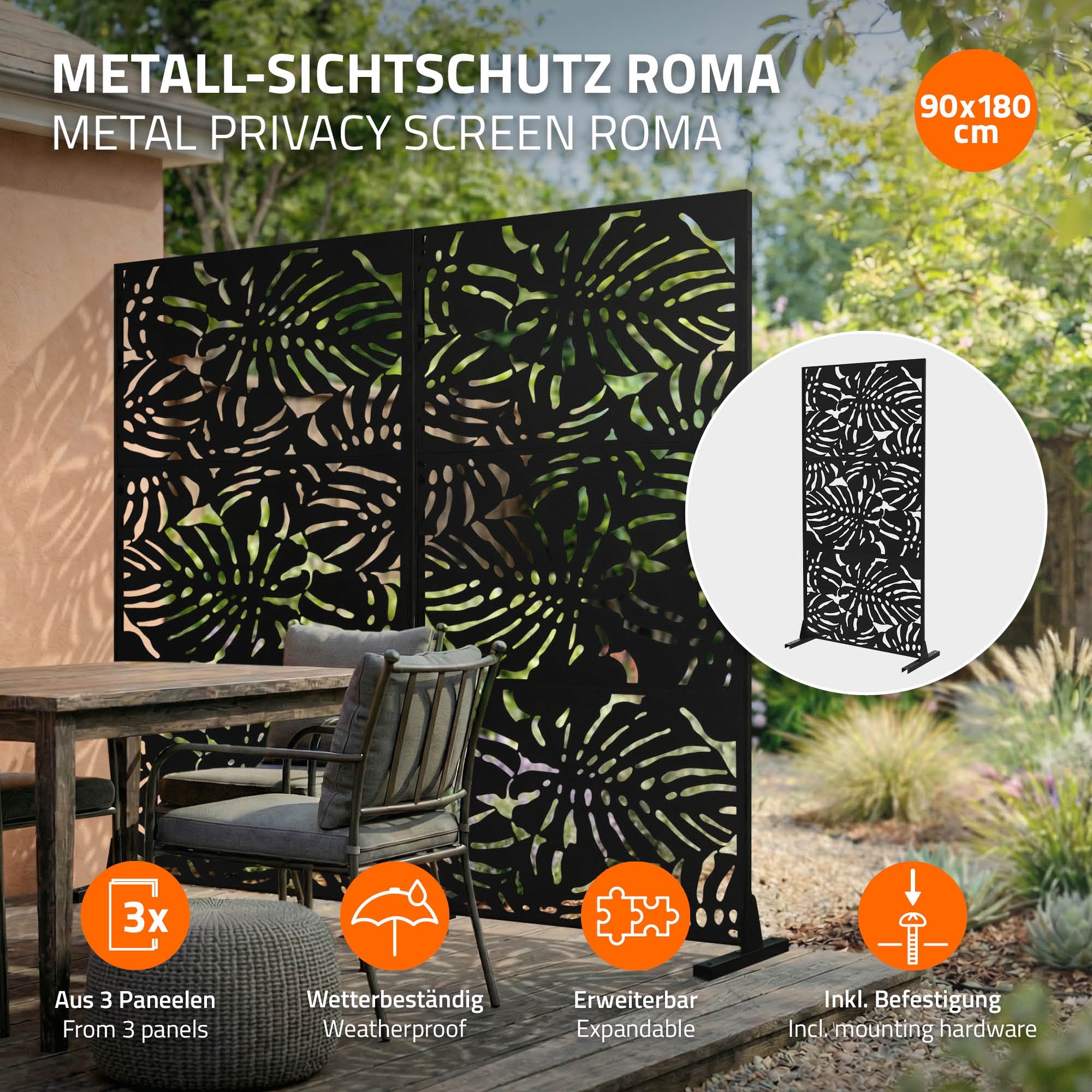
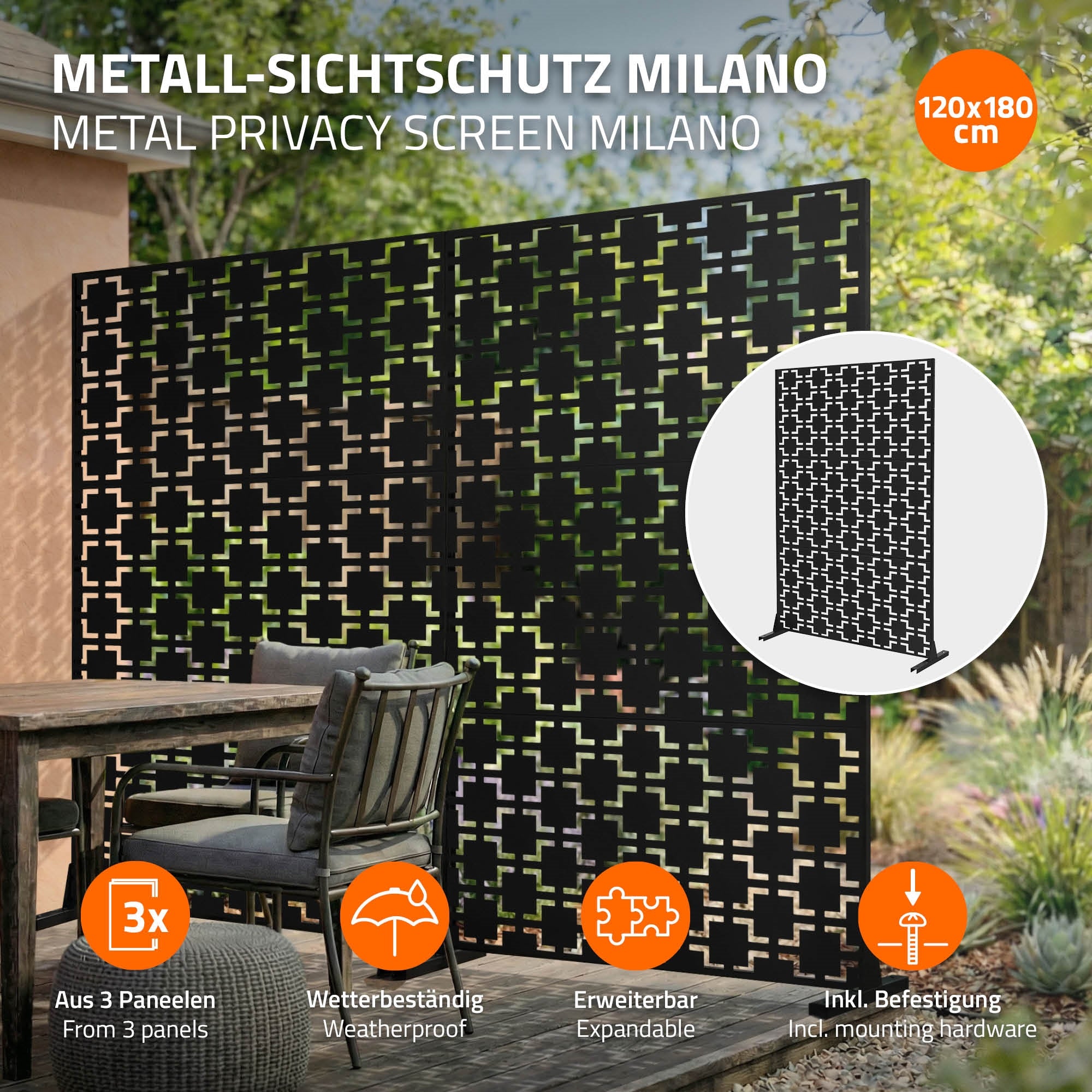
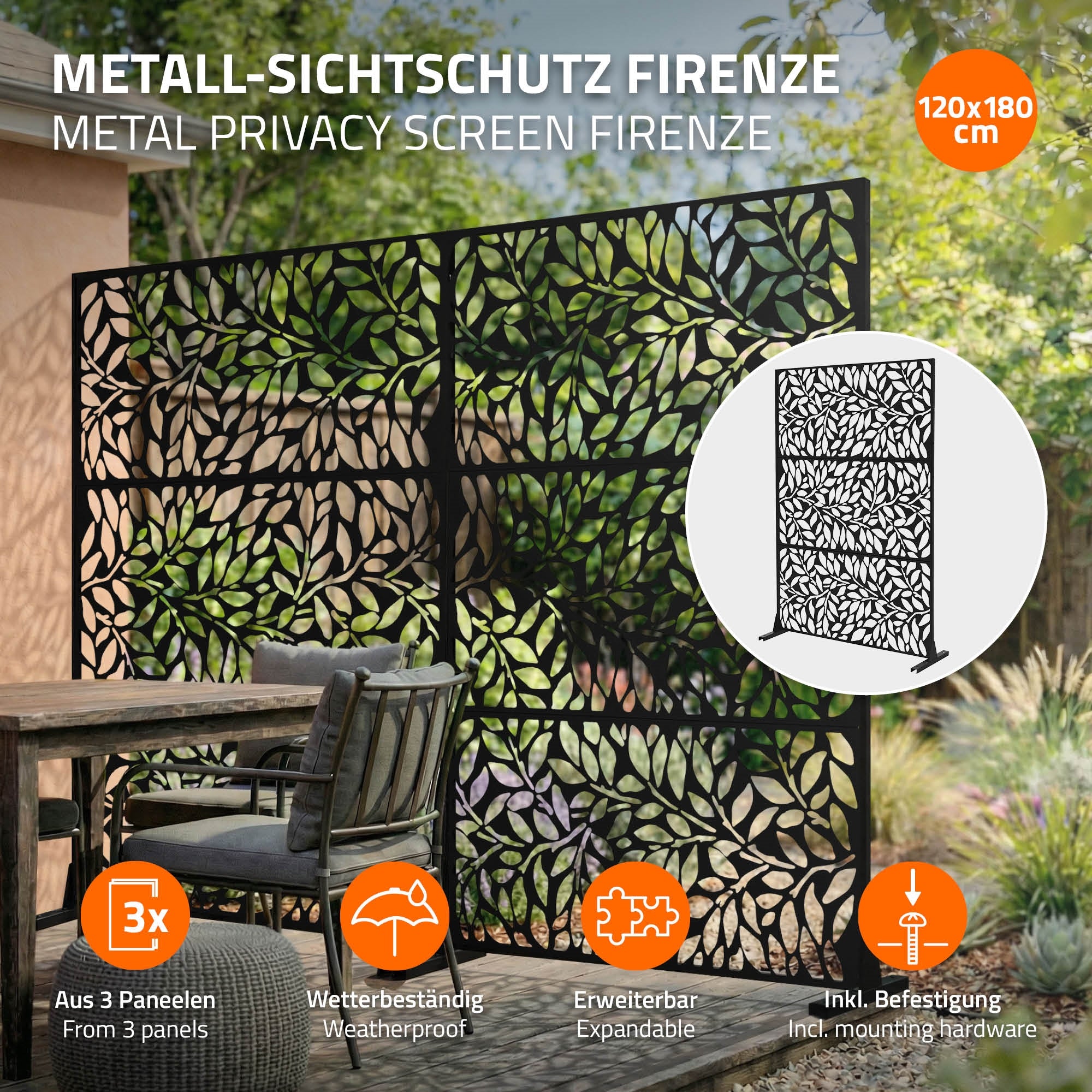
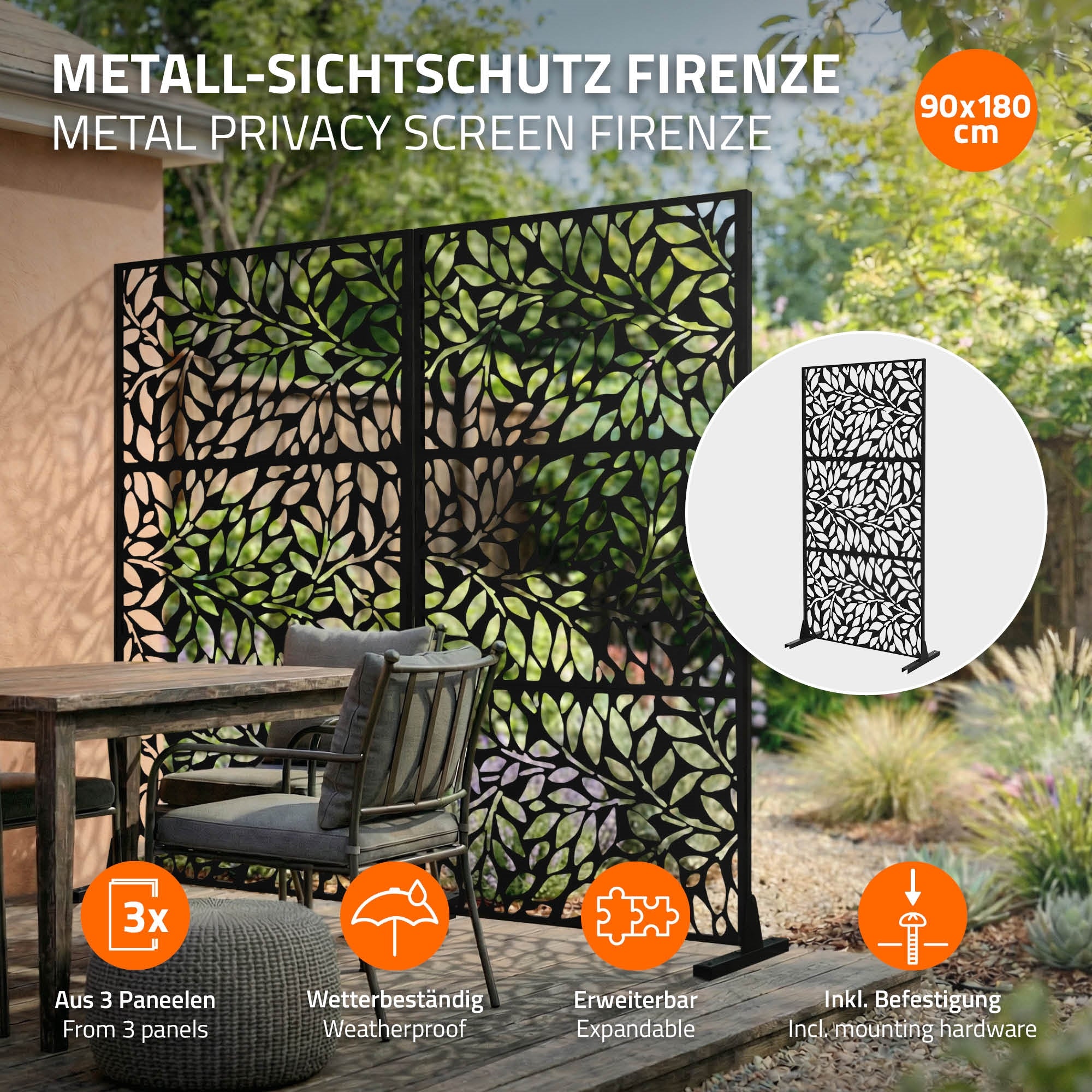
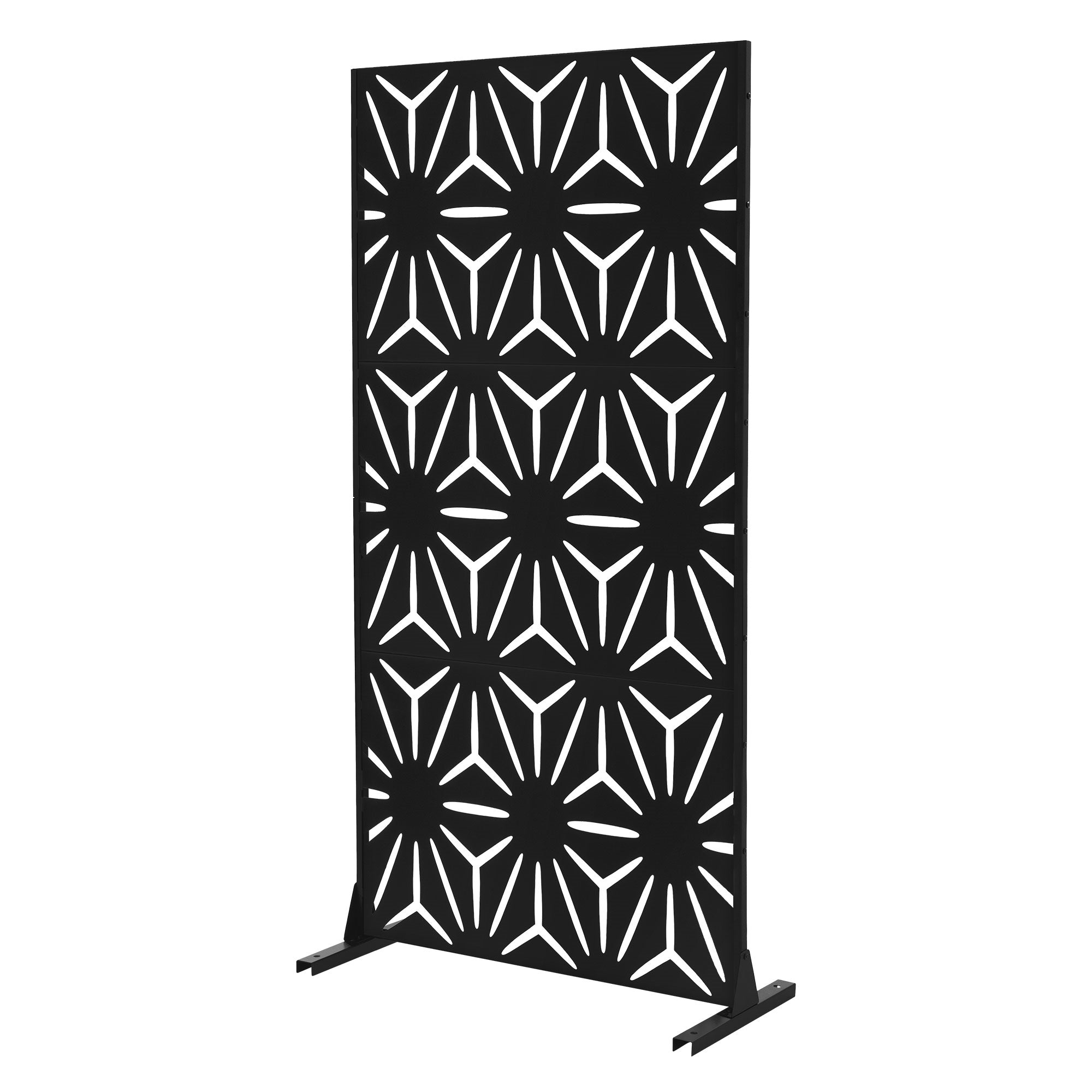
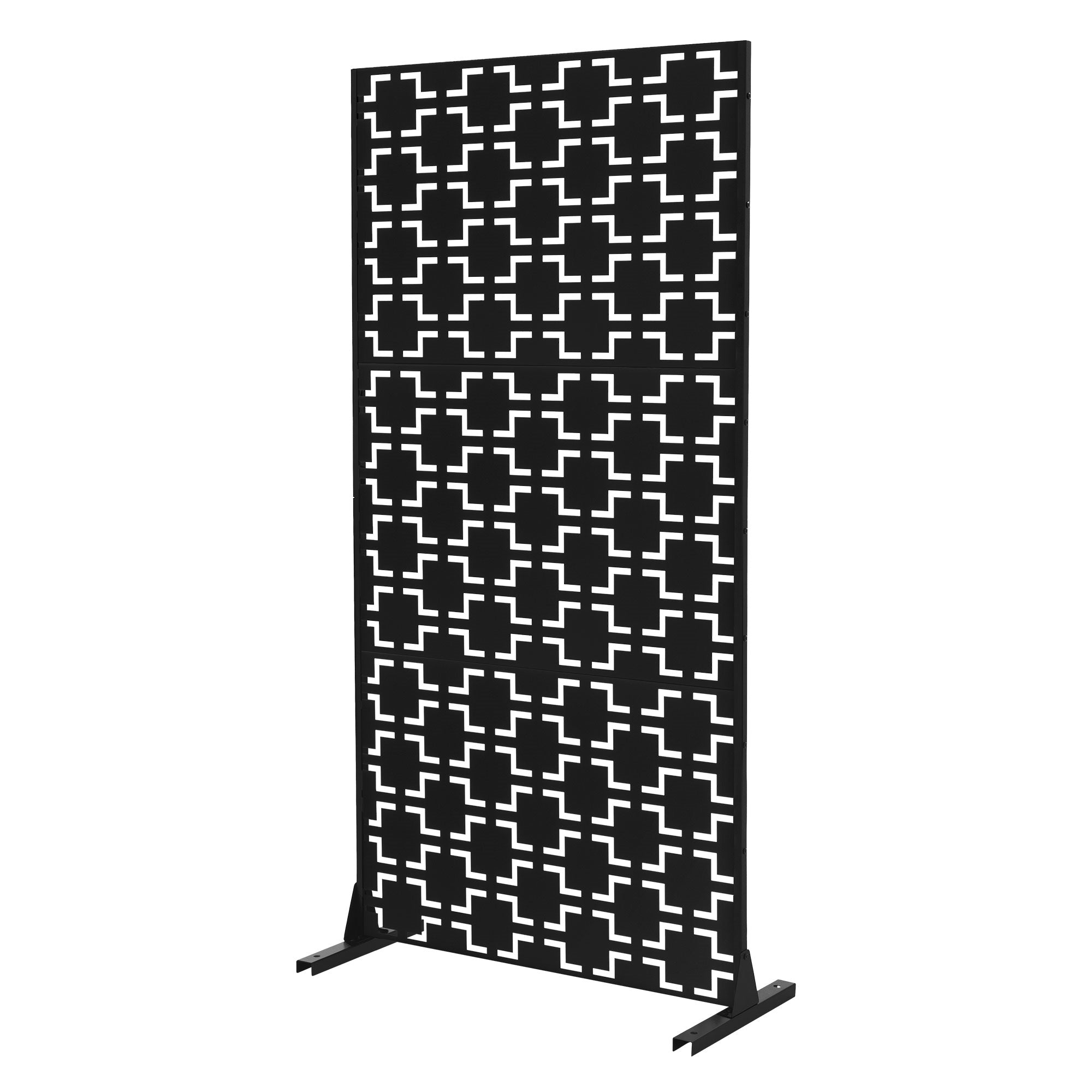
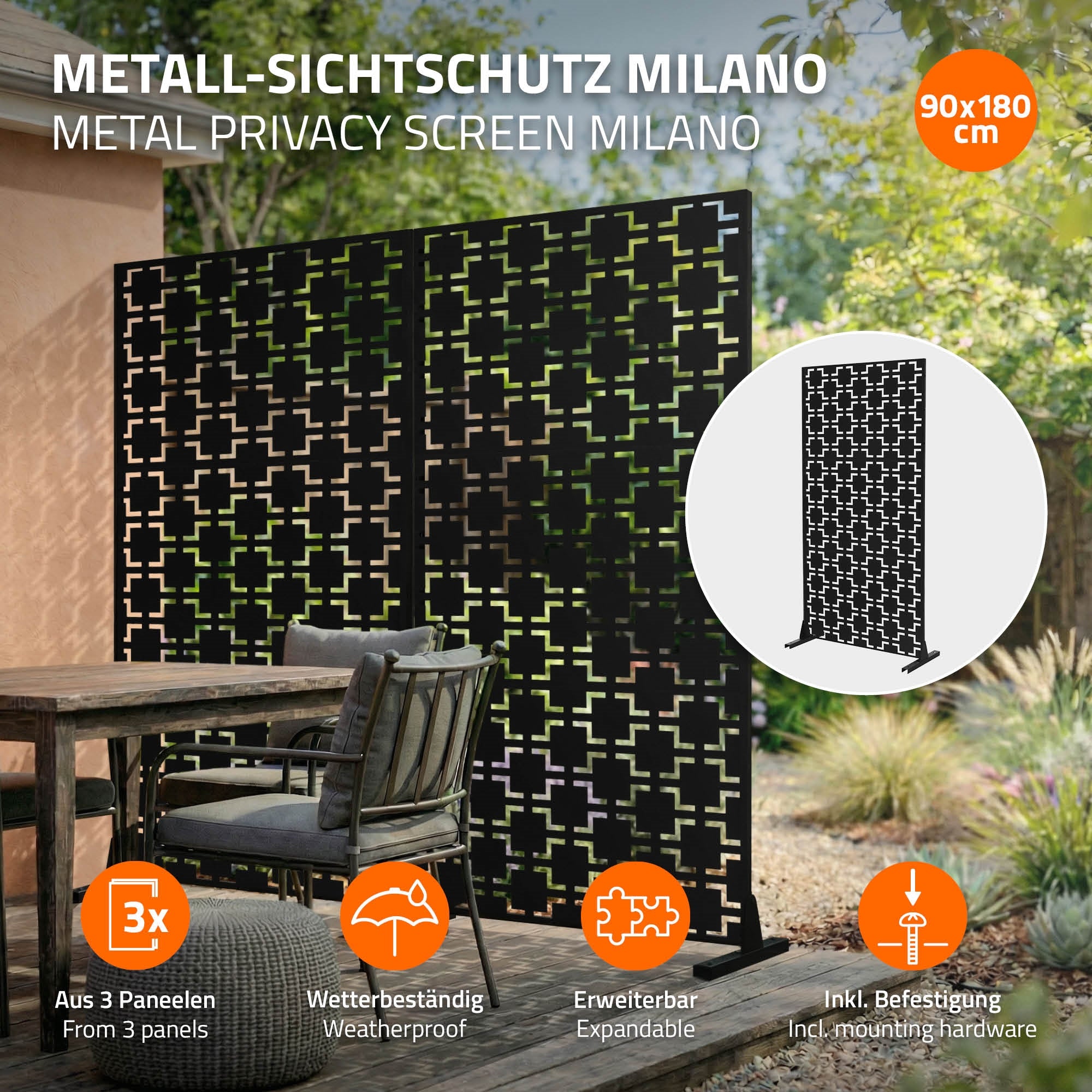
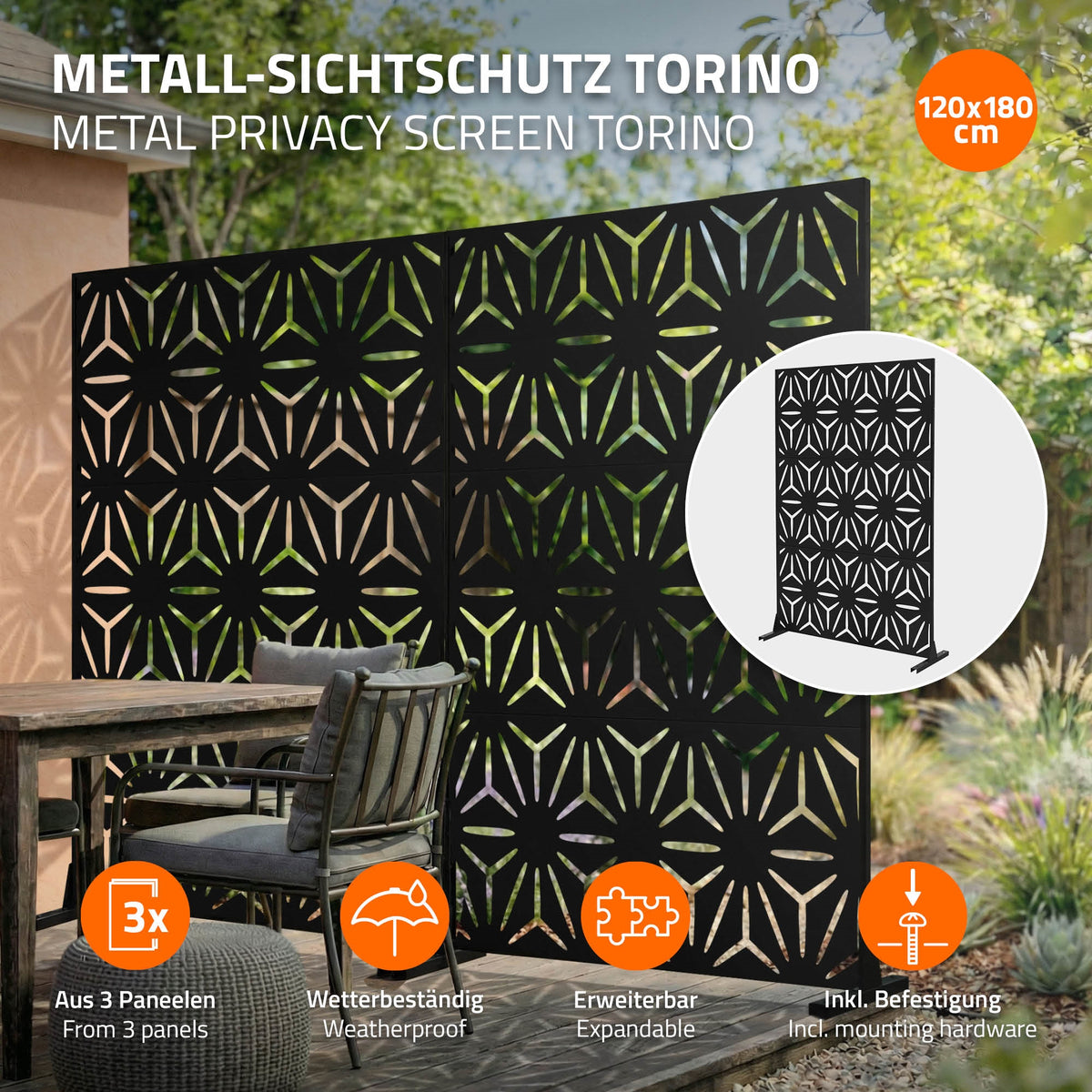
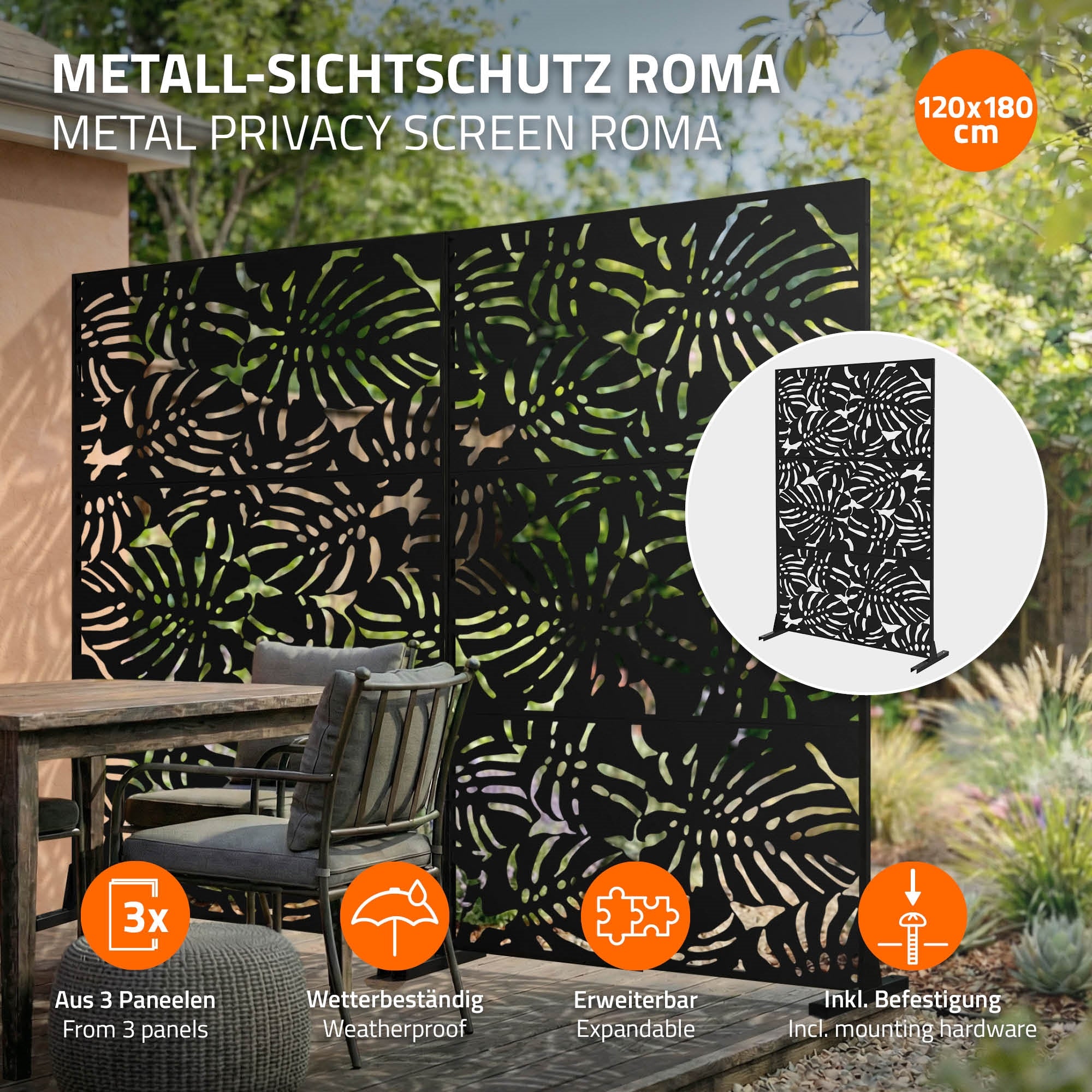
Room dividers are available in numerous materials. In addition to stability, the material also influences the appearance, light permeability, and maintenance. Wood and wood-based materials create a warm and homely feel and can be easily combined with various furnishing styles. Metal offers a modern look and can be particularly interesting for delicate or industrial designs. Textiles are particularly suitable when a soft and as opaque as possible separation is desired. Glass lets a lot of light into the room and can create an elegant, open spatial effect.
How large should a screen be?
The appropriate size depends on how much area needs to be shielded and how the screen will be used. A small screen can, for example, visually delineate a workspace or a single corner. For separating larger areas, wider models or multiple elements are needed. Height should also be considered. A low room divider can only structure areas visually, while a taller model can create significantly more privacy. Therefore, it is worthwhile to measure the intended area before purchasing and to consider from which perspective the room divider should primarily have an effect.
Room dividers as design elements
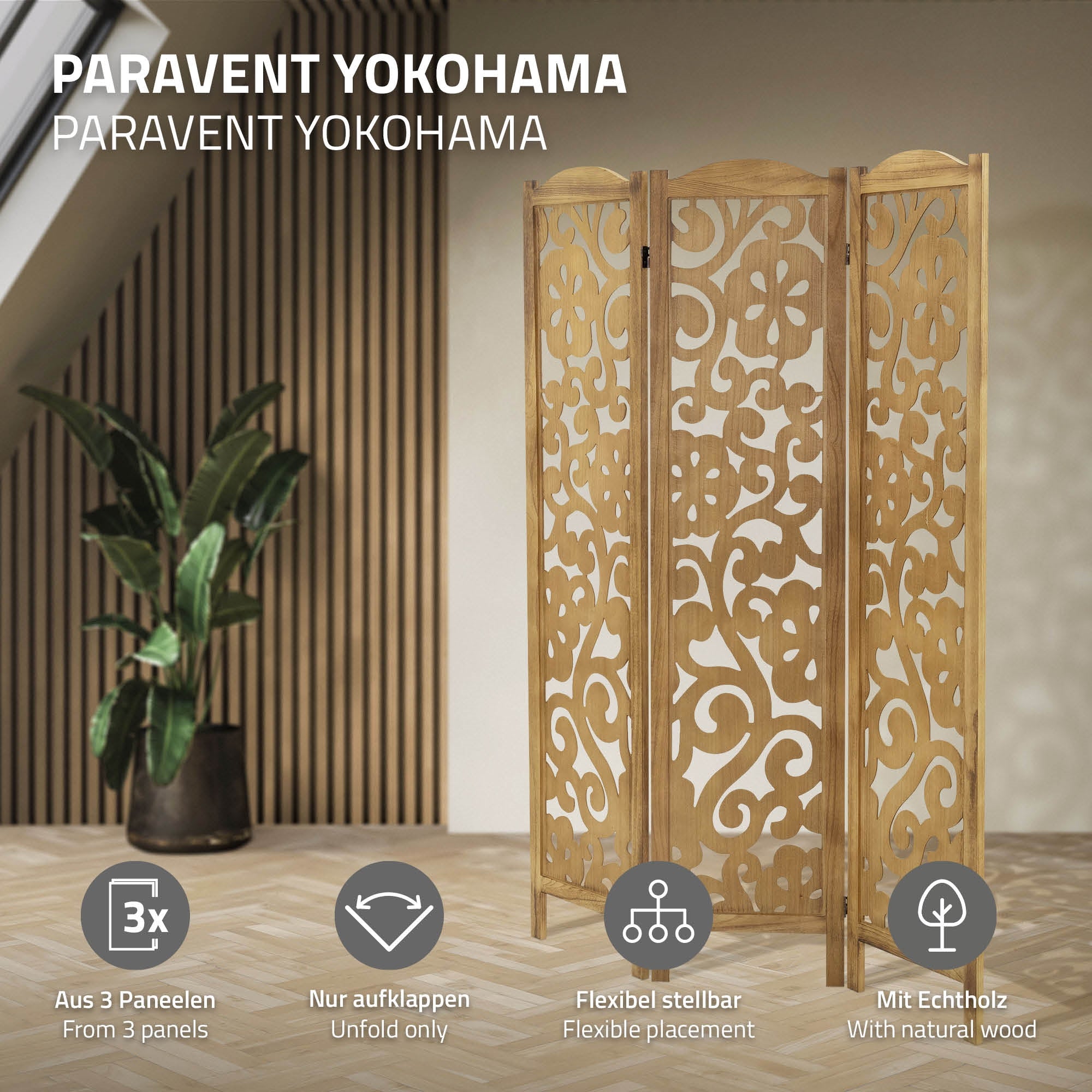
A room divider does not have to be purely functional. Through colors, shapes, patterns, and materials, it can become a part of the decor itself. A simple room divider in neutral colors can integrate discreetly into the decor. Decorative patterns or more striking shapes can deliberately create a focal point. Especially in open living concepts, a screen can thus simultaneously serve as spatial structure, privacy screen, and decoration.
What should you pay attention to when buying a room divider?
Before purchasing, it should first be determined what function the room divider should fulfill. Should it primarily be decorative, delineate a workspace, or create as much privacy as possible?
- Height and width
- Degree of opacity
- Light permeability
- Material
- Stability
- Stability on the ground
- Weight
- Foldability
- Mobility
- Maintenance effort
- Design and color
- Value for money
Room divider & partition from ML-Design
ML-Design offers room divider solutions that can be flexibly integrated into different living and working areas. Depending on the model, decorative design, privacy, or targeted room division can be the focus. Whether as a boundary for the home office, as a privacy screen in the bedroom, or for structuring an open living area – a suitable room divider can change a space without the need for construction measures.
Conclusion: Flexibly design spaces with the right room divider
A room divider or partition is a straightforward way to structure spaces and separate individual areas from one another. There are significant differences between the various types. Opaque models are particularly suitable for privacy, while translucent room dividers can delineate an area without darkening the space. Open or transparent variants, on the other hand, create more of an optical structuring and maintain visual contact. Therefore, size, material, stability, and the desired degree of shielding are crucial. Discover the room dividers and partitions from ML-Design now and find the right solution to flexibly, stylishly, and according to your needs design your living area, bedroom, or home office.















Room dividers & partitions – flexibly and stylishly design spaces
A room divider or partition offers a simple way to visually structure larger spaces, separate areas from one another, or create more privacy – all without a fixed wall. Especially in rental apartments, open living areas, or home offices, flexible solutions are practical as they can be set up, moved, or removed as needed. Depending on the model, a room divider can serve very different functions: Some variants are nearly opaque and create a clearly separated area, while others allow light to pass through or even provide a certain degree of visibility. With room dividers and partitions from ML-Design, functionality and decorative design can be combined.
What options are there to separate a room?
A room can be divided in various ways. Which solution is suitable depends on whether privacy, visual structuring, or maximum flexibility is desired.
- Room dividers
- Mobile room dividers
- Shelves as room dividers
- Curtains
- Sliding doors
- Partitions
- Glass walls
- Plants or plant elements
- Half-height furniture
What is the difference between a room divider and a partition?
The terms room divider and partition are often used synonymously, although they do not describe exactly the same thing. A room divider typically consists of several interconnected elements and can be freely placed in the room. Due to its construction, it can often be folded and positioned flexibly. A partition, on the other hand, is a more general term. It can also include larger, more solid, or differently constructed separation solutions – for example, shelves, mobile partitions, or decorative elements. In short: A room divider is one possible form of a partition, while the term partition encompasses significantly more variants.
What types of room dividers are there?
Room dividers differ not only in their shape and size but especially in the degree of shielding. Depending on how much light and visibility should be retained, a different model may be sensible.
Opaque room dividers
Opaque room dividers shield an area as completely as possible. They are particularly suitable when privacy is a priority.
- Sleeping areas in studio apartments
- Changing areas
- Home office
- Separated relaxation areas
- Areas with little desired visual contact
Translucent room dividers
Translucent variants allow some daylight or room light to pass through. This creates a separation without making the room completely dark or visually closed off. Such models can be particularly interesting in small rooms. The separated area continues to receive light, making it feel less cramped.
Transparent or open room dividers
There are also room dividers that structure areas more visually than actually shielding them. Depending on the construction, you can see through them.
- Open slats
- Grid elements
- Shelves without a back
- Decorative room dividers
- Partially open screens
How can a room divider create more privacy?
A room divider can specifically divide an open living area into individual zones. For maximum privacy, a model should be chosen that is sufficiently high and as opaque as possible. This can be particularly useful, for example, when a sleeping area needs to be separated from the living area or when a workspace should be visually shielded. The position should also be considered. A room divider does not necessarily have to cover the entire area. Often, it is enough to interrupt the direct line of sight between two areas.
Which room dividers are suitable as privacy screens in the home office?
In the home office, a room divider can help visually separate the workspace from the rest of the living area. This is especially practical when there is no dedicated office room. For this purpose, opaque or partially opaque models can be interesting. Those who still need a lot of daylight at their workspace may prefer a translucent room divider. A mobile room divider can be easily moved or folded away after work hours, allowing for flexible use of the living space.
Room dividers for small spaces
In small apartments, a room divider should not unnecessarily restrict the available space. Slim and lightweight models can therefore be particularly practical. The visual effect also plays a role. A completely opaque and very massive room divider can make a small room seem even smaller. Light-permeable or partially open variants can be a better solution if the room is to remain bright and open.
What materials are suitable for room dividers?
Room dividers are available in numerous materials. In addition to stability, the material also influences the appearance, light permeability, and maintenance. Wood and wood-based materials create a warm and homely feel and can be easily combined with various furnishing styles. Metal offers a modern look and can be particularly interesting for delicate or industrial designs. Textiles are particularly suitable when a soft and as opaque as possible separation is desired. Glass lets a lot of light into the room and can create an elegant, open spatial effect.
How large should a screen be?
The appropriate size depends on how much area needs to be shielded and how the screen will be used. A small screen can, for example, visually delineate a workspace or a single corner. For separating larger areas, wider models or multiple elements are needed. Height should also be considered. A low room divider can only structure areas visually, while a taller model can create significantly more privacy. Therefore, it is worthwhile to measure the intended area before purchasing and to consider from which perspective the room divider should primarily have an effect.
Room dividers as design elements
A room divider does not have to be purely functional. Through colors, shapes, patterns, and materials, it can become a part of the decor itself. A simple room divider in neutral colors can integrate discreetly into the decor. Decorative patterns or more striking shapes can deliberately create a focal point. Especially in open living concepts, a screen can thus simultaneously serve as spatial structure, privacy screen, and decoration.
What should you pay attention to when buying a room divider?
Before purchasing, it should first be determined what function the room divider should fulfill. Should it primarily be decorative, delineate a workspace, or create as much privacy as possible?
- Height and width
- Degree of opacity
- Light permeability
- Material
- Stability
- Stability on the ground
- Weight
- Foldability
- Mobility
- Maintenance effort
- Design and color
- Value for money
Room divider & partition from ML-Design
ML-Design offers room divider solutions that can be flexibly integrated into different living and working areas. Depending on the model, decorative design, privacy, or targeted room division can be the focus. Whether as a boundary for the home office, as a privacy screen in the bedroom, or for structuring an open living area – a suitable room divider can change a space without the need for construction measures.
Conclusion: Flexibly design spaces with the right room divider
A room divider or partition is a straightforward way to structure spaces and separate individual areas from one another. There are significant differences between the various types. Opaque models are particularly suitable for privacy, while translucent room dividers can delineate an area without darkening the space. Open or transparent variants, on the other hand, create more of an optical structuring and maintain visual contact. Therefore, size, material, stability, and the desired degree of shielding are crucial. Discover the room dividers and partitions from ML-Design now and find the right solution to flexibly, stylishly, and according to your needs design your living area, bedroom, or home office.
Find even more among our top sellers








Popular categories


